In the ever-evolving world of lighting design, clearance lighting stands out as a crucial element that contractors must understand. This article delves into the nuances of clearance lighting, its applications, and the best practices for implementation. Whether working on residential or commercial projects, a comprehensive grasp of clearance lighting can enhance both functionality and aesthetics.
Understanding Clearance Lighting
Clearance lighting refers to the strategic placement of light fixtures to illuminate areas that require visibility while ensuring safety and comfort. This type of lighting is essential in spaces where height restrictions or specific design elements dictate the need for careful illumination planning. The right clearance lighting can significantly enhance the usability of a space, making it not only more functional but also more inviting.
Definition and Importance
Clearance lighting primarily focuses on areas such as hallways, staircases, and entryways, where proper visibility is critical. The importance of this lighting type cannot be overstated; it not only enhances the safety of a space but also contributes to the overall ambiance. Inadequate lighting in clearance areas can lead to accidents, making it imperative for contractors to prioritize this aspect during installation. Moreover, well-planned clearance lighting can guide visitors through a space, creating a sense of flow and direction, which is especially important in larger buildings or public venues.
Types of Clearance Lighting
There are several types of clearance lighting options available, each serving different purposes. Common types include recessed lighting, wall sconces, and pendant lights. Recessed lighting is often used in ceilings to provide unobtrusive illumination, while wall sconces can add decorative elements to a space while ensuring adequate light. Pendant lights, on the other hand, can be utilized in areas with higher ceilings, providing both function and style. Additionally, track lighting offers flexibility as it can be adjusted to highlight specific areas or features, making it an excellent choice for galleries or retail spaces where showcasing products is essential. Furthermore, LED strip lights can be installed along the edges of staircases or under handrails, not only enhancing safety but also adding a modern touch to the overall design.
Key Considerations for Lighting Contractors
When it comes to implementing clearance lighting, several key considerations must be taken into account. These considerations can significantly impact the effectiveness and efficiency of the lighting design.
Height and Placement
The height at which lights are installed plays a pivotal role in determining their effectiveness. For instance, lights placed too high may not provide adequate illumination for lower areas, while lights positioned too low can create glare or obstruct movement. Understanding the specific requirements of a space is essential for determining the optimal height and placement of fixtures. Additionally, the layout of the area, including any architectural features such as beams or columns, can influence how light is distributed. Conducting a thorough site assessment can help identify potential obstacles and ensure that the lighting enhances rather than hinders the space’s functionality.
Light Output and Color Temperature
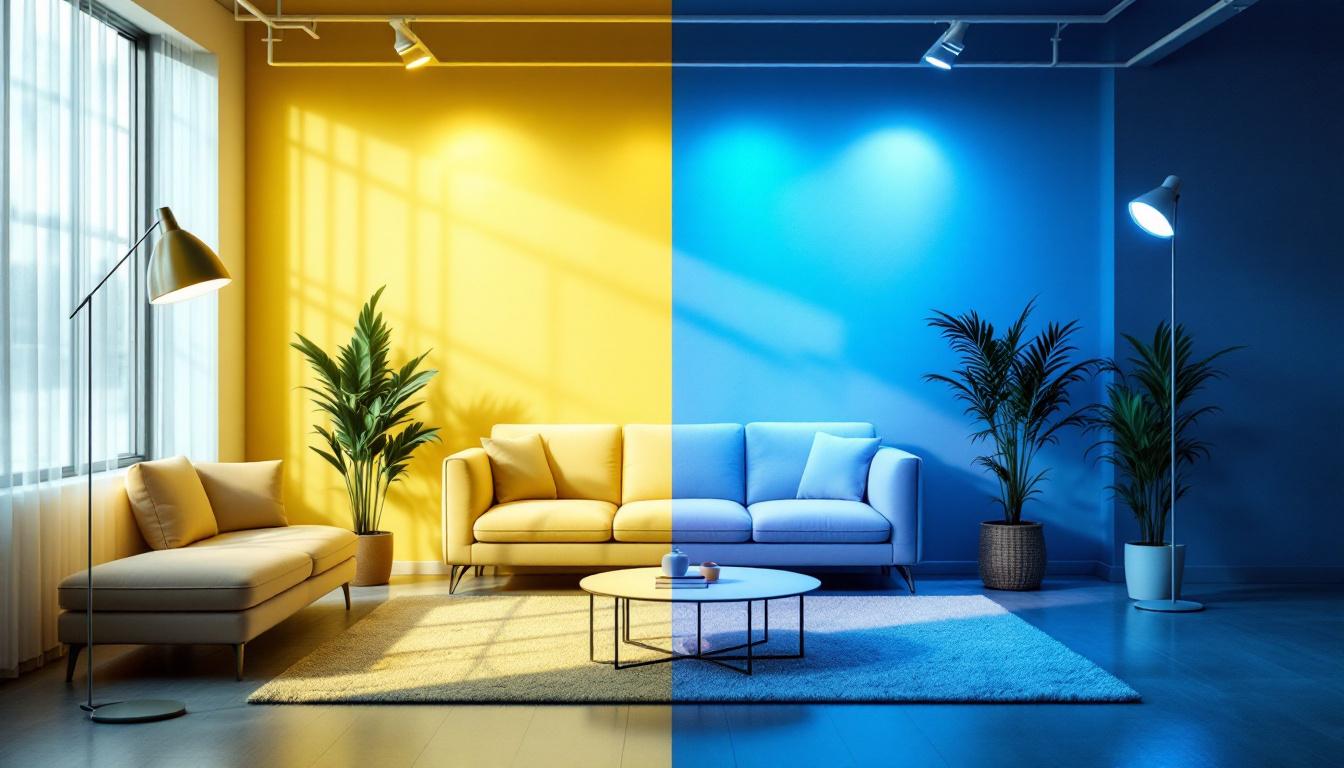
Another critical consideration is the light output and color temperature of the fixtures. The brightness of the light, measured in lumens, should be appropriate for the area being illuminated. Moreover, the color temperature, often measured in Kelvin, can influence the mood of a space. Warmer temperatures (around 2700K) create a cozy atmosphere, while cooler temperatures (above 4000K) are more energizing and suitable for workspaces. It is also important to consider how different color temperatures can affect color rendering, particularly in settings where accurate color perception is vital, such as in retail or art galleries. Selecting the right color rendering index (CRI) can ensure that colors appear true to life, enhancing the overall aesthetic appeal of the environment.
Designing Clearance Lighting for Various Spaces
The design of clearance lighting can vary significantly depending on the type of space being illuminated. Understanding the unique requirements of each environment is crucial for effective lighting design.
Residential Spaces
In residential settings, clearance lighting should be both functional and aesthetically pleasing. For example, in hallways and staircases, recessed lighting can provide a clean look while ensuring safety. Wall sconces can be strategically placed to add character to the space while providing additional illumination. The key is to balance safety with style, creating a welcoming atmosphere. Additionally, dimmable options can enhance the versatility of the lighting, allowing homeowners to adjust brightness according to the time of day or mood, further enriching the living experience. Incorporating smart lighting systems can also provide convenience, enabling residents to control their lighting through mobile apps or voice commands, thus enhancing both functionality and modern appeal.
Commercial Spaces
In commercial environments, the approach to clearance lighting may differ. Here, the focus is often on functionality and compliance with safety regulations. For instance, in retail spaces, clearance lighting can help highlight products while ensuring that pathways are well-lit for customers. In office settings, a combination of overhead fixtures and task lighting can create a productive work environment while adhering to clearance requirements. Moreover, the use of energy-efficient LED lighting not only reduces operational costs but also aligns with sustainability goals that many businesses are striving to achieve. Incorporating adaptive lighting systems that adjust based on occupancy can further enhance energy efficiency, ensuring that spaces are only illuminated when necessary, while also providing a comfortable atmosphere for employees and clients alike.
Best Practices for Clearance Lighting Installation
Implementing clearance lighting effectively requires adherence to best practices that ensure optimal performance and safety. Here are some essential guidelines for lighting contractors to follow.
Adhere to Local Codes and Standards
Before beginning any installation, it is crucial to familiarize oneself with local building codes and safety standards. These regulations often dictate the minimum lighting levels required in various spaces, ensuring that safety is prioritized. Compliance with these codes not only protects clients but also enhances the contractor’s reputation.
Conduct a Thorough Assessment
A comprehensive assessment of the space is vital before installation. This includes evaluating the layout, identifying potential obstacles, and determining the specific lighting needs of the area. Engaging with clients to understand their preferences and requirements can also lead to a more tailored lighting solution.
Challenges in Clearance Lighting
While clearance lighting is essential, it is not without its challenges. Lighting contractors often face various obstacles that can complicate the installation process.
Obstructions and Architectural Features
Architectural features such as beams, ductwork, and other obstructions can pose challenges in clearance lighting design. These elements can block light or create shadows, making it difficult to achieve even illumination. Careful planning and creativity are required to navigate these challenges effectively.
Client Expectations and Budget Constraints
Balancing client expectations with budget constraints is another common challenge. Clients may have specific aesthetic preferences that may not align with their budget. Lighting contractors must find ways to meet these expectations while providing cost-effective solutions. This might involve recommending alternative fixtures or designs that still achieve the desired effect without exceeding the budget.
Innovative Solutions in Clearance Lighting
The lighting industry is continuously evolving, with new technologies and design trends emerging regularly. Contractors should stay informed about innovative solutions that can enhance clearance lighting.
Smart Lighting Technology
Smart lighting technology has revolutionized the way clearance lighting can be controlled and customized. With the integration of smart systems, contractors can offer clients the ability to adjust brightness levels, color temperatures, and even schedules through mobile apps or voice commands. This level of control not only enhances convenience but also contributes to energy efficiency.
Energy-Efficient Options
Energy-efficient lighting solutions, such as LED fixtures, have become increasingly popular in clearance lighting design. LEDs offer longer lifespans and lower energy consumption compared to traditional bulbs, making them an environmentally friendly choice. Furthermore, many LED fixtures come in various styles, allowing contractors to maintain aesthetic appeal while promoting sustainability.
Case Studies: Successful Clearance Lighting Projects
Examining successful clearance lighting projects can provide valuable insights and inspiration for contractors. Here are a couple of notable examples.
Residential Renovation
In a recent residential renovation, a contractor was tasked with updating the lighting in a multi-level home. The existing lighting was inadequate for the staircase, leading to safety concerns. The contractor installed recessed lighting along the staircase and wall sconces at strategic points to enhance visibility. The result was a beautifully lit staircase that not only improved safety but also added an elegant touch to the home’s interior.
Commercial Office Space
In a commercial office space, a contractor faced the challenge of creating a well-lit environment that adhered to safety regulations. The solution involved a combination of overhead LED fixtures and task lighting at workstations. The clearance lighting ensured that pathways were illuminated, while the task lighting provided focused illumination for employees. This project not only met safety standards but also fostered a productive work environment.
Conclusion
Clearance lighting is a vital aspect of lighting design that requires careful consideration and planning. For lighting contractors, understanding the intricacies of clearance lighting can lead to safer, more functional, and aesthetically pleasing spaces. By adhering to best practices, staying informed about innovative solutions, and learning from successful projects, contractors can enhance their expertise and deliver exceptional results for their clients.
As the demand for effective lighting solutions continues to grow, the role of lighting contractors in implementing clearance lighting will remain crucial. Embracing the challenges and opportunities presented by this essential lighting type can lead to successful projects and satisfied clients.
Illuminate Your Projects with LumenWholesale
Ready to elevate your clearance lighting projects with premium, spec-grade lighting products? Look no further than LumenWholesale, where we offer an unbeatable combination of quality, affordability, and convenience. Say goodbye to inflated markups and hello to our extensive selection that meets the highest industry standards. With free shipping on bulk orders, you can ensure your spaces are not only safe and functional but also beautifully lit, without breaking the bank. Take the first step towards superior lighting solutions and Wholesale Lighting at the Best Value today!