Lighting Parts And Accessories: How it Impacts Lighting Contractors’ Projects
In the world of lighting design and installation, the importance of quality parts and accessories cannot be overstated. For lighting contractors, the choice of components can significantly influence the outcome of their projects, affecting everything from energy efficiency to aesthetic appeal. This article delves into the various lighting parts and accessories that play a crucial role in the success of lighting contractors’ projects.
The Foundation of Lighting Projects: Understanding Key Components
Lighting projects are built upon a variety of essential components. Each part serves a specific function, contributing to the overall performance and effectiveness of the lighting system. Understanding these components is vital for contractors who aim to deliver high-quality installations.
Light Fixtures
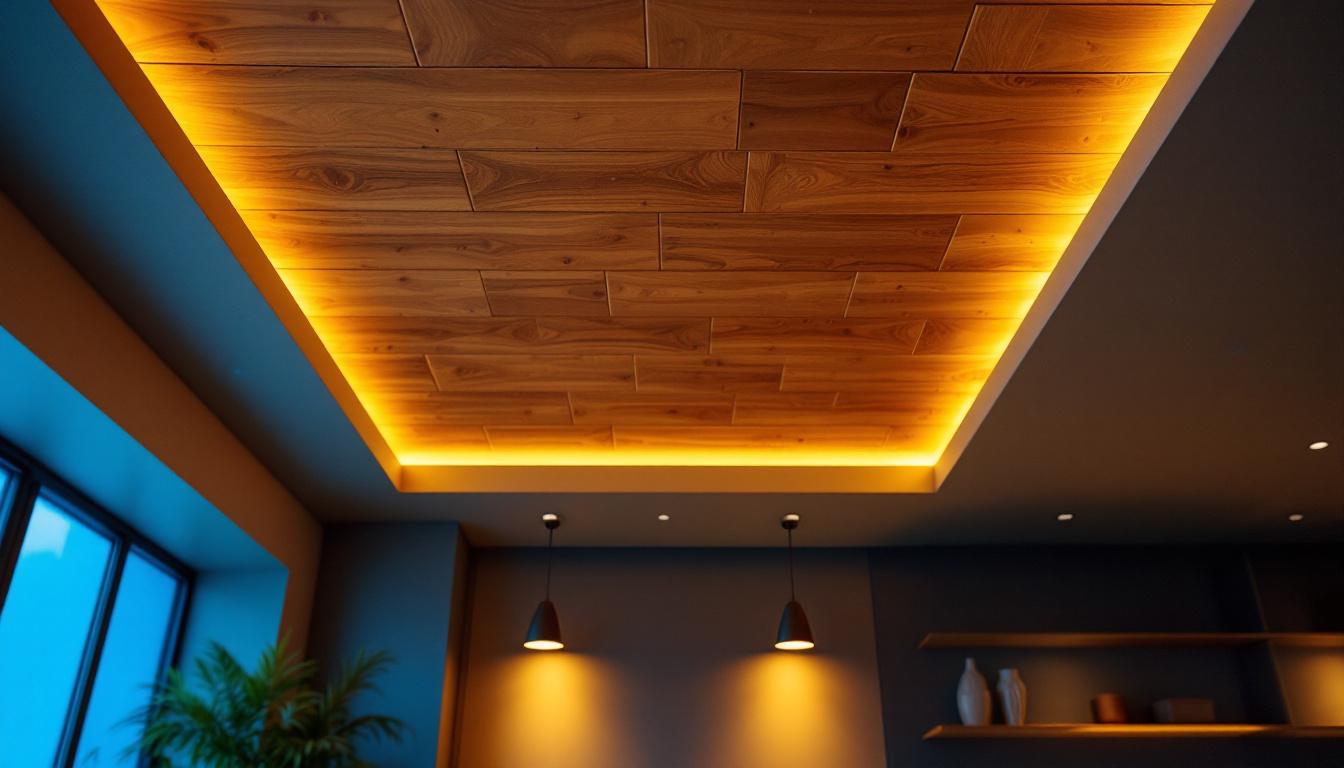
Light fixtures are the most visible elements of any lighting project. They come in various styles, shapes, and sizes, allowing contractors to choose options that best fit the design and functionality requirements of a space. From recessed lights to pendant fixtures, the selection of light fixtures can dramatically influence the ambiance and usability of an area.
Moreover, the choice of fixtures impacts energy consumption and maintenance. LED fixtures, for example, offer long-lasting performance and lower energy costs compared to traditional incandescent bulbs. As sustainability becomes a key consideration in modern design, contractors must stay informed about the latest fixture technologies to meet client expectations. Additionally, the aesthetic appeal of fixtures can be a focal point in interior design, with options ranging from minimalist designs to ornate chandeliers that can serve as statement pieces in a room. The right fixture not only illuminates a space but also enhances its overall character and style, making it crucial for contractors to consider both form and function in their selections.
Ballasts and Drivers
Ballasts and drivers are critical components that regulate the electrical current supplied to lighting fixtures. They ensure that lights operate efficiently and safely, preventing flickering and extending the lifespan of the bulbs. For contractors, selecting the right ballast or driver is essential for achieving optimal performance.
With advancements in technology, there are now smart drivers that enable contractors to integrate lighting systems with automation and control systems. This not only enhances user experience but also aligns with the growing trend of smart homes and buildings. These smart systems can be programmed for various scenarios, allowing users to adjust lighting based on time of day, occupancy, or even mood, thereby increasing energy efficiency and convenience. Furthermore, understanding the compatibility of ballasts and drivers with different types of fixtures is crucial, as this knowledge can prevent costly mistakes and ensure a seamless installation process. As the industry evolves, staying updated on these innovations will empower contractors to offer cutting-edge solutions that meet the dynamic needs of their clients.
Accessories That Enhance Functionality
While light fixtures and electrical components form the backbone of lighting systems, accessories play a significant role in enhancing functionality and aesthetics. These accessories can transform a basic installation into a sophisticated lighting solution. From the subtle elegance of decorative elements to the practical benefits of advanced technology, the right accessories can elevate any lighting project to new heights.
Dimmers and Controls
Dimmers and lighting controls allow users to adjust the brightness of fixtures, creating the desired mood and atmosphere. For contractors, incorporating dimming solutions into projects can elevate the overall experience for clients. Whether it’s a cozy restaurant setting or a vibrant retail space, the ability to control lighting levels is invaluable. This flexibility not only enhances the ambiance but can also lead to energy savings, as users can reduce light levels when full brightness is unnecessary.
Furthermore, modern control systems offer features such as remote access and programmable settings, providing users with unprecedented flexibility. Contractors who understand these technologies can offer clients innovative solutions that set their projects apart from the competition. Advanced systems can integrate with smart home technology, allowing users to control their lighting via smartphones or voice commands, making it easier than ever to create the perfect environment for any occasion. This integration not only adds convenience but also appeals to tech-savvy consumers looking for cutting-edge solutions.
Mounting Hardware
The right mounting hardware is essential for ensuring that fixtures are securely installed and positioned correctly. This includes brackets, mounts, and other support structures that can accommodate various fixture types. For contractors, selecting high-quality mounting hardware not only guarantees safety but also simplifies the installation process. Using the appropriate hardware can prevent common issues such as sagging or misalignment, which can detract from the overall appearance of the lighting design.
Additionally, the choice of mounting hardware can affect the overall aesthetic of the installation. Sleek and unobtrusive mounts can help maintain a clean look, while decorative options can add a touch of style. Understanding the interplay between functionality and design is key for contractors aiming to deliver exceptional results. For instance, using vintage-style mounts can complement retro fixtures, while minimalist designs can enhance contemporary spaces. Moreover, the ability to customize mounting solutions can provide unique opportunities for creativity, allowing contractors to tailor installations to the specific needs and tastes of their clients. This attention to detail not only enhances the visual appeal but also reinforces the contractor’s commitment to quality craftsmanship.
The Role of Energy Efficiency in Lighting Projects
Energy efficiency is a critical consideration in today’s lighting projects. As energy costs rise and environmental awareness increases, clients are increasingly looking for solutions that minimize energy consumption. Lighting contractors play a pivotal role in meeting these demands.
Energy-Efficient Bulbs
The type of bulbs used in a lighting project can have a significant impact on energy usage. LED bulbs, for instance, consume considerably less energy than traditional incandescent or fluorescent options. They also have a longer lifespan, reducing the frequency of replacements and maintenance.
Contractors who prioritize energy-efficient bulbs can help clients save money on utility bills while contributing to a more sustainable future. Additionally, many regions offer incentives for energy-efficient installations, providing further motivation for contractors to adopt these technologies.
Smart Lighting Solutions
Smart lighting solutions are at the forefront of energy efficiency in modern lighting design. These systems allow users to control their lighting remotely, set schedules, and even monitor energy usage. For contractors, integrating smart technologies into projects can enhance the overall appeal and functionality of their installations.
Moreover, smart lighting can adapt to the needs of users, adjusting brightness based on natural light levels or occupancy. This level of customization not only improves energy efficiency but also enhances user satisfaction, making it a win-win for both contractors and clients.
Impact on Project Timelines and Budgets
The selection of lighting parts and accessories can have a direct impact on project timelines and budgets. Contractors must carefully consider how their choices will affect the overall workflow and financial aspects of a project.
Cost Considerations
While it may be tempting to opt for the cheapest components, this approach can lead to higher costs in the long run. Low-quality parts may require more frequent replacements and repairs, ultimately increasing maintenance expenses. Contractors who invest in quality components from the outset can save clients money over time and enhance the durability of their installations.
Additionally, understanding the cost implications of various accessories can help contractors provide accurate estimates to clients. Transparent pricing and a clear breakdown of costs can foster trust and lead to more successful project outcomes.
Time Efficiency
Choosing the right parts and accessories can streamline the installation process. High-quality components that are easy to install can significantly reduce labor time, allowing contractors to complete projects more efficiently. This not only benefits the contractor but also enhances client satisfaction by delivering results in a timely manner.
Furthermore, familiarity with specific brands and products can improve efficiency. Contractors who regularly work with trusted suppliers can develop a streamlined process, ensuring that they have the right parts on hand when needed.
Staying Updated with Industry Trends
The lighting industry is constantly evolving, with new technologies and trends emerging regularly. For lighting contractors, staying updated with these changes is essential for maintaining a competitive edge.
Emerging Technologies
Advancements in lighting technology, such as tunable white lighting and human-centric designs, are reshaping the way spaces are illuminated. Contractors who are knowledgeable about these emerging technologies can offer innovative solutions that cater to the evolving needs of clients.
Additionally, understanding how these technologies can be integrated with existing systems is crucial. Contractors who can seamlessly incorporate new solutions into their projects will be better positioned to meet client demands and exceed expectations.
Networking and Professional Development
Engaging with industry associations and attending trade shows can provide valuable insights into the latest trends and best practices. Networking with other professionals allows contractors to share experiences and learn from one another, fostering a culture of continuous improvement.
Investing in professional development through workshops and training sessions can also enhance a contractor’s skill set, enabling them to offer a broader range of services. This commitment to growth not only benefits the contractor but also enhances the overall quality of projects delivered to clients.
Conclusion: The Importance of Thoughtful Selection
In the realm of lighting contracting, the selection of parts and accessories is a critical aspect that can significantly impact project outcomes. From light fixtures and ballasts to smart controls and energy-efficient solutions, each component plays a vital role in achieving successful installations.
By understanding the importance of quality components, energy efficiency, and emerging technologies, contractors can enhance their offerings and deliver exceptional results. Thoughtful selection not only improves project efficiency and client satisfaction but also positions contractors as leaders in the ever-evolving lighting industry.
Discover Unmatched Value with LumenWholesale
Ready to elevate your lighting projects with the best parts and accessories on the market? Look no further than LumenWholesale, where we provide contractors with top-quality, spec-grade lighting products at unbeatable wholesale prices. Our extensive selection is designed to meet the highest industry standards, ensuring you get reliable, high-performance lighting for every project. Plus, with free shipping on bulk purchases, you can enjoy premium lighting at the best value — without hidden fees or compromises. Don’t let inflated markups dim your project’s potential. Choose LumenWholesale for the perfect blend of quality, affordability, and convenience. Wholesale Lighting at the Best Value is just a click away.