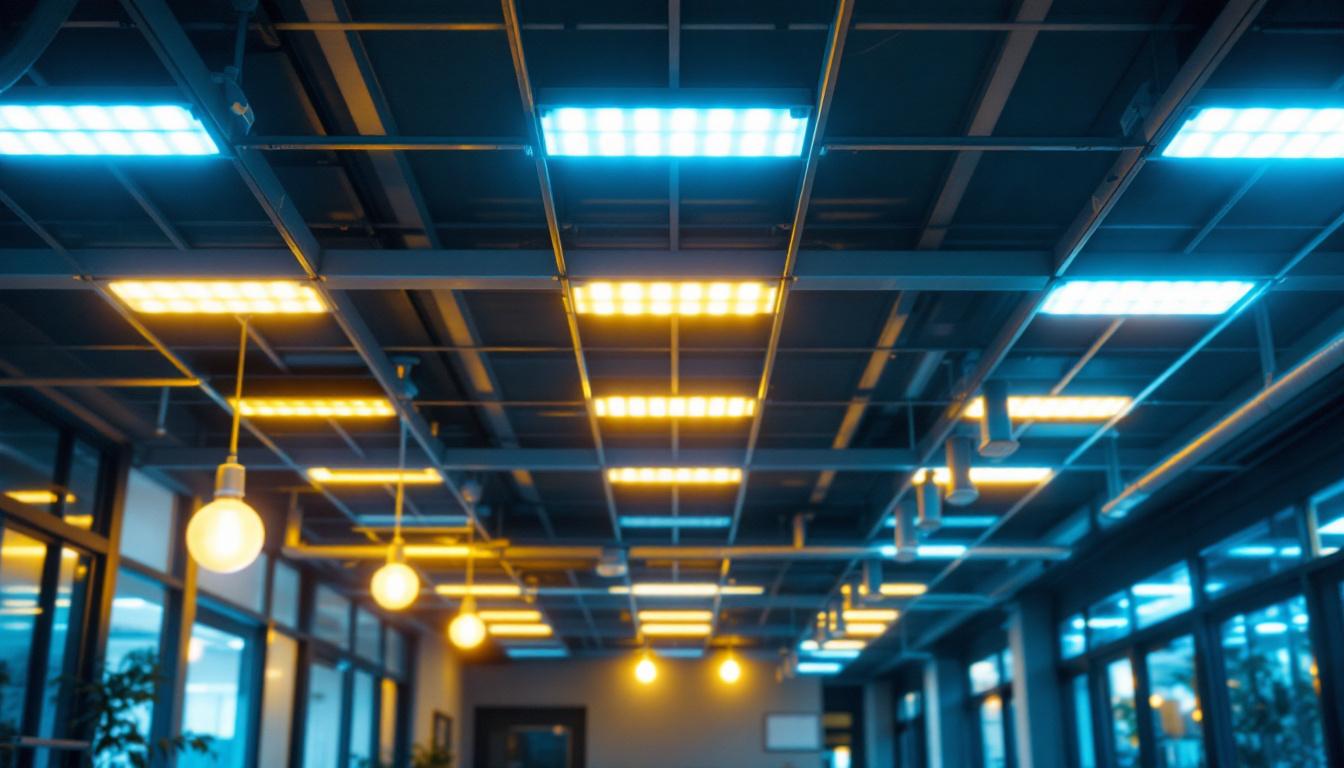
Ceiling grid lights have become a staple in commercial and industrial spaces, providing efficient and versatile lighting solutions. For lighting contractors, understanding the best practices related to ceiling grid lights is essential for ensuring optimal installation, performance, and customer satisfaction. This article delves into the best practices that lighting contractors should adopt when working with ceiling grid lights, covering everything from design considerations to installation techniques and maintenance tips.
Understanding Ceiling Grid Lights
Ceiling grid lights, often referred to as troffers, are designed to fit into a standard ceiling grid system. They are popular in offices, schools, and retail environments due to their ability to provide uniform illumination while being aesthetically pleasing. These fixtures come in various sizes, shapes, and light sources, including LED, fluorescent, and incandescent options. The versatility of troffers allows them to blend seamlessly into different architectural styles, making them a go-to choice for designers and architects alike.
When selecting ceiling grid lights, it is crucial to consider the specific needs of the space. Factors such as ceiling height, room size, and the intended use of the area will influence the choice of fixtures. Additionally, energy efficiency and longevity are significant considerations, particularly with the growing emphasis on sustainability in lighting design. For instance, LED options not only reduce energy consumption but also lower maintenance costs due to their extended lifespan, making them a financially savvy choice for businesses looking to optimize their operational expenses.
Types of Ceiling Grid Lights
There are several types of ceiling grid lights available, each with unique characteristics and advantages. Understanding these types can help contractors make informed decisions when recommending products to clients. Each type of troffer is designed to meet specific lighting needs, ensuring that spaces are both functional and inviting.
- LED Troffers: These are increasingly popular due to their energy efficiency and long lifespan. They provide bright, even illumination and can be dimmed or controlled via smart systems. Many LED troffers also come with customizable color temperatures, allowing users to select a warm or cool light that best suits the environment, enhancing productivity in workplaces or creating a cozy atmosphere in retail settings.
- Fluorescent Troffers: While less common than LED options, fluorescent troffers are still used in many commercial applications. They offer good light output but are less energy-efficient compared to LEDs. However, they can be an economical choice for larger installations where initial costs are a primary concern, making them suitable for budget-conscious projects.
- Incandescent Troffers: These fixtures provide warm light and are often used in spaces where ambiance is crucial. However, they consume more energy and have a shorter lifespan than their LED counterparts. Their soft glow can enhance the aesthetic appeal of a space, making them ideal for restaurants or hospitality venues where creating a welcoming environment is essential.
Design Considerations
Effective lighting design is critical for achieving the desired ambiance and functionality in a space. Lighting contractors should pay close attention to several design considerations when working with ceiling grid lights.
Illumination Levels
Determining the appropriate illumination levels is vital for ensuring that a space is adequately lit. This involves calculating the required foot-candles based on the room’s purpose. For instance, offices may require around 30-50 foot-candles, while retail spaces might need 50-100 foot-candles to highlight products effectively.
Contractors should also consider the color temperature of the lights. Warmer tones (around 2700K-3000K) create a cozy atmosphere, while cooler tones (4000K-5000K) are better suited for task-oriented spaces. Balancing these factors will lead to a well-lit environment that meets the needs of its occupants. Additionally, the use of dimmable fixtures can provide flexibility, allowing users to adjust the brightness according to the time of day or specific activities, further enhancing the overall functionality of the space.
Fixture Layout
The layout of ceiling grid lights can significantly impact the overall effectiveness of the lighting design. A well-planned layout will ensure even light distribution and minimize shadows. Contractors should consider the spacing between fixtures, typically ranging from 4 to 6 feet, depending on the light output and the height of the ceiling.
In some cases, accent lighting may be necessary to highlight specific areas or features within a space. This can be achieved by strategically placing additional fixtures or using adjustable troffers that allow for directional lighting. Moreover, integrating smart lighting controls can enhance the user experience by enabling automated adjustments based on occupancy or natural light levels. This not only improves energy efficiency but also allows for a more dynamic and responsive lighting environment, adapting to the changing needs of the space throughout the day.
Installation Best Practices
Proper installation is crucial for the performance of ceiling grid lights. Lighting contractors should adhere to best practices to ensure a successful installation process.
Pre-Installation Checks
Before beginning installation, contractors should conduct thorough pre-installation checks. This includes verifying that the ceiling grid is level and securely fastened. Any existing wiring should be inspected for damage or wear, and the electrical supply should be tested to ensure it meets the fixture’s requirements.
Additionally, it’s essential to review the manufacturer’s installation instructions for specific guidelines related to the chosen fixtures. Following these instructions can prevent installation errors and ensure compliance with local codes. Furthermore, contractors should assess the overall environment where the lights will be installed. Factors such as ceiling height, room dimensions, and the presence of any obstructions can significantly influence the effectiveness of the lighting design. By taking these elements into account, contractors can optimize light placement for maximum illumination and aesthetic appeal.
Wiring and Connections
When wiring ceiling grid lights, safety should always be the top priority. Contractors must ensure that power is turned off at the circuit breaker before beginning any electrical work. Proper wire connections should be made using appropriate connectors, and all wiring should be neatly organized to prevent interference with the fixture installation.
It is also advisable to use wire nuts or other secure methods to connect wires, ensuring that there are no exposed conductors. This not only enhances safety but also contributes to the longevity of the installation. Additionally, contractors should consider the use of conduit or raceways for wiring, especially in commercial settings where aesthetics and safety are paramount. Using these protective measures can help prevent wear and tear on wiring, shielding it from potential damage caused by environmental factors or physical contact. Moreover, planning for future maintenance by labeling circuits and connections can save time and effort down the line, making troubleshooting and upgrades more efficient.
Maintenance and Troubleshooting
Regular maintenance is essential for ensuring the longevity and performance of ceiling grid lights. Contractors should educate clients on proper maintenance practices and be prepared to troubleshoot common issues that may arise.
Routine Maintenance
Routine maintenance tasks include cleaning the fixtures to remove dust and debris that can accumulate over time. This is particularly important for LED fixtures, as dirt can significantly reduce their light output. Contractors should recommend a cleaning schedule based on the environment, with more frequent cleanings in dusty or high-traffic areas.
Additionally, contractors should advise clients to regularly check for flickering lights or dimming, as these can be signs of underlying electrical issues. Prompt attention to these problems can prevent more significant issues down the line.
Troubleshooting Common Issues
Lighting contractors should be prepared to troubleshoot common issues that may arise with ceiling grid lights. Flickering lights can often be attributed to loose connections or faulty ballasts, particularly in fluorescent fixtures. In LED installations, flickering may indicate compatibility issues with dimmers or other controls.
In cases where a fixture fails to light, contractors should first check the power supply and ensure that the circuit breaker has not tripped. If the power supply is intact, the issue may lie with the fixture itself, requiring further inspection or replacement.
Energy Efficiency and Sustainability
As energy efficiency becomes increasingly important in lighting design, contractors must emphasize sustainable practices when working with ceiling grid lights. This not only benefits the environment but can also lead to significant cost savings for clients.
Choosing Energy-Efficient Fixtures
When selecting ceiling grid lights, contractors should prioritize energy-efficient options, such as LED fixtures. These not only consume less energy but also have a longer lifespan, reducing the need for frequent replacements. Educating clients about the benefits of energy-efficient lighting can help them make informed decisions that align with their sustainability goals.
Additionally, contractors should consider incorporating smart lighting controls, such as occupancy sensors and dimmers, which can further enhance energy savings by ensuring that lights are only used when needed.
Recycling and Disposal
Proper disposal of old lighting fixtures is another crucial aspect of sustainability. Contractors should be aware of local regulations regarding the disposal of fluorescent bulbs, which contain hazardous materials. Encouraging clients to recycle old fixtures and bulbs can contribute to a more sustainable approach to lighting.
Many manufacturers offer recycling programs, and contractors can facilitate this process by providing information and resources to clients. This not only helps the environment but also positions contractors as responsible and knowledgeable professionals in the industry.
Conclusion
Ceiling grid lights are an essential component of modern lighting design, particularly in commercial settings. By adhering to best practices in design, installation, and maintenance, lighting contractors can ensure that their projects meet the highest standards of quality and efficiency.
From understanding the various types of ceiling grid lights to implementing energy-efficient solutions, the knowledge and expertise of lighting contractors play a pivotal role in the success of any lighting project. By staying informed about the latest trends and technologies, contractors can continue to provide exceptional service and value to their clients.
Ultimately, the commitment to best practices in ceiling grid lighting will not only enhance the functionality and aesthetics of a space but also contribute to a more sustainable future in the lighting industry.
Illuminate Your Projects with LumenWholesale
Ready to elevate your lighting projects with the best in ceiling grid lights? At LumenWholesale, we offer a vast array of spec-grade lighting solutions that meet your exacting standards. Say goodbye to inflated markups and hello to superior quality at wholesale prices. With our commitment to hassle-free bulk buying and free shipping, you can trust that you’re getting premium lighting at the best value — every time. Don’t compromise on quality or cost. Visit LumenWholesale today and experience the ultimate in affordability, convenience, and top-tier lighting for your next project.