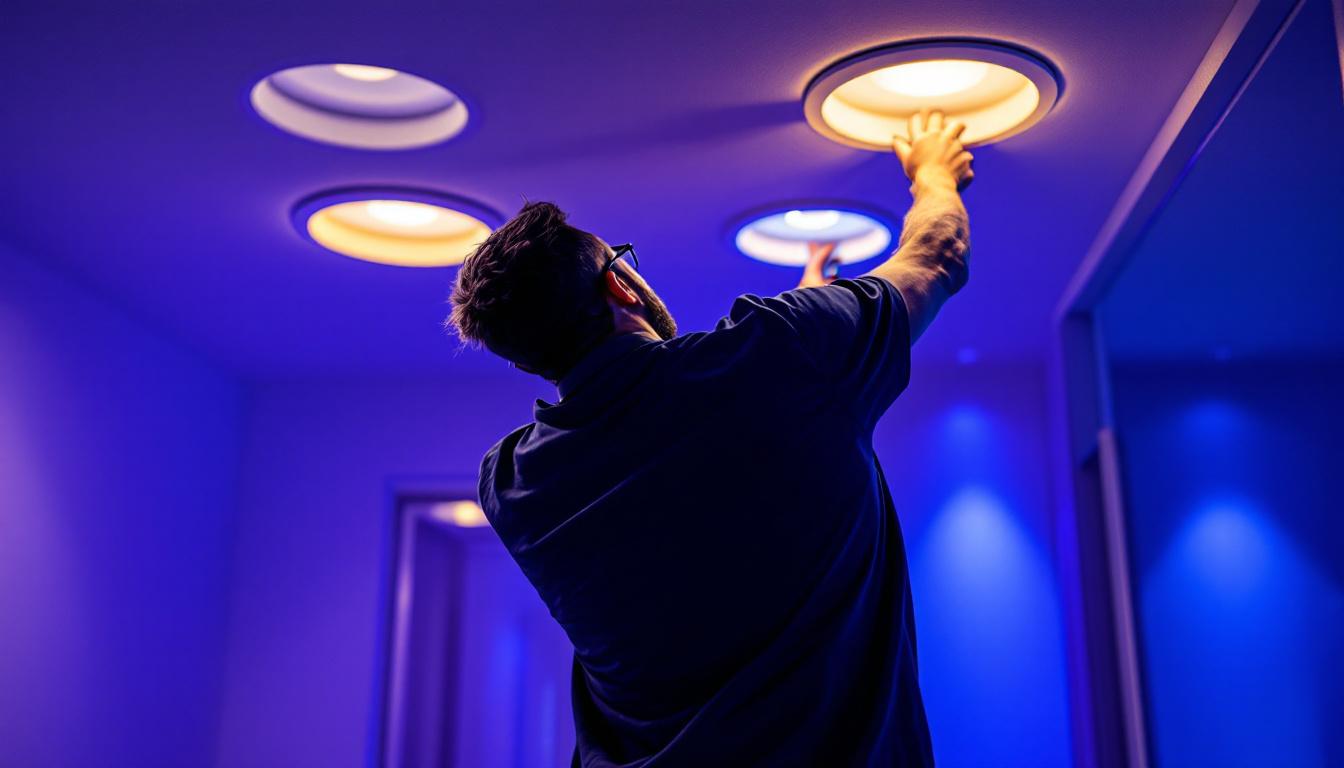
Recessed LED can lights have become a staple in modern lighting design, offering a sleek, unobtrusive way to illuminate spaces. For lighting contractors, understanding the best practices for installing and utilizing these fixtures is essential to delivering high-quality results that meet client expectations. This article delves into the best practices that lighting contractors should follow when working with recessed LED can lights.
Understanding Recessed LED Can Lights
Recessed LED can lights, also known as pot lights or downlights, are fixtures that are installed into a hollow opening in the ceiling. They provide ambient lighting and can be used to highlight specific areas or features within a room. The benefits of using LED technology in these fixtures include energy efficiency, longer lifespan, and reduced heat output compared to traditional incandescent bulbs. This makes them an ideal choice for both residential and commercial applications, as they not only enhance the aesthetic appeal of a space but also contribute to significant energy savings over time.
In addition to their functional benefits, recessed LED can lights can also be a key design element in modern interiors. With a variety of trim styles and finishes available, they can seamlessly blend into any decor, from minimalist to industrial chic. Their ability to be strategically placed allows homeowners and designers to create layered lighting effects, enhancing the overall atmosphere of a room. Moreover, with advancements in LED technology, these fixtures can now offer features such as color-changing capabilities and smart home integration, allowing users to customize their lighting experience according to their mood or activity.
Types of Recessed LED Can Lights
There are several types of recessed LED can lights available, each designed for different applications. The most common types include:
- New Construction Can Lights: These are designed for installation in new buildings or during significant renovations. They come with adjustable brackets that allow for easy installation in ceilings.
- Retrofit Can Lights: Ideal for existing structures, these fixtures can be installed in existing housings without the need for extensive renovations. They are a popular choice for upgrading older lighting systems.
- Shallow Can Lights: Perfect for spaces with limited ceiling height, shallow can lights offer a compact design while still providing effective illumination.
Additionally, there are specialized recessed LED can lights designed for specific purposes, such as wet-rated fixtures for bathrooms or outdoor areas, and adjustable or gimbal lights that allow for directional lighting. This versatility makes recessed LED can lights suitable for a wide range of applications, from illuminating artwork in a gallery to providing general lighting in a cozy living room. The ability to customize the lighting in various settings enhances functionality while maintaining a clean and unobtrusive look.
Key Features to Consider
When selecting recessed LED can lights, contractors should consider several key features:
- Wattage and Lumens: Understanding the wattage and lumens output is crucial for achieving the desired brightness and energy efficiency.
- Color Temperature: The color temperature of the LED can significantly affect the ambiance of a space. Options typically range from warm white (2700K) to cool white (5000K).
- Dimming Capability: Many clients prefer dimmable options for added versatility. Ensuring compatibility with dimmer switches is essential for optimal performance.
Another important consideration is the beam angle of the recessed lights, which determines how wide or narrow the light spread will be. A wider beam angle is ideal for general lighting, while a narrower angle can be used to highlight specific features or areas. Additionally, the installation method and the type of housing required can also impact the overall effectiveness and appearance of the lighting. It is essential for contractors to assess the specific needs of the space and the preferences of the client to select the most suitable recessed LED can lights for their project.
Installation Best Practices
Proper installation of recessed LED can lights is critical to ensuring optimal performance and longevity. Here are some best practices that contractors should follow:
Planning the Layout
Before installation, careful planning of the lighting layout is essential. Consider the following:
- Spacing: A general rule of thumb is to space the lights approximately 4 to 6 feet apart, depending on the ceiling height and the desired brightness.
- Placement: Avoid placing lights directly above furniture or in areas where they may create harsh shadows. Instead, focus on illuminating key areas and features.
- Room Function: Different rooms may require different lighting strategies. For instance, kitchens may benefit from brighter lighting, while living rooms may require softer illumination.
Electrical Considerations
Electrical safety is paramount during installation. Contractors should adhere to local codes and regulations, which may include:
- Using the Correct Gauge Wire: Ensure that the wire gauge is appropriate for the circuit to prevent overheating and potential fire hazards.
- Grounding: Proper grounding of fixtures is essential to prevent electrical shocks and ensure safety.
- Load Calculation: Calculate the total load on the circuit to avoid overloading and tripping breakers.
Testing and Adjustments
After installation, testing the fixtures is crucial. Here are steps to ensure everything is functioning correctly:
- Check Connections: Ensure all electrical connections are secure and properly insulated.
- Test Dimming Functionality: If dimmable lights are installed, test the dimmer switch to ensure smooth operation across the full range.
- Adjust Angles: If using adjustable can lights, take the time to angle them correctly to achieve the desired lighting effect.
Maintenance Tips for Longevity
To ensure the longevity and performance of recessed LED can lights, regular maintenance is necessary. Here are some tips for contractors to share with their clients:
Cleaning the Fixtures
Dust and dirt can accumulate on the fixtures over time, affecting their performance. Regular cleaning can help maintain optimal brightness:
- Use a Soft Cloth: Gently wipe the exterior of the fixtures with a soft, dry cloth to remove dust.
- Avoid Harsh Chemicals: Steer clear of abrasive cleaners or harsh chemicals that could damage the finish.
Inspecting Electrical Components
Encourage clients to periodically inspect the electrical components of their recessed lighting systems. Look for:
- Signs of Wear: Check for frayed wires or loose connections that may pose safety hazards.
- Flickering Lights: If lights flicker, it may indicate a problem with the fixture or the electrical supply.
Upgrading Technology
As technology advances, consider recommending upgrades to clients. For instance, newer models may offer improved energy efficiency or enhanced features such as smart home integration. Staying informed about the latest trends can help contractors provide valuable advice to their clients.
Common Mistakes to Avoid
Even experienced contractors can make mistakes when installing recessed LED can lights. Here are some common pitfalls to avoid:
Improper Sizing
Choosing the wrong size can light can lead to inadequate illumination or an unappealing aesthetic. Ensure that the selected fixtures are appropriate for the space and the desired lighting effect.
Neglecting Insulation
Failing to consider insulation can lead to energy loss and potential fire hazards. Use IC-rated fixtures in insulated ceilings to ensure safety and efficiency.
Overlooking Local Codes
Each locality may have specific codes and regulations regarding electrical installations. Familiarity with these codes is essential for compliance and safety.
Design Considerations
Recessed LED can lights can significantly influence the overall design of a space. Here are some design considerations for contractors to keep in mind:
Creating Layers of Light
Using recessed lighting in conjunction with other lighting types can create a layered effect. Consider combining recessed lights with:
- Task Lighting: Use under-cabinet lighting in kitchens or desk lamps in offices to provide focused illumination.
- Accent Lighting: Highlight artwork or architectural features with adjustable recessed fixtures.
Enhancing Architectural Features
Recessed lighting can be used to enhance architectural elements within a space. For example:
- Highlighting Ceilings: Use recessed lights to draw attention to unique ceiling designs or textures.
- Wall Washing: Position fixtures to wash light over walls, creating a sense of depth and dimension.
Color and Finish
The color and finish of recessed fixtures can impact the overall aesthetic. Contractors should consider:
- Matching Decor: Choose finishes that complement the room’s decor, whether it’s modern, traditional, or industrial.
- Color Temperature: Select the appropriate color temperature to create the desired ambiance, whether warm and cozy or bright and energizing.
Client Communication and Education
Effective communication with clients is vital for successful project outcomes. Here are some strategies for educating clients about recessed LED can lights:
Setting Expectations
Clearly communicate the benefits and limitations of recessed lighting. Discuss factors such as:
- Brightness Levels: Help clients understand how the number and placement of fixtures will affect overall brightness.
- Installation Timeline: Provide a realistic timeline for installation, including any potential delays due to inspections or permits.
Providing Maintenance Guidance
Educate clients on how to maintain their recessed lighting systems. Offer tips on:
- Cleaning: Share best practices for keeping fixtures clean and free from dust.
- Monitoring Performance: Encourage clients to report any flickering or issues promptly to avoid more significant problems.
Offering Upgrade Options
As technology evolves, clients may be interested in upgrading their lighting systems. Stay informed about new products and features, and offer recommendations based on their needs and preferences.
Conclusion
Recessed LED can lights offer a versatile and modern solution for illuminating spaces. By following best practices in installation, maintenance, and design, lighting contractors can ensure client satisfaction and enhance the overall quality of their work. Staying informed about the latest trends and technologies will not only improve project outcomes but also position contractors as trusted experts in the field. Ultimately, the goal is to create beautifully lit spaces that meet the functional and aesthetic needs of clients, ensuring a lasting impact in every project.
Illuminate Your Projects with LumenWholesale
Ready to elevate your lighting installations with the best in recessed LED can lights? Look no further than LumenWholesale, where we provide contractors with exceptional, spec-grade lighting products at unbeatable wholesale prices. Say goodbye to local distributor markups and hello to our extensive selection that meets the highest industry standards. With LumenWholesale, you can count on reliable, high-performance lighting that enhances every space, backed by the convenience of bulk buying and free shipping. Don’t compromise on quality or value. Discover wholesale lighting at the best value today and light up your projects with confidence.