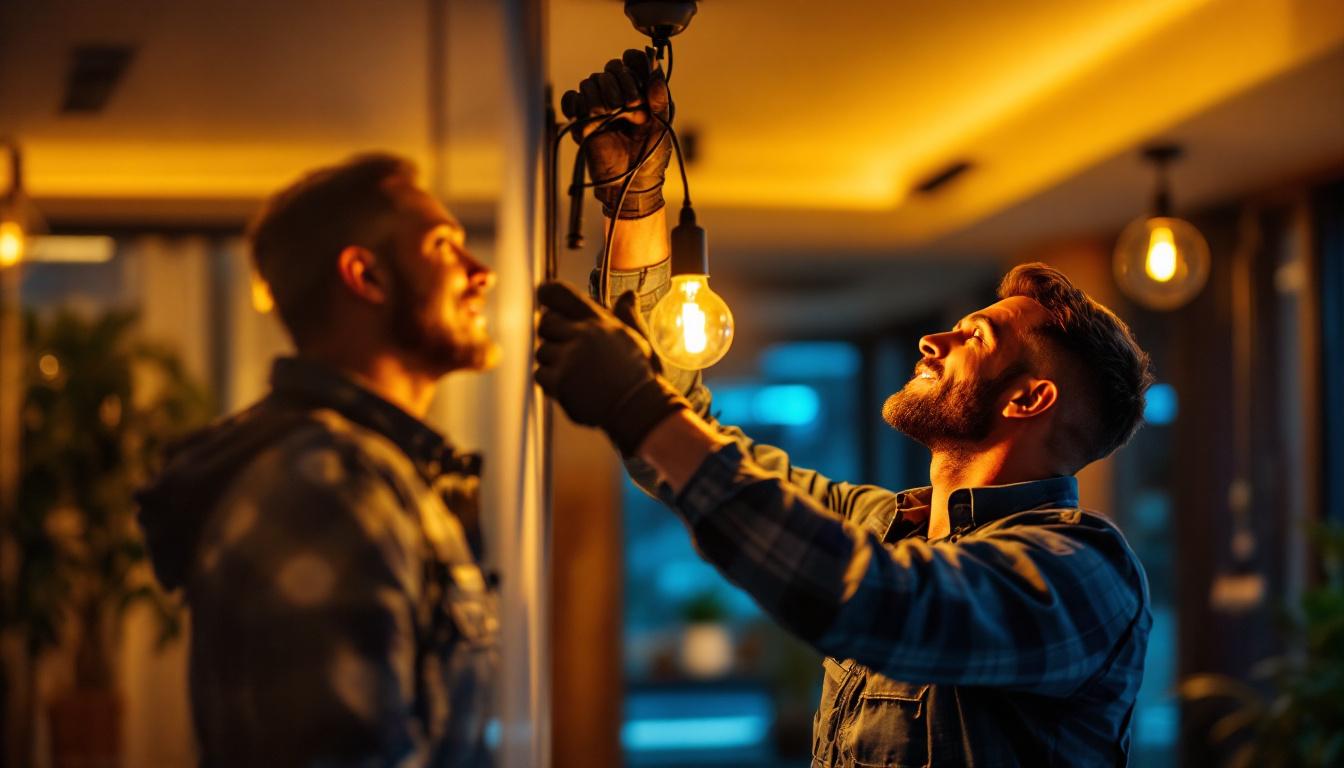
Lighting contractors play a pivotal role in the design and implementation of lighting systems, ensuring that spaces are both functional and aesthetically pleasing. One of the most critical aspects of this work involves understanding the intricacies of cable management. This article delves into essential insights that can enhance the efficiency and effectiveness of lighting contractors in their projects.
The Importance of Cable Management
Effective cable management is not just about aesthetics; it is a fundamental component of electrical safety and system performance. Poorly managed cables can lead to a host of issues, including electrical hazards, signal interference, and increased maintenance costs. For lighting contractors, mastering cable management techniques can significantly improve project outcomes.
Safety First
Safety should always be the top priority for lighting contractors. Proper cable management minimizes the risk of electrical fires, short circuits, and other hazards. Ensuring that cables are correctly routed and secured can prevent accidental damage and reduce the likelihood of accidents on the job site.
Furthermore, adhering to local electrical codes and standards is crucial. Familiarizing oneself with these regulations not only promotes safety but also enhances the contractor’s reputation and reliability in the eyes of clients. Regular training and updates on safety protocols can empower contractors to stay ahead of potential risks, fostering a culture of safety that resonates throughout the entire team.
Enhancing Aesthetics
Cable management also plays a significant role in the visual appeal of a lighting installation. Neatly organized cables contribute to a clean and professional look, which can be a selling point for clients. Utilizing cable conduits, raceways, and clips can help achieve a polished finish that complements the overall design of the space.
In commercial settings, where first impressions matter, a well-organized cable system can set a project apart from competitors. Lighting contractors should consider the aesthetic implications of their cable management strategies as part of the overall design process. Additionally, incorporating color-coded cables or using transparent conduits can enhance both functionality and style, allowing for easier identification and troubleshooting in the future. This attention to detail not only elevates the installation but also reflects the contractor’s commitment to quality and professionalism.
Choosing the Right Cables
The selection of cables is another crucial aspect that lighting contractors must consider. Different types of cables serve various purposes, and understanding their specifications can lead to better performance and longevity of the lighting systems.
Types of Cables
Lighting contractors typically encounter several types of cables, including low-voltage, high-voltage, and control cables. Low-voltage cables are often used for LED lighting systems, while high-voltage cables are essential for traditional lighting fixtures. Control cables, on the other hand, are used for dimmers and smart lighting systems.
Each type of cable has its own set of characteristics, such as insulation type, gauge, and flexibility. Contractors must assess the specific requirements of a project to choose the most suitable cables, ensuring optimal performance and safety. For instance, low-voltage cables often feature thicker insulation to prevent energy loss, while high-voltage cables require robust materials to handle the increased electrical load. Understanding these nuances can significantly impact the efficiency and effectiveness of the lighting installation.
Understanding Cable Ratings
It is vital for lighting contractors to understand the ratings associated with different cables. These ratings indicate the maximum voltage and current a cable can safely handle. Using cables that do not meet the required ratings can lead to overheating, reduced efficiency, and potential system failures.
Additionally, contractors should be aware of environmental ratings, such as whether a cable is suitable for indoor or outdoor use. This knowledge helps in selecting cables that can withstand various conditions, ensuring durability and reliability in the long run. For example, outdoor-rated cables often come with UV-resistant coatings and are designed to endure moisture exposure, making them ideal for landscape lighting or exterior installations. Furthermore, the temperature rating of a cable is also crucial, as extreme temperatures can affect performance and longevity, necessitating careful consideration in environments with fluctuating conditions.
Moreover, it is essential for contractors to keep abreast of industry standards and regulations that govern cable usage. Compliance with these standards not only ensures safety but also enhances the credibility of the contractor’s work. Familiarity with standards such as the National Electrical Code (NEC) can help contractors avoid potential legal issues and ensure that installations meet the highest safety benchmarks. Regular training and updates on these regulations can empower contractors to make informed decisions when selecting cables for their projects.
Installation Best Practices
Once the right cables have been selected, the next step involves proper installation. Adhering to best practices during installation can prevent future issues and enhance the overall quality of the lighting system.
Planning the Layout
Before installation begins, it is essential to plan the cable layout meticulously. This involves determining the most efficient routing for the cables, taking into account factors such as accessibility, aesthetics, and safety. A well-thought-out layout can simplify future maintenance and troubleshooting.
Using cable management tools, such as cable ties and conduits, can help keep cables organized and prevent tangling. This not only improves the installation process but also makes it easier to identify and address issues that may arise later.
Securing Cables Properly
Securing cables is a critical step in the installation process. Loose cables can pose safety hazards and lead to damage over time. Contractors should use appropriate fasteners and supports to secure cables along walls, ceilings, and floors, ensuring they are protected from physical damage.
Additionally, it is important to avoid sharp bends and kinks in the cables, as these can compromise their integrity. Following manufacturer guidelines for bending radius can help maintain the cables’ performance and longevity.
Maintenance and Troubleshooting
Even with proper installation, lighting systems may require maintenance and troubleshooting over time. Understanding how to address common issues can save contractors time and money while ensuring client satisfaction.
Regular Inspections
Conducting regular inspections of the lighting system is crucial for identifying potential issues before they escalate. This includes checking for signs of wear and tear on cables, loose connections, and any signs of overheating. Early detection can prevent costly repairs and downtime.
Creating a maintenance schedule can help contractors stay organized and ensure that all systems are regularly assessed. This proactive approach not only enhances system reliability but also builds trust with clients, who appreciate contractors that prioritize ongoing support.
Troubleshooting Techniques
When issues do arise, having effective troubleshooting techniques can make all the difference. Contractors should be familiar with common problems, such as flickering lights or dead circuits, and know how to diagnose them quickly.
Using tools like multimeters and cable testers can help identify electrical faults, while visual inspections can reveal physical damage. Understanding the system’s wiring and layout can also aid in pinpointing the source of the problem, allowing for swift resolution.
Emerging Technologies in Lighting
The lighting industry is constantly evolving, with new technologies emerging that can enhance the capabilities of lighting contractors. Staying informed about these advancements can provide a competitive edge and improve project outcomes.
Smart Lighting Systems
Smart lighting systems are becoming increasingly popular, offering features such as remote control, automation, and energy efficiency. Lighting contractors should familiarize themselves with the various smart technologies available, including smart bulbs, sensors, and control systems.
Integrating smart lighting into projects can provide clients with added convenience and flexibility, allowing them to customize their lighting experience. Understanding how to install and configure these systems is essential for contractors looking to stay relevant in a rapidly changing market.
Energy Efficiency and Sustainability
As sustainability becomes a priority for many clients, lighting contractors must be prepared to offer energy-efficient solutions. This includes selecting LED fixtures, utilizing daylight harvesting techniques, and implementing smart controls to optimize energy usage.
Staying informed about energy efficiency standards and incentives can help contractors provide valuable recommendations to clients, positioning themselves as experts in sustainable lighting solutions.
Building Client Relationships
In the competitive landscape of lighting contracting, building strong relationships with clients is crucial. Effective communication and understanding client needs can lead to successful projects and repeat business.
Understanding Client Needs
Every client has unique requirements and preferences when it comes to lighting design. Taking the time to understand these needs can help contractors tailor their solutions accordingly. This may involve conducting thorough consultations and asking targeted questions to uncover the client’s vision.
Additionally, providing clients with options and explaining the benefits of different lighting solutions can empower them to make informed decisions. A collaborative approach fosters trust and ensures that the final outcome aligns with the client’s expectations.
Post-Project Support
After a project is completed, offering post-project support can further strengthen client relationships. This may include follow-up visits, maintenance services, or assistance with troubleshooting any issues that arise.
Clients appreciate contractors who are willing to stand by their work and provide ongoing support. This commitment to service can lead to positive referrals and long-term partnerships, ultimately contributing to the contractor’s success.
Conclusion
Mastering cable management is a vital skill for lighting contractors, influencing both the safety and aesthetics of lighting installations. By understanding the importance of cable selection, installation best practices, and emerging technologies, contractors can enhance their expertise and deliver exceptional results for their clients.
Moreover, building strong client relationships through effective communication and post-project support can lead to lasting success in the competitive lighting industry. By embracing these insights, lighting contractors can position themselves as leaders in their field, ready to tackle the challenges and opportunities that lie ahead.
Get Your Premium Lighting Supplies at LumenWholesale
Ready to elevate your lighting projects with superior cable management and the finest lighting products? Look no further than LumenWholesale for all your needs. We provide contractors with high-quality, spec-grade lighting products at the most competitive wholesale prices. Our commitment to cutting out the middleman means you enjoy top-tier lighting solutions without the extra cost. With our wide selection adhering to the highest industry standards, free shipping on bulk orders, and no hidden fees, you can trust LumenWholesale to be your partner in achieving exceptional results. Make the smart choice for your business and choose LumenWholesale for Wholesale Lighting at the Best Value.