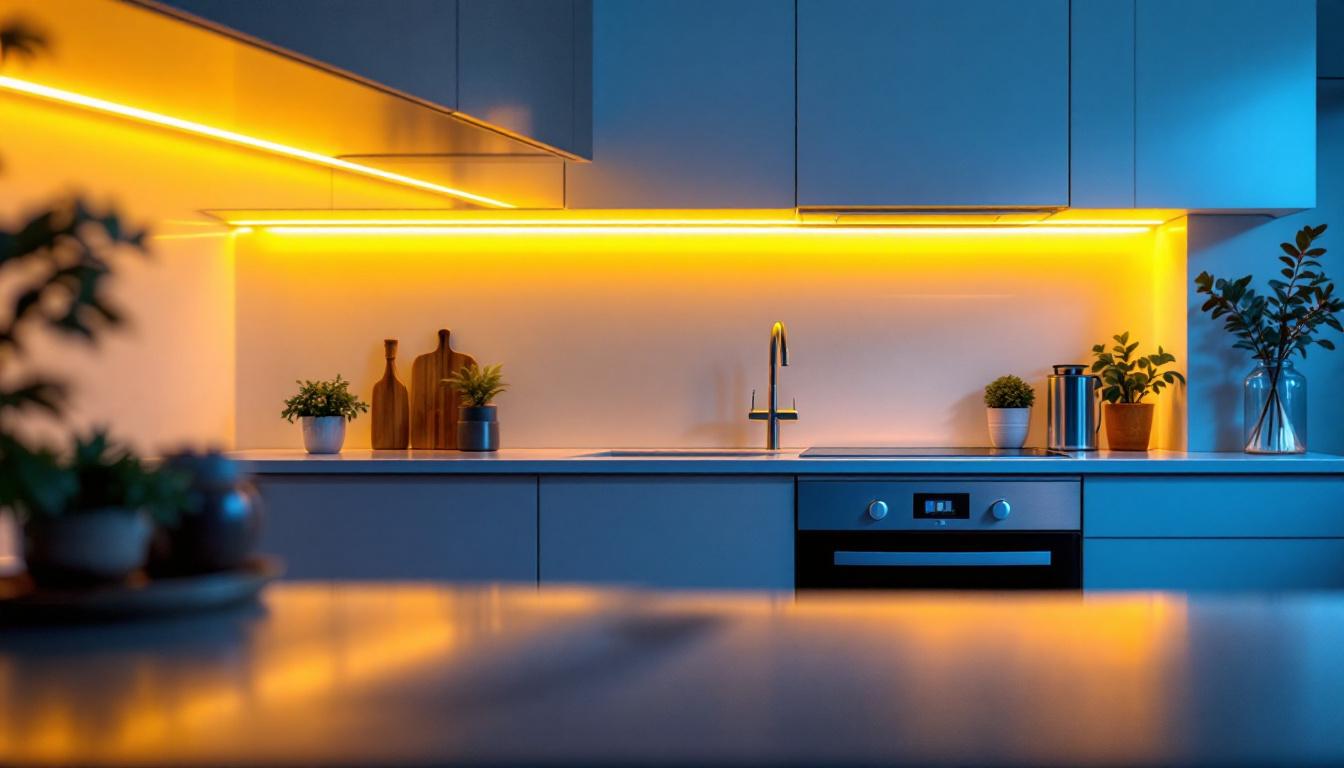
As the demand for efficient and aesthetically pleasing lighting solutions continues to rise, under cabinet lighting has become a popular choice among homeowners and businesses alike. For lighting contractors, understanding the nuances of 12V under cabinet lighting is essential for delivering exceptional results. This article serves as a comprehensive checklist to guide contractors through the installation and planning process, ensuring that every project is executed with precision and professionalism.
Understanding 12V Under Cabinet Lighting
12V under cabinet lighting systems are designed to provide focused illumination in areas such as kitchens, workspaces, and display cabinets. Unlike traditional 120V systems, 12V lighting operates at a lower voltage, which can enhance safety and reduce energy consumption. This section will explore the advantages and considerations of using 12V systems in various applications.
Benefits of 12V Systems
One of the primary advantages of 12V under cabinet lighting is its versatility. These systems can be easily integrated into different types of cabinetry and can accommodate a variety of lighting fixtures, including LED strips, puck lights, and linear fixtures. Additionally, the lower voltage reduces the risk of electrical hazards, making it a safer option for residential and commercial installations.
Energy efficiency is another significant benefit. 12V LED lights consume less power compared to their 120V counterparts, leading to lower energy bills and a reduced carbon footprint. This can be a compelling selling point for clients who are environmentally conscious or looking to save on utility costs. Furthermore, many 12V LED options offer a longer lifespan than traditional bulbs, meaning less frequent replacements and less waste over time, which is an attractive feature for sustainable living advocates.
Installation Considerations
While 12V systems offer numerous benefits, there are specific installation considerations that lighting contractors must keep in mind. The first step is to ensure that the appropriate transformer is selected, as this will convert the standard voltage to 12V. The transformer must be capable of handling the total wattage of the fixtures being used. It’s advisable to choose a transformer with a slightly higher capacity than the total wattage to accommodate any future expansions or additional fixtures.
Additionally, proper wiring is crucial. Contractors should use appropriate gauge wire to ensure that the system operates efficiently and safely. It’s also important to plan the layout carefully to avoid voltage drop, which can lead to uneven lighting and reduced performance. In some cases, it may be beneficial to use multiple runs of wire to distribute the load evenly across the system. Moreover, considering the placement of dimmers or smart controls can enhance the functionality of the lighting, allowing users to adjust brightness levels according to their needs and preferences, thus adding a layer of convenience and customization to the overall lighting design.
Planning the Installation
Effective planning is key to a successful under cabinet lighting installation. This involves assessing the space, determining the lighting needs, and selecting the right fixtures. A well-thought-out plan will not only enhance the functionality of the space but also improve the overall aesthetic appeal.
Assessing the Space
Before any installation begins, contractors should conduct a thorough assessment of the space. This includes measuring the dimensions of the cabinets, evaluating the existing electrical infrastructure, and identifying any potential obstacles such as plumbing or ductwork. Understanding the layout will help in determining the best placement for the lighting fixtures.
Moreover, it’s essential to consider the intended use of the space. For example, kitchens may require brighter lighting for food preparation, while living areas may benefit from softer, ambient lighting. Tailoring the lighting design to the specific needs of the space will enhance both functionality and comfort. Additionally, it’s beneficial to think about the time of day the space is most used. If evening cooking is common, warmer tones can create a cozy atmosphere, while cooler tones can invigorate the space during morning hours.
Choosing the Right Fixtures
The selection of fixtures plays a vital role in the overall effectiveness of the lighting system. When choosing 12V under cabinet lights, contractors should consider factors such as brightness, color temperature, and design. LED fixtures are often preferred due to their longevity and energy efficiency.
Contractors should also take into account the aesthetic preferences of the client. Different styles and finishes are available, allowing for customization that complements the existing décor. Whether opting for sleek, modern fixtures or more traditional designs, the right choice can significantly impact the final look of the installation. Additionally, it’s worthwhile to explore dimmable options, which provide flexibility in adjusting the light intensity based on the time of day or activity, further enhancing the user experience. Incorporating smart technology can also elevate the functionality of the lighting system, allowing users to control the ambiance with ease through mobile apps or voice commands.
Installation Process
Once the planning phase is complete, the actual installation can begin. This section outlines the essential steps that lighting contractors should follow to ensure a seamless installation process.
Preparing the Workspace
Before starting the installation, it’s crucial to prepare the workspace. This includes clearing the area of any obstacles and ensuring that all necessary tools and materials are readily available. Safety should be a top priority, so contractors should wear appropriate personal protective equipment and ensure that the power is turned off before beginning any electrical work.
Additionally, having a clean and organized workspace can improve efficiency and minimize the risk of errors. Taking the time to prepare adequately can make a significant difference in the overall quality of the installation. It’s also beneficial to create a checklist of all tools and materials needed for the job, which can help prevent unnecessary delays. Furthermore, contractors should communicate with other team members about the layout and any potential hazards in the area to foster a collaborative and safe working environment.
Installing the Fixtures
With the workspace prepared, contractors can begin installing the fixtures. This typically involves mounting the fixtures to the underside of the cabinets using screws or adhesive, depending on the design of the fixture. It’s essential to follow the manufacturer’s instructions closely to ensure proper installation and functionality.
Wiring the fixtures correctly is another critical step. Contractors should connect the fixtures to the transformer, ensuring that all connections are secure and insulated. Testing the system before finalizing the installation can help identify any issues early on, allowing for prompt resolution. Moreover, it’s advisable to check the voltage and current ratings to ensure compatibility with the fixtures being installed. This not only enhances performance but also extends the lifespan of the lighting system. As a final touch, contractors should consider the positioning of the fixtures to maximize light distribution and avoid any potential glare, which can detract from the overall aesthetic and functionality of the space.
Post-Installation Considerations
After the installation is complete, there are several post-installation considerations that contractors should address. This includes testing the system, educating the client on maintenance, and ensuring that all safety standards are met.
Testing the System
Once the installation is finished, it’s essential to test the lighting system thoroughly. This involves turning on the lights to ensure that all fixtures are functioning correctly and that the desired brightness and color temperature are achieved. Any flickering or dimming should be addressed immediately, as it may indicate wiring issues or insufficient power supply.
Contractors should also check for any hot spots or areas that may require additional lighting. Adjustments can often be made at this stage to enhance the overall effectiveness of the system.
Client Education
Educating the client about the new lighting system is a crucial step in the post-installation process. Contractors should provide guidance on how to operate the system, including any dimming features or smart controls that may be included. Additionally, discussing maintenance practices, such as cleaning the fixtures and replacing bulbs, can help ensure the longevity of the installation.
Providing clients with a user manual or written instructions can be beneficial, allowing them to refer back to the information as needed. This not only enhances the client’s experience but also fosters trust and professionalism.
Common Challenges and Solutions
Even with careful planning and execution, challenges can arise during the installation of 12V under cabinet lighting. Being prepared for these common issues can help contractors navigate obstacles effectively.
Voltage Drop Issues
One of the most common challenges in 12V lighting installations is voltage drop, which can lead to uneven lighting and reduced fixture performance. This issue often arises when the distance between the transformer and the fixtures is too great or when inadequate wire gauge is used.
To mitigate voltage drop, contractors should calculate the total wattage of the fixtures and choose the appropriate wire gauge based on the distance from the transformer. In some cases, using a larger gauge wire or installing additional transformers may be necessary to ensure consistent performance.
Fixture Compatibility
Another challenge that contractors may encounter is fixture compatibility. Not all fixtures are designed to work with every transformer, and mismatched components can lead to performance issues or even damage. To avoid this, contractors should verify compatibility before purchasing fixtures and transformers.
Staying informed about the latest products and technologies in the lighting industry can help contractors make informed decisions and select components that work seamlessly together.
Conclusion
12V under cabinet lighting presents a unique opportunity for lighting contractors to enhance the functionality and aesthetics of various spaces. By following this comprehensive checklist, contractors can ensure that their installations are executed with precision and professionalism. From understanding the benefits of 12V systems to navigating common challenges, being well-prepared is key to delivering exceptional results.
Ultimately, the goal is to create lighting solutions that not only meet the technical requirements but also exceed client expectations. With careful planning, attention to detail, and a commitment to quality, lighting contractors can successfully harness the power of 12V under cabinet lighting to transform spaces and elevate the overall experience for their clients.
Get Your Premium 12V Under Cabinet Lighting at LumenWholesale
Ready to elevate your lighting installations with the efficiency and elegance of 12V under cabinet lighting? Look no further than LumenWholesale for all your lighting needs. Our extensive selection of spec-grade lighting products ensures you have access to the highest quality options for your projects, all at unbeatable wholesale prices. Say goodbye to local distributor markups and hello to hassle-free bulk buying with free shipping. Don’t compromise on quality or value—choose LumenWholesale for the perfect blend of affordability and performance. Wholesale Lighting at the Best Value is just a click away. Transform your spaces with confidence and support from LumenWholesale today.