5000K Vs 3000K: How It Affects Lighting Contractors’ Bottom Line
In the world of lighting, color temperature plays a crucial role in determining the ambiance and functionality of a space. For lighting contractors, understanding the differences between 5000K and 3000K lighting can significantly impact project outcomes and ultimately, the bottom line. This article delves into the characteristics of these two color temperatures, their applications, and how they can affect a contractor’s profitability.
Understanding Color Temperature
Color temperature is measured in Kelvin (K) and describes the hue of a specific light source. The scale typically ranges from 1000K to 10000K, with lower values indicating warmer, yellowish light and higher values representing cooler, bluish light. The two temperatures in question—3000K and 5000K—are commonly used in various applications, each offering distinct advantages and drawbacks.
The Basics of 3000K Lighting
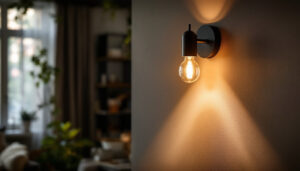
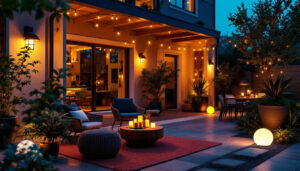
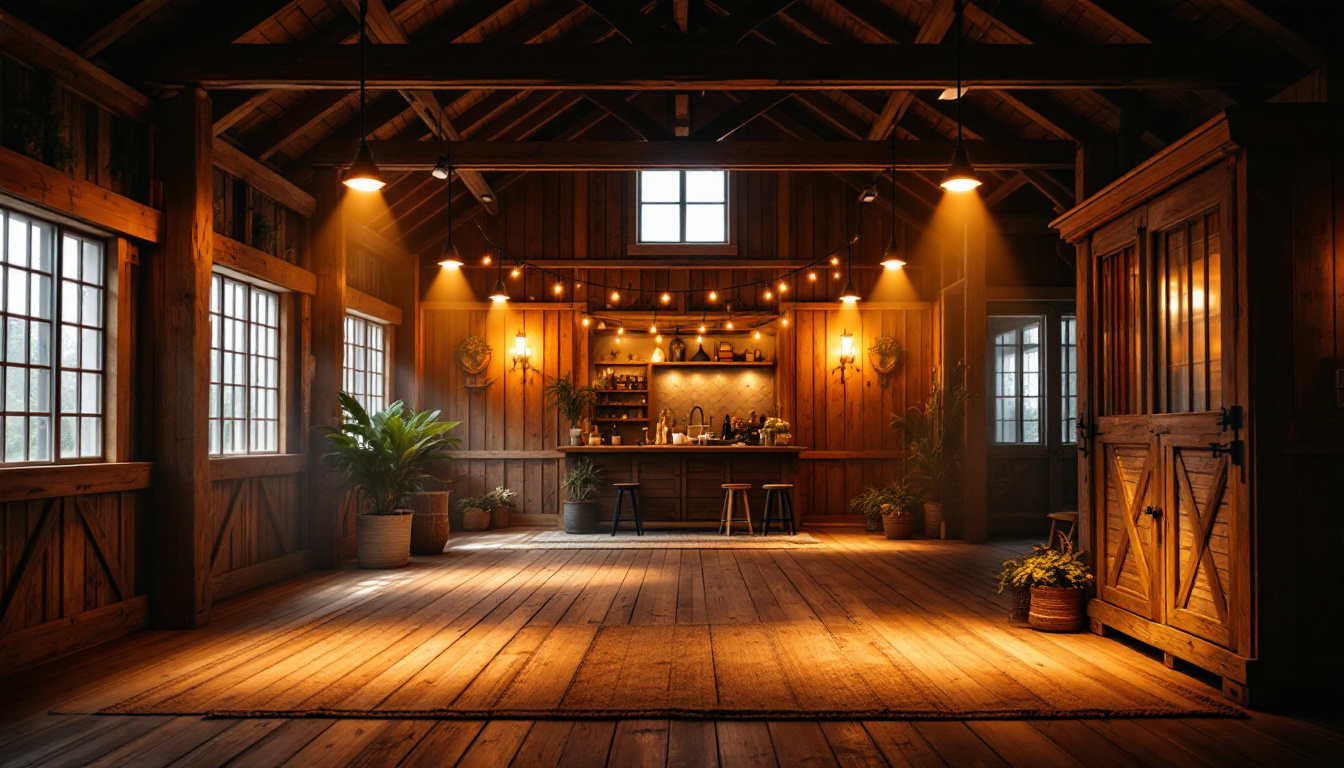
3000K lighting is often referred to as “warm white.” It emits a soft, inviting glow that closely resembles incandescent bulbs. This color temperature is ideal for creating cozy environments, making it a popular choice for residential spaces, restaurants, and hospitality venues.
Warm white lighting enhances the natural colors of wood, textiles, and skin tones, contributing to a welcoming atmosphere. It is particularly effective in areas where relaxation and comfort are paramount, such as living rooms, bedrooms, and dining areas. The warm tones can also evoke a sense of nostalgia, reminiscent of candlelight or the golden hour of sunset, which can be particularly appealing in spaces designed for social interaction or intimate gatherings.
Additionally, 3000K lighting can play a significant role in influencing mood. Studies have shown that warmer lighting can create feelings of comfort and relaxation, making it an excellent choice for spaces intended for unwinding after a long day. Moreover, in settings like restaurants, this lighting can encourage patrons to linger longer, enhancing their dining experience by fostering a sense of intimacy and warmth.
The Characteristics of 5000K Lighting
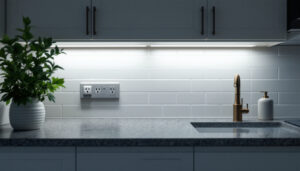
On the other hand, 5000K lighting is known as “daylight” or “cool white.” It mimics natural daylight, providing a bright, crisp light that can enhance visibility and alertness. This color temperature is often utilized in commercial settings, offices, and retail spaces where clear visibility is essential.
5000K lighting can improve productivity and focus, making it suitable for environments where tasks require attention to detail. It is also effective in showcasing colors accurately, which is particularly beneficial for retail displays and art galleries. The bright, neutral light can help reduce eye strain, especially in workspaces where individuals spend extended hours in front of screens, contributing to overall well-being and efficiency.
Furthermore, the use of 5000K lighting can have a profound impact on the perception of space. In smaller or dimly lit areas, this cooler light can create an illusion of openness and cleanliness, making spaces feel larger and more inviting. This characteristic is especially advantageous in modern design, where minimalism and functionality are key. By incorporating 5000K lighting into a design scheme, one can achieve a contemporary aesthetic that promotes clarity and focus, aligning perfectly with the demands of today’s fast-paced environments.
Applications and Considerations
Choosing between 3000K and 5000K lighting involves considering the specific needs of the space and the intended atmosphere. Each temperature has its unique applications, and understanding these can help lighting contractors make informed decisions that align with their clients’ preferences.
Residential Applications of 3000K Lighting
In residential settings, 3000K lighting is often favored for its warm and inviting qualities. It is commonly used in:
- Living Rooms: Creates a relaxed environment for family gatherings and entertainment.
- Bedrooms: Promotes a calming atmosphere conducive to rest and relaxation.
- Dining Areas: Enhances the dining experience by providing a cozy ambiance.
Contractors should consider the preferences of homeowners when recommending lighting solutions. Many clients may gravitate towards the warmth of 3000K lighting for its aesthetic appeal and comfort. Additionally, the use of dimmable fixtures can further enhance the versatility of 3000K lighting in these spaces, allowing homeowners to adjust brightness levels according to different activities or times of day. The soft glow of 3000K also works harmoniously with warm-toned furnishings and decor, creating a cohesive look that feels both stylish and inviting.
Commercial Applications of 5000K Lighting
In contrast, 5000K lighting shines in commercial applications where functionality and visibility are paramount. Common uses include:
- Offices: Enhances focus and productivity among employees.
- Retail Spaces: Accurately showcases products, making them more appealing to customers.
- Workshops and Factories: Provides bright, clear light for tasks requiring precision.
Lighting contractors should assess the specific needs of commercial clients to ensure that the chosen lighting solution enhances productivity and meets regulatory standards. The bright, daylight-like quality of 5000K lighting can also help reduce eye strain during long hours of work, contributing to a healthier work environment. Furthermore, in retail spaces, the crispness of 5000K lighting can enhance color accuracy, which is crucial for fashion and beauty products, ensuring that customers see items in their true colors. This can lead to increased customer satisfaction and potentially boost sales, making the choice of lighting a strategic decision for business success.
Impact on Energy Efficiency
Energy efficiency is a critical consideration for both contractors and clients. The choice between 3000K and 5000K lighting can influence energy consumption and operational costs.
Energy Consumption of 3000K Lighting
While 3000K lighting can create a warm and inviting atmosphere, it is essential to consider the type of bulbs used. Traditional incandescent bulbs, which emit warm light, are less energy-efficient compared to modern LED options. However, LED technology has advanced significantly, allowing for 3000K options that consume less energy while still providing the desired warmth.
Contractors should educate clients about the benefits of energy-efficient LED bulbs in the 3000K range, highlighting their longevity and reduced energy costs. This can lead to satisfied clients and repeat business.
Energy Efficiency of 5000K Lighting
5000K lighting, particularly when utilizing LED technology, can offer significant energy savings. LED bulbs in this color temperature are designed to provide bright, daylight-like illumination while consuming less power than traditional lighting options.
For contractors, promoting the energy efficiency of 5000K lighting can be a selling point, especially for commercial clients looking to reduce operational costs. By emphasizing the long-term savings associated with energy-efficient lighting, contractors can enhance their value proposition.
Cost Considerations for Contractors
The choice between 3000K and 5000K lighting can also have financial implications for lighting contractors. Understanding the cost factors involved is essential for maximizing profitability.
Initial Costs of Installation
When it comes to initial installation costs, 3000K lighting may often involve higher expenses if traditional incandescent bulbs are used. However, the adoption of energy-efficient LED bulbs has made 3000K options more accessible and cost-effective.
Conversely, 5000K lighting typically benefits from the widespread availability of energy-efficient options, making initial installation costs more manageable. Contractors should weigh the costs of different lighting solutions and consider offering clients a range of options to suit their budgets.
Long-Term Financial Benefits
While initial costs are important, long-term financial benefits should also be considered. The longevity of LED bulbs in both the 3000K and 5000K ranges means reduced replacement costs over time. Additionally, energy savings can lead to lower utility bills, making both options financially attractive in the long run.
Contractors can position themselves as knowledgeable advisors by providing clients with a comprehensive analysis of the long-term financial benefits associated with each color temperature. This can foster trust and encourage repeat business.
Client Preferences and Trends
Understanding client preferences and emerging trends in lighting design can also influence the choice between 3000K and 5000K lighting. As design aesthetics evolve, so too do the expectations of clients.
Trends Favoring 3000K Lighting
In recent years, there has been a noticeable trend towards warmer lighting in residential spaces. Homeowners often seek to create cozy, inviting environments, leading to increased demand for 3000K lighting solutions.
Contractors should stay attuned to these trends and be prepared to recommend 3000K options that align with contemporary design preferences. This can enhance client satisfaction and lead to positive referrals.
Trends Favoring 5000K Lighting
On the commercial side, the demand for bright, functional lighting continues to rise. As businesses prioritize productivity and employee well-being, 5000K lighting has gained popularity in office and retail environments.
Contractors should be proactive in promoting the benefits of 5000K lighting to commercial clients, emphasizing its role in enhancing productivity and showcasing products effectively. Keeping abreast of industry trends can position contractors as leaders in the field.
Conclusion: Making the Right Choice
In the debate between 3000K and 5000K lighting, there is no one-size-fits-all solution. The choice ultimately depends on the specific needs of the space, the preferences of the client, and the intended atmosphere. For lighting contractors, understanding the characteristics, applications, and financial implications of each color temperature is essential for making informed recommendations.
By considering factors such as energy efficiency, initial costs, and client preferences, contractors can provide tailored solutions that not only meet the needs of their clients but also enhance their own bottom line. As the lighting industry continues to evolve, staying informed about trends and advancements will empower contractors to thrive in a competitive market.
Ultimately, whether opting for the warm embrace of 3000K or the crisp clarity of 5000K, the right lighting choice can illuminate a path to success for lighting contractors and their clients alike.
Illuminate Your Projects with LumenWholesale
Ready to make the right lighting choice for your next project? At LumenWholesale, we provide lighting contractors with the ideal blend of quality, affordability, and convenience. Our extensive selection of spec-grade lighting products ensures you can find the perfect 3000K or 5000K solutions to meet any client’s needs, all at unbeatable wholesale prices. Say goodbye to inflated markups and hello to hassle-free bulk buying with free shipping. Don’t compromise on quality or value; choose LumenWholesale for Wholesale Lighting at the Best Value and light up your bottom line today.