Understanding Ceiling Fans and Their Role in Lighting
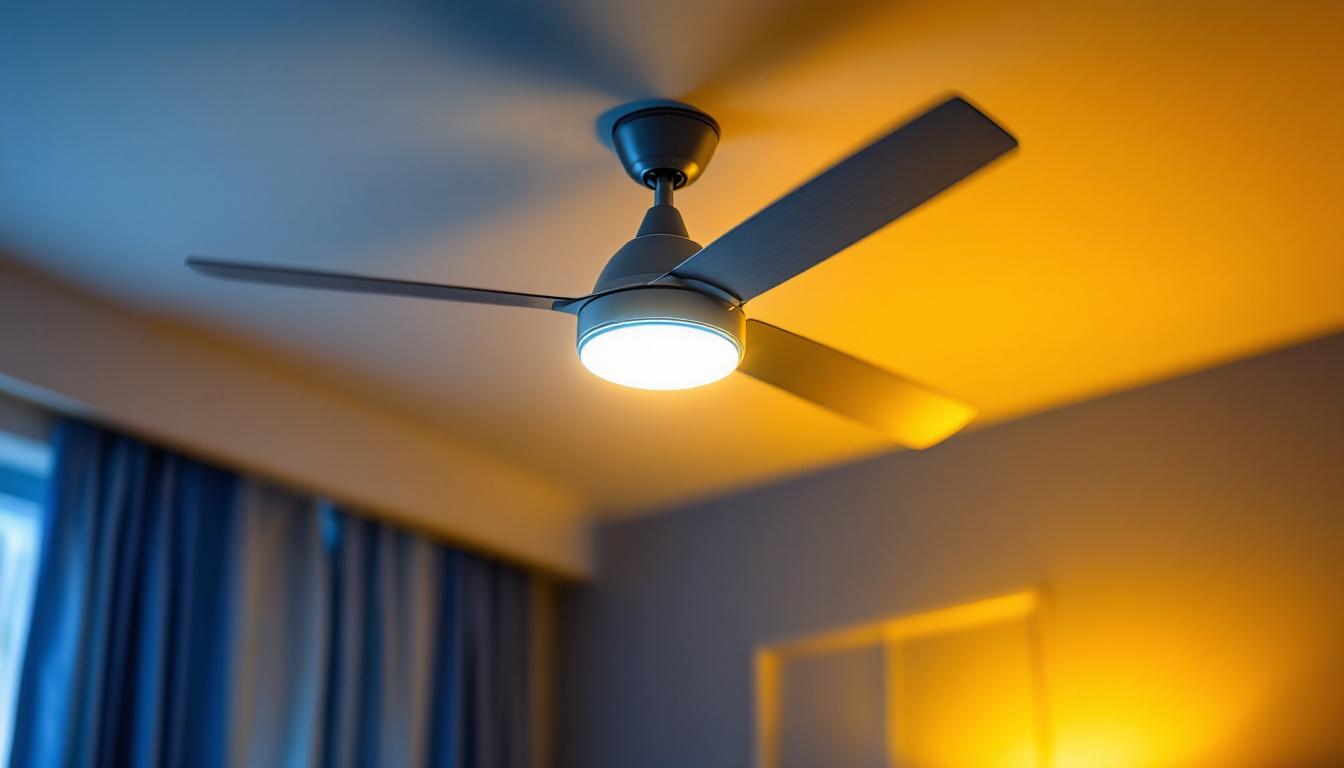
Ceiling fans are often overlooked when it comes to optimizing lighting efficiency in a space. While their primary function is to circulate air, they can significantly impact how light is distributed and perceived in a room. Understanding the relationship between ceiling fans and lighting can help contractors make informed decisions that enhance both comfort and illumination.
Ceiling fans come equipped with various components that can influence lighting efficiency. From the type of bulbs used to the fan’s design and placement, each element plays a crucial role in creating an optimal lighting environment. By considering these factors, lighting contractors can ensure that their designs are not only aesthetically pleasing but also functional and energy-efficient.
The Importance of Fan Placement
One of the most critical aspects of optimizing lighting with ceiling fans is their placement. Proper positioning can enhance both air circulation and light distribution. Ideally, a ceiling fan should be installed at a height of 8 to 9 feet from the floor. This height allows for optimal airflow while also ensuring that light fixtures are not obstructed.
In addition to height, the fan’s location within the room can affect how light is perceived. For instance, placing a fan in the center of the room can help distribute light evenly across the space. Conversely, a fan positioned too close to walls may create shadows and diminish the overall brightness of the room. Furthermore, the size of the room should also be taken into account; larger rooms may require multiple fans or larger models to ensure that both air circulation and light distribution are effective.
Choosing the Right Bulbs
The type of bulbs used in conjunction with ceiling fans can greatly impact lighting efficiency. LED bulbs are highly recommended due to their energy efficiency and longevity. Unlike incandescent bulbs, which generate heat and consume more energy, LEDs produce less heat and can last up to 25 times longer.
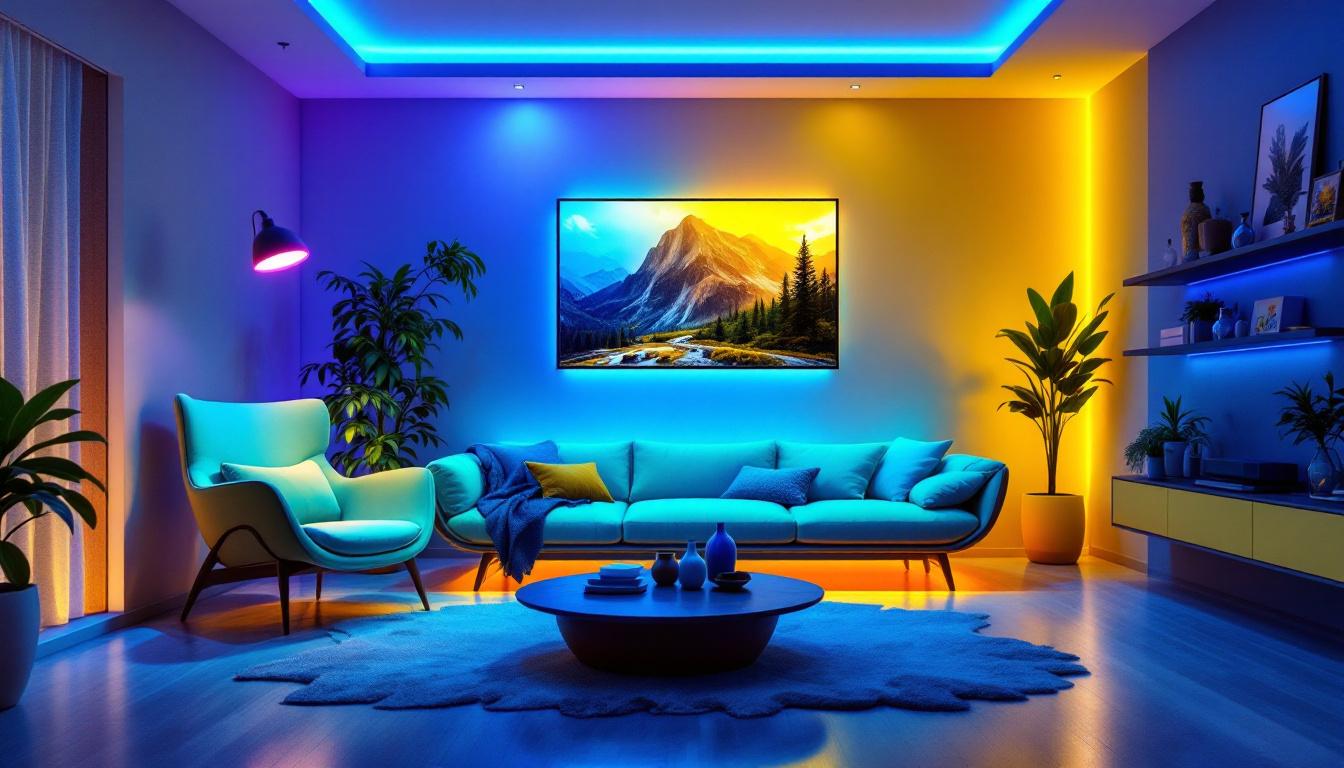
Moreover, the color temperature of the bulbs can influence the ambiance of a room. Warmer tones can create a cozy atmosphere, while cooler tones can enhance productivity. Choosing the right bulb for the intended purpose of the space is essential for maximizing both comfort and efficiency. Additionally, dimmable LED options can provide flexibility, allowing users to adjust the brightness according to their needs, whether for a lively gathering or a quiet evening at home. Integrating smart technology with ceiling fans and lighting can further enhance control over both air circulation and illumination, making it easier to create the perfect environment at any time of day.
Maximizing Energy Efficiency
Energy efficiency is a primary concern for many lighting contractors and their clients. Optimizing ceiling fans for energy efficiency not only reduces electricity costs but also contributes to a more sustainable environment. There are several strategies to achieve this goal.
Utilizing Smart Technology
Incorporating smart technology into ceiling fans can significantly enhance energy efficiency. Smart fans can be controlled remotely, allowing users to adjust settings based on occupancy or time of day. This feature ensures that fans are only in use when necessary, reducing energy waste.
Additionally, many smart fans come equipped with integrated lighting controls. This allows for the adjustment of brightness levels and color temperatures, enabling users to customize their lighting experience. By synchronizing fan and lighting operations, energy consumption can be minimized further. Some advanced models even learn user preferences over time, automatically adjusting settings to optimize comfort while maintaining energy efficiency.
Regular Maintenance and Upkeep
Maintaining ceiling fans is essential for ensuring optimal performance and efficiency. Dust and debris can accumulate on fan blades, reducing airflow and causing the fan to work harder than necessary. Regular cleaning of the blades and surrounding areas can help maintain efficiency and prolong the lifespan of the fan.
Furthermore, checking the electrical connections and ensuring that the fan is securely mounted can prevent unnecessary energy loss. Regular maintenance not only enhances efficiency but also ensures safety in the long run. It’s also beneficial to inspect the fan’s motor and bearings periodically; lubrication may be needed to prevent wear and tear, which can lead to increased energy consumption. By investing a little time in upkeep, users can enjoy the full benefits of their ceiling fans while contributing to a more energy-efficient home.
Choosing the Right Fan Size and Type
Selecting the appropriate ceiling fan size and type for a specific room is crucial for maximizing energy efficiency. A fan that is too small will struggle to circulate air effectively, while one that is too large may consume unnecessary energy. To determine the right size, consider the room’s dimensions and ceiling height. For instance, larger rooms may benefit from multiple fans or a larger fan with a higher CFM (cubic feet per minute) rating, which indicates the volume of air moved by the fan.
Moreover, the type of fan can also impact energy efficiency. For example, Energy Star-rated fans are designed to use significantly less energy than standard models while still providing the same level of airflow. Additionally, some fans are designed with reversible motors, allowing them to operate in both summer and winter modes, which can help maintain comfortable temperatures year-round without excessive energy use.
Design Considerations for Lighting and Ceiling Fans
When integrating ceiling fans into lighting designs, aesthetic considerations play a significant role. The style, color, and size of the fan should complement the overall decor of the space while also serving functional purposes. A well-designed ceiling fan can enhance the visual appeal of a room and contribute to its overall lighting scheme.
Choosing the Right Style
Ceiling fans come in various styles, from modern to traditional, and selecting the right one can enhance the room’s ambiance. For instance, a sleek, contemporary fan can complement a minimalist design, while a more ornate fan may be suitable for a classic interior. The choice of style should reflect the overall theme of the space while ensuring that the fan does not overpower the lighting fixtures.
Additionally, the finish of the fan can impact how light is reflected within the room. Matte finishes may absorb light, while glossy finishes can help distribute it more effectively. Contractors should consider these factors when recommending ceiling fans to clients.
Integrating Lighting Fixtures
Integrating lighting fixtures with ceiling fans can create a cohesive design that enhances both functionality and aesthetics. Many ceiling fans come with integrated lighting options, allowing for a seamless look. However, it is essential to ensure that the lighting provided by the fan is adequate for the space.
When integrating separate lighting fixtures, consider the placement and type of fixtures used. Pendant lights, for example, can complement a ceiling fan while providing focused illumination. Additionally, wall sconces can enhance ambient lighting, creating a layered effect that adds depth to the room.
Creating a Balanced Lighting Scheme
A balanced lighting scheme is crucial for creating a comfortable and functional environment. Ceiling fans can play a significant role in achieving this balance by distributing light evenly throughout the space. Contractors should consider various factors when designing a lighting scheme that incorporates ceiling fans.
Layering Light Sources
Layering light sources is an effective way to create a balanced lighting scheme. This involves combining ambient, task, and accent lighting to achieve a well-lit environment. Ceiling fans can serve as a source of ambient light, while additional fixtures can provide focused illumination for specific tasks.
For example, in a kitchen, a ceiling fan with integrated lighting can provide general illumination, while under-cabinet lights can enhance task lighting for food preparation. By layering different light sources, contractors can create a dynamic and functional space that meets the needs of its occupants.
Adjusting Fan Speed and Direction
Another way to optimize lighting efficiency is by adjusting the fan’s speed and direction. Most ceiling fans come with reversible motors, allowing users to change the direction of the blades. In the summer, fans should rotate counterclockwise to create a cooling breeze, while in the winter, they should rotate clockwise to circulate warm air.
Adjusting the fan speed can also impact how light is perceived. A higher speed may create a more dynamic atmosphere, while a lower speed can enhance a calm and relaxing environment. Contractors should educate clients on how to adjust fan settings based on seasonal changes and specific lighting needs.
Conclusion: The Future of Ceiling Fans and Lighting
As technology continues to advance, the future of ceiling fans and lighting looks promising. Innovations in energy-efficient designs, smart technology, and integrated lighting solutions are paving the way for more sustainable and functional environments. Lighting contractors play a vital role in this evolution, as their expertise can help clients make informed decisions that enhance both comfort and efficiency.
By understanding the intricacies of ceiling fan components and their impact on lighting, contractors can optimize designs that not only meet aesthetic preferences but also promote energy efficiency. As the demand for sustainable solutions grows, embracing these practices will be essential for staying competitive in the lighting industry.
Ultimately, the integration of ceiling fans and lighting should be approached holistically. By considering factors such as placement, bulb selection, and design aesthetics, contractors can create spaces that are not only visually appealing but also energy-efficient and comfortable for their occupants.
Illuminate Your Projects with LumenWholesale
Ready to elevate your lighting designs with the most efficient ceiling fan solutions? Look no further than LumenWholesale for a vast selection of spec-grade lighting products that promise quality and affordability. Our commitment to cutting out the middleman means you get the best value on wholesale lighting, with the added benefits of free shipping and no hidden fees. Whether you’re buying in bulk or seeking the perfect lighting for your next project, LumenWholesale is your trusted partner for superior lighting that blends efficiency with aesthetic appeal. Take the first step towards a brighter, more energy-efficient future with LumenWholesale today.