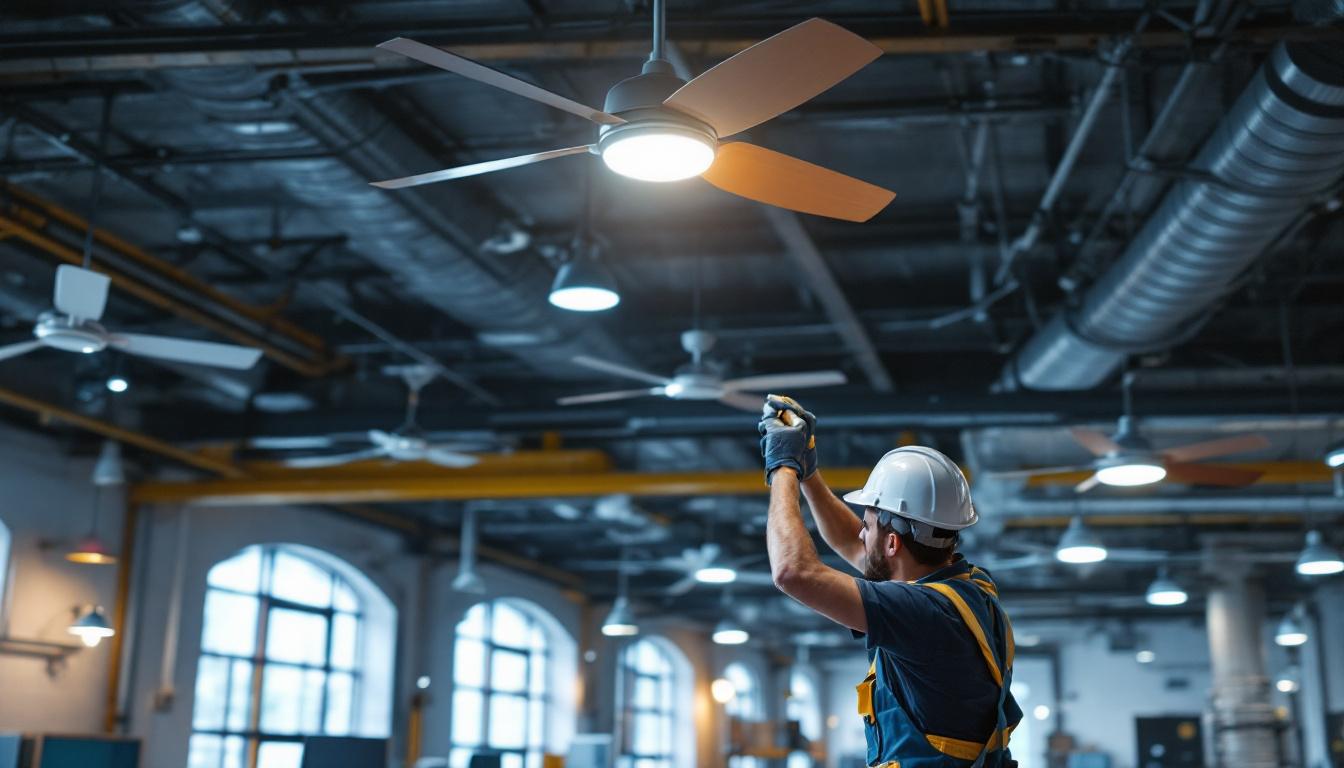
As the demand for efficient and effective lighting solutions continues to grow, lighting contractors are increasingly turning to industrial ceiling fans as a viable option for various projects. These fans not only enhance air circulation but also contribute to energy savings and improved comfort in industrial spaces. This article provides key tips for lighting contractors to consider when integrating industrial ceiling fans into their lighting designs.
Understanding the Benefits of Industrial Ceiling Fans
Industrial ceiling fans offer a multitude of advantages that can significantly enhance the functionality of a space. By understanding these benefits, lighting contractors can better advise their clients on the best solutions for their needs.
Energy Efficiency
One of the most compelling reasons to consider industrial ceiling fans is their energy efficiency. These fans can help reduce the reliance on heating and cooling systems by promoting better air circulation. In the summer, they create a wind-chill effect that helps occupants feel cooler, allowing for higher thermostat settings. In the winter, reversing the fan direction can push warm air down from the ceiling, maintaining an even temperature throughout the space. This dual functionality not only contributes to a more comfortable environment but also translates into significant cost savings on energy bills over time, making it a smart investment for businesses looking to optimize their operational expenses.
Improved Comfort
Comfort is paramount in any industrial setting, whether it’s a warehouse, manufacturing facility, or retail space. Industrial ceiling fans can help maintain a consistent temperature and improve air quality, making the environment more pleasant for workers and customers alike. This can lead to increased productivity and satisfaction, which are critical for any business. Additionally, the improved air circulation can help reduce humidity levels, which is particularly beneficial in environments where moisture can lead to mold or other issues. By creating a more comfortable atmosphere, businesses can see a decrease in employee absenteeism and an increase in overall morale, fostering a more engaged workforce.
Versatility in Design
Industrial ceiling fans come in various styles, sizes, and finishes, allowing for flexibility in design. Lighting contractors can choose fans that complement the overall aesthetic of the space while providing the necessary functionality. This versatility means that fans can be integrated seamlessly into existing lighting designs, enhancing both form and function. Moreover, many modern industrial ceiling fans are designed with advanced technology, including smart controls and energy-efficient motors, which not only improve performance but also add a contemporary touch to the industrial aesthetic. This ability to blend practicality with style ensures that businesses can maintain a professional appearance while benefiting from the functional advantages that these fans provide.
Furthermore, the installation of industrial ceiling fans can also contribute to sustainability efforts within a business. By reducing energy consumption and enhancing air quality, these fans play a role in creating a healthier work environment. Many manufacturers are now producing fans with eco-friendly materials and energy-efficient designs, aligning with the growing trend of corporate responsibility towards environmental stewardship. As businesses increasingly prioritize sustainability, the integration of industrial ceiling fans can be a strategic move that not only benefits the bottom line but also enhances the company’s image as a forward-thinking and responsible entity.
Choosing the Right Fan for the Job
Selecting the appropriate industrial ceiling fan is crucial for achieving optimal performance. Several factors must be considered to ensure the chosen fan meets the specific needs of the space.
Size Matters
The size of the fan is one of the most important factors to consider. A fan that is too small will not effectively circulate air, while one that is too large may overpower the space. The general rule of thumb is to choose a fan with a blade span that corresponds to the square footage of the area. For example, a fan with a 52-inch blade span is suitable for rooms up to 400 square feet, while larger spaces may require fans with a blade span of 60 inches or more. Additionally, the height of the ceiling should also be taken into account; higher ceilings may necessitate longer downrods to ensure the fan operates at an optimal height for air circulation.
Blade Pitch and Material
The pitch of the blades plays a significant role in the fan’s efficiency and airflow. A blade pitch of 12 to 15 degrees is ideal for industrial applications, as it allows for optimal air movement. Additionally, the material of the blades can impact durability and performance. Metal blades are often preferred for industrial settings due to their strength and resistance to wear and tear. However, advancements in technology have also led to the development of high-quality composite materials that can offer similar durability while being lighter and more resistant to corrosion, making them an excellent choice for humid or corrosive environments.
Motor Quality
The motor is the heart of any ceiling fan, and its quality can greatly affect performance. Look for fans with high-quality, energy-efficient motors that operate quietly and reliably. Brushless DC motors are a popular choice for industrial fans, as they offer superior energy efficiency and longevity compared to traditional AC motors. Furthermore, consider the fan’s speed settings; having multiple speed options can enhance versatility, allowing the fan to adapt to varying temperature conditions and operational needs. This flexibility is particularly beneficial in environments where heat loads fluctuate throughout the day, ensuring consistent comfort and efficiency.
Noise Levels
Another critical aspect to consider when selecting an industrial ceiling fan is the noise level it produces during operation. In workplaces where concentration is key, such as offices or manufacturing floors, a quiet fan can significantly enhance the overall environment. Look for fans specifically designed to minimize noise, often featuring sound-dampening technology or specially engineered blade designs that reduce turbulence. Additionally, the placement of the fan can also influence noise levels; ensuring it is installed at the correct height and distance from walls can help mitigate any unwanted sounds, creating a more pleasant atmosphere for employees and visitors alike.
Energy Efficiency
In today’s eco-conscious world, energy efficiency is more than just a buzzword; it’s a necessity. Selecting an industrial ceiling fan that is energy-efficient not only reduces operational costs but also contributes to a smaller carbon footprint. Look for fans that are ENERGY STAR certified, as they meet strict energy efficiency guidelines set by the U.S. Environmental Protection Agency. Furthermore, consider integrating smart technology that allows for remote control and scheduling, optimizing energy use based on occupancy and time of day. This forward-thinking approach not only enhances comfort but also promotes sustainability in the workplace.
Installation Considerations
Proper installation is essential for maximizing the performance of industrial ceiling fans. Lighting contractors must pay close attention to several key aspects during the installation process.
Mounting Height
The height at which the fan is mounted can significantly impact its efficiency. Ideally, the fan should be installed at least 8 to 10 feet above the floor to ensure optimal airflow. In spaces with high ceilings, downrods may be necessary to lower the fan to the appropriate height. This ensures that the fan can effectively circulate air without creating a safety hazard.
Electrical Requirements
Before installation, it is crucial to assess the electrical requirements of the fan. Ensure that the existing electrical system can support the fan’s power needs. Additionally, consider installing a dedicated circuit for larger fans to prevent overloading existing circuits. Proper wiring and connections are essential for safe operation and to avoid potential electrical issues.
Control Options
Modern industrial ceiling fans often come with a variety of control options, including wall switches, remote controls, and smart home integration. Lighting contractors should discuss these options with clients to determine the best solution for their needs. Remote controls can offer convenience, while smart integration can provide advanced features such as scheduling and energy monitoring.
Integrating Lighting and Fans
For lighting contractors, the integration of industrial ceiling fans with lighting systems can enhance both aesthetics and functionality. A well-thought-out design can create a cohesive look while ensuring optimal performance.
Choosing Complementary Lighting
When selecting lighting fixtures to pair with industrial ceiling fans, consider the overall style and purpose of the space. LED fixtures are a popular choice due to their energy efficiency and versatility. Pendant lights or track lighting can be used to highlight specific areas while maintaining a modern industrial aesthetic. Ensure that the lighting does not interfere with the fan’s operation or airflow.
Creating Zones
In larger industrial spaces, creating zones can improve energy efficiency and comfort. By using multiple fans and lighting fixtures, contractors can tailor the environment to specific needs. For example, areas with heavy machinery may require brighter lighting and more powerful fans, while break rooms may benefit from softer lighting and quieter fans. Zoning allows for greater control over the environment, enhancing overall satisfaction.
Utilizing Smart Technology
Integrating smart technology into both lighting and fan systems can greatly enhance user experience. Smart controls allow for easy adjustments to lighting and fan settings based on occupancy, time of day, or specific tasks. This not only improves comfort but can also lead to significant energy savings. Lighting contractors should stay informed about the latest smart technology trends to provide clients with the most efficient solutions.
Maintenance and Troubleshooting
Routine Maintenance
Regular cleaning is crucial for maintaining the efficiency of industrial ceiling fans. Dust and debris can accumulate on the blades, reducing airflow and increasing energy consumption. Clients should be encouraged to clean the blades and surrounding areas periodically. Additionally, checking for loose screws and ensuring that the fan is securely mounted can prevent potential safety hazards.
Identifying Common Issues
Lighting contractors should be prepared to help clients troubleshoot common issues that may arise with industrial ceiling fans. Noisy operation, wobbling, or insufficient airflow can often be resolved with simple adjustments. For example, ensuring that the blades are properly balanced can eliminate wobbling, while checking the motor for wear can address noise issues. Educating clients on these common problems can empower them to take proactive measures.
When to Call a Professional
While many maintenance tasks can be handled by clients, there are situations that require professional intervention. If a fan is not operating at all, or if there are electrical issues, it is essential to call a qualified electrician. Lighting contractors should establish a relationship with local electricians to provide clients with reliable recommendations for any necessary repairs.
Conclusion
Industrial ceiling fans are an invaluable addition to many lighting projects, offering energy efficiency, improved comfort, and design versatility. By understanding the benefits, choosing the right fans, ensuring proper installation, and integrating lighting systems effectively, lighting contractors can provide clients with optimal solutions for their industrial spaces. Moreover, educating clients on maintenance and troubleshooting can enhance the longevity and performance of these systems. As the demand for efficient lighting solutions continues to grow, staying informed and adaptable will position lighting contractors for success in this evolving market.
Get Your Industrial Ceiling Fans from LumenWholesale
Ready to elevate your lighting projects with the best industrial ceiling fans on the market? Look no further than LumenWholesale. Our commitment to quality and affordability ensures that you get spec-grade lighting products without the premium price tag. With LumenWholesale, you can take advantage of wholesale pricing, free shipping, and an extensive selection that meets the highest industry standards. Don’t let middleman markups affect your bottom line. Choose LumenWholesale for hassle-free bulk purchases and experience the ideal combination of performance, value, and convenience. Wholesale Lighting at the Best Value is just a click away.