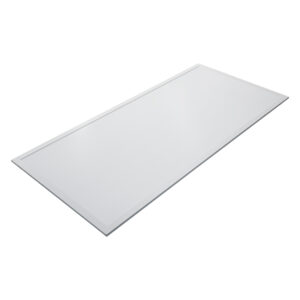
Dimmable LED lighting has revolutionized the way spaces are illuminated, offering flexibility and energy efficiency that traditional lighting cannot match. As lighting contractors navigate the growing demand for these advanced lighting solutions, several common questions arise. This article aims to address those queries, providing valuable insights into dimmable LED lighting for contractors looking to enhance their expertise and service offerings.
Understanding Dimmable LED Technology
Before delving into specific questions, it is essential to understand the fundamentals of dimmable LED technology. Unlike traditional incandescent bulbs, which dim by reducing the voltage, LEDs require a different approach. Dimmable LEDs use a driver that adjusts the current flowing to the LED chip, allowing for smooth dimming capabilities. This innovation in lighting technology has revolutionized how we illuminate our spaces, providing not just light but also the ability to create mood and atmosphere at the touch of a button.
This technology not only enhances the ambiance of a space but also contributes to energy savings. By lowering the light output when full brightness is not needed, dimmable LEDs can significantly reduce electricity consumption, making them an attractive option for both residential and commercial applications. Furthermore, the longevity of LED bulbs means that, in addition to energy savings, users can enjoy reduced maintenance costs over time, as these bulbs typically last much longer than their incandescent counterparts.
What Types of Dimming Methods Are Available?
There are several dimming methods available for LED lighting, each with its own advantages and limitations. The most common types include:
- Phase-cut Dimming: This method is divided into two categories: leading-edge and trailing-edge dimming. Leading-edge dimmers work by cutting the beginning of the AC wave, while trailing-edge dimmers cut the end. Trailing-edge dimmers are generally more compatible with LEDs, providing smoother dimming and reducing flicker. This compatibility is crucial, as it ensures that the lighting experience is seamless and visually appealing.
- 0-10V Dimming: This method utilizes a low-voltage control signal to adjust the brightness of the LEDs. It is commonly used in commercial applications and allows for precise control over light levels. This level of control can be particularly beneficial in settings such as conference rooms or galleries, where lighting needs may vary significantly depending on the activity or the time of day.
- DMX Dimming: Primarily used in theatrical and architectural lighting, DMX dimming offers advanced control capabilities. It allows for complex lighting setups and is highly customizable, making it ideal for professional environments. This method can synchronize multiple lighting fixtures, creating dynamic lighting displays that enhance performances or architectural features.
Are All LED Bulbs Dimmable?
No, not all LED bulbs are designed to be dimmable. It is crucial for contractors to verify that the LED products they are using are labeled as dimmable. Non-dimmable LEDs can flicker, buzz, or even become damaged when connected to a dimmer switch. This can lead to customer dissatisfaction and potential warranty issues. Understanding the specifications of each product is essential to avoid these pitfalls and ensure a successful installation.
When selecting LED bulbs, contractors should also consider the compatibility of the dimmer switch. Some dimmers may not work effectively with certain LED drivers, leading to performance issues. Therefore, it is advisable to pair dimmable LEDs with compatible dimmers to ensure optimal performance. Additionally, it is worth noting that the technology behind LED drivers continues to evolve, with newer models offering improved compatibility and performance, which can further enhance the user experience. As the market grows, staying informed about the latest advancements in dimmable LED technology will empower contractors and consumers alike to make the best choices for their lighting needs.
Installation Considerations for Dimmable LEDs
Installing dimmable LED lighting requires careful planning and consideration. Proper installation is vital to ensure that the system functions as intended and meets the client’s expectations. Below are key factors to consider during the installation process.
Wattage Compatibility
When installing dimmable LED lights, it is important to consider the wattage compatibility between the dimmer switch and the LED fixtures. Many dimmers have a minimum and maximum wattage rating, which must be adhered to for proper functionality. Exceeding the maximum wattage can lead to overheating and potential failure, while using a load that is too low may cause flickering or buzzing.
Contractors should also be aware of the total wattage of all connected fixtures. It is advisable to calculate the wattage based on the number of bulbs and their individual wattage ratings to ensure that the dimmer can handle the load effectively.
Electrical Wiring and Circuit Load
Proper electrical wiring is crucial for the successful installation of dimmable LED lighting. Contractors must ensure that the circuit can handle the load of the new lighting system. This includes assessing the existing wiring and determining if any upgrades are necessary to accommodate the new fixtures.
Additionally, it is vital to follow local electrical codes and regulations when installing dimmable LED lights. This not only ensures safety but also helps avoid potential legal issues down the line.
Common Issues and Troubleshooting
Even with the best planning and installation practices, issues can arise with dimmable LED lighting systems. Understanding common problems and their solutions can help contractors address client concerns effectively.
Flickering Lights
Flickering is one of the most common complaints associated with dimmable LED lighting. This issue can stem from several factors, including incompatible dimmer switches, poor-quality LED drivers, or incorrect wiring. To troubleshoot flickering, contractors should first check the compatibility of the dimmer with the LED fixtures. If the dimmer is not suitable, replacing it with a compatible model can often resolve the issue.
Additionally, ensuring that all connections are secure and that the wiring is properly installed can help eliminate flickering. If problems persist, it may be necessary to replace the LED driver or consult the manufacturer for further assistance.
Buzzing or Humming Sounds
Another common issue with dimmable LEDs is buzzing or humming sounds when the lights are dimmed. This can be caused by the dimmer switch itself or the LED driver. To address this issue, contractors should consider replacing the dimmer with a model specifically designed for LED lighting, as some older dimmers may not be compatible.
In some cases, the buzzing may also be due to the LED driver. If replacing the dimmer does not resolve the issue, it may be necessary to consult the manufacturer or consider upgrading to a higher-quality driver.
Benefits of Dimmable LED Lighting
The advantages of dimmable LED lighting extend beyond mere aesthetics. Understanding these benefits can help contractors effectively communicate the value of these systems to their clients.
Energy Efficiency
One of the most significant benefits of dimmable LED lighting is its energy efficiency. By allowing users to adjust the brightness according to their needs, dimmable LEDs can reduce energy consumption significantly. This not only translates to lower electricity bills but also contributes to environmental sustainability.
In commercial settings, where lighting can account for a substantial portion of energy costs, the ability to dim lights can lead to significant savings over time. This is an important selling point for contractors to emphasize to clients considering dimmable LED options.
Enhanced Ambiance and Comfort
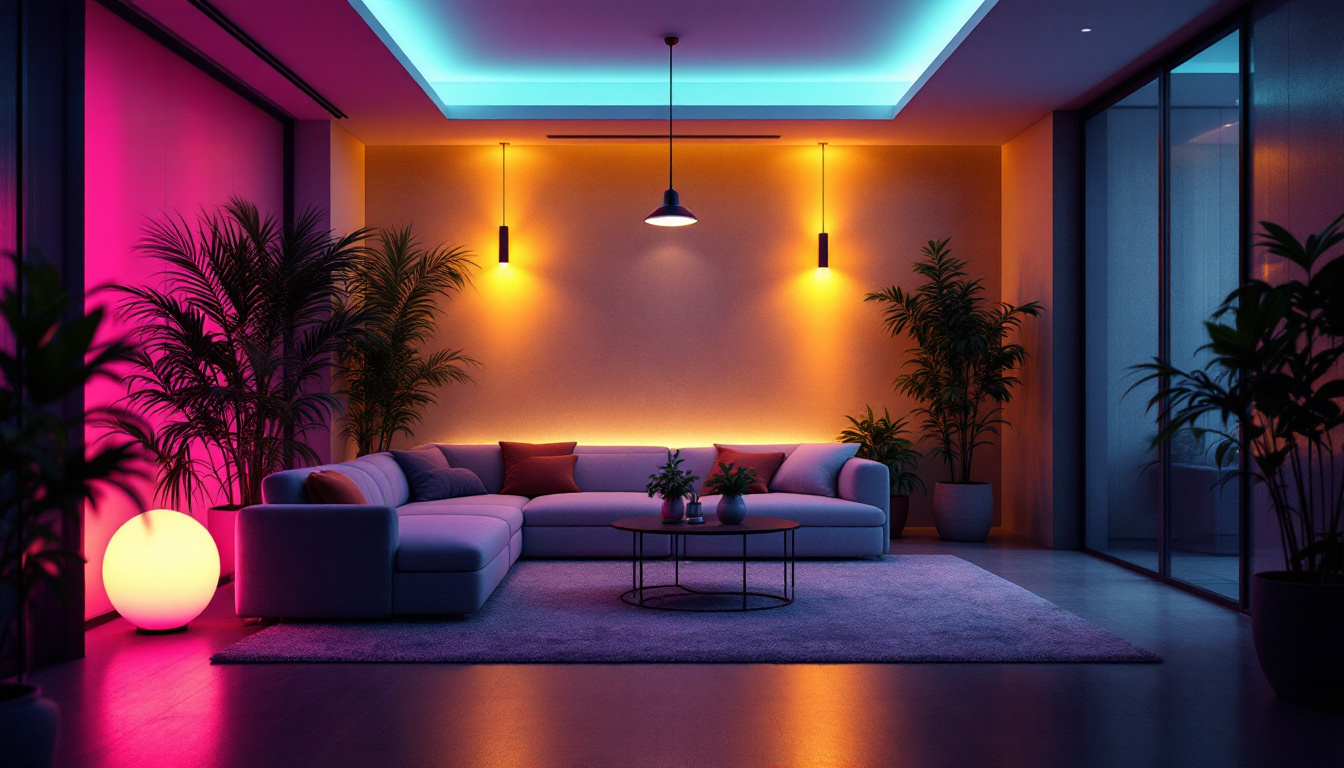
Dimmable LED lighting offers the flexibility to create various atmospheres within a space. Whether it’s a cozy setting for a dinner party or bright lighting for a workspace, the ability to adjust brightness levels enhances the overall experience. This adaptability is particularly valuable in residential settings, where homeowners may want different lighting for different occasions.
In commercial environments, the ability to create the right ambiance can positively impact customer experiences and employee productivity. Contractors should highlight these benefits when discussing lighting options with clients.
Future Trends in Dimmable LED Lighting
The landscape of dimmable LED lighting is continually evolving, with new technologies and trends emerging regularly. Staying informed about these developments is essential for contractors looking to remain competitive in the market.
Smart Lighting Integration
Smart lighting technology is on the rise, and integrating dimmable LEDs with smart systems is becoming increasingly popular. This allows users to control their lighting remotely through smartphones or voice-activated devices, offering convenience and flexibility.
Contractors should familiarize themselves with smart lighting options and how they can be integrated with existing dimmable LED systems. This knowledge can enhance service offerings and attract tech-savvy clients looking for modern lighting solutions.
Improved Color Rendering and Quality
Advancements in LED technology are leading to improved color rendering capabilities, allowing for more accurate and vibrant colors in illuminated spaces. This is particularly important in settings such as art galleries or retail stores, where color accuracy can significantly impact the overall aesthetic.
As manufacturers continue to innovate, contractors should keep an eye on new products that offer enhanced color rendering and quality. This can provide clients with superior lighting solutions that meet their specific needs.
Conclusion
Dimmable LED lighting presents a myriad of opportunities for lighting contractors. By understanding the technology, installation considerations, common issues, and benefits, contractors can confidently offer these solutions to their clients. As the industry continues to evolve, staying informed about trends and advancements will further enhance their expertise and service offerings.
Ultimately, the shift towards dimmable LED lighting is not just a trend; it is a movement towards more efficient, flexible, and sustainable lighting solutions. By embracing this technology, contractors can position themselves as leaders in the lighting industry, ready to meet the demands of modern clients.
Get Your Premium Dimmable LED Lighting at LumenWholesale
Ready to elevate your lighting projects with the efficiency and flexibility of dimmable LED lighting? Look no further than LumenWholesale for all your lighting needs. We provide contractors with high-quality, specification-grade lighting products at unbeatable wholesale prices. With our direct approach, you avoid unnecessary markups and enjoy superior lighting products that meet the highest industry standards. Plus, with free shipping on bulk orders, you can stock up on premium lighting solutions at the best value — all without hidden fees or compromises. Don’t miss out on the perfect blend of quality, affordability, and convenience. Visit LumenWholesale today and discover the best in wholesale lighting at the best value.