Understanding Z-Wave Technology in Lighting
Z-Wave is a wireless communication protocol designed specifically for home automation, including lighting control. Unlike Wi-Fi or Bluetooth, Z-Wave operates on a low-frequency radio band, which reduces interference and extends range within residential and commercial buildings. For lighting contractors, this means a reliable, scalable network that can handle multiple devices without congestion.
One of the key advantages of Z-Wave is its mesh networking capability. Each device acts as a repeater, passing signals along to other devices, which significantly improves coverage throughout a building. This is especially valuable in complex lighting projects where wiring might be challenging or costly. The mesh network allows for a more resilient system; if one device fails, the signal can still reach its destination through alternative paths, ensuring that the lighting remains operational.
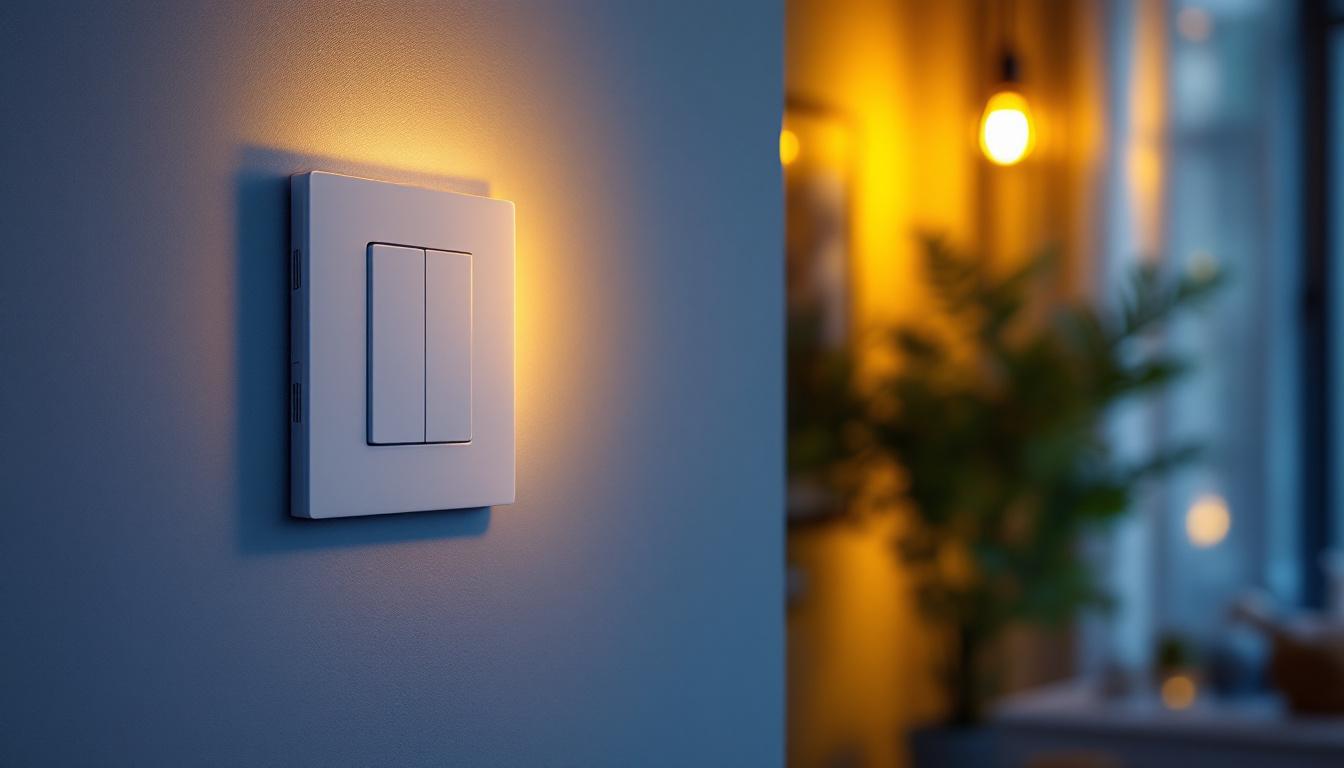
By integrating Z-Wave switches and dimmers, contractors can offer clients a smart lighting solution that is both flexible and future-proof. The technology supports remote control, scheduling, and automation, enhancing user convenience and energy efficiency. Furthermore, Z-Wave is compatible with a wide range of devices, from motion sensors to smart thermostats, allowing homeowners to create a fully integrated smart home ecosystem. This interoperability not only simplifies the user experience but also opens up a world of possibilities for customized lighting scenarios, such as setting the perfect ambiance for movie nights or automatically adjusting lights based on the time of day.
Moreover, Z-Wave technology is designed with security in mind. Each device communicates using encrypted signals, which helps protect against unauthorized access and ensures that the homeowner’s data remains private. This focus on security is crucial as more homeowners embrace smart technology, making Z-Wave an appealing choice for those concerned about cybersecurity. Additionally, the ability to monitor energy usage through Z-Wave-enabled devices provides valuable insights, enabling users to make informed decisions about their energy consumption and further enhance their home’s efficiency.
Benefits of Z-Wave Switches and Dimmers for Lighting Projects
Streamlined Installation and Reduced Wiring Complexity
Traditional lighting installations often require extensive wiring, especially when dimmers or multiple switches control a single fixture. Z-Wave switches and dimmers communicate wirelessly, minimizing the need for complex wiring runs. This reduces installation time and labor costs, which can be a significant advantage in large-scale projects.
Additionally, the wireless nature of Z-Wave allows for easier retrofitting in existing buildings where running new wires might be disruptive or impractical. Contractors can upgrade lighting systems without tearing into walls or ceilings, preserving the building’s aesthetics and cutting down on project delays. This flexibility not only enhances the efficiency of the installation process but also opens up opportunities for creative design solutions, allowing for the placement of switches and dimmers in locations that best suit the user’s needs without being constrained by existing wiring layouts.
Enhanced Control and Customization
Z-Wave dimmers offer precise control over lighting levels, enabling smooth transitions and customized scenes. This is particularly important in commercial environments like restaurants, offices, or retail spaces, where lighting ambiance impacts customer experience and employee productivity.
Contractors can program dimmers to respond to schedules, occupancy sensors, or daylight sensors, optimizing energy use without sacrificing comfort. The ability to integrate with other smart home or building automation systems further expands the possibilities, creating a cohesive environment that responds intelligently to user needs. For instance, in a home theater setting, Z-Wave dimmers can be programmed to create a specific lighting scene that enhances the viewing experience, automatically dimming lights when a movie starts and brightening them at the end. This level of customization not only elevates user experience but also showcases the versatility of Z-Wave technology in various settings.
Energy Efficiency and Cost Savings
Lighting accounts for a significant portion of energy consumption in buildings. By installing Z-Wave dimmers and switches, contractors help clients reduce energy waste through automated dimming and scheduling. For instance, lights can automatically dim during daylight hours or turn off in unoccupied rooms.
These energy savings translate into lower utility bills and a smaller carbon footprint, which is increasingly important for businesses aiming to meet sustainability goals or comply with energy regulations. Offering Z-Wave solutions positions contractors as providers of environmentally responsible and cost-effective lighting systems. Moreover, the integration of Z-Wave technology can lead to additional benefits such as improved maintenance schedules, as smart systems can alert facility managers to potential issues like burnt-out bulbs or malfunctioning fixtures, allowing for proactive rather than reactive management. This not only enhances the longevity of the lighting systems but also contributes to overall operational efficiency, making Z-Wave an attractive option for both residential and commercial projects.
Practical Applications and Project Examples
Residential Lighting Upgrades
Homeowners often seek smart lighting solutions that enhance convenience and ambiance. Z-Wave switches and dimmers allow lighting contractors to deliver these features without major electrical work. For example, a contractor can replace standard switches with Z-Wave-enabled devices that homeowners control via smartphone apps or voice assistants.
Scenes can be programmed for different times of day or activities, such as reading, entertaining, or relaxing. The wireless setup also makes it easier to add new devices later, supporting future expansions like smart plugs or sensors. Additionally, homeowners can set up automated schedules, ensuring that lights turn on and off at specific times, which not only enhances security but also contributes to energy savings. Integration with motion sensors can further optimize energy use by ensuring lights are only on when needed, creating a truly responsive home environment.
Commercial and Hospitality Settings
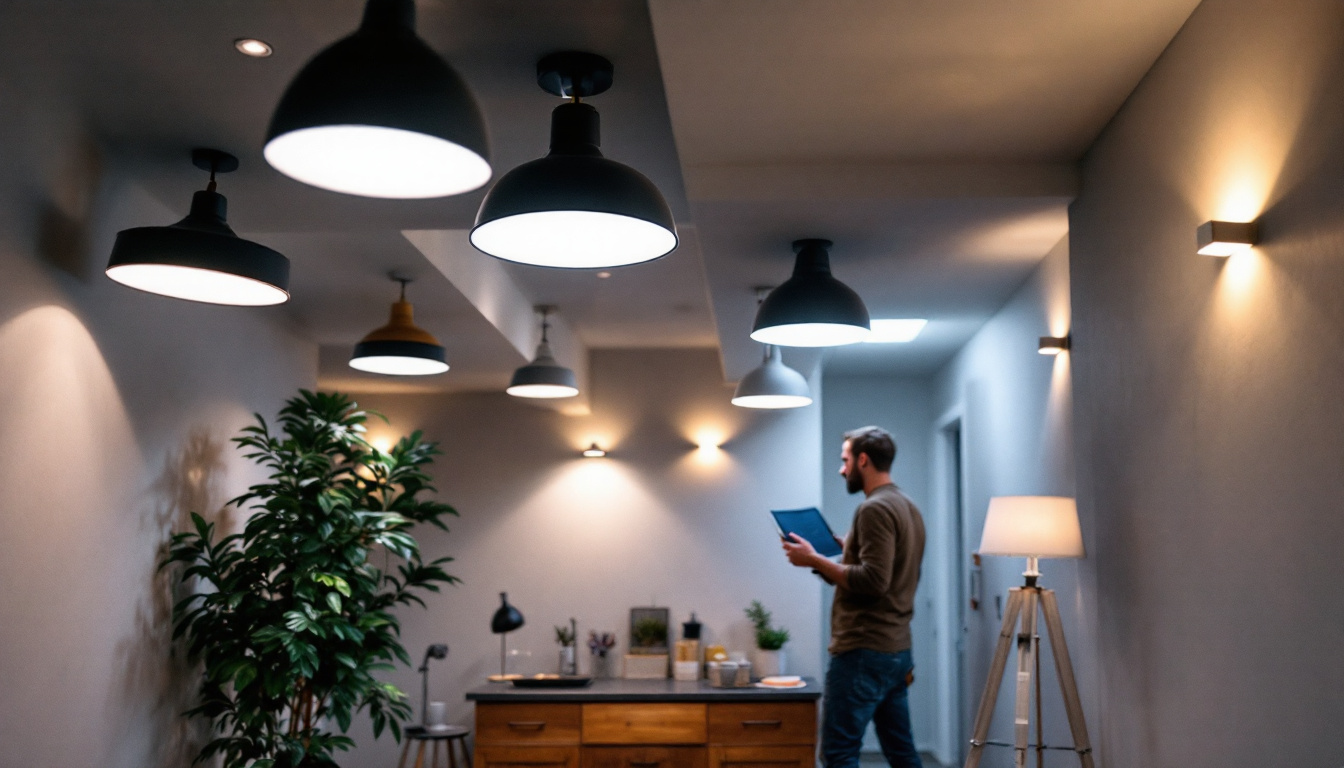
In commercial projects, lighting design is critical for both aesthetics and functionality. Z-Wave dimmers enable fine-tuned control over lighting zones, allowing businesses to create dynamic environments that adjust throughout the day. Hotels, for example, can use Z-Wave systems to control lobby lighting, guest rooms, and conference areas independently.
Lighting contractors benefit from the system’s scalability and ease of integration with other building management tools. This reduces commissioning time and simplifies ongoing maintenance, which clients appreciate for minimizing operational disruptions. Furthermore, the ability to create programmable lighting scenes for events or different times of day can enhance the guest experience, making spaces feel more inviting and tailored to specific needs. For instance, a restaurant can dim the lights during dinner service while brightening them for lunch, all controlled seamlessly through the same interface.
Retrofit Projects in Historic or Complex Buildings
Older buildings often pose challenges for lighting upgrades due to outdated wiring or architectural constraints. Z-Wave switches and dimmers provide a wireless alternative that avoids invasive rewiring. Contractors can install smart lighting controls without compromising the building’s structure or design.
This approach not only preserves the building’s integrity but also adds modern functionality, increasing property value and tenant satisfaction. The mesh network ensures reliable communication even in thick-walled or multi-story buildings. Moreover, retrofitting with Z-Wave technology can be a selling point for potential tenants or buyers who appreciate the blend of historic charm with modern conveniences. By incorporating features like remote access and customizable lighting scenes, these projects can attract a wider audience looking for unique living or working spaces that meet contemporary standards of comfort and efficiency.
Choosing the Right Z-Wave Switches and Dimmers
Compatibility and Certification
Not all Z-Wave devices are created equal. Lighting contractors should select switches and dimmers certified by the Z-Wave Alliance to ensure interoperability with other smart devices. Certification guarantees that the device meets strict standards for security, reliability, and performance.
Compatibility with existing lighting loads is also critical. Some dimmers are designed for LED, CFL, or incandescent bulbs, while others support multiple types. Selecting the appropriate device prevents flickering, buzzing, or premature bulb failure.
Installation Considerations
While Z-Wave devices reduce wiring complexity, proper installation still requires attention to detail. Contractors should verify that the switch box has a neutral wire, as many Z-Wave dimmers require it for power. In older homes, this might necessitate additional wiring work.
Understanding the electrical load and ensuring the dimmer’s rating matches the circuit prevents overloading and ensures safe operation. Training on device programming and network setup is also essential for smooth commissioning and client handoff.
Integration and Expandability
Lighting contractors should consider how the Z-Wave switches and dimmers fit into the broader automation ecosystem. Devices that support integration with popular hubs or platforms offer clients more flexibility and future-proofing.
Expandable systems allow for adding sensors, smart plugs, or security devices over time, creating a comprehensive smart building solution. This approach increases client satisfaction and opens opportunities for ongoing service contracts.
Maximizing Project Efficiency with Z-Wave Solutions
Reduced Labor and Faster Turnaround
Wireless Z-Wave switches and dimmers cut down on the need for extensive wiring runs, which accelerates installation timelines. Contractors can complete projects faster, reducing labor costs and improving profitability.
Faster turnaround also benefits clients by minimizing downtime and disruption. This is particularly important in commercial settings where extended outages can impact business operations.
Simplified Troubleshooting and Maintenance
Z-Wave networks provide diagnostic tools that help contractors identify and resolve issues remotely. This reduces the need for on-site visits and speeds up problem resolution.
Firmware updates can be pushed over the air, ensuring devices remain secure and up to date without manual intervention. This proactive maintenance capability enhances system reliability and client trust.
Improved Client Communication and Satisfaction
Offering Z-Wave lighting solutions positions contractors as forward-thinking professionals who deliver value beyond traditional electrical work. Demonstrating the benefits of smart lighting-energy savings, convenience, and customization-helps clients appreciate the investment.
Providing training and support for the Z-Wave system ensures clients feel confident using their new lighting controls, leading to positive reviews and repeat business.
Conclusion: A Smart Investment for Lighting Contractors
Z-Wave switches and dimmers represent a powerful tool for lighting contractors aiming to increase project efficiency and deliver superior client outcomes. Their wireless mesh networking, energy-saving capabilities, and ease of installation make them ideal for a wide range of applications.
By embracing Z-Wave technology, contractors can reduce labor costs, speed up installations, and offer clients a customizable, scalable lighting control solution. This not only enhances project profitability but also builds a reputation for innovation and quality in a competitive market.
Incorporating Z-Wave switches and dimmers into lighting projects is more than a technical upgrade-it’s a strategic move that aligns with the future of smart building automation.
Illuminate Your Projects with LumenWholesale
Ready to elevate your lighting projects with the efficiency and innovation of Z-Wave switches and dimmers? Look no further than LumenWholesale, where we provide contractors with the highest quality, spec-grade lighting solutions at unbeatable wholesale prices. Say goodbye to middleman markups and hello to a vast selection of reliable, high-performance products that meet the most rigorous industry standards. With LumenWholesale, bulk buying is a breeze, thanks to our hassle-free process and free shipping. Don’t compromise on quality or value—choose LumenWholesale for the perfect blend of affordability and convenience. Make the smart choice for your lighting needs and discover wholesale lighting at the best value today.