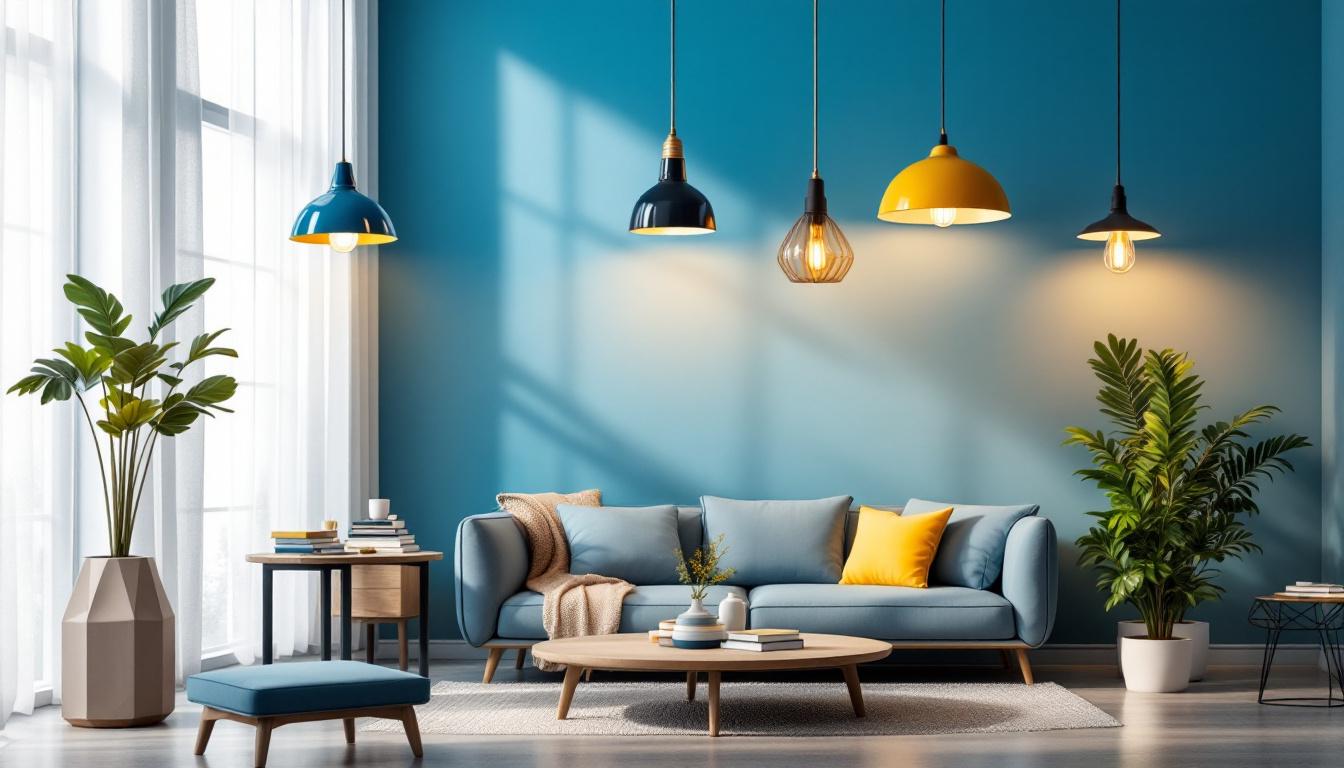
As lighting contractors, understanding where to source pendant lights is crucial for delivering quality projects that meet client expectations. Pendant lights not only provide functional illumination but also serve as key design elements in residential and commercial spaces. This article explores the best practices for purchasing pendant lights, ensuring that contractors can make informed decisions that enhance their offerings.
Understanding Pendant Lights
Pendant lights are versatile fixtures that hang from the ceiling, typically suspended by a cord, chain, or rod. They are ideal for various settings, from kitchens and dining areas to retail spaces and offices. The right pendant light can dramatically alter the ambiance of a room, making it essential for contractors to select the appropriate style, size, and functionality for each project. In addition to their aesthetic appeal, pendant lights can also serve practical purposes, such as providing focused task lighting over countertops or dining tables, enhancing both the functionality and beauty of a space.
Types of Pendant Lights
Before diving into purchasing options, it’s important to understand the different types of pendant lights available. These can be categorized into several styles, including:
- Mini Pendants: Ideal for small spaces or clustered arrangements.
- Multi-Light Pendants: Combine several light sources for a dramatic effect.
- Drum Pendants: Feature a cylindrical shade, providing a soft, diffused light.
- Chandelier Pendants: Offer a more ornate design, often used as statement pieces.
Each type has its unique characteristics and applications, making it important for contractors to match the pendant style with the client’s vision and the space’s requirements. For instance, mini pendants can be hung in a row above a kitchen island to create a cohesive look, while drum pendants might be more suitable for a cozy reading nook, providing a warm glow that invites relaxation. Understanding these nuances not only enhances the design but also ensures that the lighting serves its intended purpose effectively.
Key Considerations When Buying Pendant Lights
When selecting pendant lights, several factors should be taken into account to ensure the best fit for the project:
- Size: The size of the pendant should be proportionate to the space. Larger rooms may benefit from bigger fixtures, while smaller areas might require more compact designs.
- Height: Consider the mounting height to ensure adequate illumination without obstructing views or movement.
- Style: The design should complement the overall aesthetic of the space, whether it’s modern, traditional, or eclectic.
Furthermore, the choice of materials and finishes can significantly impact the overall look and feel of the pendant lights. For example, a sleek metal finish may enhance a contemporary kitchen, while a rustic wood finish could add warmth to a farmhouse-style dining area. Additionally, energy efficiency is becoming increasingly important; opting for LED bulbs can provide the desired brightness while reducing energy consumption and maintenance costs. By considering these factors, contractors can ensure that their selections not only meet the functional needs of the space but also resonate with the client’s personal style and values.
Where to Buy Pendant Lights
Finding the right source for pendant lights is critical for contractors looking to provide quality products. Here are some of the best avenues to explore:
Local Lighting Showrooms
Visiting local lighting showrooms can provide invaluable insights into the latest trends and product offerings. Showrooms often feature a wide range of pendant lights, allowing contractors to see and feel the products before making a purchase. Additionally, knowledgeable staff can offer expert advice on selecting the right fixtures based on specific project needs. Many showrooms also host events or workshops that showcase new designs and technologies, providing contractors with the opportunity to network with industry professionals and stay updated on emerging trends.
Online Retailers
With the rise of e-commerce, online retailers have become a popular option for purchasing pendant lights. Websites dedicated to home improvement and lighting often provide extensive catalogs, competitive pricing, and customer reviews. However, it’s essential to ensure that the retailer has a reliable return policy and customer service, as purchasing online may limit the opportunity to inspect the product beforehand. Additionally, many online retailers offer virtual consultations or augmented reality tools that allow contractors to visualize how different pendant lights will look in their projects, making the selection process more efficient and tailored to specific design aesthetics.
Wholesale Suppliers
For contractors working on larger projects, wholesale suppliers can be an excellent resource. These suppliers typically offer bulk pricing, which can significantly reduce costs. Establishing a relationship with a wholesale supplier may also lead to exclusive deals and access to new product lines. It’s advisable to compare different wholesalers to find the best quality and pricing. Furthermore, many wholesalers provide additional services such as project consultations, which can help contractors determine the best lighting solutions for their specific needs, ensuring a cohesive and stylish finish to their projects.
Best Practices for Purchasing Pendant Lights
To maximize the effectiveness of purchasing pendant lights, contractors should adhere to several best practices:
Research and Compare
Before making a purchase, thorough research is essential. Compare different brands, styles, and prices to ensure that the selected pendant lights meet both budgetary and aesthetic requirements. Utilize online resources, customer reviews, and industry publications to gather information on the latest trends and product innovations. Additionally, visiting showrooms can provide a tactile experience, allowing contractors to see the quality and finish of the lights in person. This step can also help in visualizing how different designs will complement the overall decor of the space.
Consider Energy Efficiency
With an increasing emphasis on sustainability, energy-efficient lighting options should be a priority. Look for pendant lights that use LED technology or have energy-efficient ratings. These options not only reduce energy consumption but can also appeal to environmentally conscious clients. Moreover, energy-efficient lights often have a longer lifespan, which translates to lower maintenance costs over time. Educating clients about the benefits of these options can enhance their satisfaction and promote a greener approach to home design.
Plan for Installation
When purchasing pendant lights, consider the installation process. Some fixtures may require additional hardware or specialized installation techniques. It’s important to have a clear understanding of the installation requirements to avoid complications during the project. Additionally, ensure that the chosen lights comply with local building codes and regulations. Proper planning also includes evaluating the height and placement of the pendant lights to ensure optimal illumination and aesthetic appeal. For instance, in dining areas, pendant lights should be hung at a height that provides adequate light while maintaining an inviting atmosphere, typically around 30 to 36 inches above the table.
Choose the Right Size and Scale
Another critical aspect of purchasing pendant lights is selecting the right size and scale for the intended space. Oversized fixtures can overwhelm a small room, while tiny pendants may get lost in larger areas. To determine the appropriate size, contractors can use the rule of thumb that suggests adding the room’s dimensions together (in feet) and converting that number to inches for the diameter of the pendant. This method ensures that the light fixture is proportionate to the space, enhancing both functionality and design. Moreover, considering the scale of surrounding furniture and architectural features can lead to a more cohesive and harmonious look.
Building Relationships with Suppliers
Establishing strong relationships with suppliers can greatly benefit contractors in the long run. Here are some strategies to foster these connections:
Communicate Clearly
Effective communication is key when working with suppliers. Clearly outline project requirements, timelines, and budget constraints to ensure that both parties are on the same page. This transparency can lead to better service and more favorable terms.
Provide Feedback
After completing a project, providing feedback to suppliers can help improve future collaborations. Share insights on product performance, client satisfaction, and any challenges encountered. This feedback can be invaluable for suppliers looking to enhance their offerings and service.
Attend Industry Events
Participating in industry events, trade shows, and networking opportunities can help contractors connect with suppliers and manufacturers. These events often showcase the latest products and technologies, allowing contractors to stay informed about emerging trends in lighting design.
Trends in Pendant Lighting
Staying updated on current trends in pendant lighting can help contractors make informed choices that resonate with clients. Here are some notable trends to consider:
Minimalist Designs
Minimalism continues to be a dominant trend in interior design, and pendant lights are no exception. Simple, clean lines and understated designs are favored for their versatility and ability to blend seamlessly into various decor styles. Contractors should consider incorporating minimalist pendant lights into their offerings to appeal to modern clients.
Smart Lighting Solutions
As technology advances, smart lighting solutions are becoming increasingly popular. Pendant lights equipped with smart technology allow users to control brightness, color, and even scheduling through mobile apps. Offering these options can set contractors apart and cater to tech-savvy clients looking for convenience and customization.
Bold Colors and Finishes
While neutral tones remain popular, bold colors and unique finishes are making a comeback in pendant lighting. Contractors should be open to exploring vibrant hues and unconventional materials that can serve as statement pieces in a room. This trend allows for greater creativity and personalization in lighting design.
Conclusion
In conclusion, finding the right pendant lights is a multifaceted process that requires careful consideration and research. By understanding the types of pendant lights available, exploring various purchasing avenues, and adhering to best practices, lighting contractors can enhance their offerings and meet client expectations effectively. Building strong relationships with suppliers and staying informed about industry trends will further empower contractors to deliver exceptional lighting solutions that elevate any space.
Ultimately, the goal is to create environments that are not only well-lit but also aesthetically pleasing and functional. By following these guidelines, lighting contractors can navigate the pendant lighting market with confidence, ensuring successful projects and satisfied clients.
Discover Exceptional Pendant Lighting with LumenWholesale
Ready to elevate your lighting projects with the finest pendant lights on the market? Look no further than LumenWholesale, where we provide contractors with spec-grade lighting solutions at unbeatable wholesale prices. Our commitment to quality and affordability means you can access a vast selection of premium lighting without the extra costs typically associated with local distributors. Plus, with free shipping on bulk orders, you can stock up on the lighting you need without worrying about hidden fees. Make your next project shine by choosing Wholesale Lighting at the Best Value with LumenWholesale.