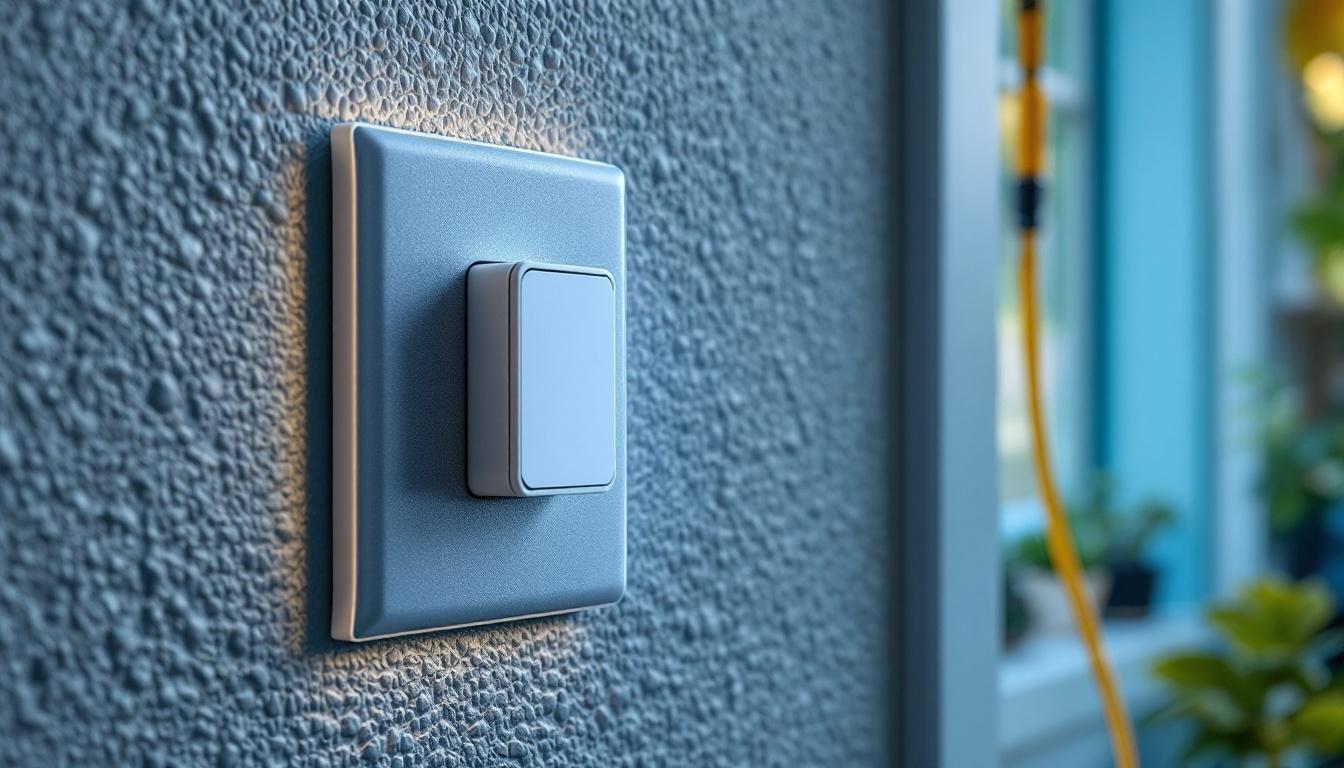
Understanding the Single Pole Light Switch
When working on residential or commercial lighting projects, the single pole light switch is one of the most common components encountered. Despite its ubiquity, it’s essential for lighting contractors to fully grasp what a single pole switch is, how it operates, and why it remains a fundamental part of electrical installations.
A single pole light switch is a simple on/off switch that controls a light fixture or group of fixtures from a single location. It is the standard switch found in most homes and buildings, designed to interrupt or complete the electrical circuit powering the light. Unlike more complex switches such as three-way or four-way switches, which allow control from multiple locations, the single pole switch has just two terminals and one switch mechanism.
Basic Construction and Functionality
The typical single pole switch has two brass terminals where the hot (live) wires connect. When the switch is flipped to the “on” position, it closes the circuit, allowing electricity to flow to the light fixture. Flipping it “off” opens the circuit, cutting power. The simplicity of this design makes it reliable and easy to install.
From a contractor’s perspective, the single pole switch’s straightforward wiring reduces installation time and minimizes troubleshooting complexity. It’s important, however, to ensure that the switch is rated appropriately for the load it controls, especially when working with LED or CFL lighting, which can have different electrical characteristics compared to traditional incandescent bulbs.
In addition to its basic functionality, the single pole switch can also come in various styles and finishes, allowing for aesthetic customization in different environments. From sleek modern designs to more traditional looks, these switches can complement the overall decor of a room. Furthermore, many manufacturers now offer smart single pole switches that integrate with home automation systems, enabling users to control their lighting remotely via smartphone apps or voice commands. This evolution not only enhances convenience but also promotes energy efficiency by allowing users to monitor and manage their lighting usage more effectively.
Moreover, safety considerations are paramount when installing single pole switches. It is crucial to adhere to local electrical codes and standards to prevent hazards such as short circuits or electrical fires. Using switches with built-in safety features, like tamper-resistant designs or those with indicator lights, can further enhance safety. Additionally, educating homeowners about the importance of regular maintenance, such as checking for loose connections or signs of wear, can prolong the life of the switch and ensure continued safe operation.
Why Single Pole Switches Matter in Lighting Projects
For lighting contractors, understanding the role of single pole switches goes beyond basic installation. It affects project planning, safety compliance, and client satisfaction. Here’s why this knowledge is crucial.
Compliance with Electrical Codes and Safety Standards
Electrical codes often specify the use of single pole switches in certain applications. For example, in rooms where lighting control is only needed from one location, a single pole switch is the appropriate device to meet code requirements. Using the wrong type of switch can lead to code violations, failed inspections, and costly rework.
Additionally, ensuring proper wiring and grounding of single pole switches is critical for safety. Faulty wiring can cause electrical shocks or fire hazards. Lighting contractors must be vigilant in following manufacturer instructions and local regulations when installing these switches.
Furthermore, understanding the specific requirements for different environments can enhance safety and functionality. For instance, in wet or damp locations, using switches that are rated for such conditions is essential. This not only complies with safety regulations but also prolongs the lifespan of the switch and minimizes the risk of electrical failures. Contractors should also be aware of the importance of using GFCI (Ground Fault Circuit Interrupter) protection in these areas, which can further safeguard against potential hazards.
Cost-Effectiveness and Efficiency
Single pole switches are generally less expensive than multi-way switches and dimmers. For projects with straightforward lighting control needs, choosing single pole switches can help keep costs down without compromising functionality. This is particularly relevant in large-scale residential or commercial builds where hundreds of switches might be installed.
Moreover, the ease of installation means contractors can complete jobs more quickly, improving overall efficiency and profitability. Time saved on wiring and troubleshooting single pole switches can be allocated to more complex tasks. Additionally, the straightforward design of single pole switches often leads to fewer callbacks for repairs or adjustments, which can be a significant advantage in maintaining a good reputation and client trust.
In terms of energy efficiency, single pole switches can also play a role in reducing energy consumption when paired with energy-efficient lighting solutions. By allowing users to easily control their lighting, these switches can help minimize unnecessary energy use, particularly in spaces that are not frequently occupied. This not only benefits the environment but can also lead to lower utility bills for clients, making the project more appealing overall.
Common Applications and Installation Tips
Single pole switches are versatile and appear in a variety of settings. Knowing where and how to install them correctly is part of a lighting contractor’s expertise.
Typical Use Cases
Single pole switches are standard in bedrooms, kitchens, bathrooms, and hallways where lighting control from one location suffices. They are also used for controlling fans, exhausts, and other fixtures that don’t require multi-location control. In residential settings, these switches are often found at the entry points of rooms, allowing for easy access to lighting as one enters or exits.
In commercial environments, single pole switches might control lighting in smaller offices, storage rooms, or utility areas. Their simplicity makes them ideal for spaces that don’t demand complex lighting schemes. Additionally, they can be found in retail environments, where they are used to control display lighting, ensuring products are well-lit without the need for intricate wiring setups. This straightforward functionality not only enhances the aesthetic appeal of a space but also contributes to energy efficiency by allowing users to turn off lights when not needed.
Installation Best Practices
When installing a single pole switch, always turn off power at the breaker to avoid accidents. Use a voltage tester to confirm the circuit is de-energized before handling wires. It’s also wise to familiarize yourself with local electrical codes, as they can vary and may dictate specific requirements for switch installations.
Connect the incoming hot wire to one brass terminal and the outgoing wire to the fixture to the other terminal. The neutral wire bypasses the switch and goes directly to the fixture. Ground wires should be connected to the green grounding screw on the switch and bonded to the electrical box if it’s metal. Proper grounding is crucial for safety, as it helps prevent electrical shock and ensures that the switch operates correctly under fault conditions.
Ensure wires are stripped to the correct length and securely fastened under the terminal screws. Loose connections can cause arcing and switch failure. After installation, test the switch operation before restoring full power. It’s also beneficial to label each switch in multi-switch configurations to avoid confusion during future maintenance or upgrades. Taking these extra precautions can save time and enhance the overall reliability of your electrical installations.
Challenges and Considerations for Lighting Contractors
While single pole switches are straightforward, certain challenges can arise, especially with modern lighting technologies and complex electrical systems.
Compatibility with LED and Smart Lighting
LED lights often have lower wattage requirements and different electrical characteristics compared to traditional bulbs. Some single pole switches, especially older models, may not work properly with LEDs, causing flickering or buzzing.
Lighting contractors should select switches rated for LED compatibility or consider smart switches that offer additional features like dimming and remote control. This ensures client satisfaction and reduces callbacks. Moreover, as smart home technology continues to evolve, integrating lighting controls with home automation systems can provide clients with enhanced convenience and energy efficiency. Understanding the nuances of various smart lighting protocols, such as Zigbee or Z-Wave, can help contractors provide tailored solutions that meet the specific needs of their clients.
Identifying and Replacing Faulty Switches
Over time, single pole switches may wear out or fail. Common symptoms include lights that won’t turn on or off, flickering, or a switch that feels loose or overheated. Diagnosing these issues requires knowledge of electrical circuits and safe troubleshooting methods.
Replacing a faulty switch involves the same wiring process as installation but requires careful attention to wire labeling and circuit identification to avoid mistakes. Contractors should also educate clients on the signs of switch failure to encourage timely maintenance. In addition, providing clients with information on the lifespan of different types of switches can help them make informed decisions about upgrades or replacements. For instance, while traditional switches may last several years, modern smart switches often come with warranties and can offer longer-term reliability, making them a worthwhile investment for homeowners looking to enhance their lighting systems.
Conclusion: Mastering the Single Pole Switch for Professional Success
The single pole light switch might seem basic, but it’s a cornerstone of lighting control in countless projects. For lighting contractors, mastering its function, installation, and troubleshooting is essential. It ensures compliance with safety standards, enhances project efficiency, and supports client satisfaction.
Staying informed about advancements in switch technology and lighting compatibility will help contractors maintain their reputation as knowledgeable, reliable professionals. Whether working on a simple home renovation or a complex commercial build, the single pole switch remains a vital tool in the lighting contractor’s toolkit.
Get Your Premium Single Pole Switches at LumenWholesale
Ready to elevate your lighting projects with the highest quality single pole switches? Look no further than LumenWholesale, where we provide contractors with spec-grade lighting products at unbeatable wholesale prices. Our extensive selection is designed to meet the highest industry standards, ensuring you have access to reliable and high-performance lighting components for every installation. Plus, with free shipping on bulk orders, you can stock up on premium lighting solutions without worrying about hidden fees or compromises. Don’t let inflated markups dim your project’s potential. Choose LumenWholesale for the perfect blend of quality, affordability, and convenience. Wholesale Lighting at the Best Value is just a click away.