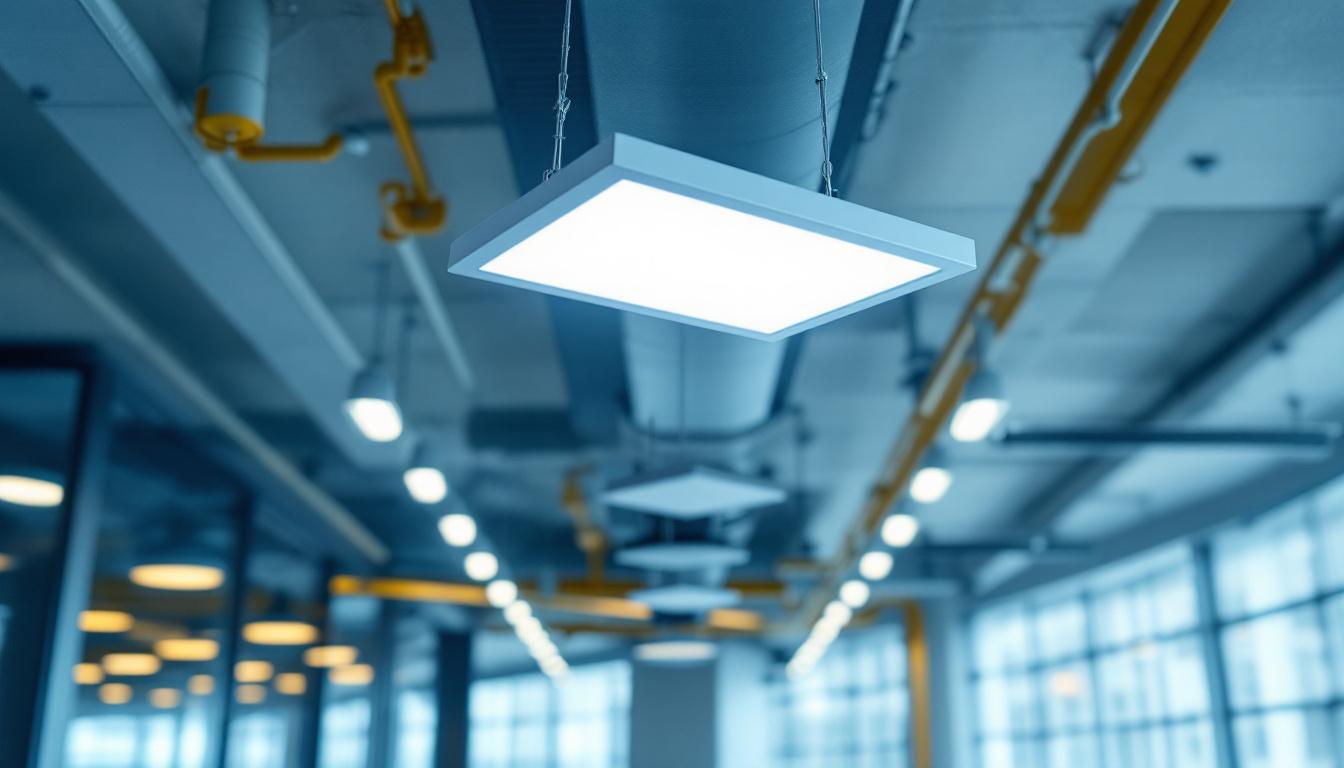
Troffer light fixtures are a staple in commercial and industrial lighting, known for their efficiency and versatility. These fixtures are typically recessed into the ceiling and provide a broad, even distribution of light, making them ideal for various applications. Understanding the components, benefits, and installation considerations of troffer light fixtures can help lighting contractors make informed decisions for their projects.
Understanding Troffer Light Fixtures
A troffer light fixture is designed to fit into a grid ceiling, which is common in office buildings, schools, and retail spaces. The term “troffer” refers to the rectangular shape of the fixture, which usually measures 2×2 or 2×4 feet. These fixtures can house different types of light sources, including fluorescent, LED, and incandescent bulbs. The design not only allows for easy installation but also integrates seamlessly into the architecture of modern interiors, providing a clean and unobtrusive look that enhances the overall aesthetic of a space.
Types of Troffer Light Fixtures
Troffer fixtures come in various types, each designed to meet specific lighting needs. The most common types include:
- Fluorescent Troffers: Traditionally used in commercial settings, fluorescent troffers are energy-efficient and provide a soft, diffused light. They often come with a reflector that enhances light distribution. These fixtures are particularly valued for their ability to illuminate large areas evenly, making them a staple in spaces where consistent lighting is crucial.
- LED Troffers: LED technology has revolutionized troffer lighting. These fixtures are highly energy-efficient, have a longer lifespan, and can be dimmed for adjustable brightness. Additionally, LED troffers are available in various color temperatures, allowing users to choose the ambiance they wish to create, from warm and inviting to cool and energizing.
- Incandescent Troffers: Although less common today, incandescent troffers are still used in some applications. They provide warm light but are less energy-efficient compared to fluorescent and LED options. Their warm glow can create a cozy atmosphere, making them suitable for spaces where comfort is prioritized over energy savings.
Common Applications
Troffer light fixtures are versatile and can be used in a variety of settings. Their most common applications include:
- Offices: Troffers provide uniform lighting that reduces glare and eye strain, making them ideal for workspaces. The ability to install dimmable LED troffers means that employees can adjust the lighting to suit their tasks, enhancing productivity and comfort throughout the day.
- Schools: In educational settings, troffers ensure that classrooms are well-lit, promoting a conducive learning environment. The use of high-quality troffer fixtures can significantly impact student engagement and focus, as proper lighting plays a crucial role in cognitive performance and overall well-being.
- Retail Spaces: Retailers often use troffer lighting to highlight products and create an inviting atmosphere for customers. The strategic placement of troffers can draw attention to specific displays, enhancing the shopping experience and encouraging purchases.
Beyond these common applications, troffer light fixtures are increasingly being utilized in healthcare facilities, where consistent and bright lighting is essential for patient care and safety. In hospitals and clinics, troffers can be found in waiting areas, examination rooms, and surgical suites, providing the necessary illumination for both staff and patients. Furthermore, advancements in smart lighting technology are paving the way for troffers equipped with sensors that adjust brightness based on occupancy and natural light levels, further enhancing energy efficiency and user comfort.
As sustainability becomes a priority in building design, many architects and designers are opting for troffer fixtures that align with green building standards. This includes selecting LED options that not only consume less energy but also reduce the frequency of replacements due to their longer lifespan. The integration of troffers into energy-efficient designs not only benefits the environment but also helps businesses save on operational costs, making them a smart choice for the future of lighting.
Benefits of Using Troffer Light Fixtures
Choosing troffer light fixtures for a project comes with numerous advantages. Understanding these benefits can help contractors advocate for their use with clients.
Energy Efficiency
One of the primary benefits of troffer fixtures, especially LED models, is their energy efficiency. LED troffers consume significantly less energy than traditional fluorescent or incandescent options, leading to lower utility bills and a reduced carbon footprint. This energy efficiency is particularly appealing for businesses looking to cut costs and promote sustainability. Furthermore, many utility companies offer rebates and incentives for installing energy-efficient lighting, which can further enhance the financial benefits of switching to LED troffers.
Longevity and Maintenance
Troffer fixtures, particularly those utilizing LED technology, have a long lifespan. LEDs can last up to 50,000 hours or more, which means less frequent replacements and reduced maintenance costs. This longevity is especially beneficial in commercial settings where downtime for maintenance can disrupt operations. Additionally, the reduced frequency of bulb changes minimizes the need for maintenance staff to be dispatched, allowing them to focus on other critical tasks within the facility, thus improving overall operational efficiency.
Design Flexibility
Troffer light fixtures are available in various designs, allowing for integration into different architectural styles. They can be customized with different lens options, colors, and finishes to match the aesthetic of a space. This design flexibility makes them a popular choice among architects and designers. Moreover, troffers can be seamlessly integrated with smart lighting systems, enabling features such as dimming, color temperature adjustments, and automated controls that enhance both functionality and ambiance in any environment. This adaptability not only meets the practical lighting needs but also elevates the overall design of the space, making it more inviting and conducive to productivity.
Installation Considerations
While troffer light fixtures offer many benefits, proper installation is crucial to maximize their effectiveness. Lighting contractors should be aware of several key considerations during the installation process.
Ceiling Type and Height
Troffer fixtures are designed for grid ceilings, but they can also be installed in drywall ceilings with additional framing. It’s essential to assess the ceiling type and height before installation. Higher ceilings may require fixtures with higher lumen output to ensure adequate illumination.
Wiring and Electrical Requirements
Understanding the electrical requirements for troffer fixtures is critical. Most fixtures operate on standard voltage, but contractors should verify the specifications to ensure compatibility with the existing electrical system. Proper wiring is essential for safety and performance.
Lighting Layout and Design
Creating an effective lighting layout is key to achieving the desired illumination levels. Contractors should consider factors such as the size of the space, the purpose of the lighting, and the placement of furniture and equipment. A well-planned layout will enhance the functionality and aesthetics of the area.
Choosing the Right Troffer Light Fixture
With numerous options available, selecting the right troffer light fixture can be challenging. Contractors should consider several factors to ensure they make the best choice for their clients.
Light Output and Color Temperature
Light output, measured in lumens, is a critical factor when choosing a troffer fixture. The required lumen output will depend on the size of the space and its intended use. Additionally, color temperature affects the ambiance of a room. Warmer temperatures (2700K-3000K) create a cozy atmosphere, while cooler temperatures (3500K-5000K) promote alertness and focus.
Control Options
Modern troffer fixtures often come with advanced control options, including dimming capabilities and smart lighting features. These controls can enhance energy efficiency and allow users to tailor the lighting to specific tasks or moods. Contractors should discuss these options with clients to determine their preferences.
Budget Considerations
Budget is always a consideration in any lighting project. Troffer fixtures vary widely in price depending on the technology, brand, and features. Contractors should provide clients with options that fit their budget while still meeting their lighting needs. Investing in higher-quality fixtures may lead to long-term savings through reduced energy and maintenance costs.
Maintenance and Troubleshooting
Proper maintenance is essential for the longevity and performance of troffer light fixtures. Understanding common issues and their solutions can help contractors provide better service to their clients.
Regular Cleaning
Dust and dirt can accumulate on the lenses and reflectors of troffer fixtures, reducing their light output. Regular cleaning is necessary to maintain optimal performance. Contractors should recommend a cleaning schedule to clients, emphasizing the importance of using appropriate cleaning materials to avoid damaging the fixtures.
Identifying and Replacing Bulbs
In the case of fluorescent troffers, identifying burnt-out bulbs is essential for maintaining consistent lighting. Contractors should educate clients on how to check for non-functional bulbs and the proper procedure for replacing them. For LED fixtures, troubleshooting may involve checking connections and ensuring the driver is functioning correctly.
Addressing Flickering or Dimming
Flickering or dimming lights can indicate issues with the fixture or the electrical supply. Contractors should be prepared to troubleshoot these problems, which may involve checking wiring connections, replacing faulty drivers, or assessing the compatibility of dimmer switches with LED fixtures.
Conclusion
Troffer light fixtures are a versatile and efficient lighting solution for various commercial and industrial applications. Understanding their types, benefits, installation considerations, and maintenance needs can empower lighting contractors to make informed decisions. With the right knowledge and approach, contractors can ensure that their clients receive optimal lighting solutions that enhance both functionality and aesthetics.
As the demand for energy-efficient lighting continues to grow, troffer fixtures, particularly those utilizing LED technology, will remain a popular choice. By staying informed about the latest advancements and trends in troffer lighting, contractors can position themselves as experts in the field, providing valuable insights and solutions to their clients.
Illuminate Your Projects with LumenWholesale
Ready to elevate your lighting projects with the most efficient troffer light fixtures on the market? Look no further than LumenWholesale for a vast selection of premium, spec-grade lighting solutions at unbeatable wholesale prices. Say goodbye to local distributor markups and hello to high-performance lighting that meets the highest industry standards. With LumenWholesale, bulk buying is a breeze, thanks to free shipping and transparent pricing. Don’t compromise on quality or value; choose LumenWholesale for the perfect blend of affordability and convenience. Wholesale Lighting at the Best Value is just a click away.