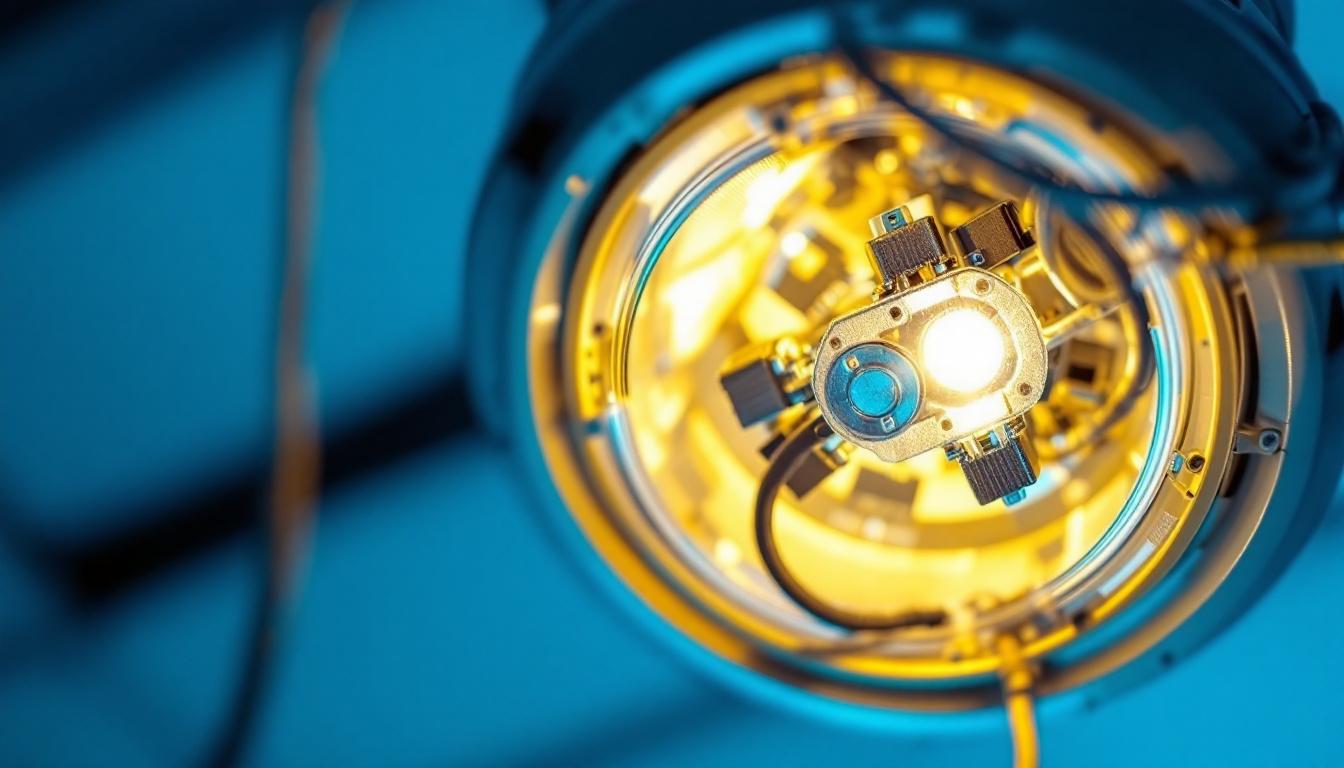
Understanding the Role of a Ballast in Lighting Systems
For lighting contractors, a deep understanding of every component in a lighting system is essential for delivering reliable, energy-efficient, and safe installations. One such critical component is the ballast. Though often overlooked by end-users, the ballast plays a pivotal role in the operation of certain types of light fixtures, particularly fluorescent and HID (High-Intensity Discharge) lamps.
At its core, a ballast regulates the electrical current supplied to a lamp. Without a ballast, the lamp could draw excessive current, leading to overheating, flickering, or premature failure. Essentially, the ballast acts as a current stabilizer, ensuring that the lamp receives the appropriate voltage and current to operate efficiently and safely.
Lighting contractors must recognize that ballasts are not a one-size-fits-all solution. Different lamps require different types of ballasts, and selecting the right ballast is crucial for optimal performance and compliance with electrical codes and energy standards.
There are primarily two types of ballasts: magnetic and electronic. Magnetic ballasts are the traditional option, utilizing coils and transformers to regulate current. They are often favored for their durability and reliability, especially in industrial settings. However, they tend to be bulkier and less energy-efficient compared to their electronic counterparts. Electronic ballasts, on the other hand, are lighter, more compact, and offer better energy efficiency by providing a more stable current and reducing flicker. They also have the added benefit of being compatible with dimming systems, making them a popular choice for modern lighting applications.
Moreover, the choice of ballast can significantly affect the overall energy consumption of a lighting system. For instance, using an electronic ballast can lead to energy savings of up to 30% compared to magnetic ballasts. This not only contributes to lower utility bills but also supports sustainability efforts by reducing the overall carbon footprint of lighting installations. As energy efficiency becomes increasingly important in today’s environmentally conscious market, contractors must stay informed about the latest advancements in ballast technology to provide their clients with the most effective solutions available.
Types of Ballasts and Their Applications
Magnetic Ballasts
Magnetic ballasts are the traditional type, using electromagnetic induction to regulate current. They are typically constructed with coils and capacitors and have been widely used in fluorescent lighting for decades. While magnetic ballasts are reliable and relatively inexpensive, they tend to be heavier, generate more heat, and can cause noticeable flickering and humming noises.
Despite these drawbacks, magnetic ballasts still find applications in certain retrofit projects and in environments where cost constraints are paramount. However, lighting contractors should be aware that many jurisdictions are phasing out magnetic ballasts due to their inefficiency and environmental concerns related to materials like PCBs (polychlorinated biphenyls) in older units. In some cases, magnetic ballasts are favored for their simplicity and robustness, making them suitable for high-vibration environments such as factories or warehouses where electronic components might fail more readily. Their ability to withstand harsh conditions without significant degradation adds to their appeal in specific industrial applications.
Electronic Ballasts
Electronic ballasts have largely replaced magnetic ballasts in modern lighting systems. These devices use solid-state electronics to control the current and operate lamps at higher frequencies, typically in the range of 20,000 Hz or more. This higher frequency operation eliminates flicker, reduces noise, and improves energy efficiency by approximately 10-30% compared to magnetic ballasts.
Electronic ballasts are lighter, generate less heat, and often include features such as dimming capabilities and compatibility with occupancy sensors. For lighting contractors, electronic ballasts offer enhanced flexibility and performance, making them the preferred choice in commercial, industrial, and residential installations. Additionally, the integration of smart technology into electronic ballasts allows for advanced lighting control systems, enabling users to adjust brightness levels based on natural light availability or occupancy patterns. This adaptability not only enhances user comfort but also contributes to significant energy savings over time, aligning with the growing emphasis on sustainability in building design.
Hybrid and Specialized Ballasts
Some lighting applications require specialized ballasts, such as those designed for LED retrofit lamps or specific HID lamps like metal halide or high-pressure sodium. Hybrid ballasts may combine features of magnetic and electronic ballasts or include additional circuitry for advanced control.
Lighting contractors should consult lamp and ballast manufacturers’ specifications to ensure compatibility. Using an incompatible ballast can lead to reduced lamp life, poor light quality, or safety hazards. Furthermore, as the lighting industry evolves, hybrid ballasts are becoming increasingly popular due to their ability to support diverse lighting technologies within a single fixture. This versatility is particularly beneficial in settings like sports arenas or large retail spaces, where different types of lighting may be employed to create varying atmospheres or meet specific functional needs. As such, understanding the nuances of these specialized ballasts is crucial for contractors aiming to deliver optimal lighting solutions tailored to their clients’ unique requirements.
Key Considerations When Selecting Ballasts
Compatibility with Lamp Type and Wattage
Ensuring that the ballast matches the lamp’s specifications is fundamental. Each lamp type—fluorescent, metal halide, high-pressure sodium—has unique electrical requirements. Ballasts are rated for specific lamp wattages, and mismatching these can cause underperformance or damage.
For example, installing a ballast rated for a 32-watt fluorescent tube on a 40-watt lamp can cause insufficient current, resulting in dim light and flickering. Conversely, a ballast rated for a higher wattage lamp on a lower wattage lamp can cause overheating and shorten lamp life.
Energy Efficiency and Regulatory Compliance
Energy efficiency is a top priority in modern lighting design. Ballasts contribute significantly to the overall energy consumption of a lighting system. Electronic ballasts, especially those certified by ENERGY STAR or compliant with standards like DLC (DesignLights Consortium), help contractors meet energy codes and client expectations for sustainability.
Lighting contractors should stay informed about local and national regulations that may restrict the use of certain ballast types or mandate minimum efficiency levels. This knowledge not only ensures compliance but also positions contractors as trusted advisors to their clients.
Environmental and Safety Factors
Older magnetic ballasts may contain hazardous substances such as PCBs, which require careful handling and disposal. Contractors must be trained in identifying and safely removing these ballasts during retrofit or demolition projects.
Additionally, ballasts must meet safety certifications such as UL (Underwriters Laboratories) or CSA (Canadian Standards Association) approvals. Using uncertified ballasts can expose contractors and clients to liability risks and insurance issues.
Installation Best Practices for Lighting Contractors
Pre-Installation Assessment
Before installing or replacing ballasts, conduct a thorough assessment of the existing lighting system. Verify lamp types, wattages, and fixture conditions. Confirm that the ballast’s electrical rating matches the supply voltage and frequency (e.g., 120V/60Hz or 277V/60Hz).
Inspect wiring and connections for signs of wear, corrosion, or damage. Faulty wiring can affect ballast performance and pose safety hazards.
Proper Handling and Mounting
Ballasts should be handled carefully to avoid damage to internal components. Electronic ballasts, in particular, are sensitive to static electricity and physical shocks.
Mount ballasts securely within the fixture or enclosure, ensuring adequate ventilation to prevent overheating. Some ballasts specify mounting orientation; follow manufacturer guidelines to maintain warranty and performance.
Wiring and Connections
Follow wiring diagrams precisely. Incorrect wiring can cause lamp failure or ballast damage. Use wire connectors rated for the application and ensure all connections are tight and insulated.
For electronic ballasts with dimming or sensor compatibility, verify that control wiring is installed correctly and tested before finalizing the installation.
Testing and Commissioning
After installation, power up the system and observe lamp behavior. Look for steady illumination without flicker or noise. Measure voltage and current if possible to confirm ballast operation within specifications.
Document the installation details, including ballast model numbers, lamp types, and any deviations from standard procedures. This record supports future maintenance and troubleshooting.
Maintenance and Troubleshooting Tips
Common Ballast Issues
Ballasts can fail due to age, overheating, voltage spikes, or manufacturing defects. Symptoms include flickering lights, lamps that fail to start, humming noises, or complete lamp outages.
Identifying whether the ballast or lamp is at fault requires systematic testing. Swapping lamps or ballasts with known good units can isolate the problem. Multimeters and specialized ballast testers are valuable tools for this purpose.
Routine Maintenance Practices
Regular inspection of ballasts during scheduled maintenance can extend system life. Look for signs of discoloration, swelling, or corrosion on the ballast casing. Ensure ventilation openings are clear of dust and debris.
Replacing ballasts proactively before failure can prevent downtime, especially in critical lighting applications such as healthcare or industrial facilities.
Upgrading to Modern Ballasts
When maintaining older lighting systems, consider upgrading from magnetic to electronic ballasts. This upgrade can improve energy efficiency, reduce maintenance costs, and enhance lighting quality.
Lighting contractors should advise clients on the benefits of such upgrades, including potential utility rebates and compliance with evolving energy codes.
Emerging Trends in Ballast Technology
The lighting industry continues to evolve rapidly, with LED technology reshaping traditional lighting paradigms. While LED fixtures often do not require ballasts, many retrofit LED tubes are designed to work with existing ballasts or require ballast bypass.
Advanced electronic ballasts now incorporate smart controls, enabling integration with building automation systems for adaptive lighting, occupancy sensing, and daylight harvesting. These innovations offer lighting contractors new opportunities to deliver value-added services and energy savings.
Staying abreast of these technological advancements is crucial for contractors aiming to maintain competitive advantage and meet the growing demand for intelligent lighting solutions.
Conclusion
For lighting contractors, mastering the function, selection, installation, and maintenance of ballasts is fundamental to successful lighting projects. Ballasts are more than just electrical components; they are key to ensuring lamp performance, energy efficiency, safety, and compliance.
By adhering to best practices and staying informed about industry developments, contractors can enhance their professionalism, reduce call-backs, and provide superior lighting solutions that satisfy client expectations and regulatory requirements.
Ultimately, a well-chosen and properly installed ballast contributes to the longevity and quality of lighting systems, reinforcing the contractor’s reputation as a knowledgeable and reliable expert in the field.
Get Your Premium Ballasts at LumenWholesale
Ready to elevate your lighting projects with the highest quality ballasts? Look no further than LumenWholesale, where we offer spec-grade lighting products that combine quality, affordability, and convenience. Say goodbye to inflated markups and hello to unbeatable wholesale prices, all while enjoying the benefits of free shipping on bulk orders. Don’t compromise on performance—choose LumenWholesale for reliable lighting solutions that meet the highest industry standards. Wholesale Lighting at the Best Value is just a click away. Make the smart choice for your lighting needs today.