Understanding Wet Light and Its Significance
When dealing with outdoor or damp environments, lighting contractors often encounter the term “wet light.” It’s not just jargon—it’s a critical factor that can influence the success and safety of any lighting installation. Wet light refers to lighting fixtures and systems designed to operate safely and effectively in areas exposed to moisture, rain, or even direct water contact.
Ignoring the wet light rating or failing to select the appropriate fixtures can lead to premature failure, safety hazards, and costly repairs. For lighting contractors, understanding the nuances of wet light is essential to delivering durable, reliable solutions that meet both client expectations and regulatory standards.
Wet light fixtures are typically rated according to the Ingress Protection (IP) code, which indicates their resistance to water and dust. For example, an IP65 rating signifies that the fixture is dust-tight and protected against water jets, making it suitable for various outdoor applications. This rating system helps contractors choose the right products for specific environments, ensuring that installations can withstand the elements without compromising performance. Additionally, many manufacturers provide detailed specifications and testing results, allowing contractors to make informed decisions based on the specific needs of their projects.
Moreover, the choice of materials used in wet light fixtures is equally important. Corrosion-resistant materials such as stainless steel, aluminum, and high-grade plastics are often employed to enhance durability and longevity. These materials not only withstand exposure to moisture but also resist the damaging effects of UV rays, which can degrade less robust options over time. By selecting high-quality fixtures designed for wet environments, contractors can enhance the aesthetic appeal of outdoor spaces while ensuring safety and functionality, ultimately leading to satisfied clients and repeat business.
What Defines Wet Light Fixtures?
Wet vs. Damp vs. Dry Ratings
Lighting fixtures are often categorized based on their suitability for different environments: dry, damp, and wet locations. Dry-rated fixtures are meant for indoor, moisture-free spaces. Damp-rated fixtures can handle humidity and occasional moisture but should not be exposed to direct water. Wet-rated fixtures, however, are engineered to withstand direct exposure to water, rain, snow, and other wet conditions.
This distinction is crucial. For example, a fixture rated for damp locations might fail quickly if installed in a garden or under an open canopy where it’s exposed to rain. Wet-rated fixtures feature seals, gaskets, and materials that prevent water ingress, ensuring electrical components remain safe and functional.
IP Ratings and Their Role
In addition to wet location ratings, lighting contractors should be familiar with Ingress Protection (IP) ratings. These ratings indicate how well a fixture is protected against solids and liquids. For wet environments, an IP rating of at least IP65 is often recommended, meaning the fixture is dust-tight and protected against water jets.
Higher IP ratings, such as IP66 or IP67, offer even greater protection, suitable for installations submerged in water or exposed to heavy water jets. Understanding these ratings helps contractors select fixtures that match the specific environmental challenges of a project.
Why Wet Light Matters for Lighting Contractors
Ensuring Safety and Compliance
Electrical safety is paramount in any lighting installation. Wet light fixtures prevent water from coming into contact with live electrical parts, reducing the risk of short circuits, electric shocks, or fires. For contractors, this means fewer liabilities and safer installations.
Moreover, building codes and electrical standards often mandate the use of wet-rated fixtures in certain environments. Non-compliance can result in failed inspections, project delays, or costly rework. Contractors who understand and apply wet light principles ensure their work passes regulatory scrutiny the first time.
Extending Fixture Longevity and Reducing Maintenance
Fixtures exposed to moisture without proper wet light ratings tend to deteriorate faster. Corrosion, rust, and water damage can compromise both the fixture’s appearance and functionality. For clients, this translates into higher maintenance costs and more frequent replacements.
By installing wet-rated fixtures, contractors provide long-lasting solutions that withstand environmental stress. This not only enhances the client’s satisfaction but also boosts the contractor’s reputation for quality and reliability.
Enhancing Performance in Challenging Environments
Wet light fixtures are designed to maintain optimal performance despite exposure to moisture. This includes consistent light output, color accuracy, and energy efficiency. In applications such as landscape lighting, pool areas, or outdoor signage, maintaining these qualities is vital for aesthetic appeal and functional effectiveness.
Lighting contractors who prioritize wet light considerations can deliver installations that perform flawlessly, even in the harshest weather conditions.
Key Applications of Wet Light Fixtures
Outdoor Residential and Commercial Lighting
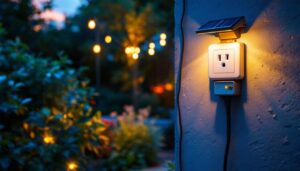
Porches, patios, walkways, and parking lots are common areas where wet light fixtures are essential. These locations regularly encounter rain, dew, or sprinkler systems. Selecting wet-rated fixtures ensures that lighting remains operational and safe throughout the year.
For commercial properties, well-lit exteriors contribute to security and curb appeal. Wet light fixtures designed for these spaces often feature robust construction and vandal-resistant designs, adding another layer of durability.
Pool and Fountain Lighting
Lighting around pools, fountains, and water features demands the highest level of water protection. Fixtures here may be submerged or splashed frequently. Wet-rated and high IP-rated fixtures are mandatory in these environments to prevent electrical hazards and maintain consistent illumination.
Contractors must also consider materials resistant to chlorine and other pool chemicals to avoid corrosion and discoloration over time.
Industrial and Marine Environments
Factories, warehouses, docks, and offshore platforms often require lighting that can withstand exposure to water, salt spray, and extreme weather. Wet light fixtures for these applications are built to meet stringent standards for durability and safety.
Lighting contractors working in these sectors must be knowledgeable about specialized wet light products that can handle corrosive environments and comply with industry-specific regulations.
Choosing the Right Wet Light Fixtures
Material Considerations
Materials play a significant role in the performance of wet light fixtures. Common options include stainless steel, aluminum with powder coating, and durable plastics. Stainless steel offers excellent corrosion resistance, making it ideal for marine or chemical-exposed environments.
Aluminum fixtures are lightweight and cost-effective but require quality coatings to prevent rust. Plastic fixtures can be highly resistant to moisture and chemicals but must be UV-stabilized to avoid degradation under sunlight.
Sealing and Gasket Quality
The effectiveness of a wet light fixture depends heavily on its sealing mechanisms. High-quality gaskets and seals prevent water ingress at joints and cable entries. Contractors should inspect these components to ensure they are intact and compatible with the intended environment.
Regular maintenance checks can help identify seal wear before it leads to fixture failure, extending the lifespan of the installation.
Light Source and Efficiency
LED technology dominates wet light applications due to its energy efficiency, longevity, and low heat output. LEDs also perform well in cold and wet conditions, making them suitable for outdoor use.
When selecting fixtures, contractors should consider lumen output, color temperature, and beam angle to match the project’s lighting goals. Energy-efficient wet light fixtures can reduce operational costs for clients while providing superior illumination.
Installation Best Practices for Wet Light Fixtures
Proper Mounting and Positioning
Correct installation is as important as selecting the right fixture. Wet light fixtures must be mounted securely to prevent water pooling or direct water flow onto electrical components. Angling fixtures to allow water runoff helps maintain their integrity.
Contractors should also ensure that wiring and connections are protected with appropriate conduit and waterproof connectors to avoid exposure to moisture.
Testing and Verification
After installation, testing wet light fixtures under actual environmental conditions is crucial. This includes checking for water ingress, verifying electrical safety, and confirming lighting performance.
Using a moisture meter or infrared camera can help detect hidden moisture issues that might not be visible during a routine inspection. Documenting these tests provides clients with confidence in the installation’s quality.
Maintenance Recommendations
Even the best wet light fixtures require periodic maintenance. Cleaning lenses, inspecting seals, and tightening mounts help prevent problems before they arise. Contractors should provide clients with maintenance schedules and tips to preserve fixture performance.
Offering maintenance services can also create ongoing business opportunities and strengthen client relationships.
Common Challenges and How to Overcome Them
Dealing with Harsh Weather Conditions
Extreme weather-such as heavy rain, snow, or salt spray-can challenge even the most robust wet light fixtures. Selecting products certified for harsh environments and using additional protective measures like shields or covers can mitigate these risks.
Contractors should also consider the local climate when planning installations to ensure long-term durability.
Balancing Cost and Quality
Wet-rated fixtures often come at a higher upfront cost compared to dry or damp-rated options. However, cutting corners can lead to failures and increased expenses down the line. Contractors should educate clients on the value of investing in quality wet light fixtures to avoid costly replacements and repairs.
Offering a range of options at different price points can help clients make informed decisions that balance budget and performance.
Ensuring Compatibility with Existing Systems
Integrating wet light fixtures with existing lighting controls or power supplies can present challenges. Compatibility with dimmers, sensors, and smart lighting systems should be verified to avoid operational issues.
Contractors should work closely with manufacturers or suppliers to select fixtures that fit seamlessly into the overall lighting design.
The Future of Wet Light in Lighting Contracting
Advancements in materials science, LED technology, and smart controls continue to push the boundaries of what wet light fixtures can achieve. Innovations such as self-cleaning coatings, wireless connectivity, and enhanced energy efficiency are becoming more accessible.
Lighting contractors who stay informed about these developments can offer cutting-edge solutions that meet evolving client needs and environmental challenges.
Embracing wet light expertise not only improves project outcomes but also positions contractors as trusted professionals in a competitive market.
Illuminate Your Projects with LumenWholesale
Ready to elevate your lighting installations with the best wet light fixtures on the market? Look no further than LumenWholesale, where we provide contractors with exceptional, spec-grade lighting products at unbeatable wholesale prices. Our comprehensive selection is designed to meet the highest industry standards, ensuring you deliver reliable and high-performance lighting solutions for every environment. Plus, with the convenience of free shipping on bulk orders, you can access premium lighting at the best value — without hidden fees or compromises. Don’t let subpar lighting dampen your projects. Choose LumenWholesale for quality, affordability, and convenience. Wholesale Lighting at the Best Value is just a click away.