Understanding Wall Plug Sockets: A Foundation for Lighting Contractors
Wall plug sockets are fundamental components in any electrical installation, serving as the primary interface between electrical devices and the power supply. For lighting contractors, a thorough understanding of wall plug sockets is crucial, not only for ensuring safe and compliant installations but also for optimizing lighting system performance and client satisfaction.
Wall plug sockets come in various designs and specifications, tailored to different electrical standards and applications. Their selection and installation must consider factors such as load capacity, wiring compatibility, environmental conditions, and user convenience. This foundational knowledge empowers lighting contractors to make informed decisions that enhance both safety and functionality.
Types of Wall Plug Sockets Relevant to Lighting Installations
Lighting contractors frequently encounter several types of wall plug sockets, each suited to particular scenarios. Common variants include standard power outlets, switched sockets, and specialized sockets for high-wattage lighting equipment.
Standard sockets typically provide a continuous power supply, suitable for plug-in lamps and portable lighting fixtures. Switched sockets incorporate an integrated switch, allowing users to control power flow without unplugging devices, which is especially useful in residential and commercial lighting setups.
For high-intensity lighting systems, such as stage or architectural lighting, specialized sockets with higher current ratings and robust construction are essential to handle increased electrical loads safely. These sockets often feature additional safety mechanisms, such as circuit breakers or fuses, to prevent overheating and electrical fires, ensuring that the lighting systems operate efficiently and securely.
Moreover, the choice of wall plug sockets can also influence the overall aesthetic of a space. Decorative sockets and faceplates are available in various finishes, allowing lighting contractors to match the electrical components with the interior design of a room. This attention to detail not only enhances the visual appeal but also demonstrates a commitment to quality and craftsmanship, which can significantly boost client satisfaction and referrals.
In addition to aesthetics, the integration of smart technology into wall plug sockets is becoming increasingly popular. Smart sockets allow for remote control and automation of lighting systems through mobile apps or voice commands, offering convenience and energy efficiency. Lighting contractors should stay informed about the latest advancements in smart socket technology, as these innovations can provide clients with modern solutions that enhance their living or working environments while also reducing energy consumption.
Safety Standards and Compliance: A Non-Negotiable Priority
Adhering to safety standards is paramount in all electrical work, and lighting contractors must be well-versed in the regulations governing wall plug socket installation and use. Compliance ensures not only the safety of end-users but also the legal protection of contractors and their businesses.
Key Regulations Impacting Wall Plug Socket Installations
Electrical installations must comply with national and regional standards, such as the IET Wiring Regulations (BS 7671) in the UK or the National Electrical Code (NEC) in the United States. These regulations specify requirements for socket placement, circuit protection, earthing, and load distribution.
For instance, regulations often mandate that sockets installed in damp or outdoor locations have appropriate ingress protection (IP) ratings to prevent moisture ingress and electrical hazards. Additionally, circuits supplying lighting sockets may require dedicated residual current devices (RCDs) to enhance user safety.
Common Safety Pitfalls and How to Avoid Them
Lighting contractors must be vigilant to avoid common mistakes such as overloading sockets, improper wiring, or neglecting earthing requirements. Overloading can lead to overheating and fire risks, while incorrect wiring can cause equipment malfunction or electric shock hazards.
Proper training, adherence to manufacturer guidelines, and thorough inspection protocols are essential strategies to mitigate these risks. Utilizing quality components and verifying compatibility with the lighting system’s electrical load further contribute to safe installations.
Technical Considerations for Lighting Contractors
Beyond safety, technical factors influence the effectiveness and longevity of lighting installations involving wall plug sockets. Lighting contractors must evaluate these elements to deliver optimal solutions tailored to client needs.
Load Capacity and Circuit Design
Understanding the electrical load that a wall plug socket will support is critical. Lighting systems vary widely in power consumption, from low-wattage LED fixtures to high-powered halogen or metal halide lamps. Exceeding a socket’s rated capacity can cause circuit breakers to trip or damage the socket and connected devices.
Lighting contractors should calculate the total load on each circuit and select sockets with appropriate current ratings, typically 13A or 15A for general use. In some cases, multiple circuits or dedicated lines may be necessary for large or complex lighting installations.
Positioning and Accessibility
Socket placement affects both functionality and aesthetics. For lighting contractors, positioning sockets to facilitate easy connection and maintenance of lighting equipment is essential. This includes considering the height of sockets, proximity to light fixtures, and avoiding obstructed or hazardous locations.
In commercial or theatrical settings, strategically placed switched sockets can enhance operational efficiency, allowing quick control over lighting zones without accessing main panels.
Compatibility with Lighting Controls and Smart Systems
Modern lighting installations increasingly incorporate smart controls, dimmers, and automation systems. Lighting contractors must ensure that wall plug sockets are compatible with these technologies. For example, some smart plugs require specific socket types or wiring configurations to function correctly.
Integrating smart sockets or using adapters designed for smart lighting can provide clients with advanced control options, energy savings, and improved user experience.
Installation Best Practices for Lighting Contractors
Proper installation techniques are vital to ensure the reliability and safety of wall plug sockets in lighting applications. Lighting contractors should follow a systematic approach that encompasses preparation, execution, and verification.
Preparation and Planning
Before installation, contractors should conduct a thorough site assessment to identify existing electrical infrastructure, potential hazards, and client requirements. This includes verifying circuit capacities, planning socket locations, and selecting appropriate socket types.
Detailed planning minimizes the risk of rework and ensures compliance with electrical codes and client expectations.
Execution: Wiring and Mounting
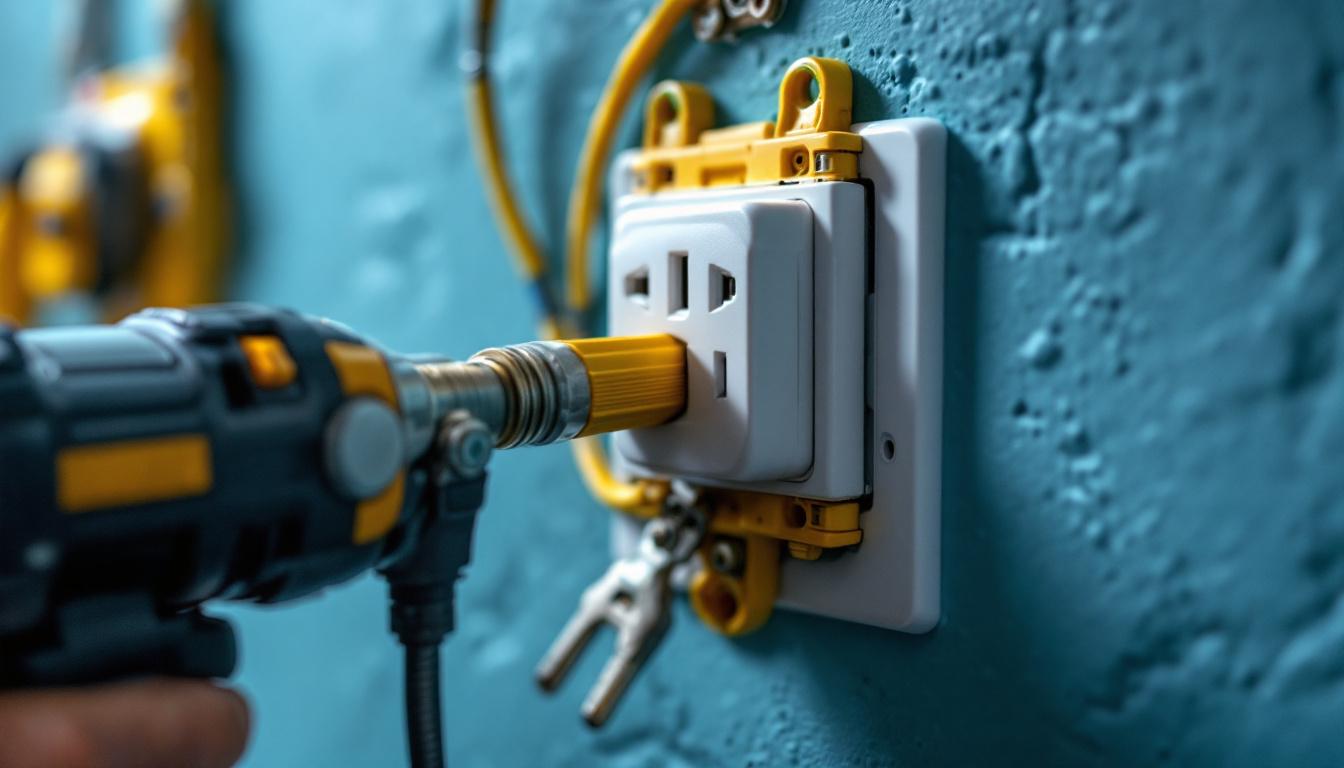
During installation, attention to detail in wiring is crucial. Conductors must be correctly sized, securely connected, and insulated to prevent faults. Proper earthing connections are mandatory to protect users from electric shock.
Mounting sockets securely using appropriate back boxes and fixing methods prevents mechanical damage and maintains electrical continuity. Contractors should also ensure that socket faceplates are flush with wall surfaces for a professional finish.
Testing and Quality Assurance
Post-installation testing is essential to verify that sockets function correctly and safely. Lighting contractors should use appropriate testing equipment to check continuity, polarity, insulation resistance, and earth fault loop impedance.
Documenting test results and providing clients with certification or compliance reports enhances transparency and trust.
Common Challenges and Solutions in Wall Plug Socket Installations
Lighting contractors often face challenges that can complicate wall plug socket installations. Recognizing these issues and applying effective solutions is key to successful project completion.
Dealing with Limited Space and Retrofits
In renovation projects or older buildings, limited wall space or outdated wiring can restrict socket installation options. Lighting contractors must adapt by using compact socket designs, surface-mounted boxes, or rerouting wiring to meet modern standards.
Innovative solutions such as modular socket systems or wireless controls can also mitigate space constraints while enhancing functionality.
Ensuring Compatibility with Diverse Lighting Equipment
Lighting contractors frequently encounter a variety of lighting equipment with differing power and control requirements. Ensuring that wall plug sockets accommodate these variations demands careful specification and sometimes custom solutions.
Consulting equipment manufacturers’ specifications and collaborating with electrical engineers can help tailor socket installations to complex lighting systems.
Managing Client Expectations and Education
Clients may not always understand the technical limitations or safety considerations involved in wall plug socket installations. Lighting contractors play a vital role in educating clients about proper use, maintenance, and potential upgrades to maximize the benefits of their lighting systems.
Clear communication and professional guidance foster client satisfaction and reduce service calls related to misuse or misunderstandings.
Future Trends Impacting Wall Plug Socket Use in Lighting
The landscape of electrical installations is evolving with technological advancements and changing user demands. Lighting contractors should stay informed about emerging trends that influence wall plug socket applications.
Integration of Smart and IoT-Enabled Sockets
Smart sockets with Internet of Things (IoT) capabilities are becoming increasingly prevalent, offering remote control, energy monitoring, and automation features. These innovations allow lighting contractors to provide clients with enhanced control and efficiency options.
Adopting smart socket technologies requires updated skills and knowledge but can differentiate contractors in a competitive market.
Energy Efficiency and Sustainability Considerations
Energy-efficient lighting is a growing priority, and wall plug sockets play a role in supporting sustainable practices. Features such as energy monitoring, automatic shutoff, and compatibility with low-power lighting devices contribute to reducing energy consumption.
Lighting contractors can advise clients on socket choices that align with sustainability goals, enhancing the environmental impact of their installations.
Advances in Socket Design and Materials
Innovations in socket design, including improved safety mechanisms, ergonomic features, and durable materials, are enhancing the reliability and user experience of wall plug sockets. Lighting contractors should stay abreast of these developments to offer state-of-the-art solutions.
For example, sockets with tamper-resistant shutters or enhanced heat resistance can improve safety in demanding lighting environments.
Conclusion: Mastering Wall Plug Sockets for Lighting Excellence
Wall plug sockets, while often overlooked, are integral to the success of lighting installations. For lighting contractors, mastering the essential facts about these components—from types and safety standards to technical considerations and future trends—is indispensable.
By combining technical expertise with adherence to regulations and client-focused solutions, lighting contractors can ensure safe, efficient, and innovative lighting systems that meet the evolving demands of the industry.
Continuous education and adaptation to emerging technologies will empower contractors to maintain their competitive edge and deliver exceptional value in every project involving wall plug sockets.
Get Your Premium Lighting Supplies at LumenWholesale
Ready to elevate your lighting installations with the best in class wall plug sockets and lighting accessories? Look no further than LumenWholesale, where we provide contractors with exceptional, spec-grade lighting products at unbeatable wholesale prices. Our commitment to quality and affordability means you can trust us to supply reliable, high-performance lighting solutions for every project. Plus, with free shipping on bulk orders, you can save more without the worry of hidden fees. Don’t compromise on quality or cost—visit Wholesale Lighting at the Best Value today and experience the LumenWholesale difference!