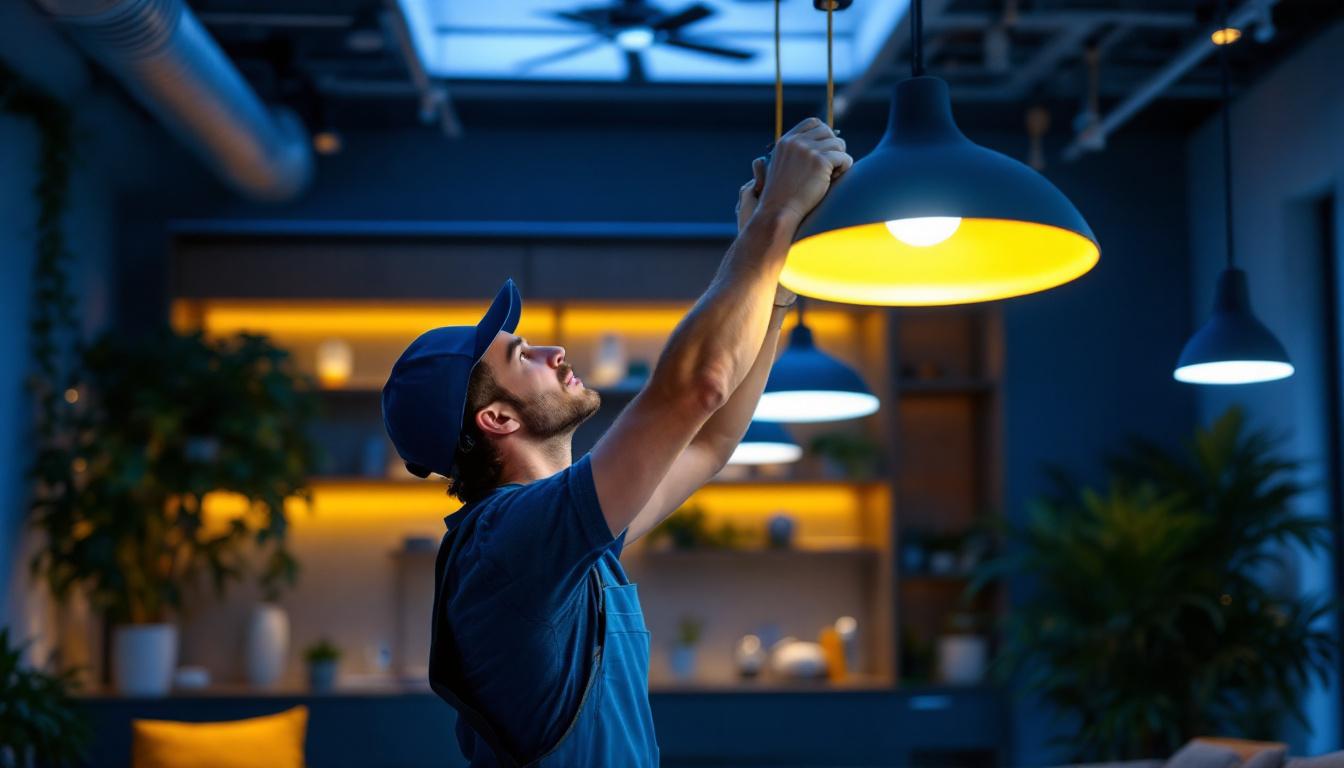
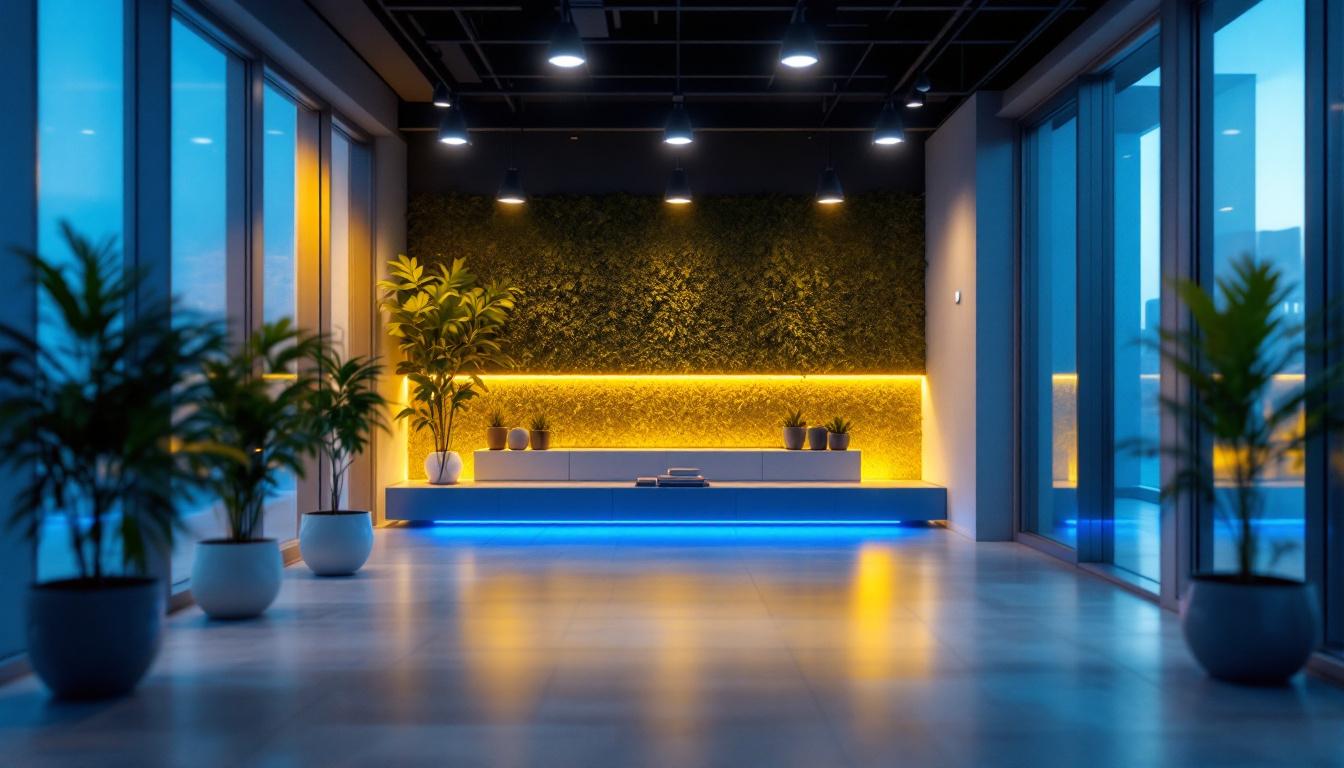
Lighting design is an ever-evolving field, with trends and technologies constantly changing. Among the latest innovations capturing attention are upside down lights, a unique approach that challenges traditional lighting concepts. For lighting contractors, staying updated on such trends is not just beneficial; it is essential for maintaining a competitive edge in the industry.
Understanding Upside Down Lights
Upside down lights, as the name suggests, are fixtures that are installed in an inverted position. This unconventional setup can create dramatic effects in both residential and commercial spaces. Unlike traditional lighting, which typically illuminates from above, upside down lights offer a fresh perspective on how spaces can be lit and experienced.
The Aesthetic Appeal
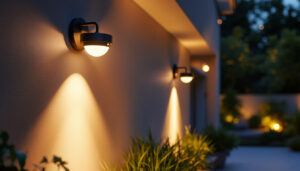
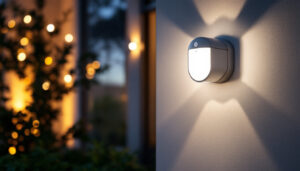
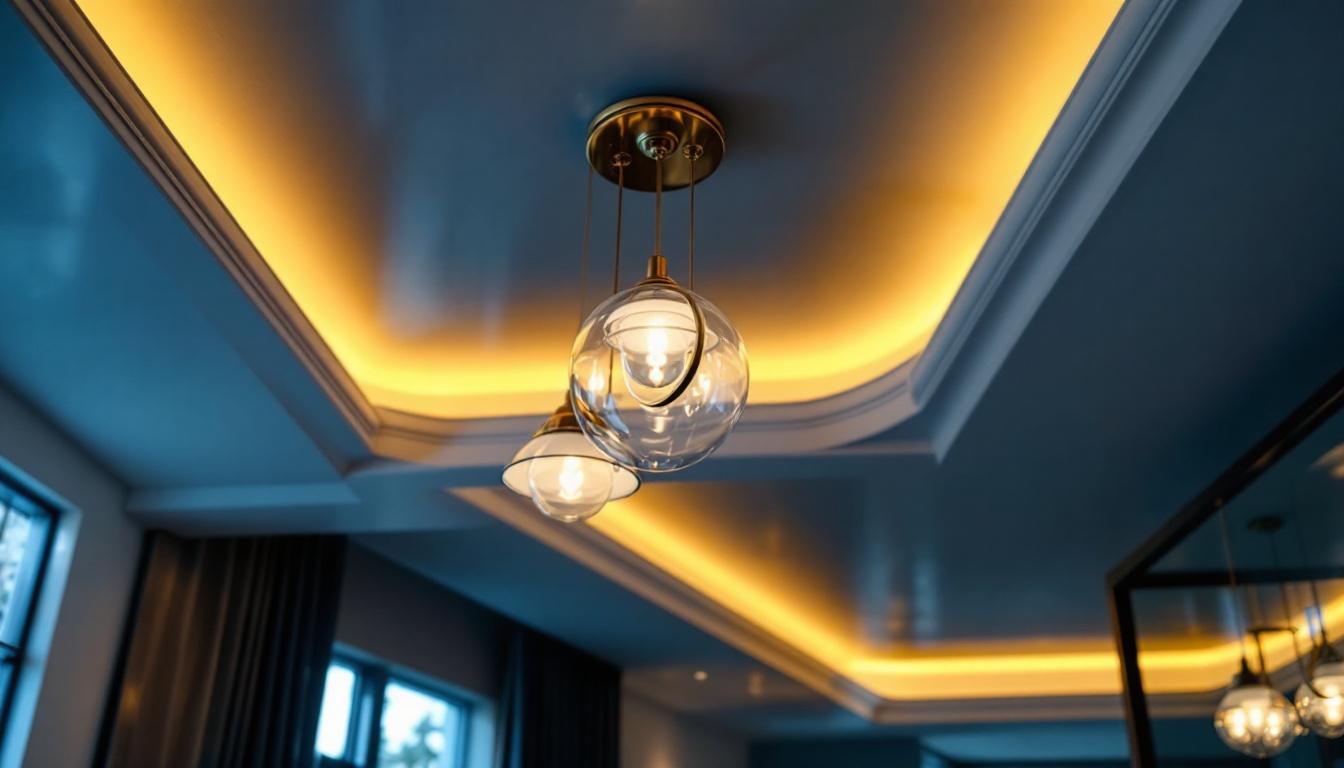
One of the most compelling reasons to consider upside down lights is their aesthetic potential. These fixtures can create unique shadows and highlights, adding depth and character to a room. By directing light upwards, they can enhance architectural features, making them stand out in a way that traditional lighting often fails to achieve.
Moreover, upside down lights can be used to create a sense of intimacy in larger spaces. By focusing light on ceilings or walls, they can soften the overall ambiance, making areas feel cozier and more inviting. This versatility allows contractors to cater to various design preferences, from modern minimalism to rustic charm. The interplay of light and shadow can also evoke different moods throughout the day, making the space feel dynamic and alive. For instance, during the day, natural light can complement the upward illumination, while in the evening, the fixtures can transform the atmosphere into a warm, inviting haven.
Functional Benefits
Beyond aesthetics, upside down lights also offer functional advantages. They can be particularly effective in spaces with high ceilings, where traditional fixtures may struggle to provide adequate illumination. By directing light upwards, these fixtures can bounce off surfaces, distributing light more evenly throughout the room.
Additionally, upside down lights can reduce glare, making them an excellent choice for environments where comfort is paramount, such as offices or hospitality venues. This feature can enhance the overall user experience, leading to increased satisfaction and productivity. Furthermore, the use of energy-efficient bulbs in upside down lighting fixtures can contribute to lower energy bills, making them an eco-friendly choice. As sustainability becomes a priority in design, these fixtures not only illuminate spaces beautifully but also align with environmentally conscious practices. The ability to integrate smart technology with upside down lighting allows users to control brightness and color temperature, further enhancing the functionality and adaptability of these innovative fixtures.
Technological Innovations in Lighting
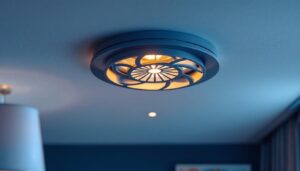
The lighting industry is witnessing rapid advancements in technology, and upside down lights are no exception. Many modern fixtures incorporate LED technology, which not only enhances energy efficiency but also allows for greater design flexibility. The aesthetic appeal of upside down lights has also evolved, with sleek designs and various finishes that can complement any interior or exterior space. From minimalist styles to more intricate patterns, these fixtures can serve as both functional and decorative elements in a room.
Energy Efficiency and Sustainability
With growing awareness of environmental issues, energy efficiency has become a top priority for both consumers and contractors. Upside down lights equipped with LED technology consume significantly less energy compared to traditional incandescent or fluorescent bulbs. This not only reduces operational costs but also appeals to eco-conscious clients. Moreover, the reduced heat output of LED fixtures contributes to lower cooling costs in warmer climates, making them an even more attractive option for energy-conscious consumers.
Furthermore, many LED fixtures have a longer lifespan, which means fewer replacements and less waste over time. By promoting energy-efficient solutions, lighting contractors can position themselves as forward-thinking professionals committed to sustainability. Additionally, the use of recyclable materials in the manufacturing of these lights further enhances their eco-friendly credentials, allowing contractors to market their services as not just energy-efficient but also environmentally responsible.
Smart Lighting Integration
Another exciting development in the realm of upside down lights is the integration of smart technology. Many modern fixtures can now be controlled via smartphone apps or smart home systems, allowing users to adjust brightness, color temperature, and even lighting schedules with ease. This adaptability is particularly beneficial in settings that require different lighting moods throughout the day, such as homes, restaurants, or offices, where ambiance can significantly impact the overall experience.
This level of control not only enhances user experience but also opens up new avenues for contractors to offer value-added services. By staying updated on smart lighting trends, contractors can provide clients with customized solutions that align with their lifestyles and preferences. Moreover, the ability to integrate these lights with voice-activated systems, such as Amazon Alexa or Google Assistant, allows for a seamless, hands-free experience that is increasingly sought after in modern homes. This trend not only elevates the convenience factor but also positions contractors at the forefront of the smart home revolution, appealing to a tech-savvy clientele eager to embrace the latest innovations in home automation.
Market Trends and Consumer Preferences
As the demand for innovative lighting solutions grows, understanding market trends becomes crucial for lighting contractors. Upside down lights are gaining traction among consumers looking for unique and functional designs that reflect their personal style.
Customization and Personalization
Today’s consumers are increasingly seeking personalized solutions that cater to their individual tastes. Upside down lights can be customized in various ways, from the choice of materials to the color of the light emitted. This level of personalization allows contractors to create tailored lighting solutions that resonate with clients.
Moreover, the ability to offer unique designs can set contractors apart from competitors. By embracing trends like upside down lights, contractors can position themselves as leaders in innovation and creativity within the industry.
Incorporating Upside Down Lights into Design Schemes
For contractors, understanding how to incorporate upside down lights into various design schemes is essential. These fixtures can be used in a multitude of settings, from residential homes to commercial spaces. Their versatility allows for creative applications, whether it’s highlighting artwork in a gallery or creating a cozy atmosphere in a restaurant.
When planning a lighting design, contractors should consider the overall theme and purpose of the space. Upside down lights can complement a wide range of styles, making them a valuable addition to any project. By showcasing their versatility, contractors can attract a broader clientele and expand their project portfolio.
Challenges and Considerations
While upside down lights offer numerous benefits, there are also challenges that lighting contractors must navigate. Understanding these challenges can help contractors make informed decisions and provide better solutions for their clients.
Installation Considerations
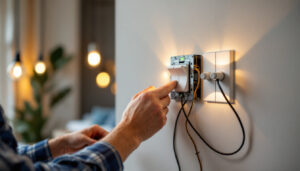
Installing upside down lights may require different techniques compared to traditional fixtures. Contractors must be well-versed in the specific installation requirements to ensure safety and functionality. This may involve additional training or research to understand the best practices for securing and wiring these unique fixtures.
Additionally, the orientation of the light can impact its effectiveness. Contractors should consider factors such as the height of the ceiling, the type of space, and the desired lighting effect when planning installations. Proper planning and execution are key to achieving the desired results.
Client Education
Educating clients about the benefits and functionality of upside down lights is crucial. Many consumers may be unfamiliar with this concept and could be hesitant to embrace such an unconventional approach. Lighting contractors should take the time to explain the advantages, potential applications, and maintenance requirements associated with these fixtures.
By providing clear information and addressing any concerns, contractors can build trust with clients and increase the likelihood of successful installations. This proactive approach not only enhances client satisfaction but also positions contractors as knowledgeable experts in their field.
Future of Lighting Design
The future of lighting design is bright, with upside down lights playing a significant role in shaping trends and consumer preferences. As technology continues to advance, the possibilities for innovative lighting solutions are virtually limitless.
Embracing Change
For lighting contractors, embracing change is essential for staying relevant in a competitive market. Upside down lights represent just one of many trends that are reshaping the industry. By remaining open to new ideas and technologies, contractors can adapt to evolving consumer demands and position themselves for success.
Moreover, keeping abreast of industry developments allows contractors to offer cutting-edge solutions that meet the needs of modern clients. This proactive approach can lead to increased customer loyalty and referrals, ultimately driving business growth.
Collaboration and Networking
Collaboration with other professionals in the design and construction fields can also enhance a contractor’s ability to stay updated on trends like upside down lights. Networking with architects, interior designers, and builders can provide valuable insights into emerging design concepts and client preferences.
Participating in industry events, trade shows, and workshops can further expand a contractor’s knowledge base and foster connections with potential partners. By building a strong network, contractors can stay informed about the latest innovations and trends, ensuring they remain at the forefront of the lighting industry.
Conclusion
Upside down lights represent an exciting trend in the lighting industry, offering both aesthetic and functional benefits. For lighting contractors, staying updated on such innovations is crucial for maintaining a competitive edge and meeting the evolving needs of clients.
By understanding the unique characteristics of upside down lights, embracing technological advancements, and keeping an eye on market trends, contractors can position themselves as leaders in the field. As the lighting industry continues to evolve, those who adapt and innovate will undoubtedly thrive in this dynamic landscape.
Incorporating upside down lights into design schemes not only enhances the visual appeal of spaces but also demonstrates a commitment to providing cutting-edge solutions. By staying informed and proactive, lighting contractors can ensure their success in an ever-changing industry.
Illuminate Your Projects with LumenWholesale
Ready to elevate your lighting designs with the latest trend of upside down lights? At LumenWholesale, we provide lighting contractors with an exceptional range of high-quality, spec-grade lighting products at the best wholesale prices. Say goodbye to local distributor markups and hello to a vast selection of reliable lighting that meets the highest industry standards. Plus, enjoy the convenience of bulk buying with free shipping, ensuring you get the premium lighting you need at the best value — without any hidden fees. Don’t miss out on the perfect combination of quality, affordability, and convenience. Wholesale Lighting at the Best Value is just a click away. Transform your lighting projects with LumenWholesale today.