Understanding Uplight Ceiling Lights and Their Growing Demand
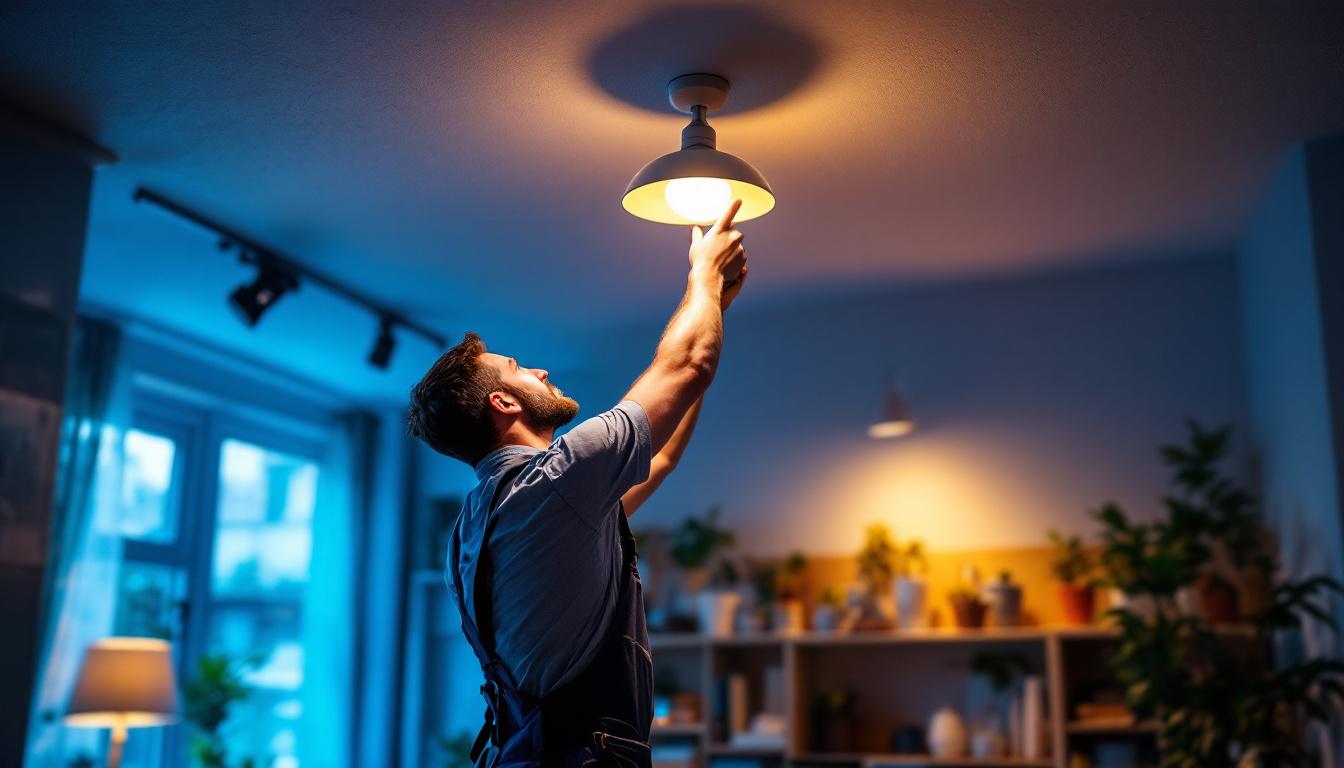
Uplight ceiling lights have become an essential component in modern lighting design, offering both functional illumination and aesthetic appeal. Unlike traditional downlights that direct light downward, uplight fixtures cast light upward, creating a soft, ambient glow that enhances the atmosphere of any space. For lighting contractors, mastering the installation and application of uplight ceiling lights can open new avenues for business growth and client satisfaction.
The demand for uplight ceiling lights is on the rise, driven by evolving architectural trends and a growing emphasis on energy efficiency and mood lighting. Commercial spaces, hospitality venues, and upscale residential projects increasingly incorporate uplight fixtures to create inviting environments without harsh shadows or glare. This trend underscores the importance for contractors to stay informed about the latest products and installation techniques.
Why Uplight Fixtures Matter to Lighting Contractors
Lighting contractors who specialize in or include uplight ceiling lights in their portfolio can differentiate themselves in a competitive market. Uplight fixtures require a nuanced understanding of light distribution, ceiling materials, and electrical considerations. Proper installation ensures optimal light diffusion and energy efficiency, which are critical selling points for clients focused on sustainability and design excellence.
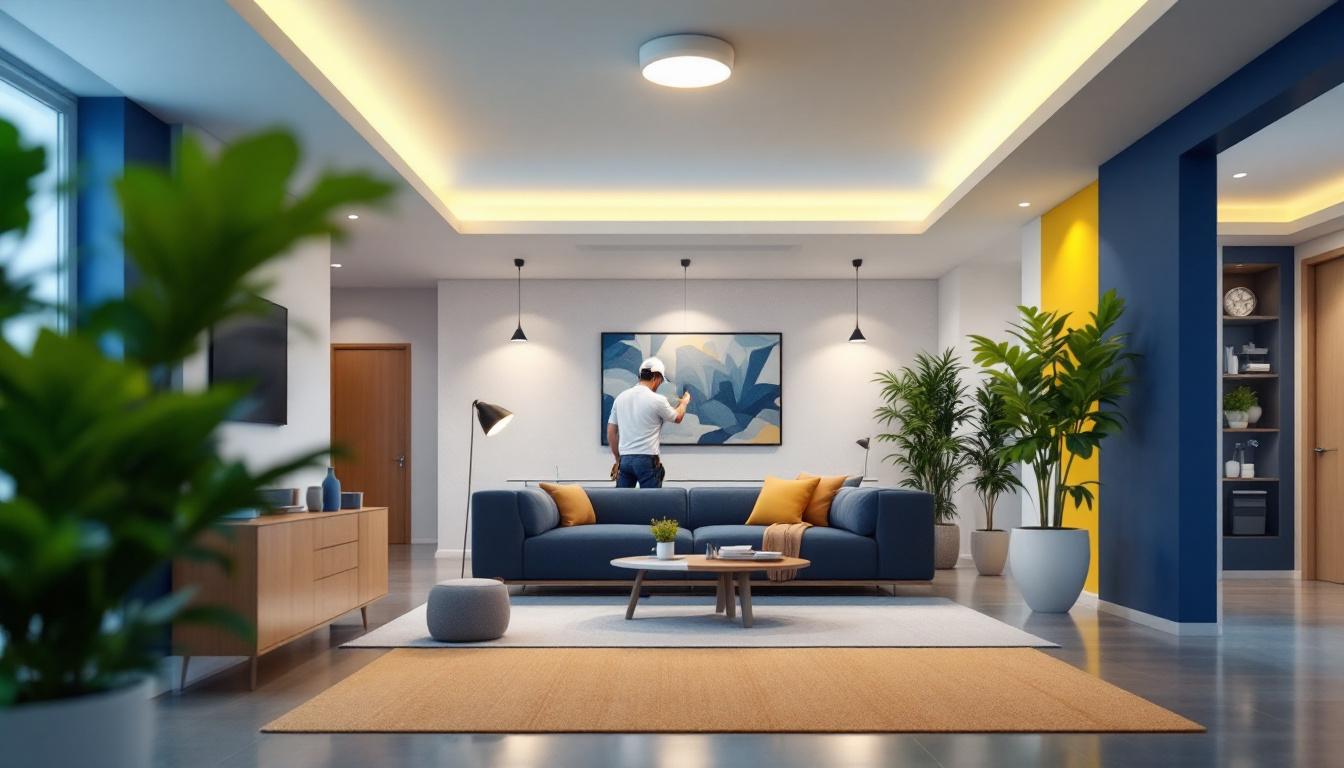
Moreover, uplight ceiling lights often complement other lighting elements such as downlights, wall sconces, and accent lights. Contractors who can skillfully integrate these systems demonstrate a comprehensive grasp of lighting design, positioning themselves as trusted advisors rather than mere installers. The versatility of uplight fixtures allows for creative designs that can transform a mundane space into a visually stunning environment. For example, in a restaurant setting, uplights can be strategically placed to highlight architectural features or artwork, creating a dynamic interplay of light and shadow that enhances the dining experience.
Additionally, the technological advancements in LED uplight fixtures have made them more energy-efficient and longer-lasting than ever before. Many modern uplights come with adjustable color temperatures and dimming capabilities, allowing clients to customize the ambiance according to their preferences or the time of day. This adaptability not only adds value to the installation but also aligns with the growing consumer demand for smart home solutions. As clients increasingly seek out lighting systems that can be controlled via mobile apps or integrated into smart home ecosystems, contractors who are knowledgeable about these innovations will be better positioned to meet their needs and expectations.
Technical Considerations for Installing Uplight Ceiling Lights
Successful installation of uplight ceiling lights hinges on several technical factors. Lighting contractors must consider fixture placement, ceiling height, wiring requirements, and compatibility with dimming controls to achieve the desired lighting effect.
Fixture Placement and Ceiling Height
Uplight fixtures are typically installed in ceilings with sufficient height to allow light to spread evenly across the ceiling surface. In spaces with lower ceilings, the upward light can create unwanted glare or insufficient diffusion. Contractors should assess the room dimensions and ceiling type—whether drywall, plaster, or suspended ceilings—to determine the best fixture locations.
Strategic placement also involves spacing uplight fixtures to avoid dark spots and ensure uniform illumination. Using lighting design software or photometric analysis can aid in planning the layout, helping contractors provide clients with precise lighting outcomes. Additionally, considering the room’s function is essential; for instance, in a home theater, uplights can create a cozy ambiance, while in a workspace, they should enhance visibility without causing distractions.
Electrical and Wiring Requirements
Uplight ceiling lights often require specific wiring setups, especially when integrated with dimming systems or smart lighting controls. Contractors must ensure compliance with local electrical codes and standards, including proper grounding and circuit protection. Additionally, selecting compatible drivers and transformers for LED uplight fixtures is crucial for longevity and performance.
Understanding the electrical load and ensuring the circuit can handle multiple uplight fixtures without overloading is another vital consideration. Proper labeling and documentation during installation can facilitate future maintenance and troubleshooting. Furthermore, contractors should also evaluate the potential for energy-efficient solutions, such as using LED fixtures that consume less power while providing the same level of brightness, ultimately benefiting both the environment and the client’s utility bills.
Integration with Dimming and Smart Controls
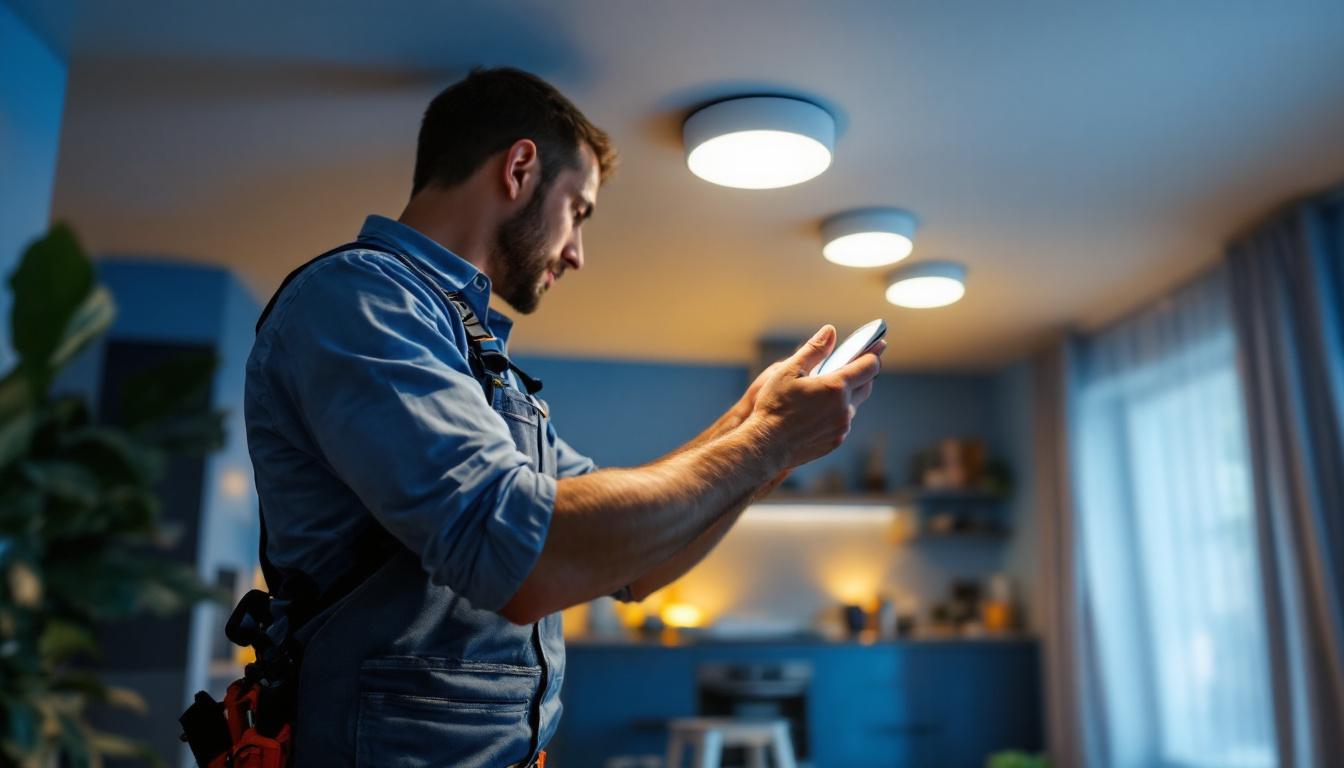
Modern uplight ceiling lights frequently come with dimmable LEDs and compatibility with smart home or building automation systems. Lighting contractors who are proficient in installing and configuring these controls can offer enhanced value to clients seeking customizable lighting scenes and energy savings.
Familiarity with protocols such as DALI, Zigbee, or Wi-Fi-based control systems allows contractors to advise clients on the best solutions for their needs. Additionally, ensuring seamless integration with existing lighting infrastructure can prevent costly retrofits or compatibility issues. As technology continues to evolve, staying updated on the latest advancements in smart lighting can empower contractors to provide innovative solutions, such as voice-activated controls or programmable schedules, further enhancing the user experience and convenience for homeowners and businesses alike.
Choosing the Right Uplight Ceiling Light Fixtures
Selecting the appropriate uplight fixture is critical to meeting client expectations and project specifications. Contractors should consider factors such as light output, color temperature, energy efficiency, and design aesthetics.
Light Output and Color Temperature
Uplight fixtures vary widely in lumen output and color temperature, influencing the ambiance and functionality of a space. For example, warmer color temperatures (2700K to 3000K) create cozy, inviting environments suitable for hospitality or residential settings. Cooler temperatures (3500K to 4000K) are often preferred in commercial or task-oriented areas for their clarity and vibrancy.
Contractors should collaborate with clients and designers to select fixtures that align with the intended mood and purpose of the space. Offering samples or mock-ups can help clients visualize the effect before installation.
Energy Efficiency and Sustainability
Energy-efficient uplight ceiling lights, particularly LED-based models, are increasingly favored for their long lifespan and lower operating costs. Lighting contractors can emphasize these benefits to clients aiming to reduce energy consumption and meet green building certifications such as LEED or WELL.
Moreover, many manufacturers now offer fixtures made from sustainable materials or designed for easy recycling. Staying informed about these options allows contractors to support environmentally responsible projects and appeal to eco-conscious clients.
Design and Aesthetic Considerations
The visual design of uplight fixtures plays a significant role in the overall interior style. Sleek, minimalist fixtures suit modern or industrial spaces, while decorative or sculptural designs can serve as focal points in luxury environments. Lighting contractors should maintain a portfolio of fixture options and stay updated on emerging trends to provide informed recommendations.
Additionally, coordinating uplight fixtures with other ceiling elements such as vents, speakers, or sprinklers requires careful planning to maintain a clean and cohesive ceiling plane.
Maximizing Client Satisfaction and Business Growth
Beyond technical expertise, lighting contractors can maximize success by focusing on client communication, project management, and after-sales support related to uplight ceiling light installations.
Effective Client Consultation and Education
Clients often lack detailed knowledge about uplight ceiling lighting and its benefits. Contractors who take the time to educate clients on lighting principles, fixture options, and maintenance requirements build trust and facilitate informed decision-making.
Providing visual aids such as renderings, lighting simulations, or sample installations can help clients grasp the impact of uplight lighting in their space. Clear communication about timelines, costs, and potential challenges also sets realistic expectations and reduces project friction.
Project Management and Coordination
Uplight ceiling light installations often intersect with other trades, including electricians, drywall installers, and interior designers. Lighting contractors who excel in coordinating schedules, managing material deliveries, and overseeing quality control can ensure smooth project execution.
Documenting installation procedures and maintaining open lines of communication with all stakeholders minimizes errors and rework, ultimately enhancing client satisfaction and contractor reputation.
After-Sales Support and Maintenance
Offering maintenance services, warranty support, and troubleshooting assistance for uplight ceiling lights can differentiate contractors in a competitive market. Clients value contractors who remain accessible after project completion to address any issues or upgrades.
Establishing maintenance contracts or offering periodic inspections helps prolong fixture lifespan and maintains optimal lighting conditions. This ongoing relationship can lead to repeat business and referrals, fueling long-term growth.
Leveraging Technology and Industry Trends
Staying ahead in the lighting contracting industry requires embracing technological advancements and monitoring market trends related to uplight ceiling lighting.
Adoption of LED and Smart Lighting Technologies
The shift towards LED uplight fixtures has revolutionized energy consumption and design flexibility. Contractors should invest in training and tools to handle LED-specific installation nuances, such as heat dissipation and driver compatibility.
Smart lighting systems enable dynamic control of uplight fixtures, including color tuning and automated scheduling. Contractors proficient in these technologies can offer innovative solutions that enhance user experience and energy management.
Embracing Sustainable and Health-Focused Lighting
With increasing awareness of lighting’s impact on human health and well-being, contractors can capitalize on fixtures that support circadian rhythms and reduce blue light exposure. Uplight ceiling lights designed with tunable white technology or low-glare optics align with these health-centric trends.
Promoting sustainable lighting solutions also resonates with clients pursuing certifications or corporate social responsibility goals, positioning contractors as leaders in responsible lighting practices.
Continuous Professional Development
Industry standards and technologies evolve rapidly. Lighting contractors should engage in ongoing education through workshops, certifications, and manufacturer training programs. This commitment to professional growth ensures expertise in the latest uplight ceiling light innovations and installation best practices.
Networking with industry peers and participating in trade associations can also provide valuable insights and business opportunities.
Conclusion: Positioning for Success with Uplight Ceiling Lights
Uplight ceiling lights represent a compelling opportunity for lighting contractors to expand their service offerings and enhance project outcomes. By understanding the technical requirements, selecting appropriate fixtures, and focusing on client engagement and after-sales support, contractors can deliver superior lighting solutions that meet modern demands.
Embracing technological advancements and sustainability trends further strengthens a contractor’s market position, fostering long-term business growth. Ultimately, expertise in uplight ceiling lighting not only elevates the quality of installed environments but also elevates the contractor’s professional reputation and success.
Illuminate Your Projects with LumenWholesale
Ready to take your lighting projects to the next level with uplight ceiling lights? At LumenWholesale, we provide lighting contractors like you with the highest quality, spec-grade lighting products at prices that can’t be beaten. Say goodbye to local distributor markups and hello to our extensive selection that meets rigorous industry standards. With free shipping on bulk orders, you can stock up on premium lighting solutions and enjoy the best value without any hidden costs. Elevate your professional reputation with reliable, high-performance lighting from LumenWholesale. Wholesale Lighting at the Best Value is just a click away.