Under cabinet lighting has become an essential element in modern kitchen design, offering both functional and aesthetic benefits. For lighting contractors, understanding the nuances of low voltage under cabinet lighting is crucial for delivering high-quality installations that meet client expectations. This article will explore best practices for low voltage under cabinet lighting, focusing on design considerations, installation techniques, and maintenance tips.
Understanding Low Voltage Under Cabinet Lighting
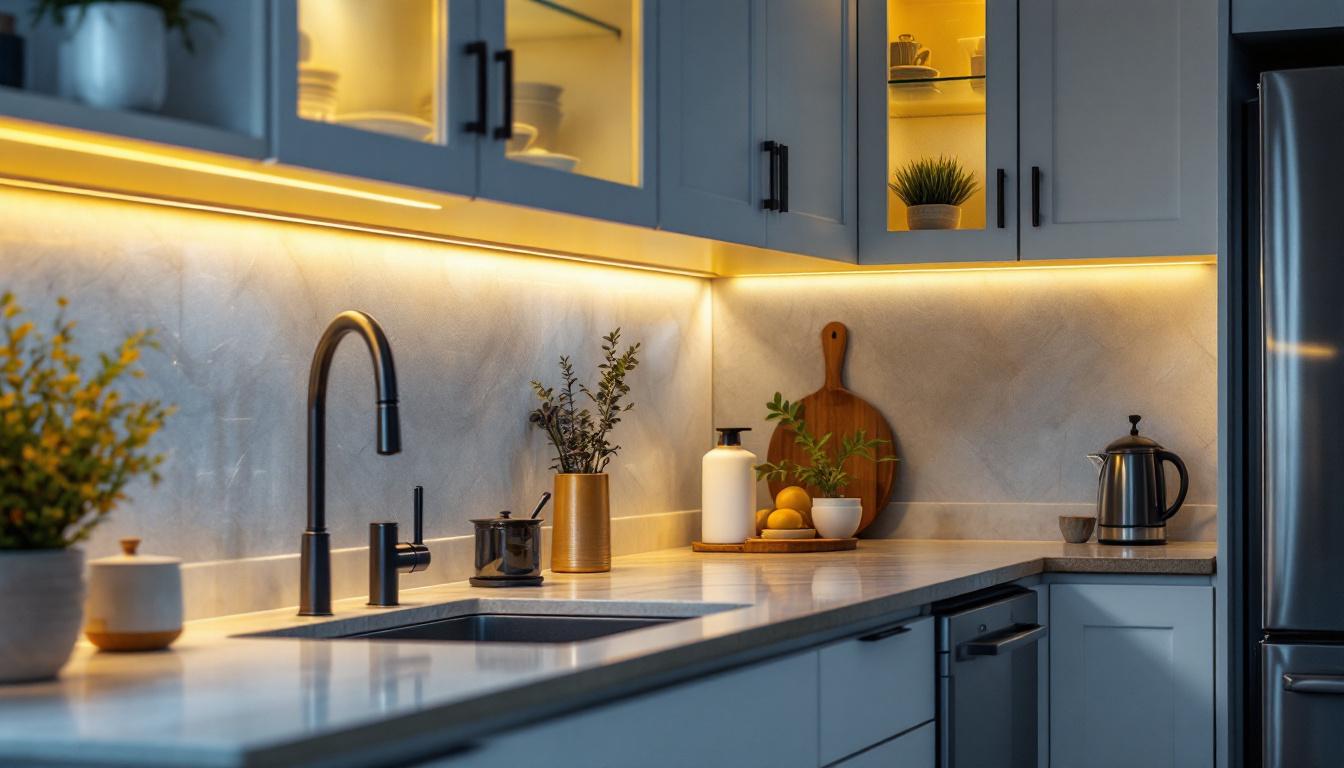
Low voltage under cabinet lighting typically operates at 12 or 24 volts, making it a safe and energy-efficient option for illuminating kitchen spaces. The lower voltage allows for a variety of lighting fixtures, including LED strips, puck lights, and tape lights, which can be easily integrated into cabinetry. This flexibility not only enhances the aesthetic appeal of the kitchen but also improves functionality, allowing homeowners to achieve their desired ambiance with ease.
One of the primary advantages of low voltage systems is their ability to minimize energy consumption while providing adequate illumination. This is particularly important in residential settings where energy efficiency is a key concern for homeowners. Additionally, low voltage lighting systems often produce less heat, reducing the risk of overheating and prolonging the lifespan of the fixtures. Furthermore, many low voltage options are compatible with dimmer switches, allowing for customizable lighting levels that can adapt to various tasks, from meal preparation to entertaining guests.
Types of Low Voltage Fixtures
When selecting low voltage fixtures for under cabinet lighting, contractors have several options to consider. Each type of fixture offers unique benefits and can be tailored to meet specific design requirements. The choice of fixtures can significantly impact the overall look and functionality of the kitchen, making it essential to choose wisely based on both practical needs and aesthetic preferences.
- LED Strip Lights: These versatile lighting solutions can be cut to size and easily installed along the underside of cabinets. They provide even illumination and are available in various color temperatures, allowing homeowners to create a warm, inviting atmosphere or a bright, energizing space. Additionally, many LED strips come with adhesive backing for easy installation, and some even offer smart technology features for remote control and scheduling.
- Puck Lights: Compact and discrete, puck lights can be strategically placed to highlight specific areas or objects. They are available in different styles, including surface-mounted and recessed options. Puck lights are particularly effective for accentuating decorative elements like glassware or artwork, adding a touch of elegance to the kitchen while ensuring that essential workspaces remain well-lit.
- Tape Lights: Similar to LED strips, tape lights offer flexibility in installation. They can be used in tight spaces and around corners, making them ideal for intricate cabinetry designs. Many tape lights are also dimmable and can be color-tuned, allowing homeowners to switch between warm and cool tones depending on the time of day or occasion. This adaptability makes them a popular choice for modern kitchens that prioritize both style and functionality.
Design Considerations for Low Voltage Under Cabinet Lighting
Effective under cabinet lighting enhances the functionality of kitchen spaces while contributing to overall aesthetics. When planning a lighting layout, several design considerations should be taken into account.
Illumination Levels
Determining the appropriate illumination levels is crucial for creating a well-lit workspace. The general recommendation is to aim for 300 to 500 lumens per linear foot of under cabinet lighting. This ensures that countertops are adequately illuminated for tasks such as food preparation and cooking.
Contractors should also consider the color temperature of the lighting. Warmer tones (around 2700K to 3000K) create a cozy atmosphere, while cooler tones (4000K and above) offer a more modern and energetic feel. Matching the color temperature with the overall kitchen design can enhance the space’s appeal. Additionally, it’s worth noting that different tasks may require different lighting temperatures; for example, a cooler light may be more suitable for precise tasks like chopping vegetables, while warmer light can be more inviting for family gatherings and casual dining.
Fixture Placement
Proper fixture placement is essential for achieving optimal lighting effects. Fixtures should be installed as close to the front edge of the cabinet as possible to minimize shadows and maximize light distribution. This positioning allows light to spill onto the countertop, providing even illumination.
Contractors should also take into account the height of the cabinets and the intended use of the space. For instance, if the kitchen features a raised countertop, additional lighting may be necessary to ensure adequate illumination for tasks performed at different heights. Furthermore, the use of dimmers can provide flexibility in lighting levels, allowing homeowners to adjust brightness according to the time of day or specific activities, such as entertaining guests or enjoying a quiet meal. Incorporating smart lighting solutions can also enhance the functionality of under cabinet lighting, enabling users to control their lighting remotely or set schedules for automated adjustments.
Installation Techniques for Low Voltage Systems
Installing low voltage under cabinet lighting requires careful planning and execution. Following best practices can help ensure a successful installation that meets safety standards and client expectations.
Wiring Considerations
Low voltage systems require specific wiring techniques to ensure safety and functionality. Contractors should use appropriate gauge wiring to handle the load of the fixtures. Typically, 12 or 14-gauge wire is used for 12-volt systems, while 18-gauge wire is suitable for 24-volt systems.
It is also important to consider the length of the wire runs. Longer runs may require larger gauge wire to minimize voltage drop, which can affect the performance of the lighting fixtures. Planning the layout in advance can help avoid potential issues during installation.
Power Supply Selection
Choosing the right power supply is critical for the performance of low voltage lighting systems. The power supply should match the voltage of the fixtures and have sufficient wattage capacity to handle the total load. It is advisable to select a power supply with a capacity that exceeds the total wattage of the fixtures to ensure reliable performance.
Contractors should also consider the location of the power supply. It should be placed in a location that is easily accessible for maintenance but discreet enough not to detract from the overall design of the kitchen.
Maintenance Tips for Longevity
Cleaning and Dusting
Dust and debris can accumulate on fixtures over time, diminishing their brightness and overall effectiveness. Contractors should advise clients to regularly clean the fixtures using a soft, damp cloth. Avoiding harsh chemicals is crucial, as these can damage the finish of the fixtures.
Additionally, ensuring that the area around the fixtures is free of clutter can help maintain optimal lighting conditions. Clients should be encouraged to keep countertops organized and free from unnecessary items that may obstruct light.
Inspecting Connections
Periodically checking the connections and wiring of the low voltage system is important for preventing potential issues. Loose connections can lead to flickering lights or complete fixture failure. Contractors should recommend that clients perform inspections at least once a year, looking for any signs of wear or damage.
If any issues are detected, it is advisable to consult a professional for repairs. Prompt attention to wiring problems can prevent more significant issues down the line.
Common Challenges and Solutions
While low voltage under cabinet lighting offers numerous benefits, contractors may encounter challenges during installation and maintenance. Understanding these challenges and having solutions at hand can streamline the process.
Voltage Drop Issues
Voltage drop can be a significant concern in low voltage lighting systems, especially with longer wire runs. If the voltage drop is too high, it can result in dimming or inconsistent lighting. To mitigate this issue, contractors should calculate the total length of the wire run and select the appropriate gauge wire accordingly.
In some cases, using multiple power supplies or strategically placing fixtures can help distribute the load more evenly, reducing the risk of voltage drop. It is essential to plan the layout carefully to avoid potential issues.
Heat Management
Although low voltage lighting systems generally produce less heat than their line voltage counterparts, heat management remains a concern. Overheating can lead to reduced fixture lifespan and potential safety hazards. Contractors should ensure that fixtures are installed in well-ventilated areas and that any heat sinks are adequately positioned.
Using LED fixtures is one way to minimize heat production. LEDs are known for their energy efficiency and lower heat output, making them an ideal choice for under cabinet lighting applications.
Conclusion
Low voltage under cabinet lighting is an excellent choice for enhancing kitchen spaces, providing both functionality and style. By understanding the best practices for design, installation, and maintenance, lighting contractors can deliver exceptional results that meet client needs.
From selecting the right fixtures to ensuring proper wiring and power supply, attention to detail is key. By staying informed about common challenges and implementing effective solutions, contractors can ensure that their low voltage under cabinet lighting installations are successful and long-lasting.
Ultimately, investing time and effort into mastering the intricacies of low voltage under cabinet lighting will not only enhance the quality of installations but also elevate the overall client experience.
Start Your Next Project with LumenWholesale
Ready to elevate your under cabinet lighting installations with the best products on the market? Look no further than LumenWholesale, where we provide contractors with high-quality, specification-grade lighting solutions at unbeatable wholesale prices. Our extensive selection is designed to meet the highest industry standards, ensuring you get reliable and high-performance lighting for every project. Plus, with free shipping on bulk orders, you can enjoy premium lighting at the best value — without hidden fees or compromises. Make your next project shine and experience the convenience of shopping with LumenWholesale. Wholesale Lighting at the Best Value.