Understanding Ultraviolet Room Sanitizers and Their Role in Lighting
Ultraviolet (UV) room sanitizers have become an essential component in modern building environments, especially in healthcare, commercial, and educational settings. These devices use UV-C light to deactivate microorganisms, including bacteria, viruses, and molds, by disrupting their DNA or RNA. For lighting contractors, integrating UV sanitizers into lighting systems requires a deep understanding of both the technology and its practical applications.
Unlike traditional lighting fixtures, UV sanitizers serve a dual purpose: illumination and disinfection. This duality means contractors must carefully consider placement, power requirements, and safety measures. The effectiveness of a UV sanitizer depends heavily on proper installation and maintenance, making the contractor’s role critical in ensuring these devices perform as intended.
Moreover, the integration of UV sanitizers into existing lighting systems presents unique challenges and opportunities. For instance, contractors must assess the existing electrical infrastructure to accommodate the additional power needs of UV devices while ensuring compliance with safety standards. This can involve upgrading wiring or installing dedicated circuits to handle the increased load. Additionally, the positioning of UV lights is crucial; they must be strategically placed to maximize exposure to surfaces and air without creating hazardous conditions for occupants. This necessitates a thorough understanding of UV light dispersion and its interaction with various materials found in the environment.
Furthermore, the growing awareness of health and safety in public spaces has led to an increased demand for UV sanitization solutions. As businesses and institutions strive to create safer environments, the role of lighting contractors evolves beyond mere installation to include education and consultation. They must inform clients about the benefits and limitations of UV technology, including the importance of regular maintenance and the potential need for supplementary cleaning protocols. This holistic approach not only enhances the effectiveness of UV sanitizers but also builds trust and credibility with clients who are increasingly concerned about hygiene and safety in their spaces.
Key Considerations Before Installation
Assessing the Environment and Client Needs
Before selecting and installing a UV room sanitizer, lighting contractors must evaluate the environment where the device will be used. Factors like room size, airflow, surface materials, and occupancy patterns influence the effectiveness of UV disinfection.
For instance, a hospital operating room demands continuous and thorough sterilization, whereas an office break room might require periodic sanitization during off-hours. Understanding the client’s specific needs helps in choosing the right UV sanitizer model and developing an installation plan that maximizes efficacy. Additionally, it is crucial to consider the types of pathogens that are most prevalent in the environment. For example, healthcare facilities may need to target specific bacteria and viruses, while educational institutions might focus on reducing allergens and mold spores that can affect student health. This tailored approach ensures that the selected UV sanitizer is not only effective but also aligned with the unique challenges of the space.
Compliance with Safety Standards
UV-C light can be harmful to skin and eyes, so adherence to safety standards is non-negotiable. Contractors should be familiar with guidelines from organizations such as the Illuminating Engineering Society (IES) and the International Electrotechnical Commission (IEC).
Installation must include safeguards like motion sensors, timers, or remote controls to prevent accidental exposure. Additionally, proper signage and user training are essential components of a compliant installation. It is also beneficial to conduct a risk assessment to identify potential exposure scenarios and implement additional protective measures as needed. For instance, in settings where vulnerable populations are present, such as nursing homes or schools, extra precautions like physical barriers or enhanced training for staff may be warranted to ensure the utmost safety and compliance with health regulations.
Power Supply and Integration with Existing Systems
UV sanitizers often require specific power inputs and may need to be integrated with building automation systems (BAS) or lighting controls. Contractors should verify electrical compatibility and plan wiring routes that minimize interference and maintain aesthetic standards.
Integration with BAS allows for programmable sanitization cycles, which can be synchronized with occupancy sensors or HVAC systems to optimize air and surface disinfection. Furthermore, contractors should consider the scalability of the UV system. As the needs of the facility evolve, the ability to expand or upgrade the sanitization system without extensive reinstallation can save time and resources in the long run. This foresight not only enhances the longevity of the installation but also ensures that the facility remains adaptable to future health and safety challenges, particularly in a world increasingly focused on infection control and environmental health.
Installation Best Practices for Lighting Contractors
Optimal Placement for Maximum Coverage
Effective UV disinfection depends on direct exposure to contaminated surfaces and air. Contractors should position UV lamps to minimize shadows and obstructions. Ceiling-mounted units often provide broad coverage, but wall-mounted or portable units may be necessary for irregular spaces.
Consider the reflectivity of surfaces, as UV-C light can bounce off certain materials, enhancing coverage. However, some materials absorb UV-C, reducing effectiveness. A thorough site survey will inform these decisions. Additionally, it’s crucial to evaluate the height at which UV lamps are installed; higher placements may cover larger areas but could reduce intensity on surfaces that are farther away. Conversely, lower installations can provide more direct exposure but may require careful consideration of the surrounding environment to avoid interference from furniture or fixtures.
In environments with high foot traffic or frequent changes in layout, utilizing adjustable or movable UV units can enhance flexibility and effectiveness. This adaptability allows contractors to respond to evolving needs, ensuring that disinfection remains a priority even as the space is used differently over time.
Ensuring Proper Mounting and Stability
UV sanitizers must be securely mounted to prevent movement or accidental falls, which could compromise safety and performance. Use manufacturer-recommended brackets and hardware, and verify that mounting surfaces can support the device’s weight.
Vibration or shifting can reduce lamp lifespan and disrupt sanitization cycles. Proper anchoring also simplifies maintenance and replacement tasks. Moreover, contractors should consider the environmental conditions of the installation site; for instance, areas with high humidity or temperature fluctuations may require additional measures to ensure stability and longevity of the equipment. Utilizing vibration-dampening mounts can also mitigate the effects of any external disturbances, preserving the integrity of the installation.
Regular inspections of the mounting system are advisable to identify any signs of wear or loosening over time. This proactive approach helps maintain optimal performance and safety standards, ensuring that the UV sanitizers operate effectively throughout their intended lifespan.
Electrical Connections and Circuit Protection
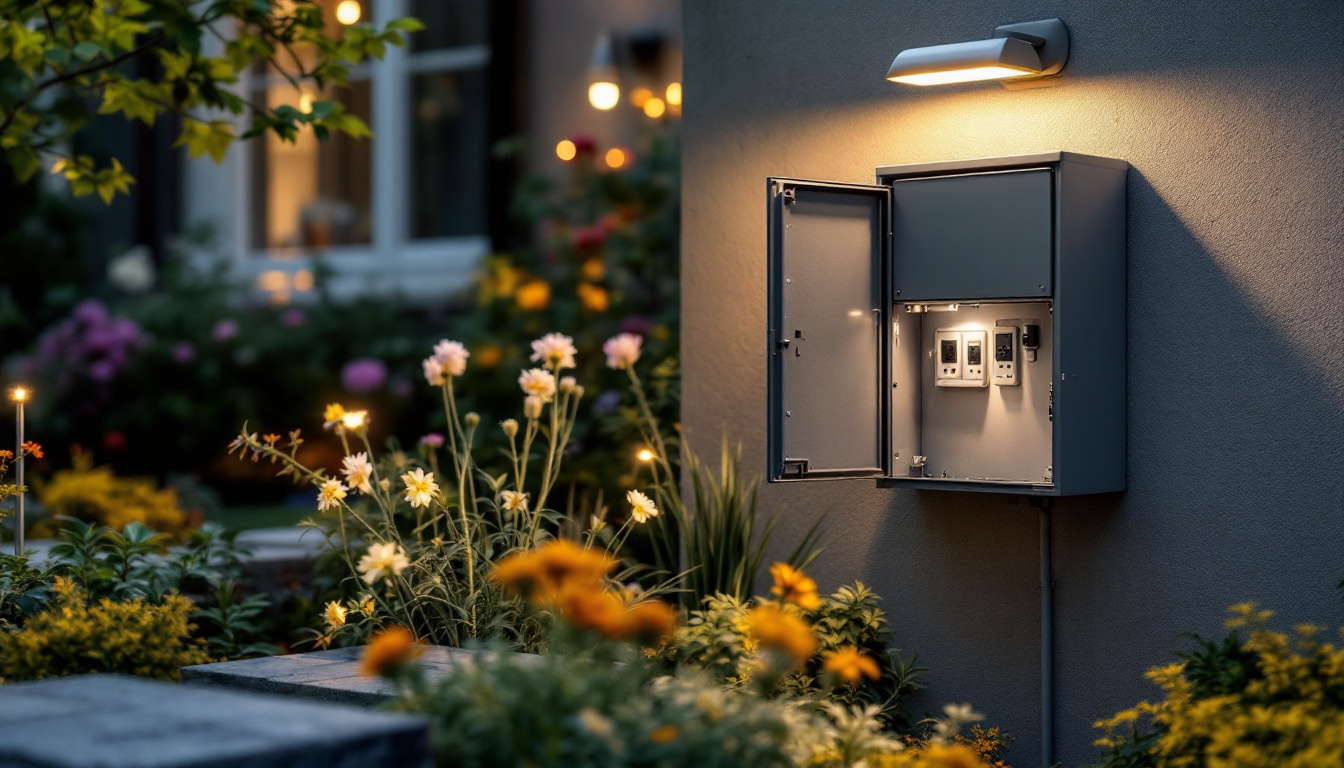
UV sanitizers demand reliable electrical connections with appropriate circuit protection. Lighting contractors should install dedicated circuits or breakers as specified by the manufacturer to prevent overloads and ensure consistent power delivery.
Grounding and surge protection are critical to protect sensitive UV lamp components from electrical faults. Contractors should also label circuits clearly for future maintenance. In addition to these precautions, it is essential to ensure that all wiring complies with local electrical codes and regulations. This not only enhances safety but also ensures that the installation meets industry standards, which can be a selling point for clients.
Furthermore, contractors should consider the potential for power fluctuations in the area. Installing uninterruptible power supplies (UPS) can provide backup power during outages, ensuring that disinfection processes are not interrupted. This is particularly important in settings such as hospitals or laboratories, where maintaining a sterile environment is crucial. Regular testing and maintenance of electrical systems can help identify potential issues before they become significant problems, ensuring that the UV sanitizers operate at peak efficiency.
Maintenance and Troubleshooting Guidelines
Routine Cleaning and Lamp Replacement
UV lamps lose intensity over time, typically requiring replacement every 9,000 to 12,000 hours of use. Contractors should advise clients on maintenance schedules to maintain optimal sanitizing performance.
Cleaning the lamps and fixtures regularly removes dust and debris that can block UV light. Use manufacturer-approved cleaning agents and procedures to avoid damage.
Monitoring System Performance
Advanced UV sanitizers may include monitoring systems that track lamp usage and alert users when maintenance is due. Contractors should familiarize themselves with these features to assist clients in leveraging them effectively.
Regular performance checks ensure that the system continues to meet disinfection requirements, especially in critical environments like healthcare facilities.
Troubleshooting Common Issues
Lighting contractors must be prepared to diagnose and resolve common problems such as lamp failure, electrical faults, or sensor malfunctions. Understanding manufacturer specifications and having access to replacement parts expedites repairs and minimizes downtime.
Documenting service visits and repairs helps maintain a clear history of the system’s condition, which benefits both contractors and clients.
Enhancing Client Value Through UV Sanitizer Expertise
Educating Clients on Benefits and Limitations
Clients often have misconceptions about UV sanitizers, expecting them to replace all cleaning procedures. Contractors can add value by explaining the role of UV disinfection as a supplement to manual cleaning, not a substitute.
Highlighting benefits such as reduced pathogen transmission, improved air quality, and compliance with health standards builds client confidence and satisfaction.
Offering Customized Solutions
Every facility has unique needs. Lighting contractors who tailor UV sanitizer installations to specific environments and client goals differentiate themselves from competitors.
Custom solutions might include combining fixed and portable units, integrating with existing lighting controls, or designing schedules that align with building occupancy patterns.
Staying Informed on Emerging Technologies
The UV disinfection field continues to evolve, with innovations like far-UVC light and pulsed UV systems promising enhanced safety and efficiency. Contractors who stay current with these developments can offer cutting-edge solutions that meet future client demands.
Participating in industry training, subscribing to relevant publications, and networking with manufacturers are effective strategies for maintaining expertise.
Conclusion: A Practical Checklist for Lighting Contractors
Successfully installing and maintaining ultraviolet room sanitizers requires a blend of technical knowledge, safety awareness, and client communication skills. Here’s a practical checklist to guide lighting contractors through the process:
- Conduct a thorough site assessment to understand environment and client needs.
- Verify compliance with safety standards and plan for protective measures.
- Ensure electrical compatibility and plan for integration with building systems.
- Determine optimal placement to maximize UV coverage and minimize shadows.
- Securely mount devices using manufacturer-approved hardware.
- Install dedicated circuits with proper grounding and surge protection.
- Advise clients on routine cleaning and lamp replacement schedules.
- Familiarize with monitoring features and assist clients in system management.
- Prepare for troubleshooting common issues with access to parts and documentation.
- Educate clients on realistic expectations and benefits of UV sanitization.
- Customize solutions to fit unique facility requirements.
- Stay updated on emerging UV technologies and industry best practices.
By following this checklist, lighting contractors can confidently deliver effective UV room sanitizer installations that enhance safety, meet client expectations, and position themselves as trusted experts in a growing market.
Get Your UV Sanitization Lighting Supplies at LumenWholesale
Ready to elevate your lighting installations with the most effective UV room sanitizers on the market? Look no further than LumenWholesale. Our commitment to empowering contractors like you with spec-grade lighting products at unbeatable wholesale prices ensures that you can tackle any project with confidence. With LumenWholesale, you’ll find a vast selection of reliable, high-performance lighting solutions that meet the highest industry standards. Plus, we simplify bulk buying with free shipping, offering you the best value without any hidden fees. Make the smart choice for your lighting needs and experience wholesale lighting at the best value today.