Understanding the Importance of Light Bulb Fittings in Lighting Projects
For lighting contractors, selecting the correct light bulb fitting is as crucial as choosing the right bulb itself. The fitting not only ensures a secure connection between the bulb and the fixture but also affects the electrical compatibility, safety, and overall performance of the lighting installation. Missteps in this area can lead to installation delays, increased costs, or even safety hazards such as overheating and electrical faults.
Given the vast variety of bulb fittings available in the market, it’s essential for professionals to have a clear understanding of the different types and their applications. This knowledge enables contractors to advise clients accurately, streamline procurement, and execute installations efficiently.
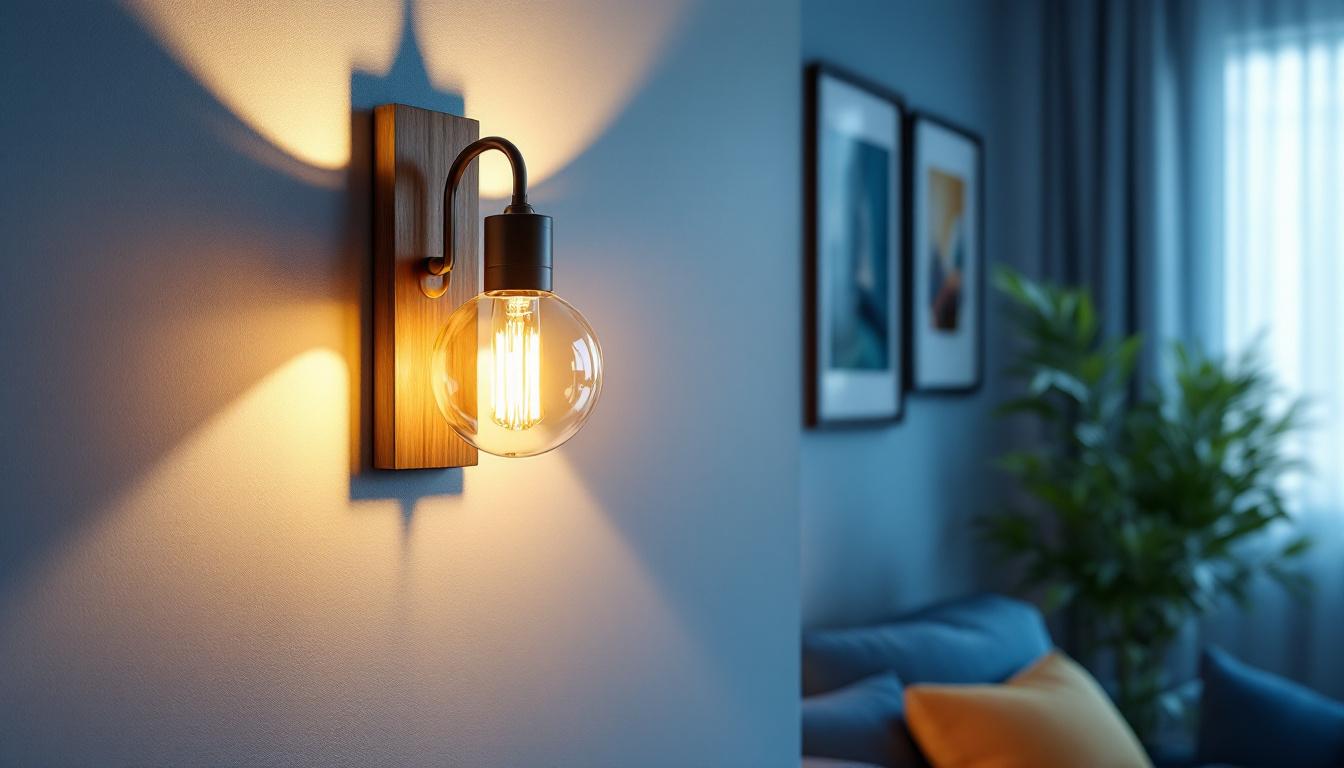
Moreover, the choice of light bulb fitting can significantly influence the aesthetic appeal of a space. For instance, decorative fittings can enhance the visual impact of a chandelier or pendant light, while more utilitarian options may be suitable for task lighting in workspaces. Understanding the interplay between fittings and design can help contractors create cohesive lighting schemes that not only meet functional requirements but also elevate the overall ambiance of the environment.
Additionally, staying updated on the latest advancements in light bulb fittings is vital for contractors aiming to provide cutting-edge solutions. Innovations such as smart fittings that allow for remote control and energy monitoring are becoming increasingly popular. These modern fittings not only enhance user convenience but also contribute to energy efficiency, aligning with the growing demand for sustainable practices in the lighting industry. By embracing these trends, contractors can offer clients solutions that are not only practical but also forward-thinking and environmentally responsible.
Common Types of Light Bulb Fittings and Their Applications
Edison Screw (ES) Fittings
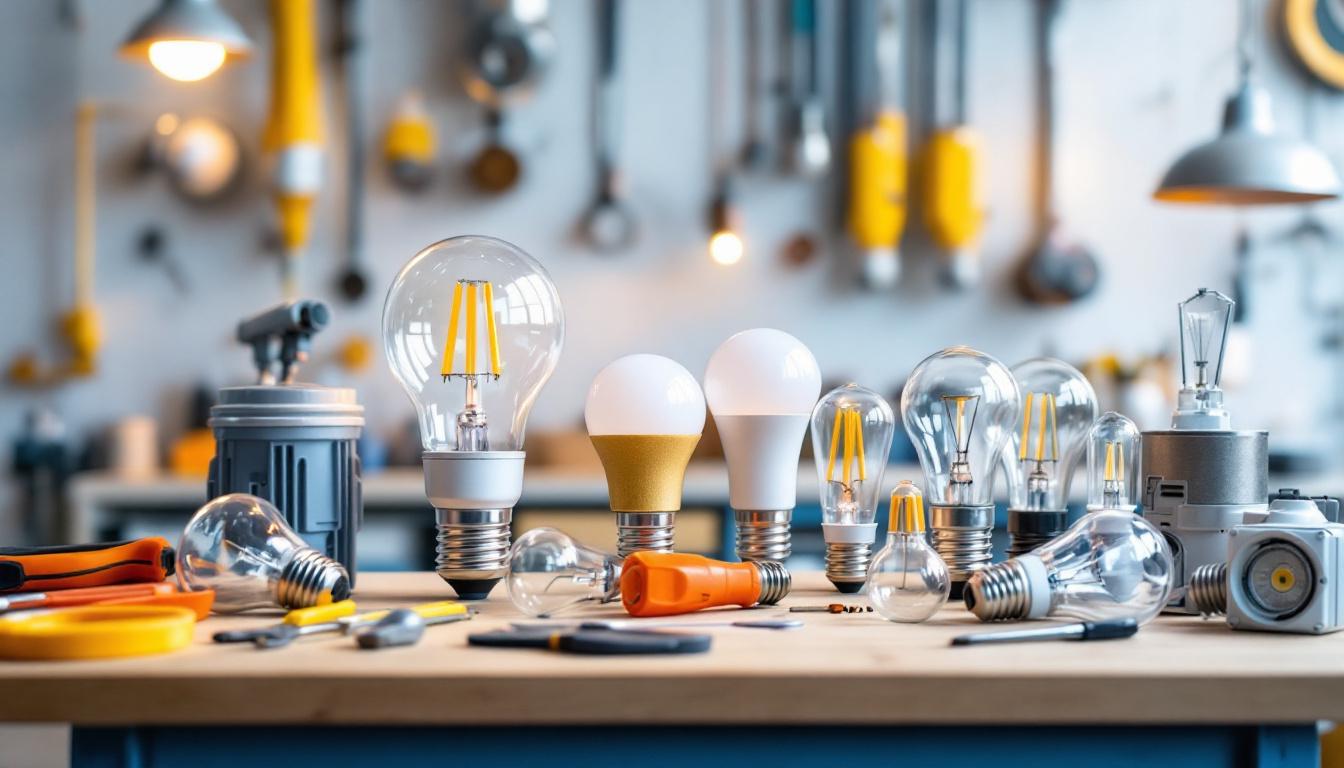
The Edison Screw fitting is one of the most widely used bulb fittings globally, especially in residential and commercial lighting. It is characterized by its screw-threaded base, which screws into a matching socket. The most common sizes include E27 (27 mm diameter) and E14 (14 mm diameter), with E27 being prevalent in standard household lamps and E14 often found in smaller fixtures like chandeliers and decorative lamps.
Lighting contractors appreciate Edison Screw fittings for their ease of installation and reliable electrical contact. Additionally, many LED and CFL bulbs are designed to fit these sockets, making them versatile for retrofit projects. The widespread adoption of Edison Screw fittings also means that replacement bulbs are readily available in various styles and energy efficiencies, allowing consumers to choose options that best fit their aesthetic and environmental preferences.
Moreover, the adaptability of the Edison Screw fitting extends to smart lighting solutions. Many modern smart bulbs utilize this fitting, enabling homeowners to integrate advanced lighting control systems into their existing fixtures without the need for extensive rewiring. This compatibility with smart technology not only enhances convenience but also contributes to energy savings through programmable schedules and remote access.
Bayonet Cap (BC) Fittings
Bayonet Cap fittings, identified by their push-and-twist locking mechanism, are especially common in the UK, Australia, and parts of Asia. The two main sizes are B22 (22 mm diameter) for standard bulbs and B15 (15 mm diameter) for smaller bulbs. The bayonet system provides a secure connection that resists vibration, making it ideal for fixtures in areas prone to movement or impact.
Contractors working in regions where bayonet fittings dominate must be adept at handling these bulbs, ensuring proper alignment and secure locking to avoid flickering or poor electrical contact. The design of the bayonet fitting also allows for quick bulb changes, which can be a significant advantage in settings like theaters or event spaces where lighting needs may change frequently.
In addition to traditional incandescent options, the bayonet fitting is increasingly available for energy-efficient bulbs, including LED variants. This transition not only supports sustainability efforts but also offers consumers a broader range of choices in terms of color temperature and brightness, catering to diverse lighting needs and preferences.
GU10 and MR16 Fittings
GU10 and MR16 fittings are popular in spotlight and downlight applications, particularly in commercial and hospitality settings. The GU10 fitting features a twist-and-lock base with two pins spaced 10 mm apart, designed primarily for mains voltage halogen or LED bulbs. MR16 bulbs, on the other hand, have two pins spaced 5.3 mm apart and usually require a low-voltage transformer.
Understanding the voltage requirements and compatibility between GU10 and MR16 bulbs is vital for contractors to prevent electrical issues and ensure optimal lighting performance. These fittings are favored for their directional light output and compact design, making them suitable for accent lighting and task illumination. The ability to direct light precisely where it is needed enhances the functionality of spaces, from highlighting artwork in galleries to providing focused lighting in kitchens and workspaces.
Furthermore, the GU10 fitting has gained popularity in the realm of smart lighting, with many manufacturers offering smart GU10 bulbs that can be controlled via smartphone apps or voice-activated systems. This innovation allows users to adjust brightness and color temperature, creating dynamic lighting environments that can change with the mood or occasion.
G4, G5.3, and G9 Pin Base Fittings
Pin base fittings like G4, G5.3, and G9 are commonly used in specialty lighting such as under-cabinet lights, display cases, and decorative fixtures. The G4 and G5.3 bulbs are typically low voltage, requiring transformers, while G9 bulbs operate on mains voltage and have a looped pin design.
Lighting contractors must be meticulous when selecting these bulbs to match the fixture’s voltage and socket type, as incorrect pairing can lead to premature bulb failure or safety risks. The compact nature of these fittings allows for creative lighting solutions in tight spaces, making them ideal for accent lighting in homes and businesses.
In addition to their practical applications, G4 and G5.3 fittings are often used in decorative lighting designs, such as in chandeliers or artistic installations, where the aesthetic appeal of the fixture is just as important as the light it emits. The availability of LED options for these fittings has also expanded their use, providing energy-efficient solutions that do not compromise on style.
Fluorescent Tube Fittings: G13 and G5
Fluorescent tubes remain prevalent in commercial and industrial lighting. The G13 fitting is standard for T8 and T12 tubes, featuring bi-pin connectors spaced 13 mm apart. The G5 fitting is used for smaller T5 tubes with pins spaced 5 mm apart. These fittings ensure stable electrical connections and easy replacement.
Contractors should also be aware of the ballast compatibility with these fittings, as improper matching can affect lamp life and energy efficiency. The use of electronic ballasts has become more common, providing better performance and energy savings compared to traditional magnetic ballasts. This shift not only enhances the lifespan of the fluorescent tubes but also contributes to a more stable light output.
Furthermore, the versatility of fluorescent tube fittings allows for various applications, from office environments requiring bright, even lighting to retail spaces that benefit from the color-rendering capabilities of fluorescent lamps. The introduction of LED tube replacements for G13 and G5 fittings has also revolutionized the market, offering longer lifespans and reduced energy consumption while maintaining the same form factor, making retrofitting a straightforward process for many businesses aiming to upgrade their lighting systems.
Specialized and Emerging Fittings in Modern Lighting
Smart Bulb Fittings and Integration
With the rise of smart lighting solutions, traditional fittings are being adapted to accommodate bulbs with integrated wireless technology. Most smart bulbs retain standard fittings like E27 or GU10 to ensure compatibility with existing fixtures, allowing seamless upgrades without rewiring.
Lighting contractors need to consider the additional space requirements and heat dissipation characteristics of smart bulbs, as well as ensuring that dimmers and controllers are compatible with the smart technology to avoid flickering or malfunctions.
High-Intensity Discharge (HID) Fittings
HID lamps, used in street lighting, warehouses, and large indoor spaces, require specialized fittings such as the E40 and E39 Edison screw bases or specific bayonet types. These fittings are designed to handle high wattages and provide secure connections for the heavier bulbs.
Contractors working on large-scale or outdoor projects must ensure that fixtures and fittings meet relevant safety standards and environmental ratings, such as IP65 or higher, to withstand weather conditions.
Pin and Twist Lock Fittings for Industrial Applications
In industrial environments, pin and twist lock fittings like the R7s linear base or specialized bi-pin connectors are common. These fittings are designed for high durability and ease of maintenance, often used in floodlights and security lighting.
Understanding these specialized fittings allows contractors to specify the correct components for robust installations that minimize downtime and maintenance costs.
Key Considerations for Lighting Contractors When Selecting Fittings
Compatibility with Fixture and Bulb Type
Ensuring compatibility between the bulb fitting and the fixture is paramount. Contractors must verify that the socket matches the bulb base type and that the fixture supports the bulb’s voltage and wattage. Mismatches can cause electrical failures or reduce the lifespan of the lighting components.
Safety and Regulatory Compliance
Lighting installations must comply with local electrical codes and safety standards. Using the correct fittings helps prevent hazards such as electrical shorts, overheating, and fire risks. Contractors should source fittings and bulbs from reputable manufacturers that meet certification requirements like CE, UL, or equivalent standards.
Energy Efficiency and Maintenance
Choosing fittings that facilitate the use of energy-efficient bulbs, such as LEDs, can significantly reduce operational costs for clients. Additionally, fittings that allow easy bulb replacement and maintenance can improve the longevity and serviceability of the lighting system.
Environmental and Application-Specific Factors
Consideration of environmental conditions—such as moisture, dust, and temperature—is critical when selecting fittings. Outdoor or industrial installations may require weatherproof or corrosion-resistant fittings to ensure durability and performance over time.
Practical Tips for Lighting Contractors to Streamline Fitting Selection
Maintain a Comprehensive Inventory of Common Fittings
Stocking a range of standard fittings like E27, B22, GU10, and G13 can prepare contractors for a variety of projects and reduce delays caused by sourcing specialized components.
Use Manufacturer Resources and Compatibility Charts
Many bulb and fixture manufacturers provide detailed compatibility charts and technical datasheets. Leveraging these resources can help contractors make informed decisions and avoid costly errors.
Stay Updated on Industry Trends and Innovations
Lighting technology evolves rapidly, with new fittings and smart integration options emerging regularly. Continuous education and training enable contractors to offer cutting-edge solutions that meet modern client demands.
Collaborate with Electrical Engineers and Designers
Working closely with design professionals ensures that fitting selections align with the overall lighting design and electrical infrastructure, enhancing project success and client satisfaction.
Conclusion: Mastering Light Bulb Fittings for Professional Excellence
For lighting contractors, mastering the nuances of light bulb fittings is a foundational skill that underpins successful installations. From the ubiquitous Edison Screw and Bayonet Cap fittings to specialized industrial and smart lighting connectors, understanding each type’s characteristics and applications empowers contractors to deliver safe, efficient, and aesthetically pleasing lighting solutions.
By prioritizing compatibility, safety, and up-to-date knowledge, professionals can not only avoid common pitfalls but also position themselves as trusted experts in a competitive market. Ultimately, the right fitting choice contributes significantly to the longevity and performance of lighting systems, ensuring client satisfaction and fostering long-term business success.
Discover Unmatched Value in Lighting with LumenWholesale
Ready to elevate your lighting projects with the best fittings and fixtures in the industry? Look no further than LumenWholesale, where we offer an extensive selection of spec-grade lighting products at unbeatable wholesale prices. Say goodbye to inflated markups and hello to top-quality lighting that meets the highest industry standards. With free shipping on bulk orders, you can trust that you’re getting premium lighting at the best value — without any hidden fees. Make your next project shine by choosing LumenWholesale for reliability, performance, and convenience. Wholesale Lighting at the Best Value is just a click away.