Understanding the Type B Candelabra Base
For lighting contractors, choosing the right bulb base is crucial to ensure compatibility, safety, and efficiency in lighting installations. The Type B candelabra base, often referred to as the E12 base, is a common choice in residential and commercial lighting applications. Recognizing its characteristics and applications can streamline project planning and execution.
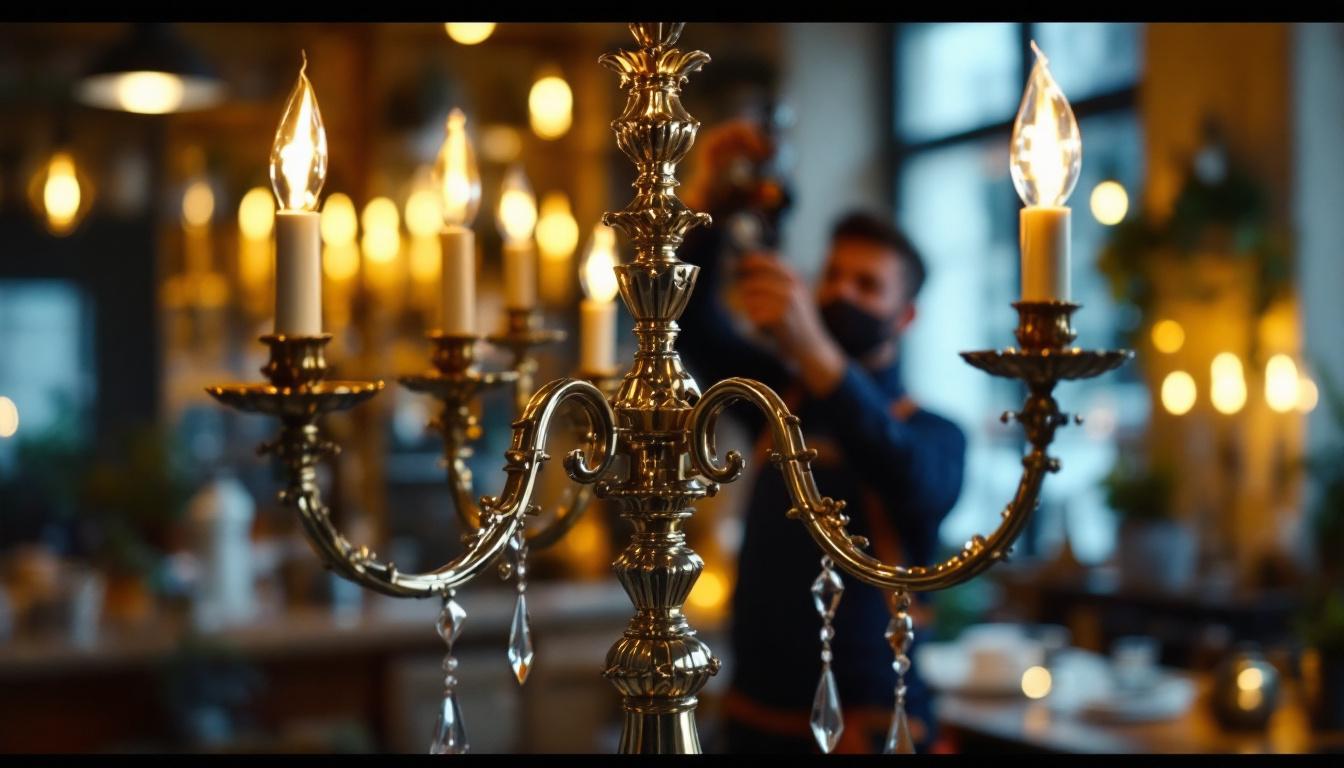
The Type B candelabra base is a smaller screw-in base, measuring approximately 12 millimeters in diameter. It is widely used in decorative fixtures such as chandeliers, wall sconces, and night lights. Its compact size allows for elegant designs without compromising on light output. The versatility of the Type B base means it can accommodate a variety of bulb types, including incandescent, LED, and CFL options, making it a flexible choice for different lighting needs.
Understanding the physical and electrical specifications of the Type B candelabra base helps lighting contractors select the appropriate bulbs and fixtures, ensuring optimal performance and compliance with electrical codes. Moreover, the Type B base is designed to handle lower wattages, typically ranging from 5 to 60 watts for incandescent bulbs, which is ideal for creating ambient lighting in intimate spaces. This wattage range also contributes to energy efficiency when using LED alternatives, which can provide the same light output with significantly lower energy consumption.
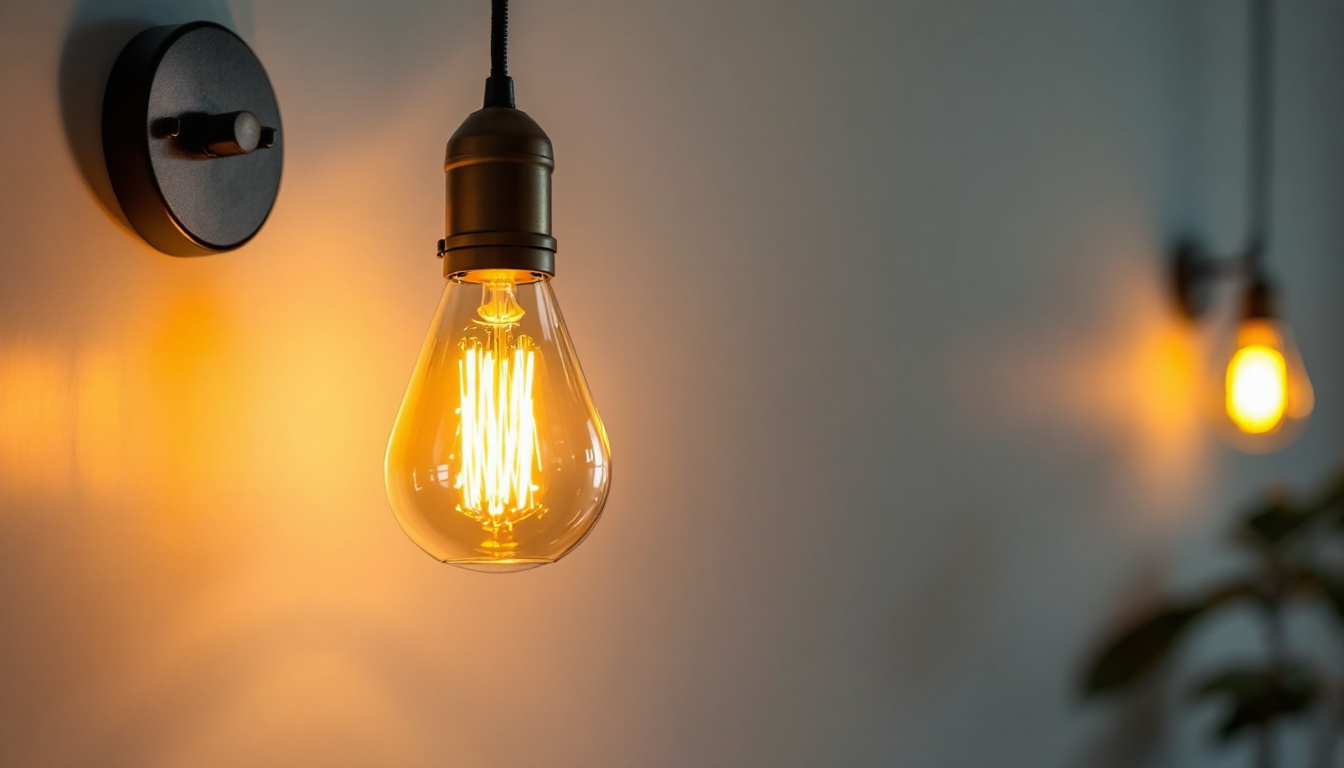
In addition to its practical applications, the Type B candelabra base plays a significant role in enhancing the aesthetic appeal of lighting fixtures. Many designers and homeowners appreciate the ability to use decorative bulbs, such as flame-shaped or globe-style options, which can add a unique flair to any room. The interplay of light and shadow created by these decorative elements can transform a simple fixture into a stunning focal point, elevating the overall design of a space. Furthermore, as trends in interior design evolve, the Type B base continues to adapt, accommodating new styles and technologies, ensuring its relevance in modern lighting solutions.
Key Features and Benefits for Contractors
Compact Design for Versatile Applications
The small size of the Type B candelabra base makes it ideal for fixtures where space is limited or where aesthetic appeal is a priority. Lighting contractors often encounter this base in ornate chandeliers and decorative lamps that require a delicate touch without sacrificing illumination. This compact design not only enhances the visual appeal of light fixtures but also allows for creative installations in tight spaces, such as sconces or accent lighting in smaller rooms.
Its versatility extends to both incandescent and LED bulbs, offering contractors flexibility in meeting client preferences for energy efficiency or traditional lighting ambiance. Additionally, the Type B candelabra base is often used in specialty fixtures, such as string lights or holiday decorations, making it a go-to choice for seasonal projects. The ability to switch between bulb types without compromising design integrity allows contractors to cater to a diverse range of client needs, from cozy home settings to vibrant commercial displays.
Energy Efficiency and Compatibility
With the growing demand for energy-efficient lighting solutions, many Type B candelabra bulbs now come in LED variants. These bulbs consume significantly less power compared to incandescent counterparts, reducing energy costs and environmental impact. Furthermore, LED bulbs typically have a much longer lifespan, which means fewer replacements and less waste, aligning with sustainable practices that many contractors are eager to promote to their environmentally conscious clients.
Lighting contractors can leverage this compatibility to advise clients on upgrading existing fixtures without the need for rewiring or fixture replacement, simplifying retrofit projects and enhancing client satisfaction. This ease of transition not only saves time and labor costs but also allows clients to enjoy immediate benefits from their investment in energy-efficient lighting. Moreover, many modern LED Type B bulbs come with features like dimmability and color temperature options, providing clients with greater control over their lighting environment and enhancing the overall user experience.
Standardization and Availability
The Type B candelabra base is standardized across many manufacturers, ensuring wide availability and interchangeability. This standardization reduces the risk of ordering errors and simplifies inventory management for contractors. With a consistent sizing and fitting, contractors can confidently stock their supplies, knowing that they can meet client demands without the hassle of mismatched components.
Moreover, the widespread use of this base means replacement bulbs are readily available, which is a selling point for clients concerned about maintenance and longevity. The ease of sourcing replacements not only assures clients of minimal downtime in case of bulb failure but also enhances the overall reliability of their lighting systems. Additionally, as manufacturers continue to innovate, contractors can keep clients informed about the latest advancements in lighting technology, ensuring that they benefit from the most current and efficient options available in the market.
Installation Best Practices for Lighting Contractors
Ensuring Proper Fit and Secure Connections
When installing Type B candelabra bulbs, it is essential to verify that the bulb base matches the fixture socket precisely. A loose or tight fit can lead to poor electrical contact or damage to the socket, potentially causing flickering or failure.
Contractors should inspect sockets for corrosion or wear before installation, as these issues can compromise safety and performance. Using a torque-limiting screwdriver can help achieve the correct tightness without over-tightening. Additionally, it’s advisable to clean the socket with a suitable contact cleaner to remove any debris or oxidation that may hinder connectivity. This simple step can significantly enhance the longevity and reliability of the installation, ensuring that the lighting operates smoothly for years to come.
Voltage and Wattage Considerations
Type B candelabra bulbs come in various voltage and wattage ratings. Lighting contractors must ensure that the selected bulbs match the fixture’s electrical specifications to prevent overheating or insufficient illumination.
For example, installing a bulb with wattage exceeding the fixture’s rating can pose a fire hazard, while a bulb with too low wattage may not provide adequate light. Consulting manufacturer guidelines and local electrical codes is a critical step in this process. Furthermore, contractors should consider the application of the lighting; for instance, a chandelier may require a more delicate balance of wattage to achieve the desired aesthetic without overwhelming the space. Understanding the interplay between wattage, lumens, and the intended use of the fixture can lead to more informed decisions and satisfied clients.
Incorporating Dimming and Control Systems
Many decorative fixtures with Type B candelabra bases are paired with dimming controls to create ambiance. Contractors should verify that the bulbs are compatible with dimmers, especially when using LED technology, as not all LED bulbs support dimming.
Proper integration of dimming systems enhances client satisfaction by providing customizable lighting environments and can contribute to energy savings. Additionally, it’s important to educate clients on the benefits of smart lighting controls, which can offer features such as scheduling, remote access, and even integration with home automation systems. By demonstrating how these advanced controls can enhance their living spaces, contractors can not only improve the functionality of the lighting but also increase the overall value of their services.
Common Challenges and Solutions
Addressing Compatibility Issues
One common challenge is the mismatch between bulb base and fixture socket, often due to the presence of similar but incompatible bases such as the E14 (European candelabra base). Lighting contractors should carefully measure and confirm base sizes before procurement.
Using adapters may be a temporary solution, but it is generally recommended to use bulbs and fixtures designed to work together to maintain safety and performance standards.
Managing Heat Dissipation
In enclosed fixtures, heat buildup can shorten bulb lifespan and damage components. Contractors should select Type B candelabra bulbs rated for enclosed fixtures when necessary, especially LED bulbs with appropriate thermal management.
Proper ventilation and fixture selection play a role in mitigating heat-related issues, ensuring longevity and reliability.
Ensuring Compliance with Electrical Codes
Compliance with local electrical codes and standards is non-negotiable. Lighting contractors must stay informed about regulations concerning bulb wattage limits, grounding, and fixture installation to avoid costly rework and liability.
Regular training and consultation with electrical inspectors can help maintain adherence to evolving standards.
Trends Impacting Type B Candelabra Usage
Shift Toward LED Technology
The lighting industry is witnessing a significant shift toward LED technology, driven by energy efficiency, longer lifespan, and environmental concerns. Type B candelabra LED bulbs are increasingly popular, offering contractors opportunities to promote sustainable solutions.
LED bulbs also provide enhanced color rendering and dimming capabilities, aligning with modern lighting design trends.
Smart Lighting Integration
Smart home and building automation systems are influencing lighting choices. Type B candelabra bulbs compatible with smart controls allow contractors to offer clients advanced features such as remote operation, scheduling, and scene setting.
This integration adds value to installations and positions contractors as providers of cutting-edge solutions.
Customization and Specialty Bulbs
Manufacturers are expanding offerings to include specialty Type B candelabra bulbs, such as vintage filament LEDs and color-changing options. These products cater to niche markets and design preferences, enabling contractors to meet diverse client demands.
Staying informed about new product developments empowers contractors to recommend innovative lighting solutions confidently.
Conclusion: Streamlining Lighting Projects with Type B Candelabra
For lighting contractors, mastering the nuances of the Type B candelabra base can simplify project workflows, enhance safety, and improve client outcomes. Its compact design, broad compatibility, and adaptability to modern lighting technologies make it a valuable component in many lighting applications.
By adhering to best practices in installation, staying current with industry trends, and anticipating challenges, contractors can leverage the Type B candelabra base to deliver efficient, attractive, and reliable lighting solutions. This knowledge ultimately supports the contractor’s reputation for professionalism and technical expertise in a competitive market.
Get Your Premium Type B Candelabra Bulbs at LumenWholesale
Ready to elevate your lighting projects with the versatile and efficient Type B candelabra base? Look no further than LumenWholesale for all your lighting needs. We offer an extensive selection of spec-grade lighting products, including Type B candelabra bulbs, at unbeatable wholesale prices. Say goodbye to inflated markups and hello to high-performance lighting that meets the highest industry standards. Plus, enjoy the convenience of hassle-free bulk buying with free shipping. Don’t compromise on quality or value—choose LumenWholesale for Wholesale Lighting at the Best Value and make your next project shine.