Understanding the Essentials of Small Track Lighting
Track lighting has long been a favorite among lighting contractors for its versatility, sleek design, and ability to highlight specific areas or objects. When it comes to small track lighting systems, the challenge is balancing aesthetics, functionality, and technical constraints. Small track lighting is not just about compact fixtures; it’s about creating impactful illumination in limited spaces without compromising on quality or performance.
For lighting contractors, mastering small track lighting means understanding the nuances of design, electrical requirements, and installation techniques. Small track lighting is often used in residential kitchens, retail displays, galleries, and compact commercial spaces where every inch counts. The goal is to deliver focused, adjustable light that enhances the environment while maintaining a clean, unobtrusive look.
Why Small Track Lighting Matters
Small track lighting systems are increasingly popular because they provide flexibility in lighting design without overwhelming the space. They allow for directional lighting that can be adjusted as needs change, which is crucial for dynamic environments. For contractors, the ability to install and customize these systems efficiently can set their work apart, leading to higher client satisfaction and repeat business.
Key Components of Small Track Lighting
At the core of any track lighting system are the track, fixtures, and power supply. In small track lighting, these components are scaled down but must maintain high standards of durability and electrical safety. Tracks come in various configurations—straight, flexible, or curved—to fit the space’s layout. Fixtures designed for small tracks are lightweight and compact but still house powerful LEDs or halogen bulbs capable of delivering bright, focused light.
Design Strategies for Effective Small Track Lighting
Designing with small track lighting requires a strategic approach that considers the space’s function, architectural features, and desired ambiance. Lighting contractors must think beyond just placing fixtures; they need to create a lighting plan that enhances the room’s purpose and aesthetics.
Assessing the Space and Lighting Needs
Before installation, a thorough assessment of the space is essential. This includes measuring dimensions, identifying focal points, and understanding the activities that will take place under the lighting. For example, a small kitchen may require bright, shadow-free task lighting, while a boutique might prioritize accent lighting to highlight merchandise.
Contractors should also consider the color temperature and color rendering index (CRI) of the lighting fixtures. Small track lighting often benefits from LEDs with a high CRI (above 90) to ensure colors appear natural and vibrant, especially in retail or art display settings.
Optimizing Fixture Placement and Beam Angles
One of the secrets lighting contractors use is meticulous planning of fixture placement and beam angles. Small track lighting allows for adjustable heads that can be swiveled and tilted, but improper positioning can lead to glare, uneven lighting, or wasted energy. Using lighting design software or mock-ups can help visualize the effect before installation.
For instance, in a small gallery, fixtures should be aimed to avoid reflections on glass frames while evenly illuminating the artwork. In kitchens, lights should be positioned to minimize shadows on countertops. The use of narrow beam angles can concentrate light on specific areas, while wider beams provide general illumination.
Incorporating Layered Lighting
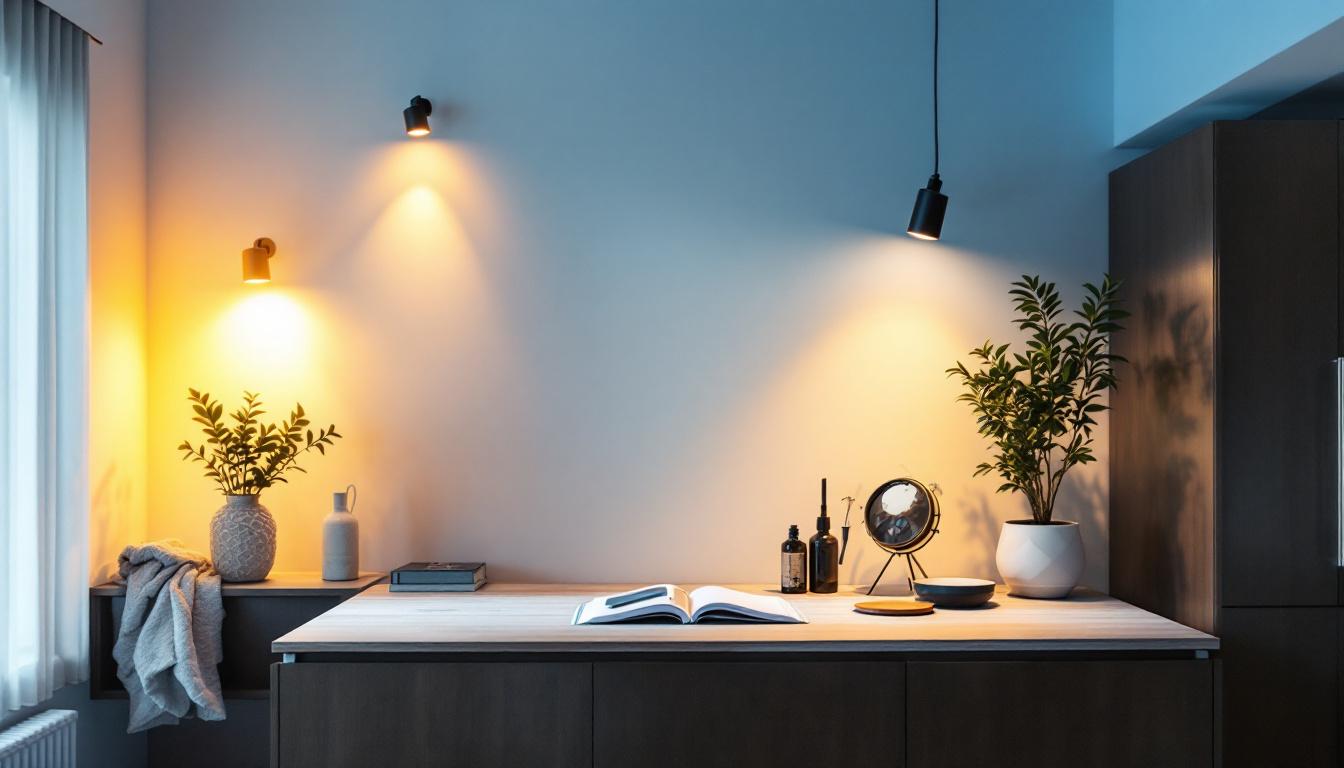
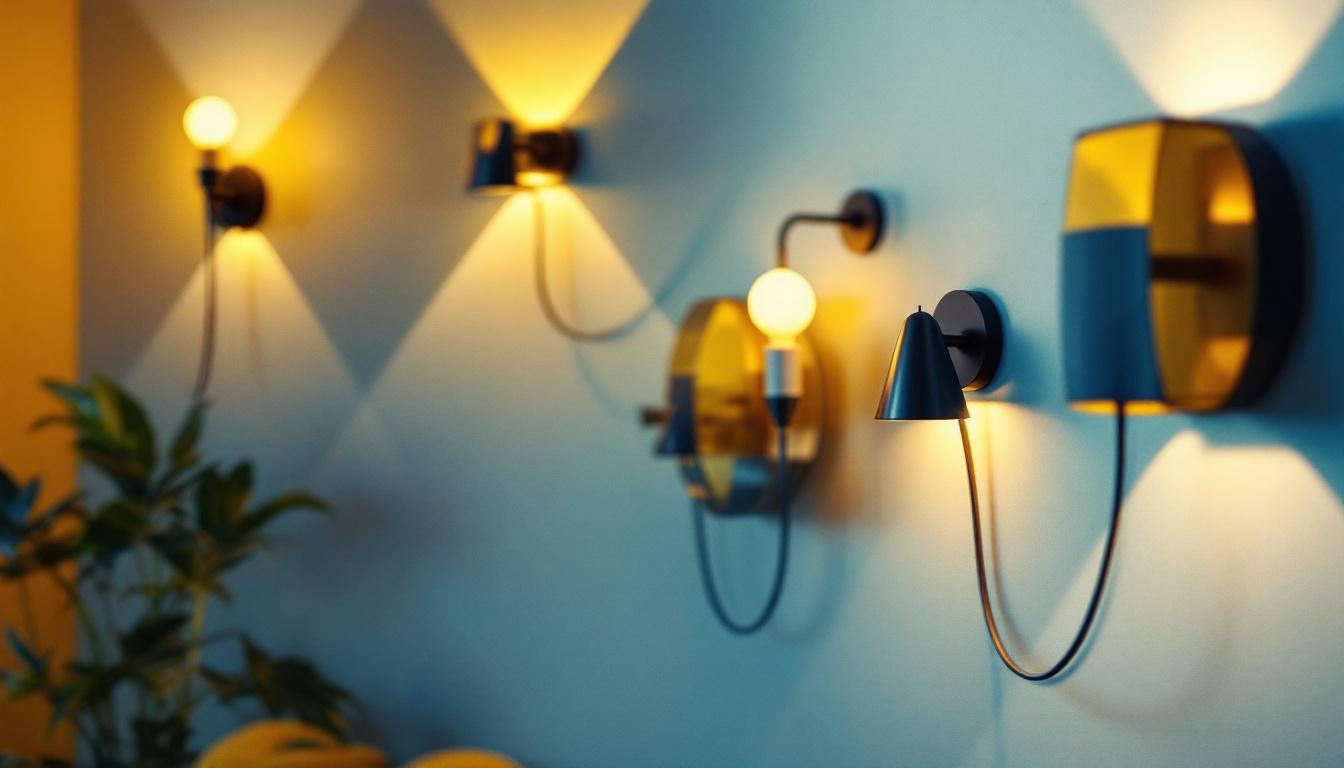
Small track lighting should not be the sole source of light in a room. Contractors often combine it with ambient and accent lighting to create a layered effect that adds depth and comfort. For example, pairing small track lighting with under-cabinet lights or wall sconces can reduce eye strain and enhance the overall atmosphere.
Technical Considerations and Installation Best Practices
Beyond design, the technical execution of small track lighting installations is critical. Lighting contractors must ensure that systems are safe, compliant with electrical codes, and optimized for energy efficiency.
Choosing the Right Track System and Power Supply
Small track lighting systems come in different types, primarily H, J, and L track profiles, each with distinct voltage and current specifications. Contractors must select the appropriate track type based on the project’s power requirements and compatibility with fixtures. Low-voltage systems are common in small track lighting due to their safety and energy efficiency advantages.
Power supplies or transformers must be correctly sized to handle the total wattage of all fixtures on the track. Overloading can cause overheating and system failure. It’s also important to consider dimming capabilities, as many clients prefer adjustable lighting levels for ambiance and energy savings.
Wiring and Circuit Considerations
Proper wiring is fundamental to a successful track lighting installation. Lighting contractors should follow local electrical codes, ensuring that circuits are adequately rated and protected by breakers or fuses. Using flexible wiring methods can facilitate future adjustments or expansions of the track system.
In small spaces, concealing wiring without compromising accessibility is a common challenge. Contractors often use surface-mounted tracks that double as raceways, hiding wires inside the track itself. This approach provides a clean look and simplifies maintenance.
Installation Techniques for Durability and Safety
Secure mounting of the track is essential to prevent sagging or detachment over time. Contractors typically use anchors and screws suitable for the ceiling material, whether drywall, plaster, or concrete. Ensuring the track is level and straight also contributes to the system’s visual appeal and functionality.
Grounding and bonding are critical safety measures that must not be overlooked. Proper grounding protects against electrical faults and reduces the risk of shock. Additionally, contractors should test the system thoroughly after installation, checking for flickering, loose connections, and proper dimmer operation.
Advanced Tips and Industry Insights for Lighting Contractors
Mastering small track lighting involves continuous learning and adapting to new technologies and trends. Experienced lighting contractors share several insights that can elevate the quality of their installations and client satisfaction.
Leveraging LED Technology and Smart Controls
LED technology has revolutionized track lighting by offering longer lifespan, lower heat output, and superior energy efficiency compared to traditional halogen bulbs. Small track lighting benefits greatly from compact LED modules that deliver high lumen output in a small form factor.
Integrating smart lighting controls, such as wireless dimmers and scene-setting systems, allows clients to customize their lighting environment easily. Contractors who are proficient in installing and programming these systems can provide added value and differentiate their services.
Customizing Fixtures and Finishes
Clients increasingly seek personalized lighting solutions that complement their interior design. Many manufacturers offer customizable track lighting fixtures with various finishes, colors, and shapes. Lighting contractors who stay informed about these options can advise clients on choices that enhance both functionality and style.
For example, matte black or brushed nickel finishes are popular in modern interiors, while brass or copper tones add warmth and character. Custom accessories like barn doors or lenses can further refine the light distribution and aesthetic appeal.
Maintaining and Upgrading Existing Systems
Lighting contractors often encounter clients with outdated or underperforming small track lighting systems. Offering maintenance services, such as cleaning, fixture replacement, and rewiring, can extend the life of these installations. Additionally, upgrading to LED fixtures or adding smart controls can improve energy efficiency and user experience.
Providing clear documentation and user guidance helps clients manage their lighting systems effectively, reducing service calls and enhancing satisfaction.
Case Studies: Successful Small Track Lighting Projects
Examining real-world examples can provide valuable lessons and inspiration for lighting contractors working with small track lighting.
Modern Kitchen Renovation
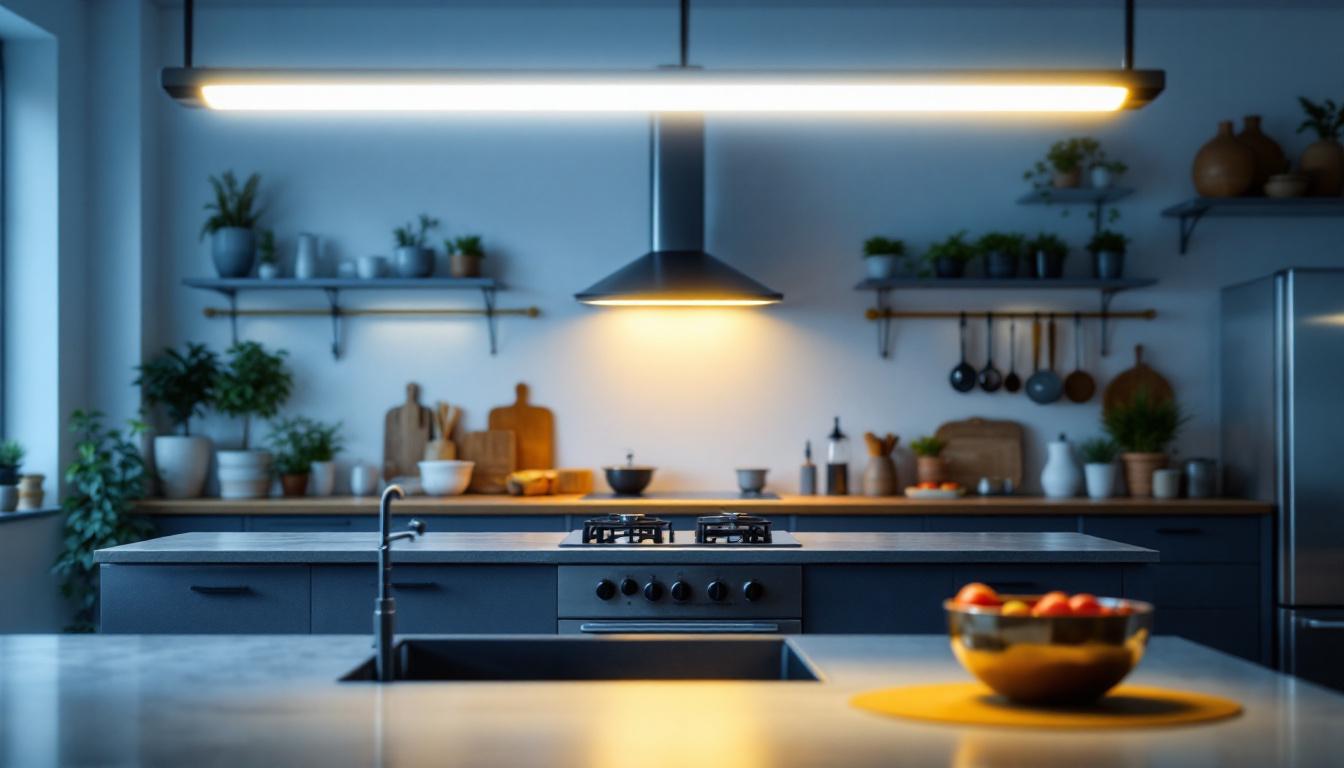
In a compact urban kitchen, a lighting contractor installed a small, three-foot track system with adjustable LED fixtures. The track was mounted above the island and along the perimeter ceiling, providing focused task lighting where needed. The contractor selected fixtures with a 3000K color temperature and a high CRI to ensure food preparation areas were well-lit and colors appeared natural.
The installation included dimmable drivers, allowing the homeowner to adjust brightness for cooking or entertaining. The result was a bright, functional kitchen with a sleek, modern look that maximized the limited ceiling space.
Retail Boutique Accent Lighting
A boutique specializing in handmade jewelry required small track lighting to highlight display cases without overwhelming the intimate space. The contractor chose a flexible track system that could curve along the ceiling, with narrow beam LED fixtures focused on key merchandise.
By carefully positioning the fixtures and using glare-reducing lenses, the lighting enhanced the sparkle of the jewelry while maintaining a comfortable shopping environment. The contractor also integrated a smart control system, enabling staff to adjust lighting scenes for different times of day and special events.
Art Gallery Installation
In a small art gallery, precise lighting is critical to showcase artwork without damage or distortion. The lighting contractor installed a low-profile track system with high-CRI LED fixtures that could be individually aimed. The fixtures featured adjustable beam angles to accommodate varying sizes and types of artwork.
The contractor worked closely with the curator to develop a lighting plan that minimized UV exposure and reflections. The gallery benefited from a flexible system that could adapt to changing exhibitions, enhancing visitor experience and protecting valuable pieces.
Conclusion: Mastering Small Track Lighting for Professional Success
Small track lighting presents unique challenges and opportunities for lighting contractors. By understanding the technical details, design principles, and client needs, contractors can deliver lighting solutions that are both beautiful and functional. Staying current with technology trends, such as LED advancements and smart controls, further enhances the value offered to clients.
Successful small track lighting installations require careful planning, precise execution, and ongoing maintenance. Lighting contractors who master these elements position themselves as trusted experts capable of transforming small spaces with impactful, efficient lighting.
Get Your Premium Small Track Lighting Supplies at LumenWholesale
Ready to elevate your lighting projects with the finest small track lighting solutions? Look no further than LumenWholesale, where we provide contractors with exceptional, spec-grade lighting products at unbeatable wholesale prices. Our commitment to quality and affordability means you can access a wide range of high-performance lighting options that meet the highest industry standards. Plus, with free shipping on bulk orders, you can stock up on premium lighting without worrying about hidden fees or compromises. Don’t miss out on the perfect blend of quality, affordability, and convenience. Visit LumenWholesale now for Wholesale Lighting at the Best Value and transform your spaces with confidence and ease.