Why LED White String Lights Are a Game-Changer for Outdoor Projects
Outdoor lighting has evolved far beyond simple bulbs hung on a wire. LED white string lights have become a staple for lighting contractors aiming to combine aesthetics, efficiency, and durability. Their versatility is unmatched, fitting everything from cozy backyard patios to expansive commercial landscapes.
One of the biggest advantages is energy efficiency. LEDs consume a fraction of the power traditional incandescent bulbs use, which translates into significant savings for clients over time. Plus, their longevity means fewer replacements and less maintenance—an aspect every contractor appreciates when managing multiple projects. This reduced need for frequent bulb changes not only saves money but also minimizes disruptions, allowing contractors to focus on other critical aspects of their work.
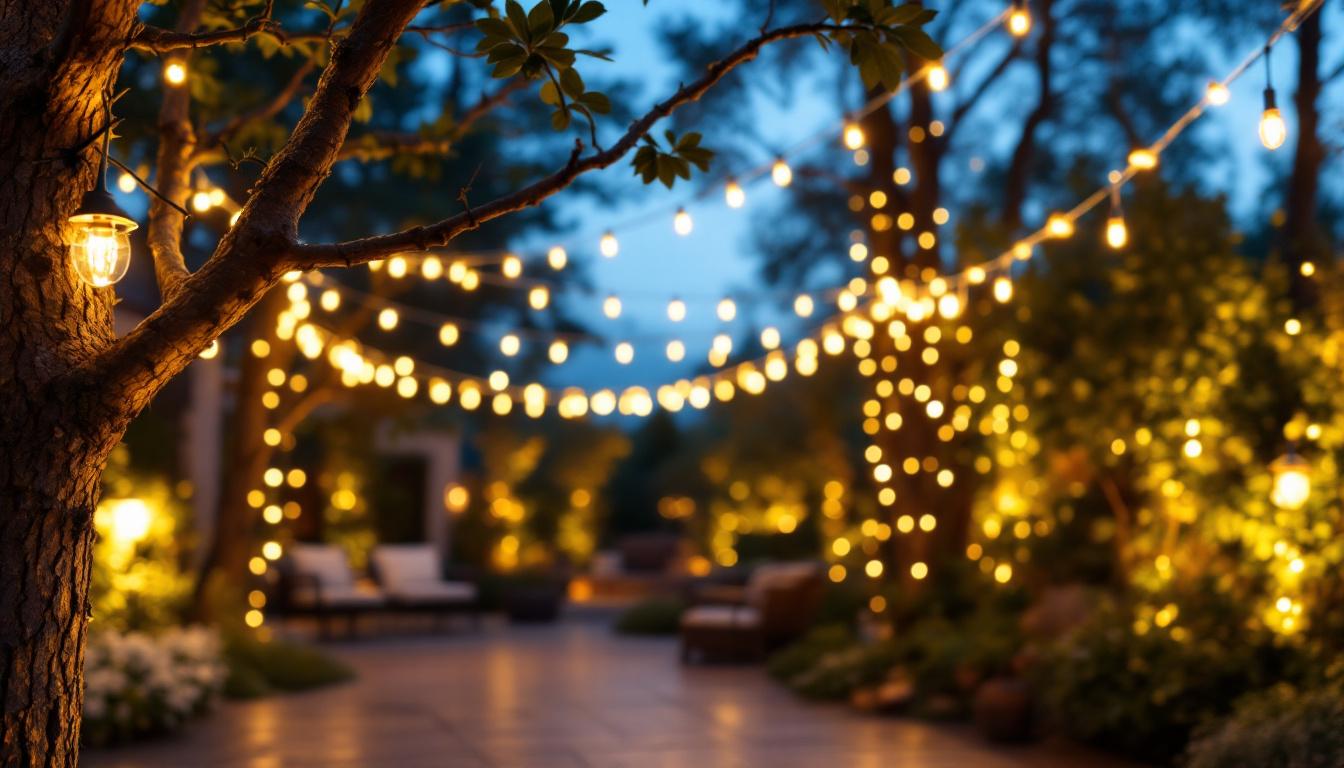
But efficiency isn’t the only draw. LED white string lights offer a clean, bright illumination that enhances outdoor spaces without overwhelming them. This subtle yet effective lighting can highlight architectural features, illuminate pathways, or create inviting atmospheres for events and gatherings. Furthermore, the flexibility of LED string lights allows for creative installations; they can be draped, wrapped, or hung in various configurations to suit the unique design of any outdoor area. Whether it’s a festive holiday display or a serene summer evening setting, these lights can transform the ambiance with ease.
Another noteworthy benefit of LED white string lights is their resilience against the elements. Designed to withstand rain, wind, and even snow, these lights are perfect for year-round use, ensuring that outdoor spaces remain beautifully lit regardless of the season. This durability is particularly advantageous for commercial clients who want to maintain a consistent aesthetic without worrying about seasonal wear and tear. Additionally, many LED string lights come with features such as dimming capabilities and remote control operation, allowing for even greater customization and control over the lighting atmosphere, making them an ideal choice for both casual and formal outdoor events.
Choosing the Right LED White String Lights for Outdoor Use
Understanding Light Quality and Color Temperature
Not all white LEDs are created equal. The color temperature-measured in Kelvins-determines the warmth or coolness of the light. For outdoor settings, a neutral white (around 3500K to 4100K) often works best, striking a balance that complements natural surroundings without appearing too harsh or too yellow. This range allows for a cozy ambiance, making it ideal for gatherings and events held under the stars. Additionally, some manufacturers offer adjustable color temperature options, allowing users to switch between warm and cool tones depending on the occasion, enhancing versatility.
Contractors should also consider the Color Rendering Index (CRI), which measures how accurately a light source reveals colors compared to natural light. A CRI above 80 is generally recommended for outdoor string lights to ensure colors appear vibrant and true. This is particularly important for landscaping, as it allows the natural hues of flowers and foliage to shine through, creating a visually appealing environment. In settings like patios or outdoor dining areas, a higher CRI can also enhance the dining experience by making food look more appetizing and inviting.
Durability and Weather Resistance
Outdoor lighting faces harsh conditions-rain, wind, dust, and temperature fluctuations. Selecting string lights with robust weatherproof ratings is crucial. Look for products rated IP65 or higher, ensuring protection against water jets and dust ingress. These ratings not only guarantee longevity but also provide peace of mind for homeowners and businesses alike, knowing that their investment will withstand the elements. Furthermore, some brands incorporate UV-resistant materials, preventing fading and degradation from prolonged sun exposure, which is an essential consideration for outdoor installations.
Materials matter too. High-quality plastic or rubber-coated wiring resists cracking and fraying, while shatterproof LED bulbs prevent damage from accidental impacts. These features reduce callbacks and increase client satisfaction. Additionally, consider the ease of installation; many modern string lights come with integrated clips or hooks, allowing for quick setup and adjustments. This user-friendly design can make a significant difference, especially for large outdoor spaces where lighting needs may change frequently. Moreover, energy efficiency is another factor to consider, as LED lights consume less power than traditional incandescent bulbs, leading to lower energy bills and a reduced carbon footprint over time.
Installation Techniques Lighting Contractors Swear By
Planning the Layout for Maximum Impact
Before hanging any lights, a detailed plan is essential. Contractors often start by mapping out the area, noting power sources, mounting points, and desired lighting effects. This upfront work saves time and prevents costly adjustments later. A comprehensive layout plan can also help visualize how different lighting techniques, such as uplighting or downlighting, will interact with the space. For instance, uplighting can create dramatic shadows and enhance architectural features, while downlighting can provide functional illumination for pathways or seating areas.
Spacing is key. Too close, and the lights can look cluttered; too far apart, and the illumination becomes patchy. A common rule is to space bulbs about 12 to 18 inches apart for a balanced glow, but this varies based on the scale and purpose of the installation. Additionally, contractors often consider the color temperature of the bulbs, as warmer tones can create a cozy atmosphere, while cooler tones may be more suitable for modern or industrial settings. By carefully selecting both the spacing and color temperature, contractors can significantly enhance the overall ambiance of the area.
Mounting and Securing the Lights
Choosing the right mounting hardware depends on the surface—wood, brick, metal, or vinyl. Hooks, clips, and adhesive mounts each have their place, but the goal remains the same: secure the lights firmly without damaging structures. For instance, when installing lights on brick surfaces, masonry screws or anchors may be necessary to ensure a stable hold. On the other hand, wooden surfaces may allow for simpler screw-in hooks, which can be easier to install and remove.
Lighting contractors often recommend using stainless steel hooks or heavy-duty clips for longevity. When working with delicate surfaces, removable adhesive mounts can provide a temporary solution without leaving marks. Additionally, they may suggest using cable management solutions, such as raceways or conduits, to keep wires organized and out of sight. This not only enhances the aesthetic appeal but also reduces the risk of tripping hazards, creating a safer environment for everyone.
Power Supply and Safety Considerations
Ensuring a safe and reliable power source is non-negotiable. Outdoor-rated extension cords and weatherproof connectors prevent electrical hazards. Contractors also advise installing ground-fault circuit interrupters (GFCIs) to protect against electrical shocks. It’s also important to consider the location of power outlets; strategically placing outlets can minimize the need for long extension cords, which can be both unsightly and unsafe.
For larger installations, planning the electrical load is critical. Overloading circuits can cause outages or damage. Using multiple circuits or low-voltage transformers can distribute power safely and efficiently. Moreover, contractors often emphasize the importance of regular maintenance checks on electrical components. This can include inspecting connections for wear and tear, ensuring that all fixtures are securely mounted, and testing GFCIs to confirm they are functioning properly. By prioritizing these safety measures, contractors can ensure that the lighting installation remains both beautiful and reliable for years to come.
Maintenance Tips to Keep LED White String Lights Shining Bright
Even the best-installed lights require upkeep. Regular inspections catch issues like frayed wires, loose connections, or burnt-out LEDs before they become bigger problems.
Cleaning is often overlooked but essential. Dust and debris can dull the brightness and reduce lifespan. A gentle wipe with a damp cloth, avoiding harsh chemicals, keeps the lights looking fresh.
Seasonal storage is another consideration. If clients want to remove string lights during certain months, advise them on proper storage-coiling the lights loosely and keeping them in a dry, cool place to prevent damage.
Enhancing Outdoor Spaces with Creative LED White String Light Designs
Layering Light for Depth and Ambiance
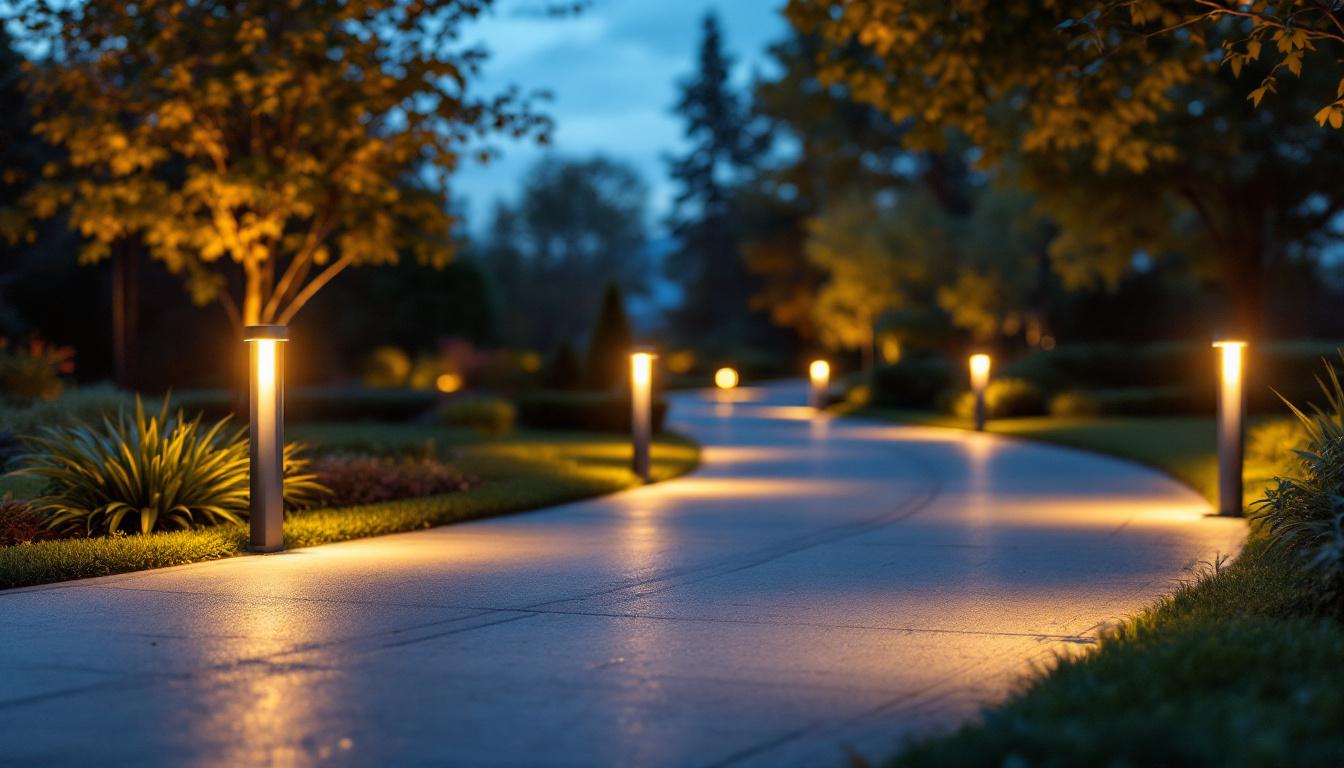
Lighting contractors know that layering different light sources creates more dynamic and inviting spaces. Combining LED white string lights with spotlights, lanterns, or pathway lights adds dimension and highlights key features.
Using string lights overhead creates a canopy effect, perfect for patios or event spaces. Wrapping them around trees or railings adds texture and visual interest, turning ordinary areas into memorable environments.
Smart Controls and Automation
Integrating smart technology elevates the functionality of outdoor string lights. Contractors increasingly recommend systems that allow clients to adjust brightness, set timers, or change lighting modes via smartphone apps.
This convenience not only enhances user experience but also contributes to energy savings by ensuring lights operate only when needed. Motion sensors can add security benefits, activating lights when movement is detected.
Common Pitfalls and How Lighting Contractors Avoid Them
One frequent mistake is underestimating the power requirements, leading to flickering or dim lights. Accurate calculations and using quality power supplies prevent these issues.
Another challenge is improper mounting, which can cause sagging or damage. Taking time to select the right hardware and secure installation points avoids these problems.
Finally, neglecting weatherproofing can shorten the lifespan of string lights. Contractors emphasize choosing products with appropriate ratings and sealing connections to withstand the elements.
Final Thoughts: Mastering Outdoor LED White String Lighting
Mastering the use of LED white string lights outdoors involves more than just hanging bulbs. It requires understanding the technical specifications, planning installations carefully, and prioritizing durability and safety.
Lighting contractors who apply these principles deliver stunning, reliable outdoor lighting solutions that delight clients and stand the test of time. The secret lies in combining expertise with quality materials and thoughtful design.
Illuminate Your Projects with LumenWholesale
Ready to elevate your outdoor lighting projects with the expertise and quality you’ve just discovered? Look no further than LumenWholesale for all your LED white string light needs. Our spec-grade lighting products are designed to meet the highest industry standards, ensuring your installations shine bright and stand strong against the elements. With unbeatable wholesale prices and the convenience of free shipping on bulk orders, you can provide your clients with the best value without any hidden fees. Transform your outdoor spaces with confidence and cost-effectiveness. Visit LumenWholesale today and experience the perfect blend of quality, affordability, and convenience for all your lighting endeavors.