The Core Difference Between T8 and T12 Ballasts
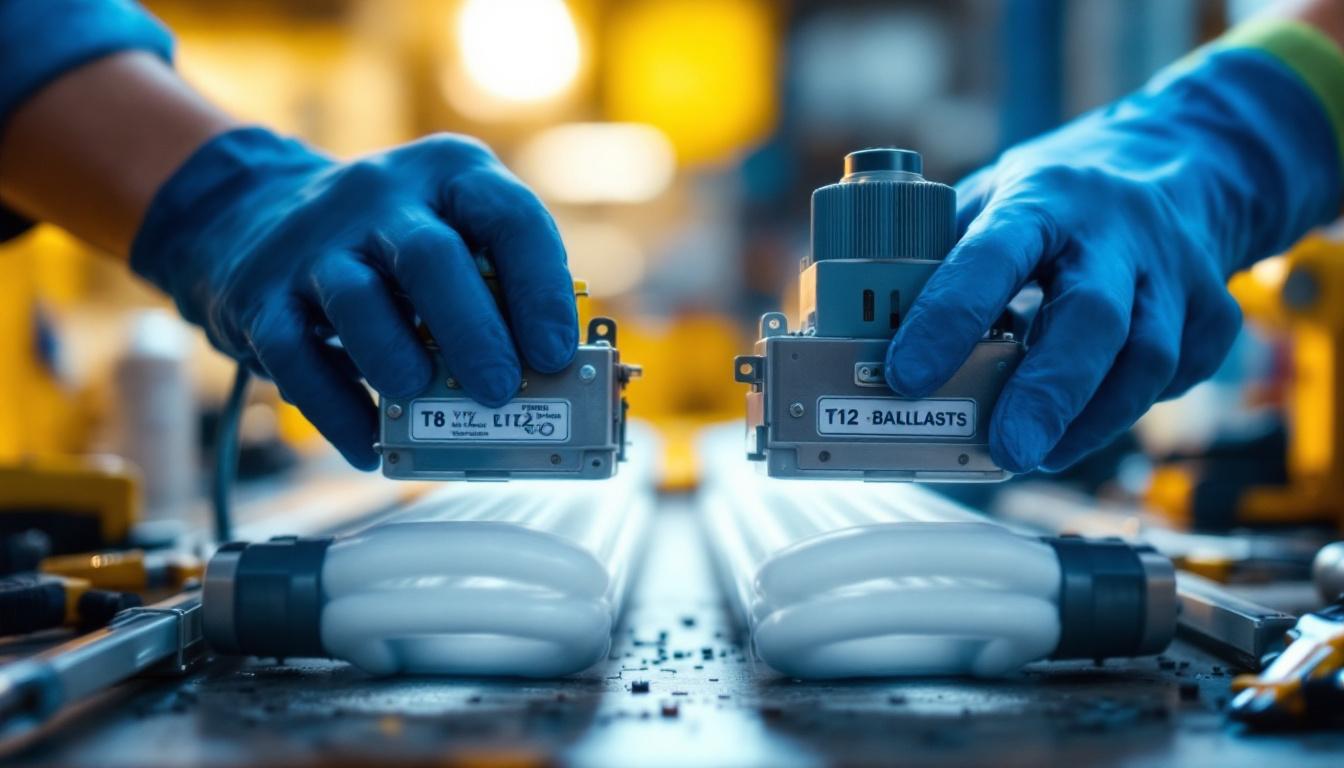
Lighting contractors often face the choice between T8 and T12 ballasts when designing or upgrading fluorescent lighting systems. Both serve the purpose of regulating current to fluorescent lamps, but their operational principles and efficiencies differ significantly.
At the heart of the distinction is the diameter of the fluorescent tubes they support. T12 ballasts are designed for 1.5-inch diameter tubes, while T8 ballasts cater to slimmer 1-inch tubes. This seemingly simple size difference influences not only the physical compatibility but also the electrical and performance characteristics of the lighting system.
Understanding these differences is crucial for contractors aiming to optimize energy consumption, lighting quality, and system longevity. For instance, T8 ballasts typically offer higher efficiency, which translates to lower energy costs over time. They also tend to provide better lumen output per watt, meaning that they can produce more light while consuming less energy. This efficiency is particularly important in commercial settings where lighting can account for a significant portion of the energy bill.
Moreover, the advancements in T8 technology have led to the development of electronic ballasts that further enhance performance. These electronic ballasts not only improve energy efficiency but also reduce flickering and noise, creating a more pleasant environment for occupants. In contrast, T12 systems, which often rely on magnetic ballasts, can be less efficient and may require more frequent maintenance. As energy regulations become stricter, many contractors are finding that transitioning to T8 systems is not only beneficial for performance but also necessary for compliance with energy efficiency standards.
Electrical Operation: Magnetic Versus Electronic Ballasts
Magnetic Ballasts in T12 Systems
T12 ballasts traditionally use magnetic ballasts, which rely on electromagnetic induction to regulate current. These ballasts operate at the standard line frequency of 50 or 60 Hz, causing the fluorescent tubes to flicker at this frequency. This flicker, although often imperceptible to the casual observer, can lead to eye strain and headaches in sensitive individuals.
Magnetic ballasts are heavier and generate more heat compared to their electronic counterparts. Their energy efficiency is lower, with typical losses ranging from 10% to 15%. This inefficiency translates to higher operating costs over time, especially in large commercial installations. Furthermore, the bulky nature of magnetic ballasts can complicate installation and maintenance, as they often require more space and can be cumbersome to handle. This can be particularly problematic in retrofitting older systems where space is limited.
Electronic Ballasts in T8 Systems
T8 ballasts generally utilize electronic ballasts, which operate at much higher frequencies—often in the range of 20,000 to 60,000 Hz. This high-frequency operation eliminates the flicker associated with magnetic ballasts, providing a more stable and comfortable lighting environment.
Electronic ballasts are lighter, more compact, and significantly more energy-efficient. They reduce energy losses to approximately 5% or less, making them an attractive option for contractors focused on sustainability and cost savings. Additionally, electronic ballasts often feature instant start or programmed start capabilities, reducing lamp wear and extending lifespan. This not only enhances the longevity of the fluorescent tubes but also contributes to a reduction in waste, aligning with modern environmental standards. Moreover, the advanced technology in electronic ballasts allows for better dimming capabilities, providing flexibility in lighting design and energy management, which is particularly beneficial in settings such as offices and retail spaces where ambiance can significantly impact customer experience and productivity.
Energy Efficiency and Cost Implications
Energy consumption is a primary concern for lighting contractors, especially given rising energy costs and increasing regulatory pressure to adopt sustainable solutions. T8 ballast systems typically consume less power for the same light output compared to T12 systems.
For example, a typical T12 fluorescent fixture might draw around 40 watts, whereas a comparable T8 fixture could use approximately 32 watts. Over a large installation, these savings become substantial. Consider a commercial building with 1,000 fixtures running 10 hours a day; the difference in energy consumption could amount to thousands of dollars annually.
While the upfront cost of T8 ballasts and tubes may be slightly higher, the return on investment through energy savings and reduced maintenance costs often justifies the initial expenditure. Furthermore, T8 systems generally have a longer lifespan, which means fewer replacements and less waste. This longevity not only contributes to cost savings but also aligns with environmental sustainability goals, as fewer materials are consumed over time.
Moreover, the transition to T8 systems can also enhance the quality of light in a space. T8 fluorescent tubes typically offer better color rendering and a more consistent light output, which can improve the overall ambiance of commercial settings. This improvement in lighting quality can lead to increased productivity among employees and a more inviting atmosphere for customers. As businesses become more aware of the impact of lighting on mood and efficiency, the shift towards T8 systems becomes not just a financial decision, but a strategic one that can influence overall operational success.
Light Quality and Performance Characteristics
Color Rendering and Brightness
T8 lamps generally offer superior color rendering compared to T12 lamps. The Color Rendering Index (CRI) of T8 lamps often exceeds 80, while T12 lamps typically have a CRI in the 60-75 range. This means that colors appear more natural and vibrant under T8 lighting, an important factor in retail, healthcare, and office environments where accurate color perception is critical. In retail spaces, for instance, the enhanced color rendering of T8 lamps can significantly influence consumer behavior, making products appear more appealing and true to their actual colors. In healthcare settings, the ability to accurately perceive skin tones and other subtle color variations can be vital for diagnosis and treatment.
Brightness and lumen output also favor T8 lamps. Despite their smaller diameter, T8 lamps produce comparable or higher lumens per watt, making them more efficient at delivering usable light. This efficiency translates into lower energy costs and reduced environmental impact, as T8 lamps require less power to achieve the same or greater illumination levels. Furthermore, the increased brightness can enhance safety in work environments, reducing the likelihood of accidents due to poor visibility.
Flicker and Noise Considerations
As mentioned, magnetic ballasts in T12 systems can cause noticeable flicker and humming noise. These issues can affect occupant comfort and productivity. Electronic ballasts used with T8 lamps operate silently and without flicker, contributing to a better indoor environment. The absence of flicker is particularly beneficial in settings where prolonged exposure to artificial lighting is common, such as schools and offices, as it can help reduce eye strain and fatigue. Additionally, the quiet operation of electronic ballasts minimizes distractions, allowing for a more focused and serene atmosphere.
Moreover, the advancements in lighting technology have led to the development of high-frequency electronic ballasts that not only eliminate flicker but also enhance the overall performance of T8 lamps. These ballasts can provide better control over light output, allowing for dimming capabilities that can adjust the brightness based on the time of day or specific tasks. This flexibility not only improves energy efficiency but also promotes a more adaptable lighting environment, catering to the varying needs of occupants throughout the day.
Installation and Maintenance Factors
From a contractor’s perspective, ease of installation and maintenance are key considerations. T8 ballasts and lamps are generally lighter and more compact, simplifying installation in tight spaces. Electronic ballasts often include features like end-of-life indicators and thermal protection, reducing the risk of premature failure. This not only streamlines the installation process but also enhances safety, as contractors can quickly identify when a ballast is nearing the end of its life, allowing for timely replacements without significant downtime.
Maintenance costs tend to be lower with T8 systems due to longer lamp life and more reliable ballast operation. T8 lamps can last up to 20,000 hours or more, while T12 lamps often have shorter lifespans, increasing replacement frequency and labor costs. Additionally, the reduced frequency of replacements means that facilities can allocate their maintenance budgets more effectively, focusing on other critical areas rather than constantly managing lighting issues. This is particularly beneficial in commercial settings, where lighting is essential for both productivity and safety.
Moreover, the transition to T8 systems can lead to significant energy savings, which further enhances their appeal from a maintenance perspective. With improved energy efficiency, businesses can expect lower utility bills, and many utility companies offer rebates for upgrading to more efficient lighting solutions. This financial incentive not only offsets the initial installation costs but also contributes to a more sustainable operational model. Furthermore, as technology continues to advance, the integration of smart lighting controls with T8 systems is becoming increasingly popular, allowing for automated adjustments based on occupancy and ambient light levels, which can further reduce wear and tear on the fixtures and extend their overall lifespan.
Regulatory and Environmental Impact
Regulatory bodies in many regions have phased out or restricted the use of T12 lamps and ballasts due to their inefficiency and environmental impact. Lighting contractors must stay informed about local codes and standards, which increasingly favor T8 and LED technologies.
Additionally, T8 systems contain less mercury and other hazardous materials per lumen output compared to T12 systems. This makes disposal and recycling easier and more environmentally responsible.
When Might T12 Ballasts Still Be Relevant?
Despite the advantages of T8 systems, T12 ballasts and lamps can still be found in certain applications. Some legacy installations may require T12 components due to fixture compatibility or budget constraints. In warehouses or industrial settings where color rendering and flicker are less critical, T12 systems might remain in use.
However, many contractors recommend retrofitting these older systems with T8 ballasts and lamps or upgrading to LED alternatives to improve efficiency and compliance with current standards.
Summary: Making the Right Choice
For lighting contractors, selecting between T8 and T12 ballasts involves balancing factors such as energy efficiency, light quality, installation complexity, and regulatory compliance. T8 ballasts, with their electronic operation, superior efficiency, and better light quality, generally represent the smarter choice for new installations and upgrades.
Understanding the science behind these ballasts enables contractors to provide informed recommendations, optimize lighting system performance, and deliver value to clients. While T12 ballasts may still have niche applications, the trend clearly favors T8 and beyond.
Upgrade Your Lighting with LumenWholesale
Ready to enhance your lighting projects with the efficiency and quality of T8 ballasts? Look no further than LumenWholesale for a seamless upgrade experience. Our commitment to providing contractors with spec-grade lighting products at unbeatable wholesale prices ensures you don’t just meet industry standards—you exceed them. Say goodbye to inflated markups and hello to premium lighting with the convenience of free shipping. Make the smart choice for your next project and discover the best value in wholesale lighting with LumenWholesale.