The Critical Role of Staircase Lighting in Safety and Design
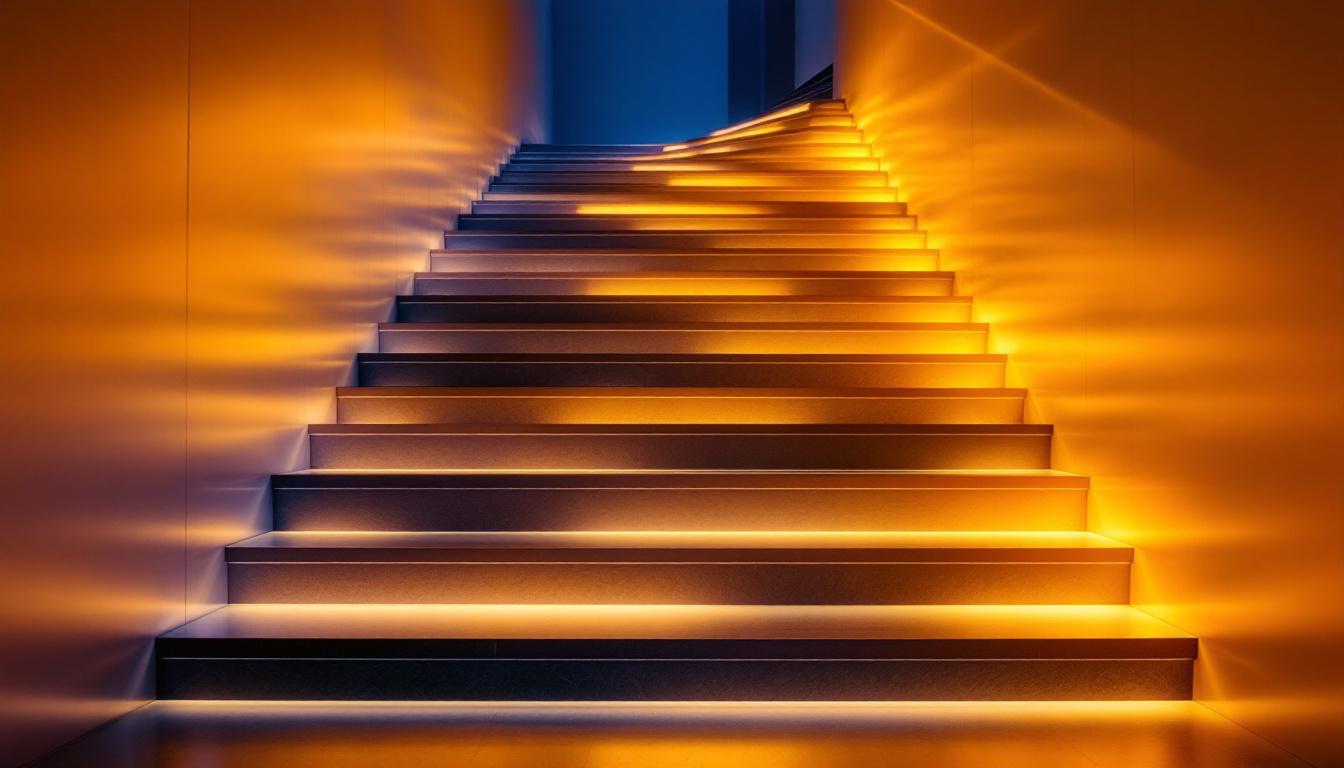
Staircase lighting isn’t just about illumination—it’s a fundamental safety feature that can prevent accidents and enhance the aesthetic appeal of a space. For lighting contractors, understanding the science behind staircase lighting is essential to delivering solutions that are both functional and visually pleasing. The right lighting can highlight each step clearly, reducing trip hazards, while also complementing the architectural style of the building.
Lighting a staircase requires more than just placing a bulb overhead. It involves careful consideration of light intensity, distribution, color temperature, and fixture placement. These factors work together to create an environment where users can navigate stairs confidently, regardless of the time of day or ambient lighting conditions.
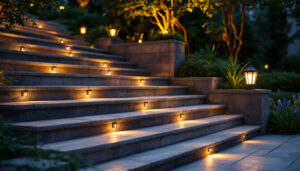
Moreover, the choice of lighting fixtures can significantly influence the overall ambiance of the staircase area. For instance, wall-mounted sconces can provide a soft, diffused light that creates a welcoming atmosphere, while recessed lighting can offer a sleek, modern look that emphasizes clean lines and minimalism. Additionally, the use of LED strip lights along the edges of the steps not only enhances visibility but also adds a contemporary flair, making the staircase a focal point of the interior design.
Incorporating smart lighting technology can further elevate the functionality of staircase lighting. Motion sensors can automatically activate lights as someone approaches, ensuring that the stairs are always illuminated when needed. This feature not only enhances safety but also contributes to energy efficiency by reducing unnecessary power consumption. Furthermore, adjustable color temperatures can be employed to create different moods; warmer tones can evoke a cozy feel in residential settings, while cooler tones might be more appropriate for commercial spaces, promoting a sense of focus and alertness.
Key Lighting Principles for Staircases
Illuminance Levels and Uniformity
Illuminance, measured in lux, refers to the amount of light that falls on a surface—in this case, the stair treads and risers. For staircases, the recommended illuminance level typically ranges between 100 to 200 lux. This range offers enough brightness to clearly see each step without causing glare or discomfort. Properly illuminated staircases not only enhance safety but also contribute to the overall aesthetic of the space, making them feel more inviting and accessible.
Uniformity is just as important as brightness. Uneven lighting can create shadows that obscure step edges, increasing the risk of missteps. Lighting contractors should aim for a uniformity ratio (minimum to average illuminance) of at least 0.4. Achieving this balance often involves using multiple light sources positioned strategically along the staircase. For instance, integrating lights at both the top and bottom of the staircase can help create a gradient of light that guides users safely up and down, while also highlighting architectural features such as balustrades or decorative elements along the walls.
Color Temperature and Visual Comfort
Color temperature, measured in Kelvins (K), influences how the light appears to the human eye. For staircases, a neutral white light between 3000K and 4000K is often ideal. This range provides a natural look that enhances depth perception and contrast, making it easier to distinguish steps. The right color temperature can significantly affect the mood of the space; a well-lit staircase can act as a focal point, drawing attention to its design and encouraging movement through the area.
Warmer light (below 3000K) can create a cozy atmosphere but may reduce contrast, while cooler light (above 4000K) can feel harsh and sterile. Lighting contractors should consider the overall interior design and the purpose of the space when selecting color temperature. For example, in a home setting, a warmer light might be preferred to evoke a sense of comfort, while in commercial spaces, a cooler light can promote alertness and productivity. Additionally, using dimmable fixtures can provide flexibility, allowing users to adjust the lighting according to the time of day or specific activities.
Glare Control and Fixture Selection
Glare can be a significant issue on staircases, especially when light sources are positioned at eye level or reflect off shiny surfaces. Controlling glare improves visual comfort and safety. Fixtures with diffusers, frosted lenses, or directional lighting capabilities help minimize glare. It’s crucial to consider not only the fixture design but also the placement; for instance, mounting lights slightly higher can help reduce direct glare while still providing adequate illumination for the steps.
Recessed step lights, wall-mounted sconces, and LED strip lights installed along handrails or under stair nosings are popular choices. These fixtures provide targeted illumination without overwhelming brightness, maintaining a clean and modern look. Additionally, incorporating smart lighting solutions that adjust based on occupancy or ambient light levels can enhance both the functionality and energy efficiency of staircase lighting. By utilizing motion sensors or timers, homeowners can ensure that lights are only on when needed, further promoting safety and sustainability in their lighting design.
Advanced Lighting Technologies and Their Application
LED Lighting: Efficiency and Longevity
LED technology has revolutionized staircase lighting. LEDs offer high energy efficiency, long lifespan, and versatility in design. For contractors, LEDs reduce maintenance frequency and energy costs, making them an economical choice for clients.
Additionally, LEDs can be dimmed and color-tuned, allowing for dynamic lighting schemes that adjust to different times of day or user preferences. This flexibility is especially valuable in commercial or multi-use buildings where lighting needs vary.
Smart Lighting Controls
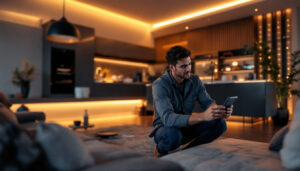
Incorporating smart controls into staircase lighting enhances both functionality and energy savings. Motion sensors can activate lights only when someone approaches the stairs, reducing unnecessary power consumption. Timers and daylight sensors can further optimize usage based on occupancy and ambient light levels.
Lighting contractors should be familiar with integrating these control systems, ensuring compatibility with existing building automation platforms. Proper installation and programming maximize the benefits of smart lighting while maintaining user convenience.
Emergency and Safety Lighting Compliance
Staircases often serve as critical evacuation routes. Emergency lighting must meet strict regulatory standards to guarantee visibility during power outages or smoke conditions. This includes backup power supplies, minimum illuminance levels, and clear marking of exit paths.
Contractors must understand local codes and standards, such as those from the National Fire Protection Association (NFPA) or equivalent authorities, to ensure compliance. Selecting reliable emergency fixtures and integrating them seamlessly with general lighting systems is a key responsibility.
Practical Installation Considerations for Lighting Contractors
Assessing the Staircase Environment
Every staircase is unique-dimensions, materials, surrounding light sources, and user traffic all influence lighting design. Conducting a thorough site assessment is crucial. Measure stair width, tread depth, and riser height, and note any architectural features that may affect light placement.
Consider the existing electrical infrastructure and potential challenges such as limited wiring access or moisture exposure in outdoor or basement staircases. Early identification of these factors helps avoid costly modifications during installation.
Fixture Placement and Wiring Techniques
Proper fixture placement ensures optimal light distribution and aesthetic appeal. Step lights are typically installed on the riser or side wall, spaced evenly to avoid dark spots. Handrail lighting can provide continuous illumination but requires precise wiring to maintain safety and durability.
Wiring should comply with electrical codes, using appropriate conduit and connectors. For LED strips, ensure power supplies are rated for the load and environmental conditions. Concealing wiring enhances the finished look and reduces the risk of damage.
Testing and Fine-Tuning
After installation, thorough testing is essential. Verify that all fixtures operate correctly, dimmers and sensors respond as intended, and emergency lighting activates under simulated power failure conditions. Measure illuminance levels to confirm they meet design specifications.
Adjust fixture angles or replace bulbs if necessary to eliminate glare or dark areas. Documenting the final setup aids future maintenance and client communication.
Emerging Trends and Future Directions in Staircase Lighting
Human-Centric Lighting
Human-centric lighting focuses on supporting natural circadian rhythms through dynamic changes in light intensity and color temperature. Staircase lighting can benefit from this approach by adapting to different times of day, promoting alertness during morning hours and relaxation in the evening.
Lighting contractors should stay informed about developments in tunable white LEDs and control systems that facilitate human-centric designs. This knowledge can differentiate their services and provide added value to clients.
Integration with Building Information Modeling (BIM)
BIM technology allows contractors to plan and visualize lighting installations in 3D before actual work begins. This reduces errors, improves coordination with other trades, and enhances client presentations.
Familiarity with BIM software and workflows is increasingly important in complex projects. Lighting contractors who leverage BIM can optimize fixture placement, wiring routes, and maintenance access more effectively.
Sustainability and Energy Codes
Energy efficiency remains a top priority in building design. Staircase lighting must comply with evolving energy codes that mandate low power consumption and the use of sustainable materials. LEDs and smart controls play a central role in meeting these requirements.
Contractors should stay current on local and national regulations, helping clients achieve certifications such as LEED or WELL Building Standard. Sustainable lighting solutions not only reduce environmental impact but also enhance marketability.
Conclusion: Mastering Staircase Lighting Science for Superior Outcomes
For lighting contractors, mastering the science behind staircase lighting is a pathway to delivering safer, more efficient, and visually compelling installations. Understanding illuminance, color temperature, glare control, and emerging technologies equips professionals to meet diverse client needs and regulatory demands.
Attention to detail during assessment, installation, and testing ensures that every staircase is illuminated to the highest standards. Embracing new trends and tools further positions contractors as trusted experts capable of shaping the future of lighting design.
Illuminate Your Projects with LumenWholesale
Ready to elevate your staircase lighting projects with the highest quality solutions? At LumenWholesale, we provide lighting contractors with spec-grade lighting products that combine safety, efficiency, and design elegance. Our unbeatable wholesale prices and commitment to cutting out the middleman mean you get the best value for your investment. With free shipping on bulk orders, you can stock up on superior lighting products without worrying about hidden fees. Make your next project shine and experience the best in wholesale lighting with LumenWholesale.