Understanding the Unique Demands of Stadium Lighting
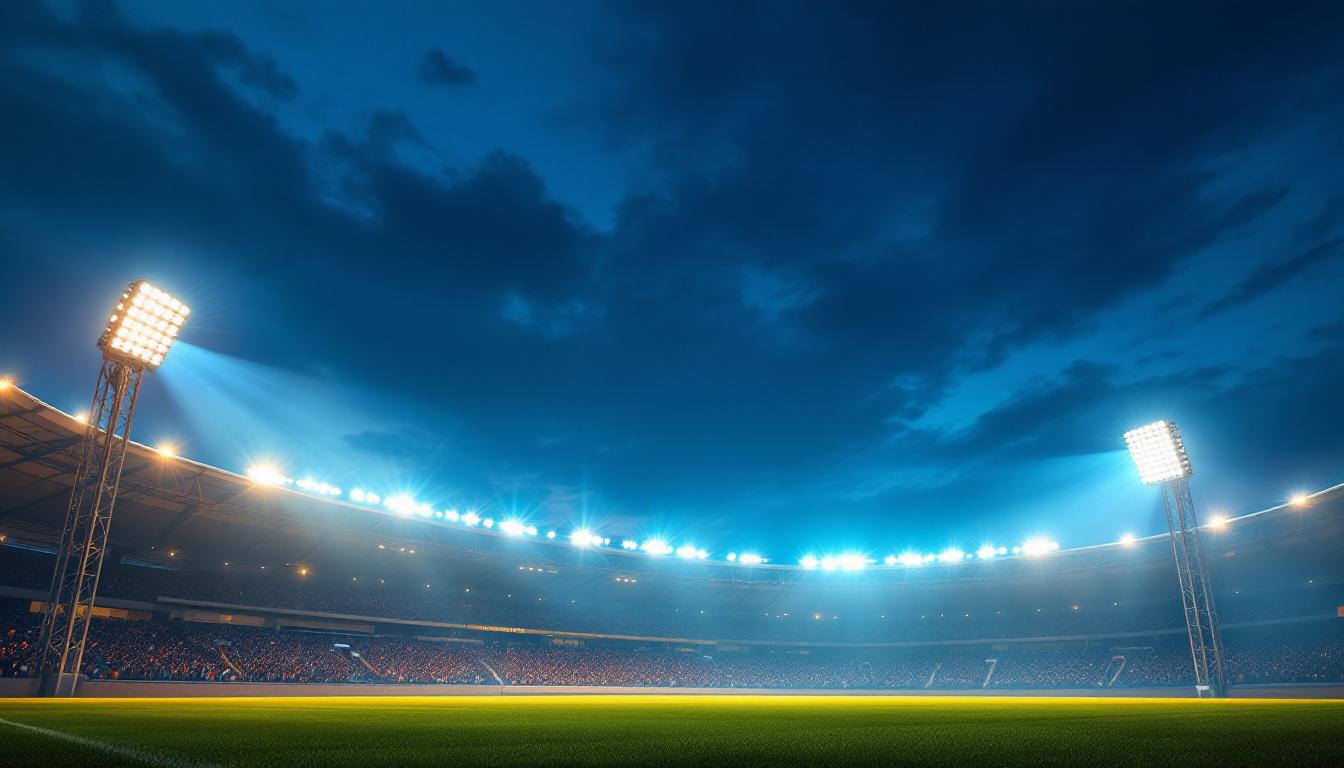
Lighting a stadium isn’t just about illuminating a large area; it’s about creating an environment where athletes perform at their best, spectators enjoy the event, and broadcasters capture every moment with clarity. Stadium flood lights must meet stringent requirements that go beyond typical commercial or industrial lighting. For lighting contractors, grasping these nuances is essential to delivering a successful project.
Unlike standard outdoor lighting, stadium flood lights require high intensity, uniformity, and color accuracy. The scale is massive—lighting a football field or a large arena demands fixtures that can produce tens of thousands of lumens each, often arranged in clusters to cover every inch of the playing surface. Contractors must balance brightness with energy efficiency and durability, ensuring the installation withstands weather, vibration, and long operational hours. Additionally, modern stadiums are increasingly incorporating smart lighting systems that can be adjusted remotely, allowing for dynamic lighting changes that enhance the spectator experience during events, such as synchronized light shows or varying intensities for different sports.
Key Performance Metrics to Prioritize
When selecting flood lights for stadiums, several performance metrics stand out:
- Luminous Flux: Measured in lumens, this indicates the total amount of visible light emitted. Stadiums typically require fixtures with high lumen outputs to cover vast spaces effectively.
- Color Rendering Index (CRI): A CRI of 70 or above is often recommended to ensure colors appear natural on the field and for broadcast quality.
- Color Temperature: Usually between 4000K and 5700K, this range offers a daylight-like appearance that enhances visibility and reduces eye strain.
- Uniformity Ratio: This measures how evenly light is distributed. A uniformity ratio close to 1:1 is ideal, preventing dark spots or glare.
Understanding these metrics allows contractors to recommend and install lighting systems that meet the specific needs of stadium clients. Moreover, the integration of advanced technologies such as LED lighting not only enhances performance but also significantly reduces energy consumption and maintenance costs. LEDs have a longer lifespan compared to traditional lighting solutions, which is particularly beneficial for stadiums that host events year-round. Furthermore, the ability to dim or adjust LED lights provides flexibility for different types of events, from high-energy sports games to more subdued ceremonies, ensuring that the lighting can be tailored to the atmosphere desired.
Choosing the Right Technology: LED vs. Traditional Flood Lights
For years, metal halide lamps dominated stadium lighting due to their high intensity and relatively low cost. However, LED technology has rapidly transformed the industry, offering compelling advantages that contractors must consider. The shift towards LED is not just a trend; it represents a fundamental change in how we approach lighting solutions in large venues.
LED flood lights provide instant-on capability, superior energy efficiency, and longer lifespans compared to traditional lamps. This translates into lower operational costs and reduced maintenance—a significant factor for stadiums that operate lights for extended periods during events and practice sessions. Moreover, the durability of LED fixtures means they can withstand the rigors of outdoor environments, including extreme weather conditions, which is particularly beneficial for stadiums located in regions with harsh climates.
Energy Efficiency and Cost Savings
LED fixtures can reduce energy consumption by up to 50% compared to metal halide alternatives. Over time, this results in substantial savings on electricity bills. For stadiums with multiple fixtures running simultaneously, the cumulative effect is even more pronounced. These savings can be redirected towards other essential areas, such as facility upgrades or community programs, enhancing the overall value of the stadium to its stakeholders.
Additionally, LEDs maintain their brightness longer and degrade more slowly, which means fewer replacements and less downtime. This reliability is crucial for contractors tasked with minimizing disruptions during busy sports seasons. Furthermore, the longevity of LED lights contributes to a lower carbon footprint, aligning with the growing emphasis on sustainability in sports and entertainment venues. By choosing LED technology, stadiums can proudly showcase their commitment to environmental stewardship.
Light Quality and Control
LED flood lights offer superior control over beam angles and light distribution. This precision helps contractors design lighting layouts that minimize light spill into neighboring areas, reducing complaints and complying with local regulations. The ability to focus light where it’s needed most not only enhances the visibility of the playing field but also improves safety for players and spectators alike.
Many LED systems also support dimming and smart controls, enabling stadium operators to adjust lighting levels dynamically during different phases of an event. This flexibility enhances the spectator experience and can reduce energy use further. For example, during pre-game warm-ups, lower lighting levels can create an intimate atmosphere, while full brightness can be employed for the main event, creating an electrifying ambiance. Additionally, some advanced LED systems can integrate with event management software, allowing for synchronized light shows that elevate the entertainment value of sporting events, making them memorable for fans and players alike.
Installation Considerations for Stadium Flood Lighting
Installing flood lights in a stadium environment presents unique challenges. Lighting contractors must plan meticulously to ensure safety, performance, and compliance with standards.
Structural and Mounting Requirements
Stadium flood lights are often mounted on tall poles, trusses, or roof structures. These mounting points must support the weight of the fixtures and withstand wind loads and vibrations. Contractors should work closely with structural engineers to verify that mounting hardware and supports meet the necessary specifications.
Proper alignment and aiming of fixtures are critical. Even slight misalignments can cause uneven lighting or glare, negatively impacting players and spectators. Using laser alignment tools and photometric analysis during installation can help achieve optimal results.
Electrical Infrastructure and Safety
High-power flood lights require robust electrical infrastructure, including adequate wiring, circuit breakers, and surge protection. Contractors must ensure that all components comply with local electrical codes and standards.
Grounding and lightning protection systems are also vital in stadium installations to safeguard equipment and personnel. Given the exposure to outdoor elements, weatherproofing connections and enclosures is non-negotiable.
Maintenance Access and Future-Proofing
Designing for maintenance is often overlooked but essential. Flood lights should be accessible for cleaning, bulb replacement, and repairs without requiring extensive equipment or downtime.
Contractors should consider modular designs and standardized fixtures to simplify future upgrades or replacements. With lighting technology evolving rapidly, future-proofing installations can save clients significant costs over the stadium’s lifecycle.
Compliance and Standards in Stadium Lighting
Adhering to relevant standards is a critical responsibility for lighting contractors. Stadium lighting must meet guidelines that ensure safety, performance, and environmental considerations.
Illuminance and Uniformity Standards
Organizations such as the Illuminating Engineering Society (IES) provide detailed recommendations for sports lighting. For example, a professional football stadium may require horizontal illuminance levels exceeding 500 lux with uniformity ratios better than 0.7.
Contractors should consult these guidelines to design lighting systems that meet or exceed minimum requirements. This not only ensures a quality experience but also helps clients avoid costly retrofits.
Environmental and Light Pollution Regulations
Light pollution is a growing concern, especially in urban areas. Stadium lighting must be designed to minimize upward light spill and glare that can disturb nearby residents and wildlife.
Many municipalities enforce regulations limiting light trespass and requiring the use of full cutoff fixtures or shields. Contractors should be familiar with local codes and incorporate compliant solutions into their designs.
Broadcast and Media Requirements
With many stadium events broadcast live, lighting must meet the technical demands of television and streaming media. This includes maintaining consistent color temperature, flicker-free operation, and sufficient brightness for high-definition cameras.
Collaborating with broadcast professionals during the design phase can help contractors tailor lighting systems that support media production without compromising the live experience.
Emerging Trends and Innovations in Stadium Flood Lighting
Stadium lighting technology continues to evolve, offering new opportunities for contractors to deliver cutting-edge solutions.
Smart Lighting and IoT Integration
Modern stadiums increasingly adopt smart lighting systems that integrate with Internet of Things (IoT) platforms. These systems enable remote monitoring, automated scheduling, and adaptive lighting based on occupancy or event type.
For contractors, this means expanding expertise beyond traditional electrical work into software and network integration. Offering these advanced solutions can differentiate a contractor in a competitive market.
Human-Centric and Dynamic Lighting
Dynamic lighting systems that adjust color temperature and intensity throughout an event are gaining traction. These systems can enhance player performance and spectator comfort by mimicking natural light cycles or creating dramatic effects during ceremonies.
Implementing such systems requires careful coordination with event planners and facility managers, presenting contractors with exciting challenges and opportunities.
Sustainability and Green Building Certifications
Stadium owners are increasingly focused on sustainability, seeking lighting solutions that contribute to green building certifications like LEED or BREEAM. Energy-efficient LEDs, renewable energy integration, and recyclable materials are key considerations.
Contractors who understand these frameworks and can guide clients toward compliant lighting designs add significant value and help secure future projects.
Conclusion: Delivering Excellence in Stadium Flood Lighting
Lighting contractors play a pivotal role in shaping the atmosphere and functionality of stadiums. Mastering the technical requirements, selecting appropriate technologies, and adhering to standards are fundamental to success.
Beyond technical proficiency, effective communication with clients, engineers, and other stakeholders ensures that lighting solutions meet diverse needs-from player safety and spectator enjoyment to broadcast quality and sustainability goals.
Investing time in understanding the unique challenges of stadium flood lighting and staying abreast of emerging trends equips contractors to deliver installations that stand the test of time and elevate the sporting experience.
Illuminate Your Stadium Projects with LumenWholesale
Ready to light up the game with excellence? Choose LumenWholesale for your stadium flood lighting needs and benefit from our commitment to quality, affordability, and convenience. Our spec-grade lighting products set the standard for performance and reliability, ensuring your projects shine without the burden of inflated costs. With free shipping on bulk orders, LumenWholesale is your go-to source for premium lighting solutions. Elevate your lighting game and discover the best value in wholesale lighting today.