Understanding Solar Powered Light Bulb Sockets: A Game Changer for Lighting Contractors
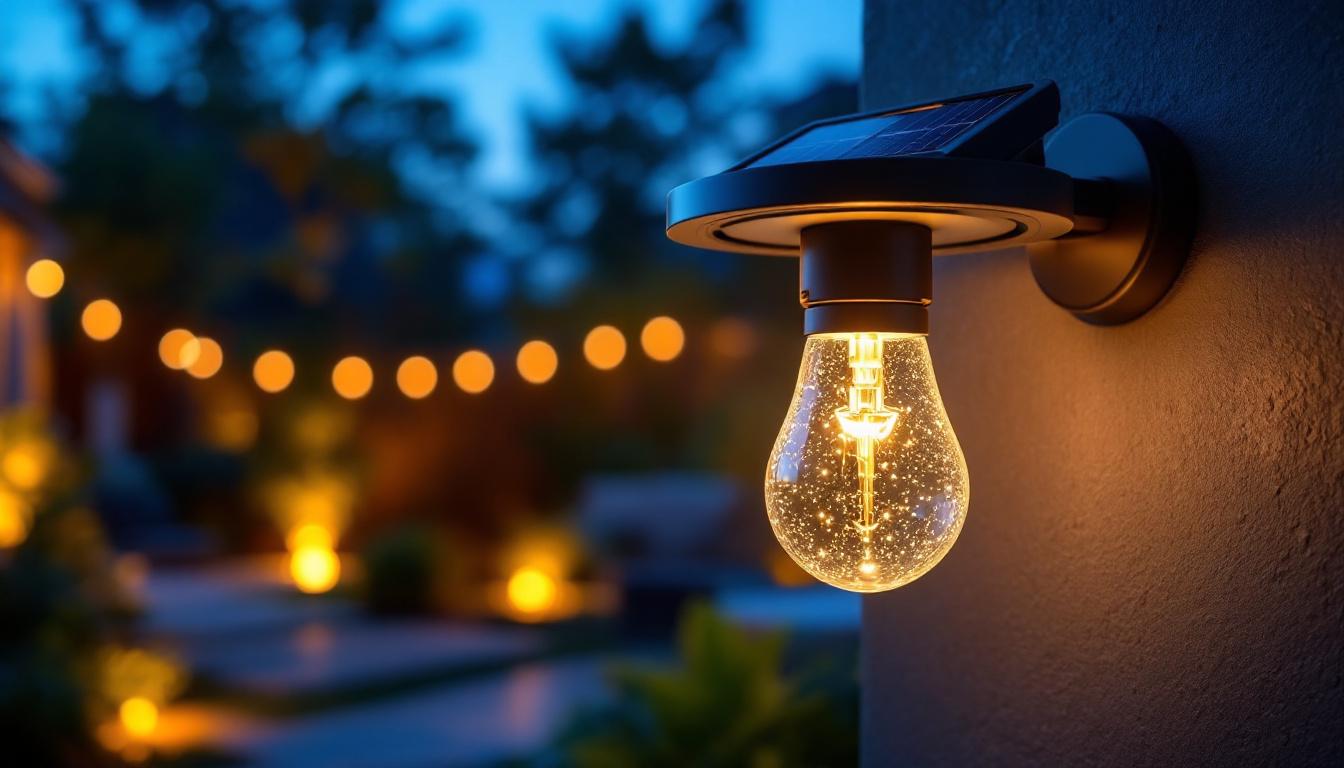
As the lighting industry continues to evolve, solar powered light bulb sockets are emerging as a transformative technology for contractors. These innovative devices integrate solar energy harvesting directly into the lighting fixture, enabling off-grid or energy-efficient installations with minimal wiring complexity. For lighting contractors, understanding the nuances of solar powered light bulb sockets is essential to meet growing client demands for sustainable and cost-effective lighting solutions.
Solar powered light bulb sockets combine photovoltaic cells with traditional bulb fittings, allowing standard LED bulbs to operate solely on solar energy stored in integrated or external batteries. This integration simplifies installation, reduces dependence on electrical infrastructure, and enhances flexibility in lighting design, especially in remote or outdoor environments. Moreover, the advancements in battery technology mean that these systems can store enough energy to power lights even during extended periods of cloudy weather or at night, ensuring reliability and functionality at all times.
Why Solar Powered Light Bulb Sockets Matter to Lighting Contractors
Contractors are increasingly challenged to deliver lighting solutions that align with environmental regulations, energy-saving initiatives, and client expectations for green technologies. Solar powered light bulb sockets offer a compelling way to address these challenges by:
- Eliminating the need for complex electrical wiring and trenching, reducing labor and material costs.
- Enabling lighting installations in locations without access to the electrical grid, such as parks, pathways, and temporary event spaces.
- Providing energy independence and resilience during power outages or in disaster-prone areas.
- Supporting clients’ sustainability goals by reducing carbon footprints and energy consumption.
For lighting contractors, mastering the installation and specification of these sockets can open new business opportunities and position them as leaders in sustainable lighting solutions. Additionally, as more municipalities and organizations prioritize eco-friendly initiatives, contractors who are proficient in solar technology can differentiate themselves in a competitive market. This expertise not only enhances their service offerings but also builds trust with clients who are increasingly aware of their environmental impact and are looking for partners who can help them achieve their sustainability objectives.
Furthermore, the versatility of solar powered light bulb sockets allows for creative applications beyond traditional lighting. For instance, they can be integrated into smart lighting systems that adjust brightness based on ambient light levels or occupancy, further enhancing energy efficiency. The incorporation of such technology can attract tech-savvy clients and open doors to collaborations with smart city initiatives, where sustainable and intelligent infrastructure is a priority. By staying ahead of these trends, lighting contractors can ensure they remain relevant and valuable in an ever-evolving industry.
Key Components and Technology Behind Solar Powered Light Bulb Sockets
To effectively recommend and install solar powered light bulb sockets, contractors must understand the core components and how they work together to power lighting fixtures.
Photovoltaic Cells and Solar Panels
The heart of any solar powered lighting system is the photovoltaic (PV) cell, which converts sunlight into electrical energy. In light bulb sockets, these cells are often miniaturized or integrated into the socket housing or connected to an external panel. The efficiency of these PV cells directly impacts the performance of the lighting system.
Modern PV cells used in these sockets typically employ monocrystalline or polycrystalline silicon, with monocrystalline offering higher efficiency and better performance in low-light conditions. Lighting contractors should evaluate the solar panel specifications to ensure adequate energy generation for the intended application. Additionally, the orientation and angle of the solar panels play a crucial role in maximizing sunlight exposure. Proper installation can enhance energy collection, particularly in regions with variable weather patterns, ensuring that the lighting remains reliable even during cloudy days.
Energy Storage: Batteries and Capacitors
Since solar energy is intermittent, energy storage is critical. Most solar powered light bulb sockets incorporate rechargeable batteries—commonly lithium-ion or lithium iron phosphate (LiFePO4)—to store energy harvested during the day for use at night.
Battery capacity and lifespan are key considerations. Lithium-based batteries offer high energy density and longer cycle life, reducing maintenance frequency. Contractors should verify battery specifications and ensure compatibility with the lighting load to avoid premature failures. Furthermore, understanding the environmental conditions where the system will be installed is essential; extreme temperatures can affect battery performance and longevity. Implementing thermal management solutions, such as ventilation or insulation, can help maintain optimal operating conditions for the batteries, thereby extending their service life.
Charge Controllers and Power Management
Charge controllers regulate the flow of electricity from the solar panel to the battery, preventing overcharging and deep discharge, which can degrade battery life. Advanced controllers may include Maximum Power Point Tracking (MPPT) technology to optimize energy harvest under varying sunlight conditions.
Understanding the power management system helps contractors troubleshoot performance issues and advise clients on system capabilities and limitations. Additionally, some modern charge controllers come equipped with smart technology, allowing for remote monitoring and diagnostics via mobile applications. This feature not only enhances user experience but also enables proactive maintenance, ensuring that the lighting system operates efficiently and reliably over time.
LED Bulbs and Compatibility
Solar powered light bulb sockets are typically designed for LED bulbs due to their low power consumption and long lifespan. Contractors should ensure that the bulbs used are compatible with the socket’s voltage and current specifications to maximize efficiency and avoid damage.
Moreover, the choice of LED technology can significantly influence the overall performance of the solar lighting system. Options such as tunable white LEDs or color-changing bulbs can provide added functionality and aesthetic appeal, allowing users to customize their lighting based on mood or occasion. Additionally, the integration of smart LED technology, which can be controlled via smartphones or home automation systems, presents an exciting opportunity for contractors to offer advanced solutions that meet the evolving needs of their clients.
Installation Best Practices for Solar Powered Light Bulb Sockets
Proper installation is crucial to the performance and longevity of solar powered lighting systems. Lighting contractors should follow these best practices to ensure optimal results.
Site Assessment and Solar Exposure
Before installation, conduct a thorough site assessment to determine solar exposure. The solar panel or integrated PV cell must receive ample direct sunlight for several hours daily to fully charge the battery. Shading from trees, buildings, or other obstructions can significantly reduce system efficiency.
Utilizing solar pathfinder tools or smartphone apps can help contractors accurately assess solar potential and recommend the best mounting locations.
Mounting and Orientation
Solar panels should be mounted at an angle optimized for the geographic location to maximize sunlight capture. In the northern hemisphere, this generally means facing panels south at an angle roughly equal to the latitude.
For integrated sockets, ensure that the solar cell is not obstructed and that the fixture is installed in a location with consistent sunlight exposure. Secure mounting also protects components from weather-related damage.
Wiring and Electrical Connections
One of the advantages of solar powered light bulb sockets is reduced wiring complexity. However, contractors should still follow electrical codes and manufacturer guidelines for any wiring connections, especially when integrating external batteries or controllers.
Using weatherproof connectors and conduits enhances system durability, particularly in outdoor installations exposed to moisture and temperature fluctuations.
Testing and Commissioning
After installation, testing the system under various lighting conditions ensures functionality. Verify that the battery charges during daylight and that the bulb illuminates at dusk. Some systems include sensors for automatic on/off switching, which should be calibrated accordingly.
Documenting performance metrics and educating clients on system operation and maintenance will improve satisfaction and reduce service calls.
Common Challenges and Solutions in Solar Powered Light Bulb Socket Installations
While solar powered light bulb sockets offer many benefits, contractors may encounter challenges that require expert troubleshooting.
Insufficient Solar Charging
One of the most frequent issues is inadequate solar charging due to shading, incorrect panel orientation, or undersized solar cells. This results in dim lighting or system shutdowns.
Solutions include relocating the solar panel, trimming foliage, or upgrading to higher-efficiency panels. Educating clients about the importance of unobstructed sunlight is also critical.
Battery Degradation and Replacement
Batteries degrade over time, especially if subjected to deep discharges or extreme temperatures. Contractors should recommend batteries with robust thermal management and provide maintenance schedules.
When replacement is necessary, using compatible battery types and capacities ensures continued system reliability.
Compatibility Issues with Bulbs
Using bulbs that exceed the socket’s power rating can cause system failures. Conversely, bulbs with incompatible bases or voltage requirements may not function correctly.
Contractors should verify bulb specifications and, when possible, supply or recommend bulbs tested for compatibility with the solar socket system.
Weather and Environmental Factors
Exposure to rain, dust, and temperature extremes can affect system components. Selecting sockets and panels with appropriate IP ratings and durable materials enhances longevity.
Regular inspections and cleaning can mitigate environmental impacts and maintain performance.
Emerging Trends and Future Opportunities in Solar Powered Lighting
The solar lighting market is rapidly advancing, offering new opportunities for lighting contractors to expand their expertise and service offerings.
Integration with Smart Lighting Systems
Smart solar powered light bulb sockets equipped with sensors and wireless connectivity enable remote monitoring, dimming, and scheduling. These features improve energy management and user convenience.
Contractors can leverage these technologies to offer value-added services such as predictive maintenance and energy usage analytics.
Advances in Battery and Solar Cell Technology
Ongoing improvements in battery chemistry and solar cell efficiency are increasing system reliability and reducing costs. Solid-state batteries and perovskite solar cells are examples of emerging technologies that may soon enhance solar lighting solutions.
Staying informed about these developments allows contractors to recommend cutting-edge products and maintain competitive advantage.
Expanding Applications Beyond Traditional Lighting
Solar powered sockets are finding applications in emergency lighting, agricultural settings, and temporary installations such as construction sites and festivals. These diverse use cases open new markets for contractors willing to adapt their skills.
Conclusion: Positioning Your Business for Success with Solar Powered Light Bulb Sockets
For lighting contractors, solar powered light bulb sockets represent a significant opportunity to deliver innovative, sustainable, and cost-effective lighting solutions. By gaining a deep understanding of the technology, mastering installation best practices, and staying abreast of emerging trends, contractors can differentiate themselves in a competitive market.
Embracing solar powered lighting not only meets the growing demand for green technologies but also enhances project flexibility and client satisfaction. As the industry continues to shift towards renewable energy, lighting contractors equipped with expert knowledge on solar powered light bulb sockets will be well-positioned for long-term success.
Take the Next Step with LumenWholesale
Ready to elevate your lighting projects with the latest in solar powered light bulb socket technology? At LumenWholesale, we provide lighting contractors with the highest quality, spec-grade lighting products at unbeatable wholesale prices. Our commitment to cutting out the middleman means you get superior lighting solutions without the inflated markups, perfectly aligning with the innovative and sustainable approach discussed in this article. With our extensive selection that meets rigorous industry standards, you can ensure reliable, high-performance lighting for all your projects. Plus, enjoy the convenience of bulk buying with free shipping, ensuring you get premium lighting at the best value — without hidden fees or compromises. Don’t miss out on the perfect blend of quality, affordability, and convenience. Explore our wholesale lighting options now and position your business for success in the renewable energy era.