Understanding the Growing Demand for Solar Powered Downlights
As the global focus on sustainability intensifies, solar powered downlights have emerged as a popular choice for both residential and commercial lighting projects. Clients today are increasingly eco-conscious and seek lighting solutions that reduce energy consumption and carbon footprints. For lighting contractors, this shift means a growing expectation to be well-versed in solar lighting technologies and their practical applications.
Solar powered downlights offer a compelling combination of energy efficiency, ease of installation, and cost savings over time. Unlike traditional wired lighting, these fixtures harness solar energy during the day and illuminate spaces at night without relying on the electrical grid. This independence from conventional power sources appeals to clients looking to enhance their properties with green technology while lowering utility bills.
Moreover, the versatility of solar downlights makes them suitable for a variety of settings, from outdoor pathways and garden areas to indoor spaces where wiring is difficult or costly. Understanding the nuances of these applications helps contractors provide tailored solutions that meet client expectations.
In addition to their practical benefits, solar powered downlights contribute to the overall aesthetic of a space. Many modern designs incorporate sleek, contemporary styles that blend seamlessly with various architectural elements, enhancing the visual appeal of both indoor and outdoor environments. Clients are often drawn to the idea of creating inviting atmospheres without compromising on sustainability. Furthermore, advancements in LED technology have led to brighter, more efficient lighting options, allowing for greater flexibility in design and functionality.
Another significant aspect of solar downlights is their ability to promote energy independence. As energy prices continue to fluctuate and concerns about grid reliability grow, more clients are looking for solutions that provide stability and autonomy. Solar downlights not only reduce reliance on traditional energy sources but also serve as a proactive measure against potential energy shortages. By educating clients on the long-term benefits and return on investment associated with solar lighting, contractors can position themselves as knowledgeable partners in their clients’ sustainability journeys.
Key Technical Knowledge Lighting Contractors Must Master
Solar Panel Efficiency and Placement
One of the foundational elements of solar powered downlights is the solar panel itself. Contractors must understand how solar panel efficiency directly impacts the performance of the lighting system. Factors such as panel size, type (monocrystalline vs. polycrystalline), and orientation influence how much sunlight is captured and converted into usable energy.
Clients expect contractors to advise on optimal panel placement to maximize sun exposure. This includes assessing shading from trees, buildings, or other obstructions and considering the geographic location’s solar irradiance levels. Proper installation ensures the downlights remain operational throughout the night, even during less sunny periods. Additionally, contractors should be familiar with the latest advancements in solar technology, such as bifacial panels that can capture sunlight from both sides, potentially increasing energy output. Understanding the local climate and seasonal variations can also aid in determining the best installation practices, ensuring that the lighting system performs efficiently year-round.
Battery Capacity and Lifespan
Solar powered downlights rely on rechargeable batteries to store energy collected during daylight hours. Contractors should be knowledgeable about different battery types, such as lithium-ion and nickel-metal hydride, and their respective advantages. Battery capacity determines how long the downlights can operate after sunset, while battery lifespan affects maintenance schedules and replacement costs.
Clients often inquire about the longevity and reliability of the lighting system. Being able to explain battery performance, charging cycles, and environmental factors that influence battery health builds trust and positions contractors as experts. Furthermore, it is essential for contractors to stay updated on emerging battery technologies, such as solid-state batteries, which promise higher energy densities and longer life spans. By discussing the potential for energy management systems that optimize battery usage based on real-time data, contractors can provide clients with a more comprehensive understanding of their solar lighting solutions.
Light Output and Color Temperature
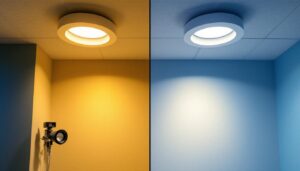
Another critical aspect is the quality of light emitted by solar downlights. Clients expect lighting contractors to recommend fixtures that provide sufficient brightness (measured in lumens) for the intended space. Additionally, understanding color temperature—ranging from warm white to cool white—enables contractors to align lighting choices with the ambiance clients desire.
For example, warm white light (2700K-3000K) is often preferred for residential outdoor settings to create a cozy atmosphere, while cooler temperatures (4000K-5000K) may be suitable for commercial or security lighting. Contractors who can guide clients through these options enhance satisfaction and project outcomes. Moreover, they should be aware of the impact of color rendering index (CRI) on visual perception, as higher CRI values indicate that colors will appear more true-to-life under artificial lighting. This knowledge allows contractors to make informed recommendations that not only meet aesthetic preferences but also improve functionality in various environments, such as gardens, pathways, or outdoor dining areas.
Installation Best Practices and Compliance Considerations
Site Assessment and Preparation
Thorough site assessment is essential before installing solar powered downlights. Contractors should evaluate the environment to identify potential challenges such as uneven surfaces, exposure to weather elements, and proximity to power sources if hybrid systems are involved. Clients expect a professional approach that anticipates and mitigates installation issues.
Preparing the site may involve clearing vegetation, selecting appropriate mounting hardware, and ensuring the solar panels have unobstructed access to sunlight. Proper groundwork reduces the risk of system failure and enhances durability.
Adherence to Electrical and Building Codes
Although solar powered downlights often operate independently of the electrical grid, contractors must still comply with relevant electrical and building codes. This includes ensuring safe wiring practices for integrated systems, securing permits if required, and adhering to local regulations regarding outdoor lighting to prevent light pollution.
Clients expect contractors to handle these compliance matters seamlessly, avoiding delays or legal complications. Demonstrating familiarity with codes and standards not only safeguards the project but also reinforces the contractor’s professionalism.
Maintenance and Troubleshooting Guidance
Clients value contractors who provide clear instructions on maintaining solar powered downlights to prolong their lifespan. Maintenance typically involves cleaning solar panels to remove dust and debris, checking battery health, and inspecting fixtures for damage.
Contractors should also be prepared to troubleshoot common issues such as dimming lights, flickering, or non-operation. Offering maintenance contracts or follow-up services can enhance client relationships and ensure the lighting system continues to perform optimally.
Addressing Client Concerns and Expectations
Cost vs. Long-Term Savings
One of the most frequent client concerns revolves around the upfront cost of solar powered downlights compared to traditional lighting. Lighting contractors need to articulate the long-term financial benefits, including reduced electricity bills, minimal wiring expenses, and lower maintenance costs.
Providing case studies or examples that illustrate payback periods and return on investment can help clients make informed decisions. Transparency about pricing and value builds confidence and facilitates smoother project approvals.
Reliability in Various Weather Conditions
Clients often question how solar powered downlights perform during cloudy days, rain, or winter months. Contractors should explain that while solar technology has advanced significantly, energy storage and panel efficiency can be affected by weather conditions. Highlighting features such as high-capacity batteries and weather-resistant materials reassures clients of system reliability.
Additionally, discussing hybrid systems that combine solar with grid power or other renewable sources can offer solutions for clients with higher reliability demands.
Environmental Impact and Sustainability Credentials
Beyond functionality and cost, many clients prioritize environmental responsibility. Lighting contractors are expected to communicate the sustainability benefits of solar powered downlights, including reductions in greenhouse gas emissions and decreased reliance on fossil fuels.
Being able to reference certifications, such as Energy Star ratings or compliance with international environmental standards, adds credibility. Educating clients on how their lighting choices contribute to broader sustainability goals enhances satisfaction and supports green building initiatives.
Emerging Trends and Innovations in Solar Powered Downlighting
Smart Lighting Integration
The integration of smart technology with solar powered downlights is transforming how clients interact with their lighting systems. Features such as remote control via mobile apps, motion sensors, and programmable schedules enable personalized lighting experiences while optimizing energy use.
Lighting contractors should stay informed about these advancements to offer cutting-edge solutions that meet modern client expectations. Smart solar downlights can also contribute to security and convenience, making them attractive options for both residential and commercial projects.
Advancements in Battery Technology
Ongoing improvements in battery technology continue to enhance the performance and affordability of solar powered downlights. Innovations such as solid-state batteries promise higher energy density, faster charging, and longer lifespans, which will further reduce maintenance needs and increase reliability.
Contractors who keep abreast of these developments can advise clients on future-proof investments and upgrade paths, positioning themselves as trusted advisors in the evolving lighting landscape.
Design and Aesthetic Enhancements
As solar lighting becomes more mainstream, manufacturers are focusing on design aesthetics to appeal to discerning clients. Solar powered downlights now come in a variety of styles, finishes, and form factors that blend seamlessly with architectural elements.
Contractors should familiarize themselves with these options to help clients achieve both functional and visual goals. Offering customized solutions that complement property design enhances client satisfaction and differentiates contractors in a competitive market.
Conclusion: Meeting and Exceeding Client Expectations
Solar powered downlights represent a dynamic intersection of technology, sustainability, and design. Lighting contractors who invest time in understanding the technical, practical, and aesthetic aspects of these systems are well-positioned to meet the evolving demands of their clients.
By mastering solar panel technology, battery management, installation best practices, and emerging trends, contractors can provide comprehensive solutions that deliver energy savings, environmental benefits, and superior lighting quality. Clear communication about costs, reliability, and maintenance further strengthens client trust and satisfaction.
Ultimately, staying informed and proactive in this rapidly advancing field enables lighting contractors to not only fulfill client expectations but also to lead the transition toward a more sustainable and innovative lighting future.
Illuminate Your Projects with LumenWholesale
Ready to elevate your lighting solutions with the latest in solar powered downlights? At LumenWholesale, we provide lighting contractors like you with the highest quality, spec-grade lighting products at prices that can’t be beaten. Say goodbye to the middleman and hello to superior lighting products at wholesale rates. Our extensive selection not only meets but exceeds industry standards, ensuring your projects shine with reliability and performance. Plus, with free shipping on bulk orders, you can stock up on premium lighting without worrying about hidden fees or compromises. Don’t miss out on the perfect combination of quality, affordability, and convenience. Take the next step in sustainable and innovative lighting by visiting Wholesale Lighting at the Best Value today.