Understanding Client Priorities for Solar Planter Lights
Clients investing in solar lights for planters often have clear expectations that go beyond just illumination. They want solutions that enhance the aesthetic appeal of their outdoor spaces while being energy-efficient and low-maintenance. As a lighting contractor, recognizing these priorities is crucial to delivering results that satisfy and impress.
One of the top concerns clients express is the balance between functionality and design. They expect the lighting to highlight their plants and garden features without overpowering the natural beauty. This means the contractor must be adept at selecting fixtures that provide the right intensity and color temperature, ensuring the plants look vibrant after dark. Additionally, many clients are interested in customizable options that allow them to adjust the brightness or color of the lights, creating a dynamic atmosphere that can change with the seasons or for special occasions.
Durability and weather resistance also rank high on the list. Since planters are often exposed to varying weather conditions, clients want solar lights that can withstand rain, wind, and temperature fluctuations without frequent repairs or replacements. Understanding the quality standards and materials used in solar lighting products helps contractors recommend options that meet these durability requirements. Furthermore, clients often appreciate fixtures that incorporate advanced technologies, such as motion sensors or timers, which not only enhance convenience but also contribute to energy savings by ensuring lights operate only when needed.
Another significant factor for clients is the environmental impact of their lighting choices. Many are increasingly conscious of sustainability and prefer solar lights that are made from recycled materials or that utilize eco-friendly manufacturing processes. This interest in sustainability can also extend to the overall design of the lighting fixtures, with clients seeking options that blend seamlessly into the natural landscape or that feature organic shapes and colors. By understanding these eco-conscious priorities, contractors can better align their product offerings with the values of their clients, ultimately leading to a more satisfying and responsible lighting solution.
Technical Knowledge Lighting Contractors Must Master
Solar Panel Efficiency and Placement
Clients expect their solar planter lights to perform reliably, which starts with the solar panel’s efficiency. Lighting contractors should be familiar with the different types of solar panels, such as monocrystalline and polycrystalline, and how their efficiency impacts charging times and light duration.
Proper placement of solar panels is equally important. Shadows from trees, buildings, or even the plants themselves can significantly reduce the charging capacity. Clients rely on contractors to assess the site and recommend optimal locations for solar panels to maximize sunlight exposure throughout the day. This involves not only considering the angle and orientation of the panels but also understanding seasonal variations in sunlight. For instance, during winter months, the sun’s path shifts, which may require adjustments in panel placement to ensure consistent performance year-round. Additionally, educating clients on the importance of keeping solar panels clean and free from debris can further enhance efficiency, ensuring that their investment continues to yield the best possible results.
Battery Capacity and Longevity
Another technical aspect clients expect contractors to understand is battery capacity. The battery stores the energy collected during the day to power the lights at night. A battery with insufficient capacity will result in dim or short-lived illumination, which can frustrate clients.
Contractors should be able to explain the differences between various battery types, such as lithium-ion and nickel-metal hydride, and their typical lifespans. This knowledge allows for informed recommendations that align with the client’s usage patterns and maintenance preferences. Furthermore, it is essential for contractors to discuss the importance of battery management systems that can optimize charging cycles and extend battery life. By incorporating smart technology, such as sensors that adjust light output based on ambient light levels, contractors can help clients achieve greater energy efficiency and lower operational costs. Understanding how to integrate these advanced features not only enhances the functionality of the lighting system but also positions contractors as knowledgeable professionals in a rapidly evolving field.
Light Output and Color Temperature
Clients often have specific ideas about how their planters should be lit. Some prefer warm white light to create a cozy ambiance, while others want cooler tones for a modern look. Contractors must understand the impact of color temperature on mood and visibility.
Additionally, light output measured in lumens needs to be appropriate for the planter size and surrounding area. Too much brightness can wash out the plants’ natural colors, while too little can leave the space underwhelming. Being able to calculate and recommend the right lumen output is a valuable skill. Beyond just lumens, contractors should also be well-versed in the concept of color rendering index (CRI), which measures how accurately a light source displays colors compared to natural light. A higher CRI is particularly important for clients who want to showcase their plants’ vibrant hues. By offering insights into how different lighting options can enhance the visual appeal of the garden, contractors can help clients create a truly enchanting outdoor atmosphere that reflects their personal style and enhances their landscape design.
Design Considerations for Solar Planter Lighting
Integrating Lighting Seamlessly with Landscape
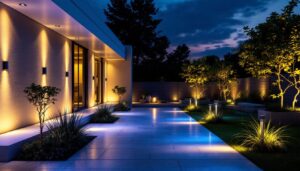
Clients appreciate when lighting feels like a natural extension of their garden design. This requires contractors to think beyond functionality and consider the overall visual impact. Fixtures should complement the planter materials and styles, whether they are rustic wooden boxes or sleek modern containers.
Using adjustable fixtures or modular lighting systems can help achieve this seamless integration. These options allow for flexible positioning and customization, which clients often find appealing because it lets them adapt the lighting as their garden evolves.
Highlighting Plant Features Without Damage
Lighting contractors must be sensitive to the needs of living plants. Excessive heat from some light sources can harm delicate foliage, and poorly placed fixtures may obstruct growth or cause physical damage.
Solar lights designed specifically for planters often have low heat output and are compact enough to fit without crowding. Contractors should be knowledgeable about these products and advise clients on how to position lights to enhance plant features without compromising their health.
Creating Layers of Light
Effective planter lighting is rarely about a single light source. Clients expect contractors to create layers of light that add depth and dimension to their outdoor spaces. This might include combining spotlights to accentuate focal plants with softer ambient lights that illuminate surrounding areas.
Understanding how to mix different lighting types and intensities is key. It allows contractors to design installations that feel dynamic and inviting, rather than flat or overly harsh.
Maintenance and Longevity Expectations
Client Concerns About Upkeep
One of the biggest selling points of solar planter lights is their low maintenance. Clients expect lighting contractors to provide solutions that require minimal intervention after installation. This means recommending products with long-lasting batteries, durable casings, and self-cleaning or easy-to-clean solar panels.
Contractors should also educate clients on simple maintenance tasks, such as wiping solar panels periodically and checking for debris that might block sunlight. Clear communication about what clients can do themselves versus when to call a professional builds trust and reduces future service calls.
Warranty and Support Knowledge
Clients often inquire about warranties and support options before committing to a purchase. Lighting contractors should be well-versed in the guarantees offered by different manufacturers and be able to explain what is covered and for how long.
Being proactive in discussing warranty terms and offering ongoing support services can differentiate a contractor from competitors. Clients feel more confident investing in solar lighting when they know help is available if issues arise.
Addressing Common Client Questions and Misconceptions
Will Solar Lights Work in Shady or Cloudy Areas?
Many clients worry that solar lights won’t function well in less-than-ideal sunlight conditions. Contractors should clarify that while solar lights perform best in direct sunlight, modern high-efficiency panels and batteries can still provide adequate lighting in partial shade or overcast weather.
Setting realistic expectations about light duration and brightness in these conditions helps prevent disappointment. Offering hybrid solutions, such as solar lights with supplemental plug-in options, can also be a practical recommendation.
Are Solar Lights as Bright as Wired Lighting?
Clients sometimes assume that solar lights cannot match the brightness of wired electric fixtures. Contractors should explain that while wired lights generally offer higher and more consistent brightness, advances in LED technology have narrowed this gap significantly.
For planter lighting, which typically requires softer, accent illumination, solar lights can be more than sufficient. Emphasizing the benefits of energy savings and ease of installation often reassures clients.
How Long Do Solar Lights Last?
Longevity is a frequent concern. Contractors should provide honest information about the expected lifespan of solar lights, including battery replacement intervals and fixture durability. Highlighting that many solar lights come with multi-year warranties and that proper maintenance can extend their life helps clients make informed decisions.
Practical Installation Tips for Lighting Contractors
Site Assessment and Planning
Before installation, a thorough site assessment is essential. Contractors should evaluate sunlight exposure, planter placement, and potential obstructions. This step ensures that solar panels receive adequate sunlight and that lights are positioned for optimal effect.
Discussing the client’s vision and usage patterns during this phase helps tailor the design to their lifestyle, whether they want subtle evening ambiance or brighter security lighting.
Ensuring Secure and Aesthetic Mounting
Planter lights must be mounted securely to prevent shifting or damage. Contractors should use mounting hardware designed for outdoor use and compatible with the planter materials. Concealing wiring or mounting brackets enhances the overall look and prevents accidental damage.
When dealing with movable planters, flexible mounting solutions or portable solar lights can be recommended to maintain lighting consistency even when planters are relocated.
Testing and Client Walkthrough
After installation, contractors should test all lights to verify proper operation. Demonstrating the system to clients, including how to adjust settings or perform basic maintenance, empowers them to enjoy their investment fully.
Providing written documentation or a quick guide can also be beneficial, especially for clients new to solar lighting technology.
Conclusion: Meeting and Exceeding Client Expectations
Clients looking for solar lights for planters want more than just illumination-they want expertise, reliability, and a design that complements their outdoor space. Lighting contractors who understand the technical, aesthetic, and practical aspects of solar planter lighting position themselves as trusted advisors.
By mastering product knowledge, installation best practices, and client communication, contractors can deliver solutions that not only meet but exceed expectations. This approach builds lasting relationships and drives positive referrals in a competitive market.
Illuminate Your Projects with LumenWholesale
Ready to elevate your lighting installations with the finest solar lights for planters? At LumenWholesale, we provide lighting contractors with exceptional, spec-grade lighting products at unbeatable wholesale prices. Our extensive selection is designed to meet the highest industry standards, ensuring you deliver projects that shine in reliability and performance. Say goodbye to inflated markups and hello to hassle-free bulk buying with free shipping. For premium lighting solutions that promise quality, affordability, and convenience, choose LumenWholesale. Discover the best value in wholesale lighting by visiting Wholesale Lighting at the Best Value today.