What Are Skate Lights and Why Do They Matter?
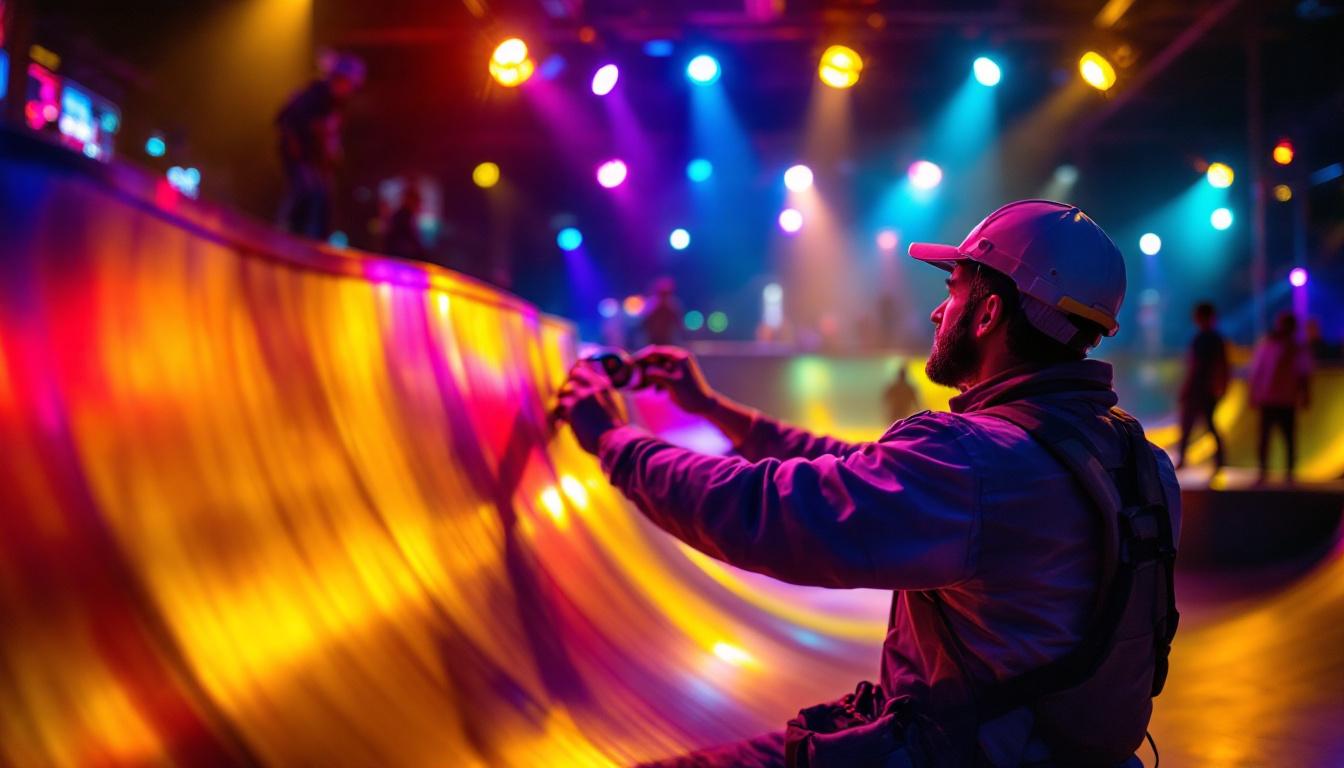
Skate lights are specialized lighting fixtures designed specifically for skate parks and skating areas. Unlike general outdoor lighting, these fixtures are engineered to address the unique challenges posed by skateboarding environments—such as high-impact zones, dynamic movement, and specific visual needs for both skaters and spectators.
For lighting contractors, understanding skate lights means more than just installing bright bulbs. It’s about selecting the right fixture that balances durability, light quality, energy efficiency, and safety. Proper lighting enhances visibility, reduces accidents, and extends usable hours for skate parks, which can be a significant community asset. Moreover, well-lit parks can foster a sense of security, encouraging more skaters to practice and hone their skills, especially during evening hours when natural light fades. This can lead to increased participation in the sport and a stronger community bond among skaters.
Key Features of Skate Lights
Skate lights typically feature rugged, impact-resistant housings made from materials like polycarbonate or aluminum to withstand collisions and vibrations. They often have vandal-resistant designs, including tamper-proof screws and shatterproof lenses. The longevity of these fixtures is crucial, as skate parks are often frequented by a diverse range of users, from beginners to seasoned pros, all of whom can inadvertently cause wear and tear on the lighting systems.
Another important feature is the beam pattern. Skate lights usually provide wide, uniform illumination with minimal glare to ensure skaters can see obstacles clearly without being blinded. This requires precise optics and sometimes diffusers to soften shadows and highlight contours. Additionally, many modern skate lights incorporate LED technology, which not only offers energy efficiency but also allows for adjustable color temperatures. This means that lighting can be tailored to create different atmospheres, enhancing the overall experience for skaters and spectators alike. The ability to change lighting settings can also accommodate various events, from casual skating sessions to organized competitions, making skate parks versatile venues for community gatherings.
Lighting Requirements Unique to Skate Parks
Skate parks present a distinct set of lighting challenges. Unlike traditional sports fields, skate parks have a variety of ramps, bowls, rails, and ledges at different heights and angles. This complexity demands a lighting plan that ensures consistent illumination across all surfaces. The design must consider not only the physical layout but also the flow of movement within the park, as skaters often transition rapidly between different features, requiring a seamless visual experience.
Uniformity is critical. Uneven lighting creates shadows that can obscure obstacles and increase the risk of injury. Lighting contractors must calculate the right mounting heights and fixture spacing to minimize dark spots and glare. Additionally, the choice of fixtures must account for the park’s layout and the typical times of use, as many skaters prefer to ride during twilight hours or at night. This necessitates a careful balance between aesthetic appeal and functional safety, ensuring that the park remains inviting while also being secure for its users.
Color Temperature and CRI Considerations
Color temperature plays a significant role in skate lighting. Most skate parks benefit from neutral to cool white light, typically in the 4000K to 5000K range. This range provides a crisp, natural look that helps skaters distinguish surface textures and colors. The right color temperature not only enhances visibility but also contributes to the overall atmosphere of the park, making it a more enjoyable space for both skaters and spectators. Furthermore, the choice of lighting can influence the mood of the park, with cooler temperatures often creating a more energetic environment that can inspire creativity and skill development.
Color Rendering Index (CRI) is equally important. A CRI of 70 or above is generally recommended to ensure colors appear natural under artificial light. This helps skaters better judge distances and surface conditions, improving safety and performance. High CRI lighting can also enhance the visual appeal of the park, making the vibrant colors of skateboards and protective gear pop against the backdrop of the concrete and metal structures. As skate parks often serve as community hubs, the right lighting can create a welcoming environment that encourages social interaction and fosters a sense of belonging among skaters of all ages and skill levels.
Energy Efficiency and Control Options
Energy consumption is a major consideration for lighting contractors working on skate parks. LED technology dominates this space due to its long lifespan, low power draw, and reduced maintenance requirements. LEDs also offer instant-on capabilities, which are essential for parks that may have variable operating hours. The energy savings associated with LED lighting can significantly reduce operational costs over time, making them a financially savvy choice for park operators. Furthermore, the environmental impact is lessened, as LEDs consume up to 75% less energy than traditional incandescent bulbs, contributing to a more sustainable future.
Many skate lights come with integrated smart controls, such as dimming, motion sensors, and programmable schedules. These features allow park operators to optimize energy use by reducing brightness when the park is empty or adjusting light levels based on ambient conditions. For instance, during peak hours, lights can be set to full brightness to ensure safety and visibility, while during quieter times, they can automatically dim to conserve energy. This adaptability not only enhances user experience but also promotes responsible energy consumption, aligning with broader sustainability goals.
Integration with Existing Infrastructure
Lighting contractors should assess the existing electrical infrastructure before specifying skate lights. Some parks may require upgrades to support higher wattage fixtures or smart controls. Additionally, ensuring compatibility with local codes and standards for outdoor lighting is essential. This consideration is particularly important in urban areas, where regulations may dictate specific lumens per square foot or restrictions on light pollution. By understanding these requirements, contractors can propose solutions that not only meet safety standards but also enhance the park’s overall aesthetic appeal.
Proper grounding and surge protection are critical to protect the fixtures from electrical faults and weather-related events. This not only extends fixture life but also ensures safety for users and maintenance personnel. Moreover, incorporating weather-resistant materials and designs can further enhance the durability of the lighting installations. For instance, fixtures designed to withstand extreme temperatures or heavy rainfall can minimize the need for frequent repairs or replacements. By investing in robust lighting solutions, contractors can ensure that the skate park remains functional and welcoming, regardless of the elements, thereby encouraging year-round use and fostering a vibrant community space.
Installation Best Practices for Skate Lights
Installation of skate lights demands precision and attention to detail. Mounting height and angle must be carefully planned to achieve the desired light distribution without causing glare or light trespass into neighboring areas. Properly positioned lights not only enhance visibility for skaters but also contribute to the overall safety of the park. It’s essential to consider the unique features of the skate park, such as ramps and bowls, which can create shadows if not adequately illuminated.
Contractors should use photometric layouts provided by manufacturers or lighting designers to guide fixture placement. These layouts help visualize light patterns and ensure compliance with recommended illumination levels, typically ranging from 20 to 50 foot-candles depending on the park’s design and use. Additionally, understanding the park’s peak usage times can influence the installation approach, allowing for adjustments that cater to evening skaters or special events, ensuring that the lighting is both functional and aesthetically pleasing.
Maintenance and Durability Considerations
Skate parks are high-traffic, high-impact environments. Fixtures must be robust and easily serviceable. Lighting contractors should recommend fixtures with modular components that allow quick replacement of LEDs or drivers without removing the entire unit. This modularity not only minimizes downtime but also reduces long-term maintenance costs, making it a smart investment for park operators. Furthermore, selecting materials that resist corrosion and weathering is crucial, especially in areas prone to harsh weather conditions.
Regular maintenance schedules are vital. Cleaning lenses and checking for damage ensures the lighting system continues to perform optimally. Contractors can also advise clients on protective coatings or guards to prevent graffiti and physical damage. Implementing a routine inspection protocol can help identify potential issues before they escalate, ensuring that the lighting remains effective throughout its lifespan. Additionally, educating park staff on basic maintenance tasks can empower them to keep the facilities in top shape, fostering a sense of responsibility and community ownership over the skate park.
Common Mistakes to Avoid When Installing Skate Lights
One common mistake is underestimating the importance of uniformity. Overly bright spots combined with dark shadows can create hazardous conditions. Avoid clustering fixtures too closely or mounting them at inconsistent heights.
Another pitfall is neglecting glare control. Glare not only affects skaters’ vision but can also disturb nearby residents or passersby. Using fixtures with proper shielding and aiming can mitigate this issue effectively.
Finally, failing to consider future scalability or upgrades can limit the usefulness of the lighting system. Choosing fixtures compatible with smart controls or modular upgrades ensures the park’s lighting can evolve with changing needs.
Summary
Skate lights are a specialized category of outdoor lighting designed to meet the unique demands of skate parks. For lighting contractors, success hinges on understanding the technical requirements-durability, uniformity, color quality, energy efficiency-and applying best practices during installation and maintenance.
By selecting appropriate fixtures, planning carefully, and avoiding common mistakes, contractors can deliver lighting solutions that enhance safety, usability, and enjoyment for skaters while meeting the operational needs of park owners.
Illuminate Your Skate Park Projects with LumenWholesale
Ready to elevate your lighting installations with the best in skate park illumination? At LumenWholesale, we specialize in providing lighting contractors with spec-grade, durable skate lights that promise uniformity, color accuracy, and energy efficiency. Our direct-to-contractor approach means you’ll enjoy unbeatable wholesale prices without the middleman markups. Plus, with free shipping on bulk orders, you can stock up on high-quality lighting solutions that meet the highest industry standards. Don’t compromise on quality or value—visit LumenWholesale for Wholesale Lighting at the Best Value and light up your projects with confidence.