Choosing the Wrong Light Source: Why It Matters
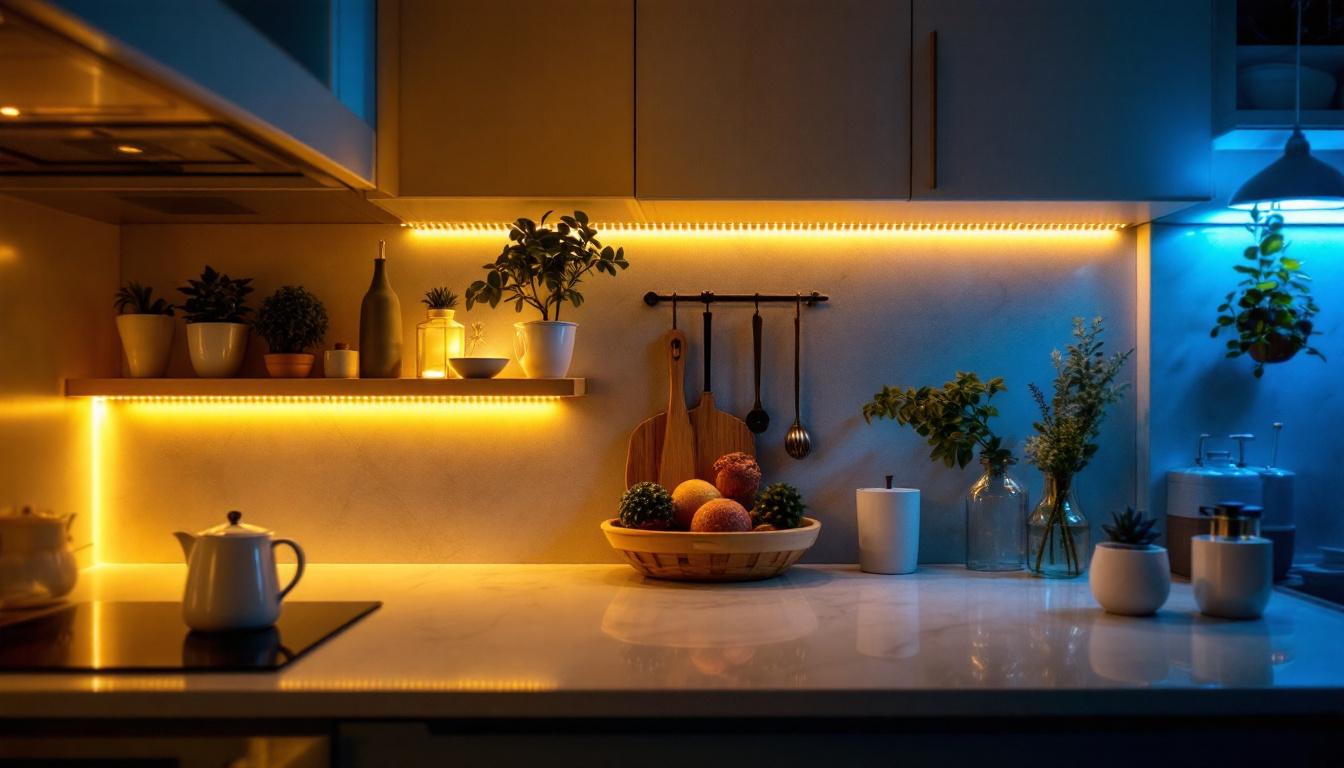
Under cabinet lighting might seem straightforward-just a strip or puck light tucked beneath kitchen cabinets. But the choice of light source can make or break the entire installation. Lighting contractors often underestimate how critical this decision is, leading to poor color rendering, insufficient brightness, or uneven illumination.
LEDs dominate the market for under cabinet lighting due to their energy efficiency and long lifespan. However, not all LEDs are created equal. Selecting a low-quality LED strip can result in flickering, color shifts over time, or inadequate heat dissipation. These issues frustrate clients and increase callbacks.
Color temperature is another key consideration. A light that’s too cool (above 4000K) can make a kitchen feel sterile, while overly warm light (below 2700K) may distort colors, especially on countertops and food. Aim for a neutral white light between 3000K and 3500K to balance warmth and clarity, enhancing both aesthetics and functionality.
Color Rendering Index (CRI) and Its Impact
CRI measures how accurately a light source reveals colors compared to natural light. For under cabinet lighting, a CRI of 80 or higher is essential. Lower CRI values can make food and surfaces look dull or unnatural, which is unacceptable in kitchens where appearance matters.
Contractors should verify CRI ratings from manufacturers and avoid cheap fixtures that sacrifice color quality for cost savings. High CRI LEDs may carry a slightly higher upfront price but improve client satisfaction and reduce future service calls.
In addition to CRI, the placement and angle of under cabinet lights can significantly affect the overall ambiance and functionality of the kitchen. Properly positioned fixtures can minimize shadows on work surfaces, ensuring that tasks like chopping vegetables or reading recipes are done with ease. A well-lit kitchen not only enhances the cooking experience but also elevates the overall aesthetic, making the space feel more inviting and spacious. Furthermore, integrating dimmable options can provide flexibility, allowing homeowners to adjust the lighting based on the time of day or the mood they wish to create.
Another factor to consider is the integration of smart lighting technology. With the rise of home automation, many homeowners are looking for lighting solutions that can be controlled via smartphone apps or voice commands. This not only adds convenience but also allows for customizable lighting scenes that can adapt to different activities, from meal prep to entertaining guests. By staying ahead of these trends, contractors can offer clients innovative solutions that enhance their kitchen experience while also ensuring that the lighting remains functional and aesthetically pleasing.
Improper Placement and Spacing: Avoid Dark Spots and Glare
Even the best lights fail if placed incorrectly. Under cabinet lighting must be positioned to eliminate shadows and glare while providing uniform illumination across countertops.
One common mistake is installing lights too far back under the cabinet. This causes shadows near the front edge of the countertop, where tasks like chopping and reading recipes happen. Conversely, mounting lights too close to the front can create glare and uncomfortable brightness.
Spacing between fixtures matters as well. For LED strips, continuous runs are ideal to prevent patchy lighting. When using puck lights, spacing them about 12 to 18 inches apart balances coverage and energy use. Over-spacing leads to dark spots; under-spacing wastes energy and may cause hotspots.
Consider the Cabinet Depth and Overhang
Cabinet depth and any overhang affect how light spreads. Deeper cabinets may require brighter fixtures or additional lights to compensate for distance. An overhang can cause shadows if lights are mounted on the back wall instead of the cabinet bottom.
Contractors should evaluate each installation site carefully. Measuring cabinet dimensions and testing light placement before final mounting can prevent costly mistakes and ensure optimal lighting performance.
Additionally, the type of bulb used can significantly influence the quality of light produced. For instance, warm white LEDs can create a cozy atmosphere, while cooler tones are better suited for task-oriented areas where clarity is paramount. Choosing the right color temperature not only enhances visibility but also impacts the overall aesthetic of the kitchen, making it feel more inviting or functional based on the homeowner’s preferences.
Moreover, considering the angle at which the lights are directed can further refine the effectiveness of the lighting scheme. Adjustable fixtures allow for customization, enabling homeowners to direct light exactly where it’s needed most, whether it’s illuminating a specific prep area or highlighting decorative elements. This flexibility can transform a kitchen from merely functional to a beautifully lit space that enhances both usability and style.
Ignoring Power Supply and Wiring Requirements
Under cabinet lighting installations sometimes falter because contractors overlook power supply and wiring details. These elements are crucial for safety, reliability, and ease of maintenance.
Many under cabinet lights operate on low voltage (12V or 24V DC), requiring a transformer or driver to convert standard line voltage. Selecting an undersized power supply can cause flickering or premature failure. Conversely, oversizing wastes energy and space. It’s essential to calculate the total wattage needed for all fixtures and choose a power supply that meets or slightly exceeds this requirement, ensuring a stable and efficient operation.
Wiring must comply with local electrical codes and be neatly concealed. Exposed wires not only look unprofessional but also pose safety hazards. Use flexible, UL-listed cables designed for low-voltage lighting, and plan routes that minimize visible wiring. Additionally, consider using wire management solutions, such as raceways or cable clips, to keep everything organized and tidy, which can enhance the overall aesthetic of the installation.
Plan for Future Expansion and Accessibility
Clients may want to add more under cabinet lights later or integrate them with smart home systems. Installing extra conduits or junction boxes during the initial job saves time and money down the line. This foresight allows for seamless upgrades, whether adding new lighting fixtures or incorporating advanced controls, such as dimmers or motion sensors, which can significantly enhance the functionality of the space.
Also, ensure power supplies and drivers are accessible for maintenance. Avoid hiding them in hard-to-reach places behind cabinets or inside walls. A well-planned electrical layout reduces service calls and improves client satisfaction. Moreover, consider labeling circuits and components clearly to facilitate easy troubleshooting in the future. This attention to detail not only benefits the current installation but also provides peace of mind to clients, knowing that their lighting system is both user-friendly and efficient.
Neglecting Dimming and Control Options
Dimming capability is no longer a luxury but an expectation. Many homeowners want to adjust under cabinet lighting for ambiance or energy savings. Lighting contractors who ignore this feature risk losing business or facing unhappy clients.
Not all LED drivers support dimming, and those that do may require compatible dimmer switches. Selecting the wrong combination leads to flickering, buzzing, or limited dimming range. Always verify compatibility between LEDs, drivers, and dimmers before installation.
Wireless controls and smart lighting systems are increasingly popular. Integrating under cabinet lighting with these technologies adds value and convenience. Offering clients options like app control, voice commands, or preset scenes differentiates your service.
Test Before Finalizing
Before completing the job, test the dimming function thoroughly. Check for smooth operation across the entire dimming range without flicker or noise. This step prevents callbacks and reinforces your reputation for quality work.
Overlooking Heat Management and Fixture Durability
LEDs generate less heat than incandescent bulbs but still produce some warmth that must be managed. Poor heat dissipation shortens LED lifespan and can cause discoloration or damage to cabinets.
Choose fixtures with built-in heat sinks or aluminum channels that draw heat away from LEDs. Avoid installing lights inside enclosed spaces without ventilation. If necessary, specify products designed for tight spaces and high temperatures.
Durability is another factor. Under cabinet lights are exposed to moisture, grease, and cleaning chemicals. Select fixtures with appropriate IP ratings (at least IP44 for splash resistance) and robust construction materials like anodized aluminum or high-grade plastics.
Maintenance Considerations
Clients appreciate lighting that is easy to clean and maintain. Smooth surfaces without crevices trap less dust and grime. Removable covers or modular designs simplify bulb or strip replacement.
Advising clients on proper cleaning methods and schedules extends fixture life and maintains appearance. Avoid harsh chemicals that degrade finishes or damage LEDs.
Failing to Coordinate with Overall Kitchen Design
Under cabinet lighting should complement the kitchen’s style and functionality. A mismatch between lighting and cabinetry, countertops, or backsplash can undermine the entire design.
Discuss the project with the kitchen designer or homeowner early in the process. Understand their color palette, materials, and usage patterns. For example, a modern kitchen with sleek surfaces benefits from cool, crisp lighting, while a traditional kitchen may suit warmer tones.
Fixture style matters too. Slim, low-profile LED strips work well in minimalist kitchens, while decorative puck lights or linear fixtures may enhance more ornate designs.
Consider Layered Lighting
Under cabinet lighting is just one layer in a comprehensive kitchen lighting plan. Coordinate it with overhead lights, pendant fixtures, and accent lighting to create a balanced, functional environment.
Proper layering prevents over-illumination and glare, improves task lighting, and enhances ambiance. Collaborate with other trades if necessary to ensure seamless integration.
Summary: Key Takeaways for Lighting Contractors
Under cabinet lighting is deceptively complex. Avoiding common mistakes requires attention to detail, technical knowledge, and thoughtful planning. Focus on these essentials:
- Select high-quality LEDs with appropriate color temperature and CRI.
- Position fixtures to eliminate shadows and glare, considering cabinet dimensions.
- Use properly sized power supplies and comply with wiring codes.
- Incorporate dimming and smart controls for client convenience.
- Manage heat and choose durable, easy-to-maintain fixtures.
- Coordinate lighting style with overall kitchen design and layered lighting strategy.
Mastering these elements not only improves client satisfaction but also builds your reputation as a lighting contractor who delivers lasting value and quality.
Get Your Premium Under Cabinet Lighting at LumenWholesale
Ready to elevate your lighting projects with the highest quality under cabinet lighting solutions? Look no further than LumenWholesale. We provide lighting contractors with spec-grade lighting products that promise performance and durability. With our competitive wholesale pricing and commitment to cutting out unnecessary markups, you can trust that you’re getting the best value for your investment. Plus, with the convenience of free shipping on bulk orders, you can stock up on superior lighting without the worry of hidden costs. Make the smart choice for your lighting needs and experience the best in wholesale lighting at the best value today.