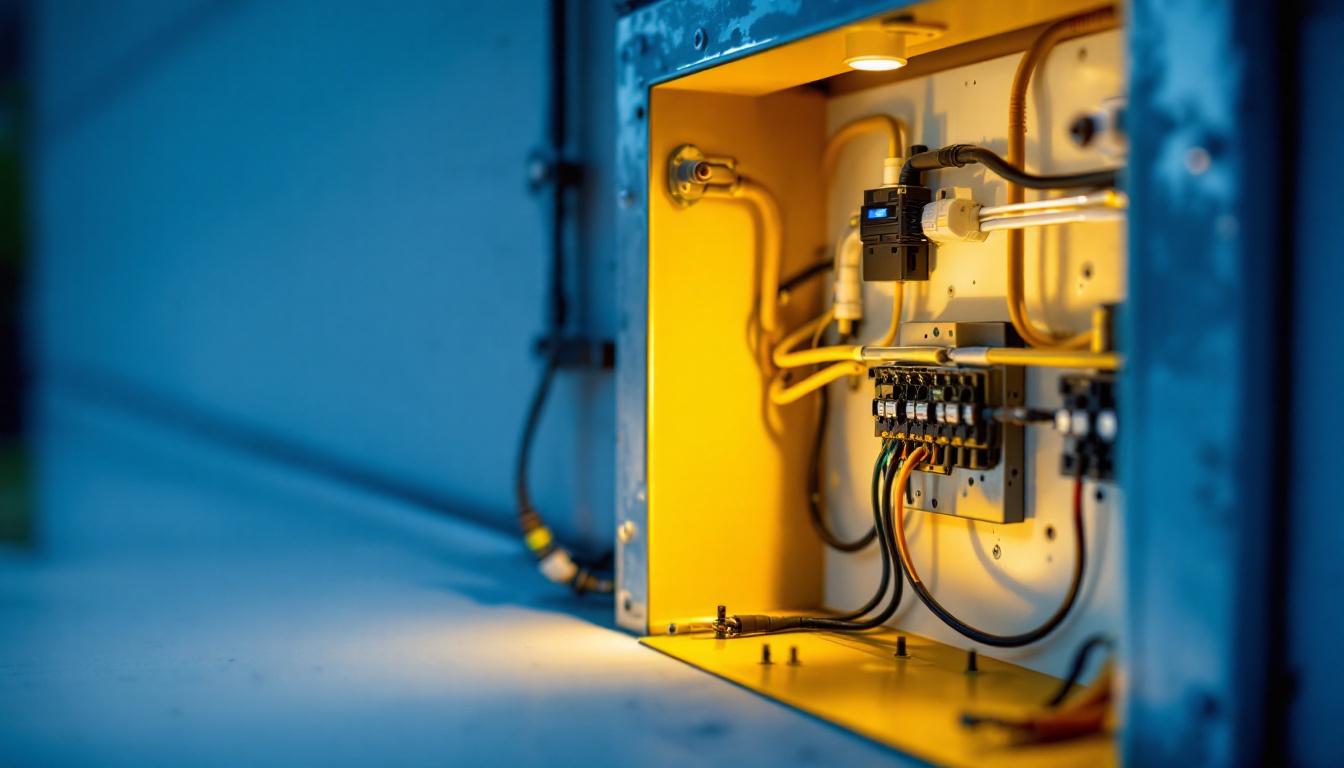
Understanding the Importance of Shallow Electrical Boxes in Outdoor Lighting
For lighting contractors, selecting the right electrical box is a foundational step in any outdoor lighting installation. Shallow electrical boxes, in particular, offer unique advantages and challenges that must be carefully considered to ensure safety, compliance, and longevity of the lighting system.
Outdoor lighting systems are exposed to environmental factors such as moisture, temperature fluctuations, and physical impact. The electrical box housing the wiring and connections must protect these components effectively. Shallow boxes, typically less deep than standard boxes, are often chosen for aesthetic or spatial reasons, especially when mounting fixtures on surfaces with limited depth.
However, the reduced internal volume of shallow boxes requires precise planning to accommodate wiring and devices without compromising safety. Understanding the specifications, installation requirements, and code compliance related to shallow electrical boxes is essential for lighting contractors aiming to deliver reliable and professional installations.
Moreover, shallow electrical boxes can be particularly beneficial in situations where the mounting surface is constrained, such as in tight corners or on narrow posts. These boxes allow for a cleaner installation, minimizing the visual impact of the electrical components while still providing the necessary protection. Additionally, many shallow boxes are designed to be weather-resistant, featuring gaskets and seals that help prevent moisture ingress, which is critical in outdoor applications. This ensures that the electrical connections remain safe and functional over time, even in challenging weather conditions.
It’s also important to consider the variety of shallow electrical boxes available on the market, as they come in different materials and configurations. For instance, some are made from non-corrosive materials like PVC or fiberglass, which can be particularly advantageous in coastal areas where saltwater exposure is a concern. Others may include built-in features such as cable clamps or integrated mounting brackets, which can simplify the installation process and enhance the overall durability of the lighting system. By carefully selecting the right type of shallow electrical box, contractors can not only meet code requirements but also enhance the performance and longevity of their outdoor lighting installations.
Key Specifications and Standards for Outdoor Shallow Electrical Boxes
Material and Durability Considerations
Outdoor electrical boxes must be constructed from materials that resist corrosion, UV degradation, and physical damage. Common materials include weather-resistant plastic, aluminum, and stainless steel. For shallow boxes, material choice is even more critical because the limited space can increase the risk of damage if the box is not robust enough to withstand environmental stresses.
Plastic boxes are lightweight and non-conductive, reducing the risk of electrical shock. However, they must be UV stabilized to avoid brittleness over time. Metal boxes offer superior durability and grounding capabilities but require proper corrosion-resistant coatings or alloys to prevent rusting. In addition, the choice of color can also play a role in durability; lighter colors can reflect sunlight and reduce heat buildup, while darker colors may absorb more heat, potentially impacting the integrity of the box over time.
Furthermore, it’s essential to consider the installation environment. For instance, areas prone to high winds or extreme temperatures may necessitate additional reinforcements or specific installation techniques to ensure that the box remains securely mounted and functional. The design of the box should also facilitate drainage to prevent water accumulation, which can lead to electrical hazards or equipment failure.
National Electrical Code (NEC) Compliance
Compliance with the National Electrical Code is mandatory for all electrical installations in the United States. For outdoor shallow electrical boxes, NEC mandates specific requirements regarding box fill, grounding, weatherproofing, and mounting.
Box fill calculations are critical: the NEC defines the maximum number of conductors and devices allowed based on the cubic inch capacity of the box. Since shallow boxes have reduced volume, contractors must carefully calculate the number of wires and devices to avoid overcrowding, which can lead to overheating or short circuits. This is particularly important in applications where multiple circuits converge, as the heat generated can significantly increase the risk of failure if not properly managed.
Additionally, outdoor boxes must be rated for wet or damp locations, and all covers must be weatherproof to prevent moisture ingress. Grounding provisions must be clearly implemented, especially for metal boxes, to ensure electrical safety. The NEC also stipulates that these boxes must be securely mounted to prevent movement or dislodgment, which could compromise the integrity of the electrical connections inside. Regular inspections and adherence to local amendments of the NEC can further enhance safety and reliability in outdoor electrical installations.
Installation Best Practices for Shallow Electrical Boxes Outdoors
Site Assessment and Preparation
Before installation, a thorough site assessment is crucial. Contractors should evaluate the mounting surface, exposure to elements, and proximity to other electrical components. Shallow boxes are often used on siding, stucco, or other thin materials where standard-depth boxes would protrude excessively or be impractical.
Ensuring a flat, stable mounting surface helps maintain the integrity of the box seal and prevents water intrusion. In some cases, contractors may need to install mounting brackets or backer boards to provide adequate support for the box and fixture.
Wiring Techniques for Limited Space
Proper wiring within a shallow box requires meticulous organization. Using wire nuts or push-in connectors designed for compact spaces can facilitate neat and secure connections. Lighting contractors should strip wires to the appropriate length to prevent excess wire from crowding the box.
When multiple conductors are involved, labeling wires can prevent confusion during installation and future maintenance. Additionally, using flexible conduit or liquid-tight fittings can help manage wiring runs into the box while maintaining weatherproofing.
Sealing and Weatherproofing
One of the most critical steps in outdoor shallow box installation is ensuring a watertight seal. Moisture ingress can cause corrosion, electrical faults, and safety hazards. Contractors should use gaskets or rubber seals specifically designed for the box model and ensure that all cable entries are sealed with appropriate fittings.
Applying a bead of silicone caulk around the box perimeter after mounting can provide an extra layer of protection against water penetration. Weatherproof covers with integrated gaskets should be installed to protect the wiring and devices inside the box.
Common Challenges and Solutions in Using Shallow Electrical Boxes Outdoors
Managing Box Fill Limitations
One of the most frequent challenges with shallow boxes is accommodating all necessary wiring and devices without exceeding box fill limits. Overcrowding can lead to heat buildup and potential electrical hazards.
To address this, contractors can consider using boxes with larger surface area but reduced depth, or employing multiple boxes linked with weatherproof conduit. Alternatively, low-profile devices designed for shallow boxes can reduce space requirements.
Ensuring Secure Mounting on Various Surfaces
Outdoor surfaces vary widely, from wood siding to masonry or metal panels. Shallow boxes may not have sufficient depth for traditional mounting hardware, requiring specialized fasteners or mounting brackets.
Using adjustable mounting brackets or box extenders can provide a secure fit while maintaining the shallow profile. In some cases, contractors may need to modify the mounting surface slightly to accommodate the box without compromising structural integrity.
Addressing Thermal Expansion and Contraction
Outdoor environments subject electrical boxes to temperature fluctuations that can cause materials to expand and contract. Shallow boxes, due to their compact size, may be more susceptible to seal degradation or loosening over time.
Selecting materials with compatible thermal expansion properties and using flexible sealing compounds can mitigate these effects. Regular inspection and maintenance schedules are advisable to ensure ongoing integrity.
Tools and Materials Checklist for Installing Shallow Outdoor Electrical Boxes
Successful installation depends on having the right tools and materials on hand. Lighting contractors should prepare the following items:
- Shallow electrical boxes rated for outdoor use and appropriate material (plastic or metal)
- Weatherproof box covers with gaskets
- Wire connectors suitable for compact spaces
- Silicone caulk or weatherproof sealant
- Mounting brackets or extenders as needed
- Drill with appropriate bits for mounting surface
- Wire strippers and cutters
- Voltage tester and continuity tester
- Flexible conduit and liquid-tight fittings
- Labeling materials for wires
Having these tools ready ensures efficiency and reduces the risk of installation errors that could compromise safety or performance.
Maintenance and Inspection Guidelines for Outdoor Shallow Electrical Boxes
Once installed, shallow electrical boxes require periodic inspection to ensure continued safety and functionality. Contractors should advise clients or maintenance personnel to check for signs of moisture ingress, corrosion, or physical damage.
Inspecting seals and weatherproof covers regularly, especially after severe weather events, can prevent long-term damage. Tightening mounting hardware and resealing any compromised areas helps maintain the protective barrier.
Electrical testing to verify grounding continuity and absence of faults should be part of routine maintenance. Prompt attention to any issues detected can extend the lifespan of the outdoor lighting system and reduce costly repairs.
Conclusion: Best Practices for Lighting Contractors Using Shallow Electrical Boxes Outdoors
Shallow electrical boxes are invaluable in outdoor lighting installations where space constraints or aesthetic considerations demand a low-profile solution. However, their limited volume and exposure to harsh conditions require lighting contractors to approach installation with careful planning and adherence to codes.
By selecting the right materials, complying with NEC requirements, employing precise wiring and sealing techniques, and conducting regular maintenance, contractors can ensure safe, durable, and visually pleasing lighting installations. Staying informed about the latest products and best practices will further enhance project outcomes and client satisfaction.
Upgrade Your Outdoor Lighting with LumenWholesale
Ready to take your outdoor lighting projects to the next level? At LumenWholesale, we provide lighting contractors with the highest quality, spec-grade shallow electrical boxes and lighting products at unbeatable wholesale prices. Say goodbye to local distributor markups and hello to superior products that meet the strictest industry standards. With our hassle-free bulk buying and free shipping, you’ll enjoy premium lighting solutions at the best value — all without hidden fees or compromises. Elevate your lighting installations with the perfect blend of quality, affordability, and convenience. Visit LumenWholesale today for Wholesale Lighting at the Best Value.