The Critical Role of Chandeliers in Restaurant Lighting Design
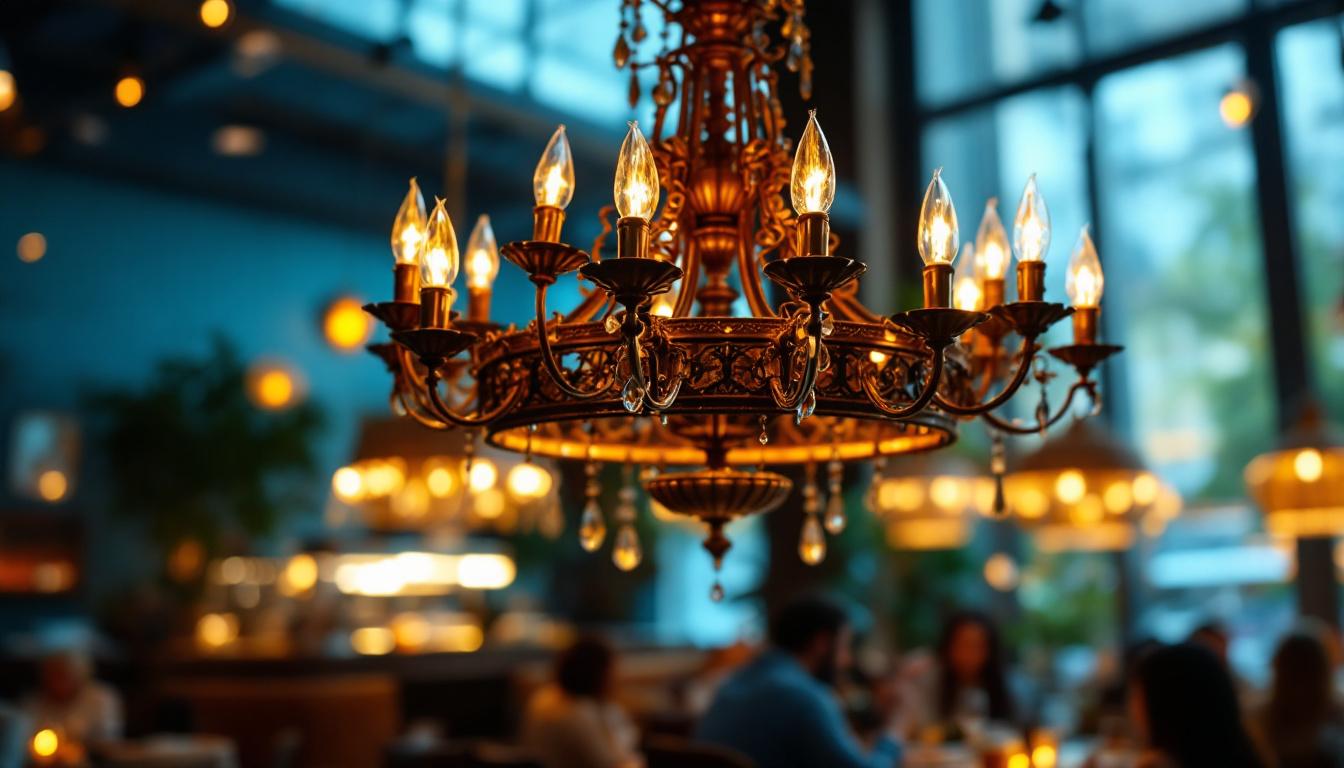
Chandeliers are more than just ornamental fixtures; they serve as focal points that define a restaurant’s ambiance and visual identity. For lighting contractors, understanding the multifaceted role of chandeliers in restaurant environments is essential. These fixtures combine aesthetics with functionality, influencing customer experience, operational efficiency, and even brand perception.
In upscale dining establishments, chandeliers often symbolize luxury and exclusivity, while in casual eateries, they can add warmth and character. The right chandelier enhances the spatial dynamics by providing balanced illumination and complementing architectural elements. Lighting contractors must therefore approach chandelier selection and installation with a clear understanding of the restaurant’s concept, target clientele, and spatial constraints.
Balancing Ambiance and Practicality
While chandeliers contribute significantly to ambiance, they must also meet practical lighting requirements. Restaurants demand a delicate balance between creating inviting atmospheres and ensuring sufficient light levels for both patrons and staff. For example, dimmable chandeliers allow for flexible lighting schemes that adapt to different times of day or special events.
Lighting contractors should consider the color temperature and light distribution patterns of chandeliers. Warm white light (2700K to 3000K) is generally preferred in dining spaces as it enhances food presentation and creates a cozy environment. Additionally, glare control and shadow minimization are critical to avoid discomfort and maintain visual clarity.
Moreover, the material and design of the chandelier can significantly impact its effectiveness in a restaurant setting. For instance, glass chandeliers can refract light beautifully, casting intricate patterns across the dining area, while metal fixtures may impart a more industrial or rustic feel, aligning with contemporary design trends. The choice of materials not only affects aesthetics but also the maintenance and longevity of the fixture, which is crucial in high-traffic environments where wear and tear are inevitable.
Furthermore, chandeliers can also serve as a storytelling element within the restaurant. A well-chosen chandelier can reflect the culinary theme or cultural influences of the menu, creating a cohesive experience for diners. For example, a Mediterranean restaurant might feature a wrought-iron chandelier adorned with colorful glass accents, evoking the vibrant spirit of the region. This thoughtful integration of design and function not only elevates the dining experience but also reinforces the restaurant’s brand narrative, making it memorable for guests.
Key Considerations for Selecting Restaurant Chandeliers
Choosing the right chandelier involves more than style preferences. Lighting contractors must evaluate several technical and environmental factors to ensure optimal performance and durability.
Fixture Size and Scale Relative to Space
One of the most common pitfalls in chandelier installation is improper sizing. A chandelier that is too large can overwhelm a space, while one that is too small may fail to make the desired impact. The general guideline is to add the room’s length and width (in feet) and convert that sum to inches for the chandelier’s diameter. For example, a room measuring 20 feet by 30 feet would suit a chandelier approximately 50 inches wide.
Height clearance is equally important. Chandeliers should hang at least 7 feet above the floor in dining areas to avoid obstructing movement and sightlines. In spaces with high ceilings, multi-tiered or cascading chandeliers can fill vertical space effectively. Additionally, the placement of the chandelier should be considered in relation to the dining tables and seating arrangements; a well-placed chandelier can create a focal point that enhances the overall aesthetic of the restaurant while providing adequate illumination for diners.
Material Durability and Maintenance
Restaurants are high-traffic environments prone to humidity, grease, and dust accumulation. Selecting chandeliers made from durable, easy-to-clean materials such as brass, stainless steel, or treated glass ensures longevity and reduces maintenance demands. Lighting contractors should also consider finishes that resist tarnishing and corrosion.
Accessibility for cleaning and bulb replacement is another practical concern. Fixtures with modular components or those compatible with LED bulbs can simplify ongoing upkeep and reduce operational downtime. Furthermore, the choice of materials can influence the ambiance; for instance, wrought iron can evoke a rustic charm, while polished chrome can lend a modern touch. Understanding the restaurant’s theme and customer base can guide the selection of materials that not only withstand the rigors of a busy environment but also contribute to the overall design narrative.
Energy Efficiency and Sustainability
Energy consumption is a critical consideration in commercial lighting. Modern chandeliers that accommodate LED technology not only reduce energy costs but also generate less heat, contributing to a more comfortable dining environment. Lighting contractors should prioritize fixtures that comply with energy standards and offer dimmable options for greater control.
Incorporating sustainable lighting solutions aligns with many restaurants’ environmental commitments and can enhance their reputation among eco-conscious customers. Beyond energy efficiency, the use of recycled materials in chandelier construction can further bolster a restaurant’s green credentials. Additionally, integrating smart lighting systems allows for automated adjustments based on occupancy and natural light levels, optimizing energy use while creating a dynamic atmosphere that can adapt to different dining experiences throughout the day.
Installation Challenges and Best Practices
Installing chandeliers in restaurants presents unique challenges that require careful planning and execution. Lighting contractors must coordinate with architects, interior designers, and restaurant management to ensure seamless integration. The ambiance created by the lighting can significantly influence the dining experience, making the installation process not just a technical task but also a creative endeavor that reflects the restaurant’s brand and theme.
Structural Support and Safety Compliance
Chandeliers are often heavy fixtures that demand secure mounting. Contractors must assess ceiling structures and, if necessary, reinforce them to support the weight safely. This may involve installing additional bracing or specialized mounting hardware. In historic buildings, where original architectural features must be preserved, contractors face the added challenge of finding solutions that do not compromise the integrity of the structure while ensuring safety and stability.
Compliance with local building codes and electrical standards is non-negotiable. Proper grounding, wiring, and circuit protection prevent hazards and ensure reliable operation. In some cases, contractors may need to collaborate with licensed electricians to meet regulatory requirements. Furthermore, understanding the specific fire safety regulations applicable to restaurants is crucial, as these establishments often have unique risks associated with cooking and food service operations.
Wiring and Control Systems
Modern restaurant chandeliers often integrate with advanced lighting control systems, including dimmers, timers, and smart automation. Lighting contractors should design wiring layouts that accommodate these technologies without compromising aesthetics. Concealed wiring and junction boxes help maintain clean visual lines. The choice of control systems can also impact the restaurant’s energy efficiency, allowing for tailored lighting solutions that adapt to different times of day or occupancy levels, ultimately contributing to sustainability goals.
Additionally, contractors should test all control interfaces thoroughly to ensure smooth operation and troubleshoot any issues before project completion. Training restaurant staff on how to operate these systems effectively is also essential, as it empowers them to create the desired atmosphere for various dining occasions, from intimate dinners to lively gatherings.
Coordination with Other Lighting Elements
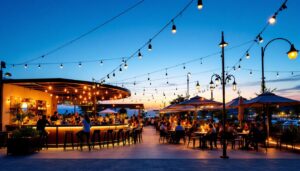
Chandeliers rarely function as standalone light sources in restaurants. They must harmonize with task lighting, accent lighting, and emergency lighting to create a cohesive lighting scheme. Contractors should plan fixture placement and light levels to avoid over-illumination or dark spots. The interplay of different lighting types can enhance the overall aesthetic, guiding diners’ attention to focal points such as artwork, food displays, or architectural features.
Integrating chandeliers with complementary fixtures, such as wall sconces or pendant lights, enhances depth and dimension in the space. This layered approach also allows for flexible lighting scenarios tailored to different dining experiences. For example, during busy service hours, brighter task lighting may be necessary, while softer, warmer tones can create a more relaxed atmosphere during quieter evenings. Additionally, incorporating adjustable fixtures can provide versatility, enabling the restaurant to adapt its lighting to seasonal menus or special events, further enriching the dining experience for patrons.
Trends and Innovations in Restaurant Chandeliers
The lighting industry continually evolves, and staying abreast of current trends enables contractors to offer cutting-edge solutions to restaurant clients.
Customization and Artistic Expression
Custom-designed chandeliers are increasingly popular in the restaurant sector, allowing venues to express unique brand identities. Lighting contractors often collaborate with artisans and designers to create bespoke fixtures that serve as signature pieces. These installations can incorporate unconventional materials, dynamic shapes, and integrated lighting effects.
Such custom projects require meticulous planning, from conceptual sketches to fabrication and installation, ensuring the final product meets both aesthetic and functional criteria.
Smart Lighting Integration
Smart lighting systems enable restaurants to adjust chandelier brightness and color temperature dynamically, responding to natural light levels or specific events. Contractors skilled in IoT (Internet of Things) integration can program scenes that enhance mood transitions throughout service hours.
These systems also support energy management by automating shutoff during non-operational hours and providing usage analytics for cost optimization.
Eco-Friendly Materials and Manufacturing
There is a growing demand for chandeliers made from recycled or sustainably sourced materials. Lighting contractors should be knowledgeable about suppliers who prioritize eco-friendly manufacturing processes. Offering green lighting options can differentiate contractors in a competitive market and align with clients’ sustainability goals.
Maintenance and Troubleshooting for Restaurant Chandeliers
After installation, ongoing maintenance is crucial to preserve the chandelier’s appearance and functionality. Lighting contractors often provide maintenance services or guidance to restaurant staff.
Routine Cleaning and Inspection
Grease and dust buildup can diminish light output and damage finishes. Regular cleaning schedules using appropriate, non-abrasive materials help maintain fixture integrity. Contractors should advise on safe cleaning techniques, especially for delicate crystals or glass components.
Periodic inspections of wiring, mounting hardware, and bulbs prevent unexpected failures and extend fixture lifespan.
Common Issues and Solutions
Flickering lights, uneven illumination, or dimmer malfunctions are common issues in restaurant chandeliers. Troubleshooting involves checking bulb compatibility, wiring connections, and control system settings. Contractors must be prepared to diagnose and resolve these problems promptly to minimize disruption.
Upgrading to LED bulbs or modern control modules can often resolve persistent issues and improve energy efficiency.
Conclusion: The Lighting Contractor’s Strategic Role
For lighting contractors, restaurant chandeliers represent a complex interplay of design, engineering, and client collaboration. Mastery of essential facts—from aesthetic considerations to technical specifications—enables contractors to deliver solutions that enhance restaurant environments and satisfy operational demands.
By staying informed about industry trends, adhering to best practices in installation and maintenance, and prioritizing energy efficiency and sustainability, lighting contractors can position themselves as indispensable partners in the hospitality sector. The chandelier is not merely a light fixture but a strategic asset that elevates the dining experience and reinforces brand identity.
Illuminate Your Projects with LumenWholesale
Ready to transform your restaurant lighting projects with chandeliers that blend impeccable design and superior functionality? Look no further than LumenWholesale for all your lighting needs. Our spec-grade lighting products set the standard for quality and value, ensuring you can deliver on both aesthetics and performance without breaking the bank. With free shipping on bulk orders, LumenWholesale is your go-to source for lighting that meets the highest industry standards. Elevate your lighting game and discover wholesale lighting at the best value today.