Understanding the Unique Challenges of Dock Lighting
Lighting a residential dock is not the same as illuminating a typical backyard or pathway. Water, weather, and safety concerns create a distinct set of challenges that require specialized knowledge and careful planning. Lighting contractors must consider factors such as moisture resistance, glare control, and energy efficiency while ensuring the lighting enhances both function and aesthetics.
Water exposure is the primary concern. Fixtures must be rated for wet locations and constructed from corrosion-resistant materials like marine-grade stainless steel or high-quality plastics. Saltwater environments demand even more robust protection to prevent rust and degradation. Failure to choose the right materials can lead to premature fixture failure and costly replacements. Additionally, the positioning of lights plays a crucial role; fixtures should be strategically placed to minimize exposure to splashes and waves, which can further compromise their longevity.
Another challenge is balancing brightness with comfort. Excessive glare can ruin the relaxing atmosphere that homeowners seek at their docks. Lighting should illuminate pathways and key features without overwhelming the senses or causing reflections that impair night vision on the water. Utilizing dimmable LED fixtures can offer flexibility, allowing homeowners to adjust the lighting according to the time of day or occasion. Moreover, the color temperature of the lights can significantly affect the ambiance; warmer tones can create a cozy atmosphere, while cooler tones may enhance visibility and safety.
Furthermore, the integration of smart lighting technology is becoming increasingly popular in dock lighting design. Homeowners can now control their dock lights remotely, adjusting brightness levels or setting timers to ensure lights are only on when needed. This not only enhances convenience but also contributes to energy savings. Smart sensors can also be employed to detect movement, automatically illuminating pathways when someone approaches, which adds an additional layer of safety. As technology continues to evolve, the possibilities for innovative dock lighting solutions are expanding, allowing for a blend of practicality and modern aesthetics.
Choosing the Right Fixtures for Residential Docks
Types of Fixtures That Work Best
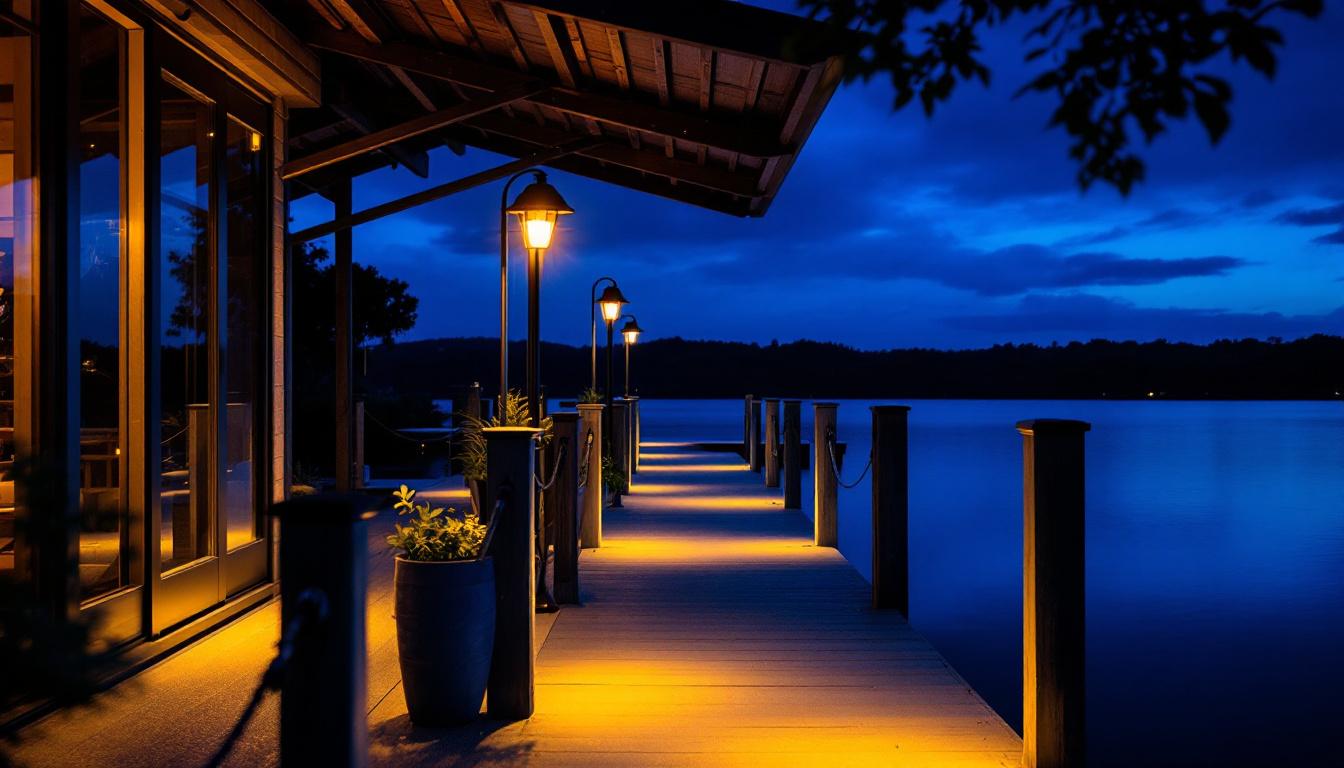
LED lights have become the go-to solution for dock lighting due to their long lifespan, energy efficiency, and versatility. Low-voltage LED fixtures reduce electrical hazards and are easier to install and maintain. Consider fixtures like recessed deck lights, post cap lights, and underwater LED spotlights to create layered lighting effects. These options not only enhance the aesthetic appeal of your dock but also improve visibility for nighttime activities, making them ideal for fishing, boating, or simply enjoying the serene ambiance of the water under the stars.
Underwater lights add drama and safety by illuminating the water around the dock. These fixtures require careful installation to ensure watertight seals and proper electrical connections. Look for products with IP68 ratings or higher to guarantee submersion safety and durability. Additionally, some underwater lights come with color-changing features that can transform the atmosphere of your dock area, allowing you to set the mood for gatherings or romantic evenings. The glow of these lights can also attract fish, making them a practical choice for avid anglers.
Material and Finish Considerations
Marine environments are harsh. Fixtures made from anodized aluminum, brass, or stainless steel resist corrosion better than standard metals. Powder-coated finishes can add an extra layer of protection but may wear off over time. Lighting contractors should advise clients on maintenance routines to prolong fixture life. Regular inspections and cleanings can help prevent the buildup of salt and grime, which can degrade the materials over time. It’s also wise to consider the local climate; areas with high humidity or saltwater exposure may require more robust materials to withstand the elements.
Glass lenses should be tempered or impact-resistant to withstand accidental knocks or debris. Polycarbonate lenses offer excellent shatter resistance but can yellow over time if exposed to UV rays. Selecting the right combination of materials ensures the lighting system remains functional and attractive for years. Furthermore, opting for fixtures with replaceable components can save homeowners money in the long run, as they won’t need to replace entire units if a single part fails. Investing in quality materials not only enhances the durability of the fixtures but also contributes to the overall safety and enjoyment of the dock area.
Design Principles for Effective Dock Lighting
Safety First: Illuminate Pathways and Edges
One of the primary purposes of dock lighting is to prevent accidents. Installing lights along walkways, stairs, and dock edges helps homeowners and guests navigate safely after dark. Use low-level lighting that clearly defines boundaries without creating harsh shadows or blinding spots.
Step lights and bollard lights are effective choices for marking edges. Position them to avoid direct glare into the eyes of those walking on the dock. Motion sensors can be integrated to provide illumination only when needed, conserving energy and reducing light pollution. Additionally, incorporating reflective materials along the pathways can enhance visibility, especially in low-light conditions. These materials can be integrated into the dock’s design, ensuring that they blend seamlessly while providing an extra layer of safety.
Enhancing Ambiance with Accent Lighting
Beyond safety, lighting can transform a dock into a serene retreat. Accent lighting highlights architectural features, landscaping, or water textures. For example, uplighting dock posts or nearby trees adds depth and visual interest.
Color temperature plays a significant role here. Warm white LEDs (2700K to 3000K) create a cozy, inviting atmosphere, while cooler tones can feel sterile or harsh. Lighting contractors should guide clients toward options that complement their outdoor décor and personal preferences. Furthermore, the use of dimmable fixtures allows homeowners to adjust the brightness according to the occasion, whether it’s a lively gathering or a quiet evening by the water. Incorporating smart lighting technology can also enhance this experience, allowing users to control their dock lighting from their smartphones or through voice commands, adding convenience and modernity to the outdoor space.
Minimizing Light Pollution and Environmental Impact
Excessive or poorly directed lighting can disturb local wildlife, especially in waterfront areas. Many municipalities have ordinances regulating light pollution, so contractors must stay informed about local codes.
Use fixtures with shields or directional optics to focus light downward and prevent skyglow. Incorporate timers or dimmers to reduce light levels during late-night hours. These practices not only protect the environment but also help homeowners avoid complaints from neighbors. Additionally, selecting energy-efficient LED fixtures not only reduces electricity costs but also contributes to a more sustainable lifestyle. By choosing lights that are designed specifically for outdoor use, homeowners can ensure durability and longevity, reducing the need for frequent replacements and further minimizing their ecological footprint.
Electrical Considerations and Installation Best Practices
Ensuring Safe and Code-Compliant Wiring
Dock lighting installations often require running wiring through challenging environments. All electrical components must comply with the National Electrical Code (NEC) and local regulations. Use marine-grade cables and connectors designed to withstand moisture and UV exposure.
Ground-fault circuit interrupters (GFCIs) are mandatory for dock lighting circuits to prevent electrical shock hazards. Testing and labeling circuits clearly is essential for future maintenance and safety inspections.
Planning for Power Sources and Controls
Low-voltage systems powered by transformers are common for residential docks. These systems reduce the risk of electrical hazards and simplify installation. Solar-powered options are gaining popularity as well, offering energy independence and ease of setup, though they may not provide consistent brightness in shaded or cloudy conditions.
Smart controls, including timers, dimmers, and remote operation via smartphone apps, add convenience and energy savings. Lighting contractors should discuss these options with clients to tailor systems that fit lifestyle and budget.
Maintenance Tips to Extend the Life of Dock Lighting
Regular maintenance is crucial for dock lighting systems to perform reliably over time. Salt buildup, algae growth, and physical wear can degrade fixtures and wiring.
Contractors should advise clients to clean fixtures periodically with fresh water and mild detergents, avoiding abrasive materials that could scratch lenses or finishes. Inspect seals and gaskets annually to ensure watertight integrity. Replace bulbs or LEDs as needed, and check for signs of corrosion or damage to wiring.
Establishing a maintenance schedule helps prevent unexpected failures and costly repairs, preserving both safety and beauty.
Case Studies: Successful Residential Dock Lighting Projects
One lighting contractor transformed a lakeside dock by combining recessed deck lights with underwater LEDs. The result was a subtle glow that enhanced nighttime fishing while maintaining a natural look. The client appreciated the low energy consumption and minimal maintenance requirements.
Another project involved a saltwater dock where the contractor specified marine-grade brass fixtures with warm white LEDs. Shielded post cap lights minimized glare, and motion sensors provided security lighting only when movement was detected. This approach balanced safety, aesthetics, and environmental sensitivity.
These examples illustrate how thoughtful fixture selection and design tailored to site conditions can deliver outstanding results.
Final Thoughts: Delivering Value to Residential Clients
Residential dock lighting is more than just putting up lights. It requires a deep understanding of environmental challenges, safety priorities, and design aesthetics. Lighting contractors who master these elements can offer clients durable, beautiful, and energy-efficient solutions that enhance waterfront living.
Staying current with product innovations and local regulations ensures installations meet the highest standards. Clear communication with homeowners about expectations, maintenance, and controls builds trust and satisfaction.
Ultimately, expert dock lighting transforms outdoor spaces into safe, inviting extensions of the home-an investment that pays dividends in enjoyment and property value.
Illuminate Your Projects with LumenWholesale
Ready to elevate your residential dock lighting projects with superior quality and value? At LumenWholesale, we offer lighting contractors an exceptional range of spec-grade lighting products designed to meet the unique challenges of waterfront environments. Our commitment to cutting out the middleman means you get the best wholesale prices without the markup, and with free shipping on bulk orders, you can stock up on everything you need without any hidden costs. Enhance your dock lighting designs with our reliable, high-performance lighting solutions and experience the difference that quality, affordability, and convenience can make. Take the first step towards transforming outdoor spaces and Wholesale Lighting at the Best Value with LumenWholesale today.