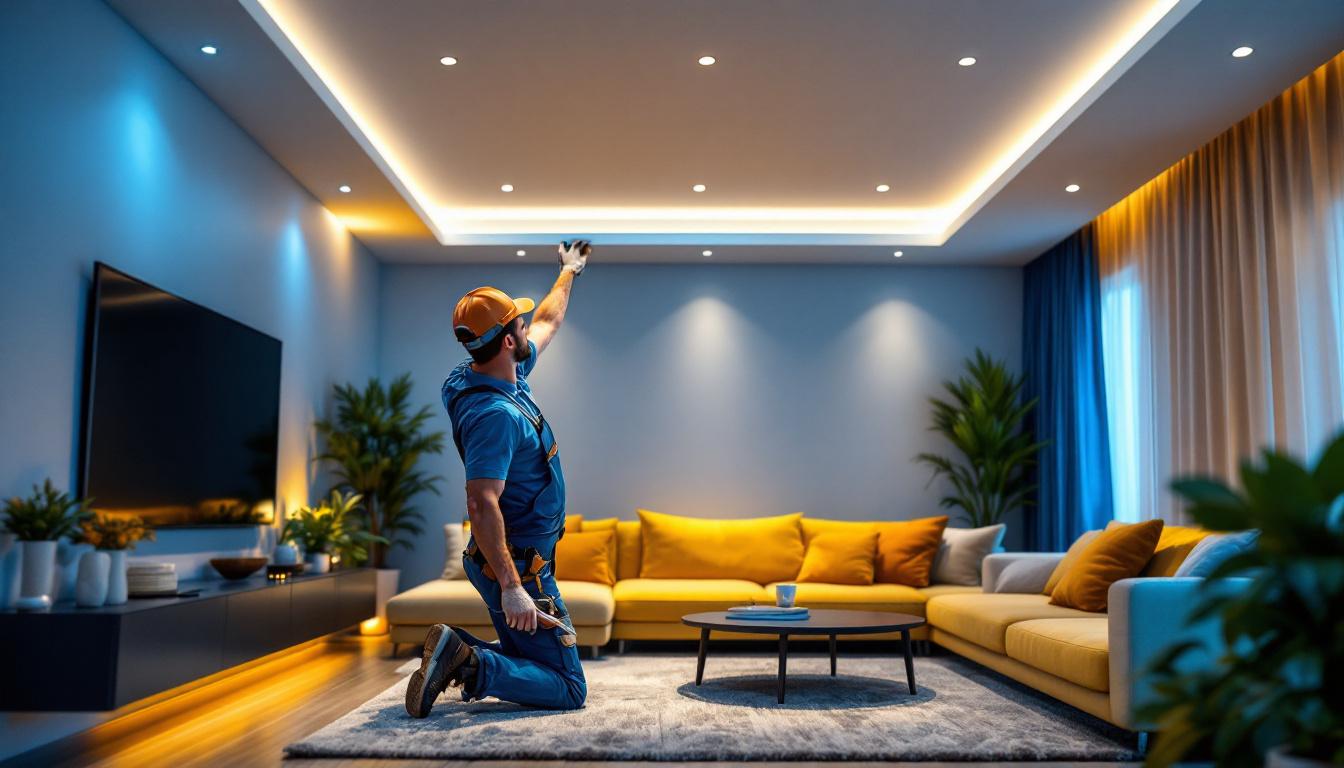
Why Recessed Lighting Dominates Modern Projects
Recessed lighting has become a staple in residential and commercial lighting design, and for good reason. Unlike traditional fixtures that hang or protrude, recessed lights sit flush with the ceiling, creating a clean, unobtrusive look that appeals to architects, designers, and clients alike. For lighting contractors, mastering recessed lighting installations opens doors to a wide range of projects, from upscale homes to office spaces and retail environments. The seamless integration of these fixtures allows for a more open and airy feel in any space, enhancing the overall design without overwhelming it.
The popularity of recessed lighting is backed by its versatility. Whether illuminating a cozy living room or spotlighting artwork in a gallery, recessed fixtures provide both ambient and task lighting without disrupting the room’s aesthetics. This adaptability means contractors who excel with recessed lighting are often the first call for projects requiring subtle yet effective illumination. Additionally, the ability to customize the placement and intensity of recessed lights allows for tailored lighting solutions that meet the specific needs of each space, further solidifying their status as a preferred choice among designers and homeowners alike.
Energy Efficiency and Client Appeal
Energy-efficient LED recessed lights have revolutionized the market. They consume significantly less power than incandescent or halogen bulbs and offer longer lifespans, reducing maintenance calls for contractors. Clients increasingly prioritize sustainability, and recessed LED fixtures fit perfectly into green building standards and energy codes. Lighting contractors who understand these benefits can confidently recommend solutions that satisfy both design and environmental goals. Moreover, the advancements in LED technology have led to a variety of color temperatures and dimming options, allowing clients to create the perfect ambiance for any occasion, from vibrant gatherings to intimate dinners.
Streamlined Installation and Maintenance
For contractors, recessed lighting offers practical advantages beyond aesthetics. Modern recessed fixtures often come with modular designs that simplify installation. Many models feature quick-connect wiring and adjustable trims, allowing for faster setup and easier bulb replacement. This efficiency translates into reduced labor costs and higher profit margins, making recessed lighting a smart choice for contractors balancing quality and budget. Furthermore, the trend towards smart home technology has led to the development of recessed lights that can be controlled remotely or integrated with home automation systems, adding another layer of convenience and appeal for clients looking to enhance their living spaces.
Design Considerations Lighting Contractors Must Know
Successful recessed lighting projects hinge on thoughtful design. Lighting contractors must collaborate closely with architects and interior designers to ensure the layout complements the space’s function and style. Understanding the nuances of beam angles, lumen output, and color temperature is crucial for tailoring lighting schemes that meet client expectations. Additionally, considering the psychological effects of lighting on occupants can enhance the overall ambiance of a space, creating environments that foster productivity, relaxation, or social interaction, depending on the intended use.
Placement and Spacing
Incorrect placement of recessed lights can lead to uneven illumination, glare, or wasted energy. A common rule of thumb is to space fixtures approximately half the ceiling height apart. For example, in an 8-foot ceiling room, lights should be spaced roughly 4 feet apart. However, this varies depending on the fixture’s beam angle and the room’s purpose. Task areas like kitchen counters or workstations demand focused, brighter lighting, while living rooms benefit from softer, more diffused light. Furthermore, it’s essential to consider the layout of furniture and the activities that will take place in each area. For instance, in a home theater, recessed lighting should be positioned to minimize reflections on screens and provide an immersive viewing experience.
Trim and Style Selection
The trim—the visible part of the recessed fixture—affects both function and appearance. Contractors should guide clients on options such as baffle trims for glare reduction, reflector trims for maximum brightness, or adjustable trims for directional lighting. The choice of finish, from matte white to polished nickel, also influences the fixture’s integration with the ceiling and overall room decor. Moreover, selecting the right trim can enhance the aesthetic appeal of a room; for example, decorative trims can serve as a stylish accent in a high-end kitchen or dining area, while minimalist trims might be more suitable for contemporary spaces. It’s also worth considering the impact of dimmable trims, which allow for flexibility in mood and ambiance, catering to various occasions and preferences.
Addressing Ceiling Types and Insulation
Not all ceilings are created equal. Lighting contractors must assess whether the ceiling is insulated or non-insulated, as this impacts fixture selection. IC-rated (Insulation Contact) recessed lights are designed for direct contact with insulation, preventing fire hazards. Non-IC fixtures require clearance from insulation, which can complicate installation. Proper fixture choice ensures safety compliance and optimal performance. Additionally, the type of ceiling—be it vaulted, flat, or sloped—can influence the installation process and the effectiveness of the lighting design. For instance, in a vaulted ceiling, angled fixtures may be necessary to direct light downwards effectively, enhancing the room’s height while ensuring adequate illumination for the space below. Understanding these variables allows contractors to create a seamless integration of lighting that not only meets safety standards but also elevates the overall design aesthetic.
Common Challenges and How to Overcome Them
While recessed lighting offers many benefits, contractors often face challenges during installation and maintenance. Anticipating and addressing these issues can save time, reduce callbacks, and enhance client satisfaction.
Accessing Tight Spaces
Ceiling cavities can be cramped and cluttered with HVAC ducts, plumbing, or wiring. Navigating these obstacles requires skill and sometimes creative solutions. Using slim-profile fixtures or remodel housings designed for retrofit installations can help when working with limited space. Additionally, pre-planning the layout with other trades minimizes conflicts and streamlines the process.
Ensuring Proper Air Sealing
Recessed lighting can be a source of air leakage if not sealed correctly, leading to energy loss and potential moisture problems. Contractors should use airtight housings and apply appropriate caulking or gaskets around fixtures. This attention to detail not only improves energy efficiency but also helps meet building code requirements.
Dealing with Dimming Compatibility
Clients often want recessed lights that can dim smoothly for ambiance control. However, not all LED fixtures work well with every dimmer switch. Lighting contractors must verify compatibility between the bulbs, fixtures, and dimmers before installation. Testing products in advance or relying on manufacturer recommendations prevents flickering, buzzing, or premature bulb failure.
Maximizing Business Growth with Recessed Lighting Expertise
Lighting contractors who specialize in recessed lighting position themselves as valuable partners in the construction and remodeling industries. This expertise can lead to increased referrals, repeat business, and higher project bids.
Offering Comprehensive Lighting Solutions
Contractors who understand recessed lighting can offer clients a full suite of services, from design consultation to installation and maintenance. This consultative approach builds trust and demonstrates professionalism. Clients appreciate contractors who can explain options clearly and tailor solutions to their needs.
Staying Updated on Technology and Trends
The lighting industry is continuously evolving. Smart lighting controls, tunable white LEDs, and integration with home automation systems are becoming standard expectations. Contractors who stay informed about these advancements can advise clients on cutting-edge options that enhance comfort and convenience. Attending trade shows, participating in training programs, and maintaining manufacturer relationships are effective ways to keep skills sharp.
Building Strong Vendor Relationships
Reliable suppliers provide quality products, technical support, and competitive pricing. Establishing strong partnerships with vendors specializing in recessed lighting ensures contractors have access to the latest fixtures and can quickly resolve issues. These relationships also open doors to exclusive promotions and early product releases, giving contractors a competitive edge.
Case Studies: Recessed Lighting in Action
Examining real-world projects highlights how recessed lighting contributes to successful outcomes and client satisfaction.
High-End Residential Renovation
A lighting contractor was tasked with upgrading a luxury home’s lighting to improve functionality and aesthetics. The client wanted a minimalist look with layered lighting effects. The contractor designed a recessed lighting layout that included adjustable trims for accentuating artwork and dimmable LED fixtures for mood control. The seamless integration of lighting enhanced the home’s modern design and earned the contractor a glowing referral.
Commercial Office Space Upgrade
In an office renovation, the contractor replaced outdated fluorescent fixtures with energy-efficient recessed LED panels. This upgrade reduced energy consumption by over 40% and improved light quality, boosting employee productivity and comfort. The contractor’s expertise in selecting fixtures that met both lighting and energy codes was critical to the project’s success.
Retail Store Lighting Refresh
A retail client sought to highlight merchandise without distracting ceiling fixtures. The contractor installed recessed adjustable spotlights that created dynamic focal points on displays. This lighting strategy increased customer engagement and sales, showcasing how recessed lighting can directly impact business performance.
Final Thoughts: Recessed Lighting as a Growth Catalyst
Recessed lighting is more than just a design trend; it’s a powerful tool for lighting contractors to differentiate themselves and deliver exceptional results. Mastery of recessed lighting techniques, combined with an understanding of client needs and industry advancements, positions contractors for sustained success.
By focusing on quality installation, thoughtful design, and ongoing education, lighting contractors can unlock new opportunities and build lasting client relationships. Recessed lighting is not just a fixture choice-it’s a pathway to professional growth and business excellence.
Illuminate Your Projects with LumenWholesale
Ready to elevate your lighting game and drive your business forward? Choose LumenWholesale for your recessed lighting needs and experience the difference that quality and value can make. Our spec-grade lighting products are designed to meet the demands of any project, ensuring you deliver exceptional results every time. Say goodbye to inflated markups and hello to unbeatable wholesale prices, complemented by the convenience of free shipping on bulk orders. Don’t compromise on quality or cost—visit Wholesale Lighting at the Best Value today and let us help you shine brighter with every installation.