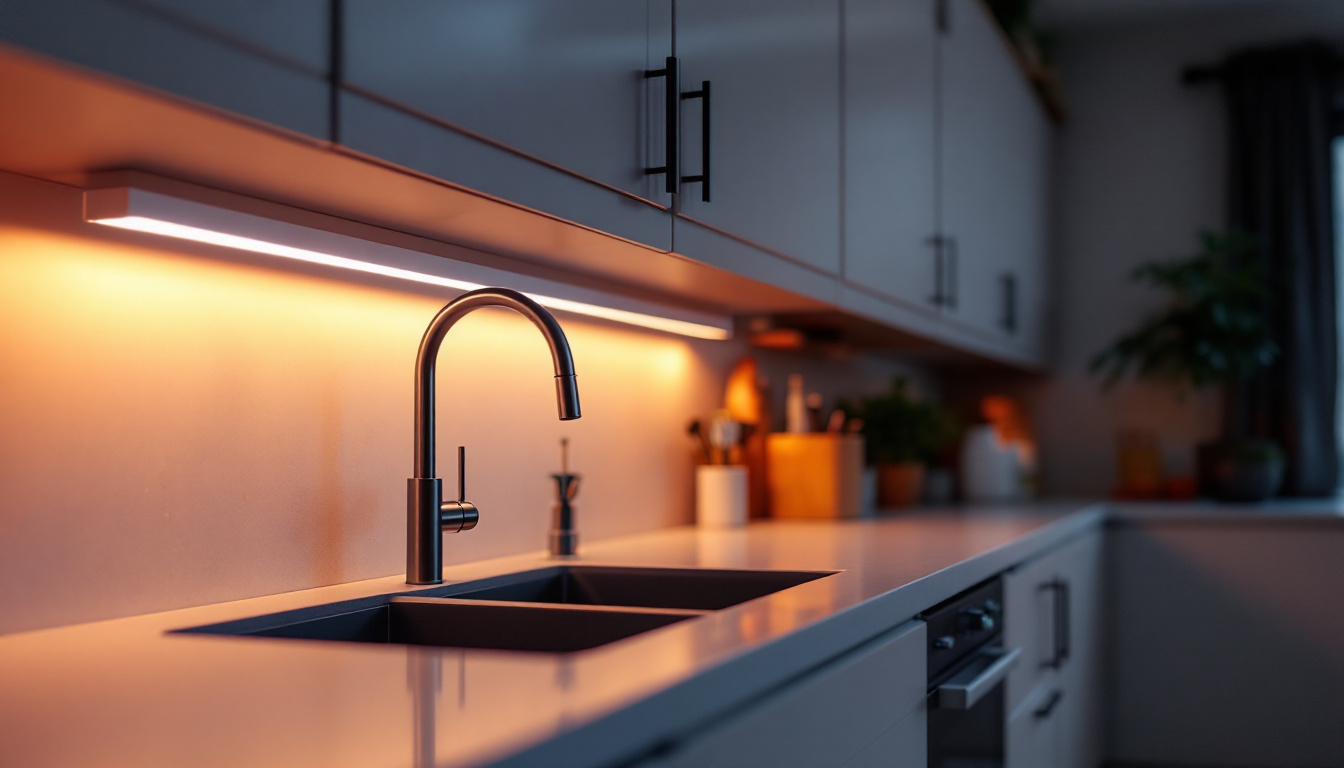
Understanding the Shift to LED in Recessed Lighting
Recessed lighting has long been a staple in both residential and commercial spaces, prized for its sleek, unobtrusive design and ability to provide ambient or task lighting without cluttering the ceiling. However, traditional incandescent and fluorescent recessed fixtures are rapidly being replaced by LED technology, a transition driven by advancements in energy efficiency, longevity, and lighting quality.
For lighting contractors, understanding the nuances of LED conversion is critical to delivering future-proof lighting solutions that meet evolving client expectations and regulatory standards. LEDs offer up to 80% energy savings compared to incandescent bulbs and can last up to 25 times longer, significantly reducing maintenance costs and environmental impact. These benefits make LED conversion not just a trend, but a necessary upgrade for any modern lighting project.
Why LEDs Are the Preferred Choice for Recessed Lighting
LEDs (Light Emitting Diodes) have transformed the lighting industry by offering superior performance over traditional light sources. Their compact size allows for versatile fixture designs, making them ideal for recessed lighting applications where space is limited. Additionally, LEDs emit less heat, reducing the risk of fire hazards and improving safety in enclosed ceiling spaces.
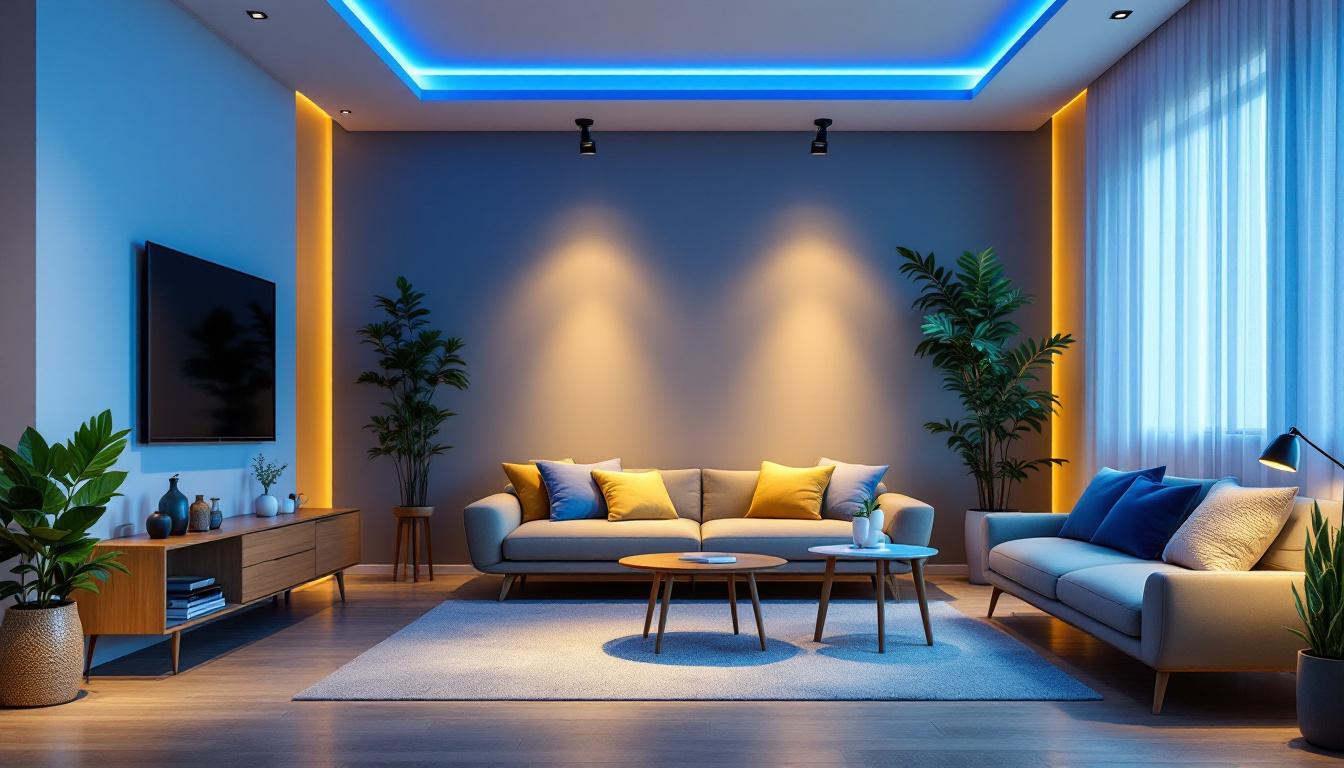
Another key advantage is the ability to customize color temperature and brightness levels with precision. This flexibility enables contractors to tailor lighting schemes to specific environments, enhancing aesthetics and functionality. For example, warmer tones are often preferred in residential settings for comfort, while cooler, daylight-balanced LEDs are favored in commercial spaces to boost productivity.
Moreover, the technological advancements in LED lighting have led to the development of smart LED options that can be integrated with home automation systems. This allows users to control lighting through their smartphones or voice-activated devices, providing convenience and energy management capabilities. Dimming features and programmable schedules can further enhance energy savings and create dynamic lighting environments that adapt to the time of day or specific activities. As smart home technology continues to gain traction, the integration of LED recessed lighting will likely become a standard expectation among consumers.
In addition to their functional benefits, LEDs also contribute to sustainability efforts. With growing concerns over climate change and energy consumption, the shift towards LED lighting aligns with global initiatives aimed at reducing carbon footprints. Many municipalities and organizations are offering incentives for upgrading to LED technology, making it an economically viable choice for both homeowners and businesses. This commitment to sustainability not only reflects positively on brands but also resonates with environmentally conscious consumers who prioritize green solutions in their purchasing decisions.
Key Considerations When Converting Recessed Lighting to LED
Successfully converting existing recessed lighting to LED involves more than simply swapping out bulbs. Contractors must evaluate several factors to ensure compatibility, performance, and compliance with electrical codes.
Fixture Compatibility and Retrofit Options
One of the first steps is assessing whether existing recessed housings can accommodate LED retrofit kits or if full fixture replacement is necessary. Many older recessed fixtures were designed for incandescent or fluorescent lamps and may not be compatible with LED modules without modification.
LED retrofit kits are a popular solution because they allow contractors to upgrade lighting without removing existing housings, saving time and labor costs. These kits typically include integrated LED modules and drivers designed to fit standard recessed cans. However, it’s essential to verify that the retrofit kit’s dimensions, heat dissipation requirements, and electrical specifications match the existing setup. Additionally, contractors should consider the aesthetic aspects of the new LED fixtures; options are available in various color temperatures and beam angles, allowing for tailored lighting solutions that enhance the ambiance of any space.
Electrical Considerations and Dimming Compatibility
LED lighting requires compatible drivers and transformers to function correctly. Contractors should ensure the existing wiring and dimmer switches support LED technology. Many traditional dimmers designed for incandescent bulbs can cause flickering, buzzing, or reduced dimming range when paired with LEDs.
Upgrading to LED-compatible dimmers is often necessary to achieve smooth, flicker-free dimming performance. This not only enhances user experience but also extends the lifespan of the LED fixtures. Additionally, verifying the circuit load and ensuring proper grounding are critical steps to maintain safety and code compliance. It is also worth noting that some advanced dimming systems offer features like remote control and smart home integration, providing users with greater flexibility and convenience in managing their lighting environments.
Energy Codes and Incentives
Energy efficiency regulations continue to tighten, with many jurisdictions mandating the use of high-efficiency lighting solutions in new construction and renovations. Contractors should stay informed about local codes and standards such as Title 24, ASHRAE 90.1, or other regional guidelines that impact lighting design and installation.
Moreover, numerous utility companies and government programs offer rebates and incentives for upgrading to LED lighting. Leveraging these incentives can reduce project costs and provide added value to clients, making LED conversion an even more attractive proposition. It’s also beneficial for contractors to educate clients about the long-term savings associated with LED lighting, including reduced energy bills and lower maintenance costs due to the longer lifespan of LED products. By presenting a comprehensive overview of both immediate and future benefits, contractors can help clients make informed decisions that align with their sustainability goals.
Strategies to Future-Proof Recessed Lighting Projects
Future-proofing lighting projects means designing and implementing solutions that remain relevant, efficient, and adaptable over time. For recessed lighting LED conversions, this involves anticipating technological advancements, client needs, and sustainability goals.
Incorporating Smart Lighting Controls
Integrating smart lighting controls such as occupancy sensors, daylight harvesting, and programmable dimming systems can significantly enhance energy savings and user convenience. These controls allow lighting to adjust dynamically based on occupancy patterns and natural light availability, reducing unnecessary energy consumption.
Smart controls also offer remote management capabilities, enabling facility managers or homeowners to monitor and adjust lighting settings via mobile devices or building automation systems. This level of control aligns with the growing demand for connected, intelligent building solutions and can be a compelling selling point for contractors. Furthermore, the integration of voice-activated assistants and compatibility with smart home ecosystems can increase user engagement and satisfaction, making it easier for occupants to customize their lighting experience according to their preferences and routines.
Choosing Quality LED Products with Longevity in Mind
Not all LEDs are created equal. Selecting high-quality LED fixtures and retrofit kits from reputable manufacturers ensures consistent light output, color rendering, and durability. Look for products with certifications such as ENERGY STAR, DLC (DesignLights Consortium), and UL listings to guarantee performance and safety.
Additionally, prioritize LEDs with robust thermal management features. Proper heat dissipation extends the lifespan of the diodes and prevents premature failure. This consideration is especially important in recessed applications where heat buildup can be a concern due to enclosed spaces. Beyond thermal management, consider the color temperature and color rendering index (CRI) of the LEDs, as these factors significantly influence the ambiance of a space. Warmer color temperatures can create a cozy atmosphere, while cooler temperatures are often preferred in workspaces for enhanced focus and productivity.
Designing for Flexibility and Upgradability
Design recessed lighting layouts with future modifications in mind. Modular lighting systems that allow easy replacement or upgrading of components can save considerable time and expense down the line. For example, using standardized fixture sizes and universal mounting hardware facilitates swapping out LED modules as newer technologies emerge.
Moreover, consider the potential for integrating additional lighting layers or effects, such as accent lighting or color-changing LEDs, without extensive rewiring. This adaptability enhances the long-term value of the installation and allows clients to evolve their lighting environment as needs change. Additionally, incorporating adjustable fixtures can provide versatility in directing light where it is most needed, whether for highlighting artwork, illuminating workspaces, or creating dynamic atmospheres for events. By fostering a design approach that prioritizes flexibility, you can ensure that your recessed lighting solutions not only meet current demands but also adapt seamlessly to future trends and technologies.
Case Studies: Successful LED Conversion Projects
Examining real-world examples provides valuable insights into best practices and common challenges encountered during recessed lighting LED conversions.
Commercial Office Retrofit
A mid-sized commercial office building underwent a comprehensive lighting retrofit, replacing outdated fluorescent recessed fixtures with LED retrofit kits. The project focused on improving energy efficiency, occupant comfort, and compliance with new energy codes.
By selecting LED kits with high color rendering indexes (CRI above 90) and tunable white capabilities, the contractor enhanced the visual quality of the workspace. Integration with occupancy sensors and daylight dimming controls resulted in a 60% reduction in lighting energy use. The client reported improved employee satisfaction and reduced maintenance costs due to the extended lifespan of the LEDs.
Residential Remodel with Smart Lighting
In a high-end residential remodel, the lighting contractor replaced incandescent recessed downlights with LED fixtures featuring smart control integration. Homeowners gained the ability to customize lighting scenes, adjust color temperatures, and schedule lighting changes via smartphone apps.
The contractor emphasized fixture compatibility with existing housing and ensured that dimmers were upgraded to LED-compatible models. The project not only enhanced the home’s ambiance but also aligned with the client’s sustainability goals by reducing energy consumption by nearly 75% compared to the previous setup.
Conclusion: Embracing LED Conversion for Long-Term Success
For lighting contractors, mastering recessed lighting LED conversion is essential to delivering projects that stand the test of time. By understanding the technical requirements, staying abreast of evolving standards, and incorporating smart, flexible design strategies, contractors can future-proof their lighting installations.
LED technology offers unparalleled benefits in energy efficiency, longevity, and lighting quality, making it the cornerstone of modern recessed lighting solutions. Whether working on commercial or residential projects, embracing LED conversion not only meets client expectations but also positions contractors as leaders in sustainable, innovative lighting design.
Start Your LED Conversion Journey with LumenWholesale
Ready to elevate your lighting projects and lead the way in sustainable design? LumenWholesale is here to support your transition to LED with premium, spec-grade lighting products at unbeatable wholesale prices. Say goodbye to middleman markups and hello to a vast selection of industry-standard lighting solutions that promise reliability and high performance. Take advantage of our hassle-free bulk buying and free shipping to get the best value for your investment. Make your next project a shining example of quality and affordability. Visit LumenWholesale today and discover the perfect blend of quality, affordability, and convenience for all your lighting needs.