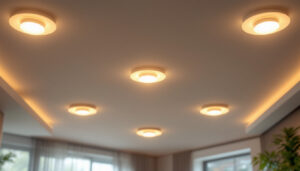
In the world of lighting design and installation, clarity and precision are paramount. Among the various symbols and terminologies used in this field, the recessed light symbol stands out as a critical element. Understanding its significance not only enhances communication among contractors and clients but also ensures that lighting installations are executed flawlessly. This article delves into the importance of the recessed light symbol, its applications, and best practices for effective usage in lighting projects.
The Importance of Symbols in Lighting Design
Symbols serve as a universal language in technical fields, allowing professionals to convey complex ideas succinctly. In lighting design, symbols help in representing various fixtures, their placements, and electrical connections. The recessed light symbol, in particular, plays a vital role in indicating the intended locations and specifications of recessed lighting fixtures.
Using standardized symbols minimizes misunderstandings and errors during installation. When contractors and electricians interpret the same symbols, it fosters collaboration and streamlines the workflow, ultimately leading to a successful project outcome.
Enhancing Communication
Effective communication is crucial in any construction project. The recessed light symbol acts as a visual cue that communicates essential information about the lighting layout. By using this symbol on blueprints and schematics, contractors can easily convey the type and placement of recessed lights to electricians and other team members.
Moreover, when clients review plans, the recessed light symbol provides them with a clear understanding of how their space will be illuminated. This transparency helps in managing expectations and allows for informed decision-making regarding design choices. Additionally, the use of symbols can bridge the gap between technical jargon and layman’s terms, making it easier for clients to engage in discussions about their projects. This collaborative approach not only builds trust but also empowers clients to voice their preferences and concerns, ensuring that the final design aligns with their vision.
Facilitating Accurate Installations
Accurate installations are critical for achieving the desired lighting effects. The recessed light symbol not only indicates where fixtures should be installed but also provides information about their orientation and spacing. This is particularly important in spaces where lighting plays a significant role in aesthetics and functionality.
When contractors adhere to the recessed light symbol during installation, they can ensure that fixtures are positioned correctly, preventing issues such as uneven lighting or glare. This attention to detail enhances the overall quality of the lighting design and contributes to client satisfaction. Furthermore, the precise placement of recessed lights can dramatically affect the ambiance of a room, influencing everything from mood to productivity. For instance, in a home office, strategically placed recessed lights can create a well-lit environment conducive to focus and creativity, while in a dining area, softer lighting can enhance the dining experience and foster an inviting atmosphere. Therefore, understanding and implementing the recessed light symbol effectively is not just about technical accuracy; it is also about elevating the overall experience of the space being designed.
Understanding the Recessed Light Symbol
The recessed light symbol typically consists of a circle or oval shape, often accompanied by lines that represent the fixture’s mounting depth. This simple yet effective design conveys crucial information at a glance. However, understanding the nuances of this symbol is essential for its effective application in lighting installations.
Variations of the Recessed Light Symbol
While the basic recessed light symbol is widely recognized, variations may exist depending on the specific type of fixture being represented. For instance, symbols may differ for adjustable recessed lights, wall washers, or downlights. Familiarity with these variations allows contractors to convey precise information about the lighting fixtures being used.
Additionally, some symbols may include annotations or codes that provide further details about the fixture’s specifications, such as wattage, color temperature, or beam angle. Understanding these annotations is crucial for ensuring that the correct fixtures are selected and installed.
Placement Considerations
Proper placement of recessed lights is essential for achieving optimal lighting effects. The recessed light symbol not only indicates where fixtures should be installed but also suggests spacing guidelines. These guidelines take into account factors such as the height of the ceiling, the purpose of the space, and the desired lighting effect.
For example, in a living room, recessed lights may be spaced further apart to create a softer ambiance, while in a kitchen, closer spacing may be required for task lighting. By adhering to the placement considerations indicated by the recessed light symbol, contractors can ensure that the lighting design meets the functional and aesthetic needs of the space.
Best Practices for Using the Recessed Light Symbol
Incorporating the recessed light symbol into lighting designs requires attention to detail and adherence to best practices. By following these guidelines, contractors can enhance the effectiveness of their designs and ensure successful installations.
Standardization and Consistency
One of the most important best practices is to use standardized symbols consistently throughout the project documentation. This includes blueprints, electrical plans, and specifications. Consistency helps to avoid confusion and ensures that all team members are on the same page.
Additionally, utilizing industry-standard symbols can facilitate communication with other professionals, such as architects and interior designers. When everyone uses the same symbols, the likelihood of misinterpretation is significantly reduced, leading to smoother project execution.
Incorporating Technology
Modern technology offers tools that can enhance the effectiveness of the recessed light symbol in lighting design. Software programs and applications designed for lighting design can provide accurate representations of recessed lights, allowing for more detailed planning and visualization.
Using these tools can also help in simulating lighting effects, enabling contractors to make informed decisions about fixture types, placements, and spacing. By leveraging technology, contractors can create more precise designs that align with client expectations and project requirements.
Collaboration with Other Professionals
Collaboration is key in any construction project, and lighting design is no exception. Engaging with other professionals, such as architects and interior designers, can provide valuable insights into how recessed lighting fits into the overall design scheme.
When collaborating, sharing the recessed light symbol and its implications can lead to discussions about design intentions, aesthetics, and functionality. This collaborative approach ensures that all aspects of the project are considered, resulting in a cohesive and well-executed lighting design.
Common Challenges and Solutions
Despite the advantages of using the recessed light symbol, challenges may arise during the design and installation phases. Being aware of these challenges and having strategies to address them can help contractors navigate the complexities of lighting installations.
Misinterpretation of Symbols
One of the most common challenges is the misinterpretation of symbols. Different contractors may have varying levels of familiarity with the recessed light symbol and its variations. This can lead to discrepancies in installation, affecting the overall outcome of the project.
To mitigate this issue, it is essential to provide clear documentation that includes a legend or key explaining the symbols used. This reference can serve as a guide for all team members, ensuring that everyone understands the intended meaning of the recessed light symbol and its application.
Adapting to Changes in Design
Design changes are a natural part of any construction project, but they can complicate the use of the recessed light symbol. If adjustments are made to the lighting layout, it is crucial to update the documentation accordingly to reflect these changes.
Contractors should establish a clear process for managing design changes, including regular communication with all stakeholders. By keeping everyone informed about modifications to the recessed light symbol and its implications, contractors can minimize confusion and ensure that the installation aligns with the updated design.
The Future of Recessed Lighting Design
As technology continues to evolve, the future of recessed lighting design holds exciting possibilities. Innovations in lighting technology, such as smart lighting systems and energy-efficient fixtures, are reshaping how recessed lighting is integrated into spaces.
In this context, the recessed light symbol will likely evolve to accommodate new fixture types and functionalities. Staying informed about industry trends and advancements will be crucial for contractors looking to remain competitive and deliver cutting-edge lighting solutions.
Embracing Smart Lighting Solutions
Smart lighting solutions are becoming increasingly popular, offering enhanced control and customization options. As these technologies gain traction, the recessed light symbol may need to incorporate additional elements to represent features such as dimming capabilities, color-changing options, and integration with home automation systems.
Contractors should consider how these advancements can be integrated into their designs and how the recessed light symbol can effectively communicate these features. By embracing smart lighting solutions, contractors can provide clients with innovative and flexible lighting options that enhance their living spaces.
Focus on Sustainability
With a growing emphasis on sustainability, the lighting industry is witnessing a shift towards energy-efficient solutions. Recessed lights are now available in LED options that consume less energy and have a longer lifespan.
As sustainability becomes a priority for clients, contractors should be prepared to incorporate energy-efficient recessed lighting into their designs. The recessed light symbol may evolve to include indicators for energy efficiency ratings, helping clients make informed choices that align with their sustainability goals.
Conclusion
The recessed light symbol is more than just a simple graphic; it is a fundamental tool in the lighting design and installation process. By understanding its importance, variations, and best practices, contractors can enhance communication, facilitate accurate installations, and navigate common challenges effectively.
As the lighting industry continues to evolve, staying informed about new technologies and trends will be essential for contractors. Embracing innovations such as smart lighting solutions and sustainability initiatives will not only enhance the quality of installations but also position contractors as leaders in the field.
Ultimately, the recessed light symbol serves as a reminder of the critical role that clarity and precision play in lighting design. By leveraging this symbol effectively, contractors can contribute to creating beautifully illuminated spaces that meet the needs and expectations of their clients.
Illuminate Your Projects with LumenWholesale
Ready to elevate your lighting installations with the precision and clarity that only the best products can provide? At LumenWholesale, we offer an extensive selection of top-quality, spec-grade lighting products that meet the highest industry standards. Say goodbye to inflated markups and hello to superior lighting solutions at unbeatable wholesale prices. With free shipping on bulk orders, you can ensure your projects shine with reliability and high performance, all while keeping costs down. Don’t compromise on quality or value—explore our wholesale lighting options today and bring your lighting designs to life.