Introduction to Recessed Ceiling LED Lights
Recessed ceiling LED lights have revolutionized the lighting industry, offering a sleek, energy-efficient, and versatile solution for both residential and commercial spaces. For lighting contractors, these fixtures represent a significant advancement in design flexibility, installation ease, and client satisfaction. As the demand for modern, sustainable lighting solutions grows, understanding the benefits and applications of recessed LED lighting is crucial for professionals aiming to stay ahead in the competitive market.
Unlike traditional lighting fixtures that protrude from ceilings, recessed LED lights are installed flush with the ceiling surface. This design not only enhances aesthetic appeal but also optimizes space utilization, making them ideal for a variety of environments. Their low-profile nature combined with advanced LED technology delivers superior illumination while reducing energy consumption and maintenance costs.
Furthermore, recessed LED lights come in various styles, sizes, and color temperatures, allowing for customization to fit any design scheme or functional requirement. From warm white tones that create a cozy atmosphere in living rooms to bright daylight options that enhance productivity in office spaces, the versatility of these fixtures can meet diverse lighting needs. Additionally, many models are compatible with dimmer switches, providing further control over ambiance and energy usage, which is particularly appealing in settings where mood lighting is essential.
Installation of recessed LED lights has also become more streamlined with advancements in technology. Many products now feature easy-to-use mounting systems that can be installed in new constructions or retrofitted into existing spaces without extensive remodeling. This ease of installation not only saves time and labor costs but also minimizes disruption to the environment in which they are being installed. Moreover, with the rise of smart home technology, many recessed LED lights can be integrated into home automation systems, allowing users to control their lighting remotely or set schedules, enhancing both convenience and energy efficiency.
Why Recessed LED Lights Are a Contractor’s Best Friend
Energy Efficiency and Cost Savings
One of the most compelling reasons for lighting contractors to recommend recessed LED lights is their exceptional energy efficiency. LEDs consume significantly less power compared to incandescent or fluorescent bulbs, often using up to 75% less energy. This efficiency translates directly into cost savings for clients, which is a strong selling point during consultations.
Moreover, recessed LED lights have a longer lifespan, typically lasting tens of thousands of hours before needing replacement. This durability reduces maintenance frequency and costs, making them a smart investment for commercial properties where lighting is in constant use.
Streamlined Installation Process
From a contractor’s perspective, the installation process of recessed LED lights has become increasingly straightforward. Many modern recessed fixtures come with integrated LED modules and quick-connect wiring systems, reducing installation time and complexity. This efficiency allows contractors to complete projects faster, increasing profitability and client satisfaction.
Additionally, the compact design of recessed lights enables easy placement in tight or unconventional ceiling spaces. This flexibility is especially valuable in retrofit projects where existing ceiling structures limit fixture options.
Design Versatility and Client Appeal
Recessed LED lights offer unmatched design versatility. They can be used for ambient, task, or accent lighting, allowing contractors to create layered lighting schemes that enhance the functionality and atmosphere of a space. With various trim styles, color temperatures, and dimming capabilities, recessed LEDs can be tailored to meet diverse client preferences and architectural styles.
For contractors, this versatility means the ability to cater to a wide range of projects—from minimalist modern homes to sophisticated office environments—without compromising on style or performance.
Technical Considerations for Lighting Contractors
Understanding Light Quality and Color Temperature
Lighting contractors must be well-versed in the nuances of light quality when specifying recessed LED lights. Color temperature, measured in Kelvins (K), plays a critical role in how a space feels. Warm white (2700K-3000K) creates a cozy, inviting atmosphere ideal for residential settings, while cooler temperatures (3500K-5000K) are preferred in commercial or task-oriented environments for their crisp, clear illumination.
Additionally, the Color Rendering Index (CRI) is essential for ensuring colors appear natural under artificial lighting. High CRI LEDs (above 80) are recommended for spaces where accurate color perception is important, such as retail stores or art galleries.
Beam Angle and Light Distribution
Another important technical factor is the beam angle of the recessed LED light. Narrow beam angles (15°-30°) focus light on specific areas, making them perfect for accent lighting or highlighting architectural features. Wider beam angles (60°-120°) provide more diffuse, general illumination suitable for ambient lighting.
Contractors should assess the room’s layout and lighting goals to select fixtures with appropriate beam angles, ensuring balanced and effective light distribution without creating harsh shadows or glare.
Compatibility with Dimming Systems
Dimming capability is increasingly sought after in both residential and commercial projects for enhanced control and energy savings. However, not all recessed LED lights are compatible with every dimmer type. Lighting contractors must verify compatibility with leading dimming technologies such as TRIAC, ELV, or 0-10V systems to avoid flickering or reduced lifespan.
Offering clients dimmable recessed LED options can significantly enhance the user experience and add value to the installation.
Applications and Project Opportunities
Residential Installations
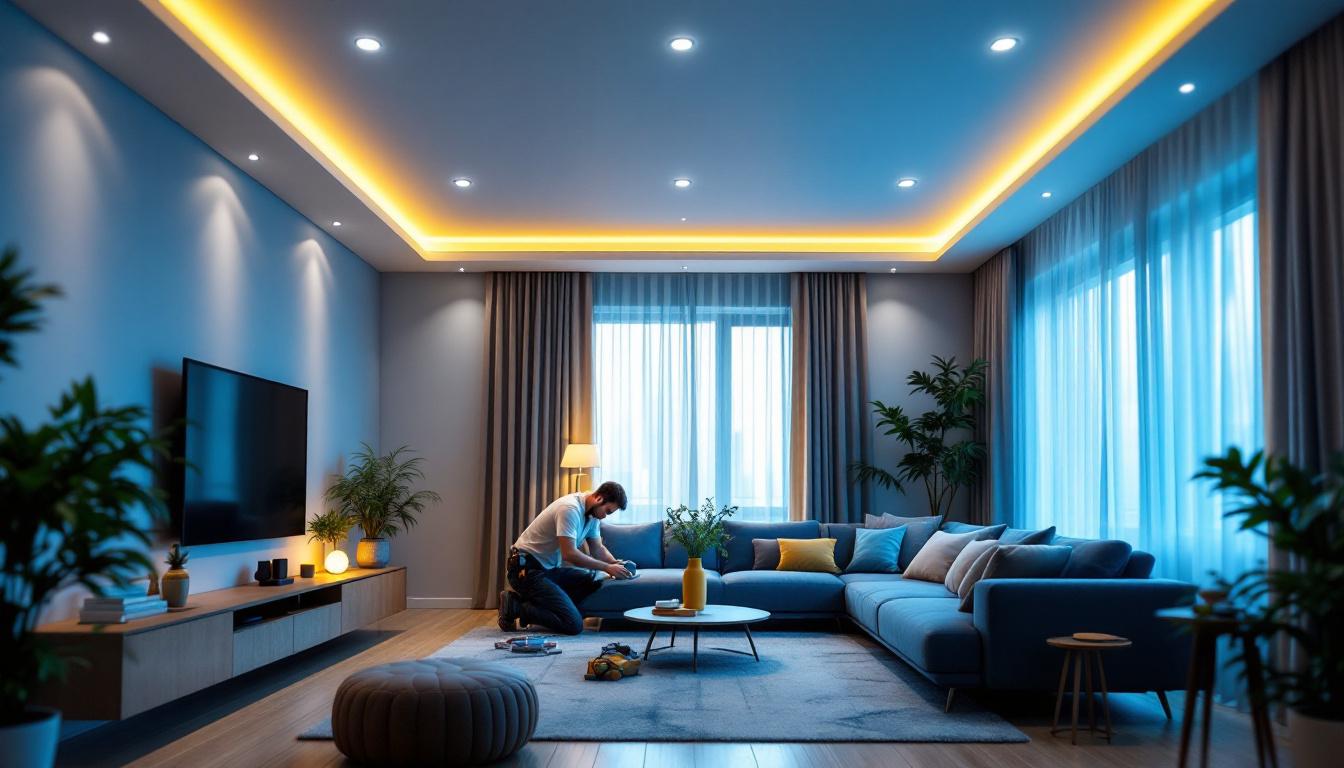
In residential settings, recessed LED lights are favored for their unobtrusive design and ability to blend seamlessly with modern interiors. They are commonly installed in kitchens, living rooms, hallways, and bathrooms to provide clean, even lighting without cluttering ceiling space.
Lighting contractors can also leverage recessed LEDs for creating layered lighting effects, combining ambient light with task lighting over workspaces and accent lighting to highlight artwork or architectural details. This approach elevates the home’s ambiance and functionality, often leading to higher client satisfaction and referrals.
Commercial and Office Spaces
Commercial environments benefit greatly from the energy efficiency and long lifespan of recessed LED lights. Offices, retail stores, hotels, and healthcare facilities often require consistent, high-quality lighting that reduces operational costs and supports productivity.
Lighting contractors working on commercial projects can recommend recessed LED solutions that meet stringent energy codes and certifications such as ENERGY STAR or DLC (DesignLights Consortium). These certifications not only assure quality but can also qualify clients for rebates and incentives, making the investment more attractive.
Hospitality and Entertainment Venues
The hospitality industry demands lighting that enhances atmosphere while being flexible enough to adapt to different moods and events. Recessed LED lights with dimming and color temperature controls allow lighting contractors to design dynamic environments in restaurants, bars, and theaters.
Moreover, the low heat emission of LEDs contributes to guest comfort and reduces the burden on HVAC systems, an often-overlooked benefit in densely occupied venues.
Challenges and Solutions in Recessed LED Lighting Installations
Addressing Heat Dissipation
Though LEDs generate less heat than traditional bulbs, recessed fixtures installed in enclosed ceiling spaces can still face heat buildup, potentially affecting performance and lifespan. Lighting contractors must ensure proper fixture selection with adequate heat sinks and ventilation.
In some cases, installing LED-specific housings designed for insulation contact (IC-rated) can prevent overheating and comply with building codes, ensuring safe and reliable operation.
Ensuring Proper Ceiling Compatibility
Not all ceiling types are equally suited for recessed lighting. Contractors must evaluate ceiling thickness, material, and accessibility before installation. For example, drop ceilings may require different mounting hardware than drywall ceilings.
Pre-planning and coordination with other trades, such as HVAC and fire safety, are essential to avoid conflicts with ductwork or sprinkler systems, which can complicate recessed light placement.
Managing Client Expectations
Lighting contractors often encounter clients unfamiliar with LED technology or recessed lighting benefits. Clear communication about the advantages, limitations, and maintenance requirements of recessed LED lights helps set realistic expectations and fosters trust.
Providing visual aids, such as lighting simulations or sample installations, can assist clients in making informed decisions and appreciating the value of the investment.
Future Trends Impacting Lighting Contractors
Smart Lighting Integration
The integration of recessed LED lights with smart home and building automation systems is an emerging trend that lighting contractors must embrace. Smart controls enable features like voice activation, scene setting, and energy monitoring, enhancing user convenience and efficiency.
Contractors who develop expertise in smart lighting technologies will be better positioned to offer cutting-edge solutions that meet evolving client demands and differentiate their services.
Advancements in LED Technology
Ongoing improvements in LED chip efficiency, color rendering, and miniaturization continue to expand the possibilities for recessed lighting. Innovations such as tunable white LEDs allow dynamic adjustment of color temperature throughout the day, supporting circadian rhythms and occupant well-being.
Staying informed about these advancements enables lighting contractors to recommend the latest products that maximize performance and client satisfaction.
Sustainability and Regulatory Compliance
As sustainability becomes a priority across industries, lighting contractors must navigate increasingly stringent energy codes and environmental standards. Recessed LED lights inherently support these goals through reduced energy consumption and longer service life.
Contractors who proactively adopt sustainable practices and specify compliant products can help clients achieve green building certifications such as LEED, enhancing project value and marketability.
Conclusion
Recessed ceiling LED lights have undeniably transformed the lighting landscape, offering lighting contractors a powerful tool to deliver superior, energy-efficient, and aesthetically pleasing solutions. Their benefits span from installation efficiency and design flexibility to long-term cost savings and sustainability.
By mastering the technical aspects, understanding diverse applications, and staying abreast of emerging trends, lighting contractors can leverage recessed LED lighting to elevate their service offerings, satisfy clients, and secure a competitive edge in the evolving marketplace.
Illuminate Your Projects with LumenWholesale
Ready to harness the transformative power of recessed ceiling LED lights for your next project? At LumenWholesale, we provide lighting contractors with the high-quality, spec-grade lighting solutions you need at unbeatable wholesale prices. Say goodbye to local distributor markups and hello to our extensive selection that meets the highest industry standards. With free shipping on bulk orders, you can trust that you’re getting premium lighting at the best value — no hidden fees, no compromises. Elevate your service offerings and impress your clients with the perfect blend of quality, affordability, and convenience. Wholesale Lighting at the Best Value is just a click away.