The Growing Popularity of Recessed Lighting in Kitchens
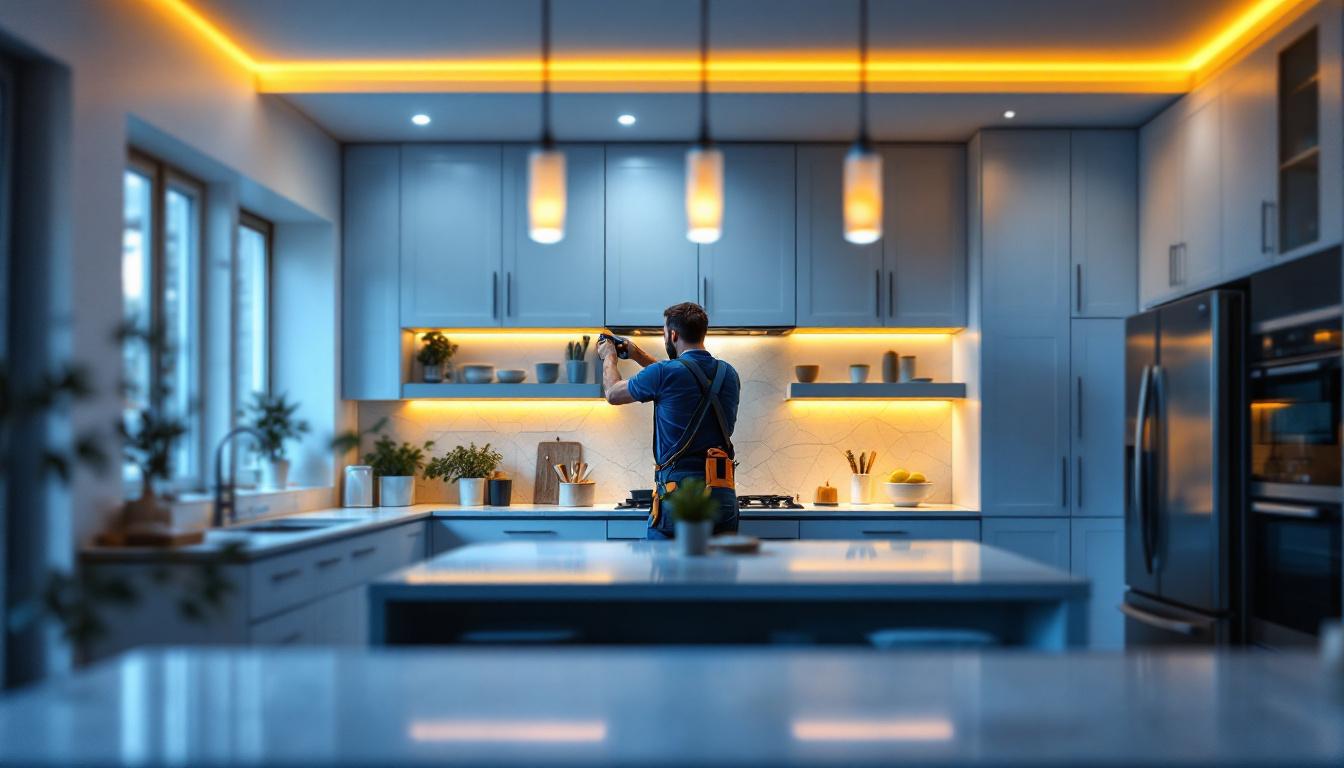
Recessed lighting has become a staple in modern kitchen design, favored for its sleek appearance and ability to provide even, unobtrusive illumination. For lighting contractors, understanding the nuances of recessed lighting in kitchens is essential—not only to meet client expectations but also to optimize project profitability.
Kitchens are often the heart of the home, where functionality meets style. Homeowners increasingly demand lighting solutions that enhance both aesthetics and usability. Recessed lights, sometimes called can lights or downlights, offer a clean ceiling line and can be strategically placed to highlight workspaces, accentuate architectural features, or create ambient lighting. The versatility of these fixtures allows for various configurations, enabling homeowners to customize their lighting scheme according to their specific needs and preferences. For instance, dimmable recessed lights can provide bright task lighting during meal prep and a softer glow for evening gatherings, making them a practical choice for multifaceted kitchen environments.
From a contractor’s perspective, the surge in recessed lighting installations presents both opportunities and challenges. While these fixtures can command higher installation fees due to their complexity, they also require careful planning and execution to avoid costly mistakes that can erode profit margins. Proper placement is crucial; contractors must consider ceiling height, the layout of the kitchen, and the types of activities that will take place in the space. Additionally, choosing the right bulb type—whether LED, halogen, or incandescent—can significantly impact energy efficiency and the overall ambiance of the kitchen. As homeowners become more eco-conscious, the demand for energy-efficient solutions like LED recessed lights is on the rise, prompting contractors to stay informed about the latest advancements in lighting technology.
Moreover, the integration of smart home technology into recessed lighting systems is gaining traction. Homeowners are increasingly seeking the ability to control their lighting remotely or through voice-activated devices. This trend not only enhances convenience but also allows for greater customization of lighting scenes tailored to different times of day or occasions. For lighting contractors, this means expanding their skill set to include smart home installations, which can lead to additional revenue streams. As the market evolves, staying ahead of these trends will be vital for contractors looking to thrive in the competitive landscape of kitchen renovations.
Key Considerations for Lighting Contractors When Installing Recessed Lights in Kitchens
Design and Layout Planning
One of the most critical steps in recessed lighting installation is the design phase. Lighting contractors must work closely with clients or interior designers to develop a layout that balances functionality and aesthetics. The kitchen’s size, ceiling height, and existing architectural elements all influence the number and placement of recessed fixtures.
Improper spacing or placement can result in uneven lighting, shadows, or glare—issues that often lead to callbacks and dissatisfied clients. Contractors who invest time in thorough planning can reduce rework and enhance customer satisfaction, which ultimately benefits their bottom line. Additionally, it’s essential to consider the kitchen’s workflow and how lighting can support various tasks, from meal preparation to entertaining. By strategically placing fixtures over key areas like the countertop, island, and dining space, contractors can create a well-lit environment that enhances both functionality and ambiance.
Fixture Selection and Energy Efficiency
Choosing the right recessed lighting fixtures is vital. LED recessed lights have become the industry standard due to their energy efficiency, longevity, and lower heat output compared to traditional incandescent or halogen bulbs. Many homeowners prioritize energy savings and sustainability, making LED options a selling point.
For contractors, specifying high-quality LED fixtures can reduce maintenance calls and improve client trust. Additionally, energy-efficient lighting solutions can qualify for rebates or incentives in some regions, adding value to the installation and potentially increasing project scope. Beyond energy efficiency, it’s also important to consider the color temperature of the LEDs. Warmer tones can create a cozy atmosphere, while cooler tones may be better suited for task-oriented areas. By offering a variety of options, contractors can cater to individual client preferences and enhance the overall design of the kitchen.
Electrical and Safety Compliance
Recessed lighting installations in kitchens must adhere to strict electrical codes and safety standards. Kitchens are classified as damp or wet locations depending on proximity to sinks and cooking areas, which influences the type of fixtures and wiring methods used. Contractors must ensure fixtures are rated for kitchen environments to prevent hazards.
Moreover, proper insulation contact (IC) rated fixtures are necessary when recessed lights are installed near or in ceiling insulation. Failure to comply with these requirements can lead to fire risks or code violations, resulting in costly repairs and liability issues. It’s also crucial for contractors to stay updated on local codes and regulations, as these can vary significantly by location. Regular training and certification can help ensure compliance and foster a culture of safety on the job site. Furthermore, providing clients with detailed documentation of compliance can enhance their confidence in the contractor’s professionalism and commitment to safety.
Impact on Project Costs and Profit Margins
Material and Labor Costs
Recessed lighting installations typically involve higher material costs than standard surface-mounted fixtures. The price of quality LED recessed kits, trims, and housings can add up, especially in larger kitchens requiring multiple fixtures. Lighting contractors must factor these expenses into their bids accurately to avoid underpricing. Furthermore, the choice of materials can significantly influence the overall budget; for instance, opting for high-efficiency LED options may incur a higher upfront cost but can lead to substantial savings on energy bills over time, making them a smart long-term investment.
Labor intensity is another consideration. Installing recessed lights often requires cutting precise holes in ceilings, running wiring through tight spaces, and sometimes working around existing ductwork or plumbing. These tasks demand skilled labor and can extend project timelines, increasing labor costs. Moreover, the need for specialized tools and safety equipment can further escalate expenses. Contractors must ensure that their teams are well-trained and equipped to handle these complexities, as this not only affects the cost but also the quality of the installation, which can influence customer satisfaction and future referrals.
Reducing Waste and Avoiding Rework
One way contractors can protect their margins is through meticulous installation practices that minimize waste and prevent rework. For instance, using templates or laser guides can ensure accurate hole placement, reducing the risk of ceiling damage or misaligned fixtures. Additionally, incorporating advanced planning software can help contractors visualize the layout before any physical work begins, allowing for adjustments that can save materials and time.
Additionally, pre-installation walkthroughs and coordination with other trades (such as HVAC and plumbing) can prevent conflicts that might necessitate fixture relocation or additional wiring. Efficient project management not only saves time but also preserves profitability. By fostering strong communication channels among all parties involved, contractors can streamline processes and ensure that everyone is on the same page, which can significantly reduce the likelihood of costly mistakes and delays.
Value-Added Services and Upselling Opportunities
Recessed lighting installations open doors for contractors to offer value-added services, such as integrating smart lighting controls, dimmers, or color temperature tunability. These enhancements appeal to tech-savvy homeowners and can justify premium pricing. The trend toward smart home technology is growing, and homeowners are increasingly looking for ways to enhance their living spaces with customizable lighting solutions that can adapt to different moods and activities.
Contractors who educate clients on the benefits of advanced lighting controls and energy management can increase average project values. Moreover, offering maintenance packages or periodic lighting audits can create recurring revenue streams beyond the initial installation. By positioning themselves as experts in the latest lighting technologies, contractors can build lasting relationships with clients, ensuring they return for future projects and upgrades. This not only enhances customer loyalty but also establishes a reputation for quality and innovation in the competitive lighting market.
Marketing and Client Communication Strategies
Showcasing Expertise in Recessed Lighting
To capitalize on the demand for recessed kitchen lighting, contractors should position themselves as experts in this niche. Demonstrating knowledge through portfolios, case studies, and testimonials helps build trust with prospective clients.
Investing in professional photography of completed projects that highlight the quality and design of recessed lighting can be a powerful marketing tool. Additionally, participating in local home shows or collaborating with kitchen designers can expand referral networks.
Transparent Pricing and Education
Clients often have limited understanding of recessed lighting complexities and may be surprised by costs. Transparent pricing that breaks down material, labor, and additional services fosters trust and reduces objections.
Providing educational content—such as brochures or blog posts explaining the benefits of recessed lighting, energy savings, and design considerations—can empower clients to make informed decisions. Well-informed clients are more likely to approve higher-value installations that improve contractor profitability.
Future Trends and Their Potential Impact on Contractors
Advancements in Lighting Technology
Emerging technologies such as tunable white LEDs, human-centric lighting, and integration with home automation systems are reshaping kitchen lighting. Contractors who stay abreast of these innovations can differentiate themselves and command higher fees.
For example, tunable white lighting allows users to adjust color temperature throughout the day, enhancing comfort and productivity in kitchen spaces. Offering such cutting-edge solutions requires ongoing training but can significantly boost a contractor’s reputation and revenue.
Environmental Regulations and Sustainability
Increasingly stringent energy codes and sustainability standards are influencing lighting choices. Lighting contractors must be prepared to recommend solutions that comply with evolving regulations while meeting client desires for eco-friendly options.
Adopting sustainable practices, such as recycling old fixtures and promoting energy-efficient products, not only aligns with regulatory requirements but also appeals to environmentally conscious consumers. This approach can enhance brand image and open access to new market segments.
Conclusion: Maximizing Profitability Through Expertise and Strategic Planning
Recessed lighting in kitchens presents a significant opportunity for lighting contractors to enhance their service offerings and increase profitability. Success in this area depends on a combination of technical expertise, meticulous planning, and effective client communication.
By understanding the design complexities, adhering to safety standards, managing costs, and embracing emerging trends, contractors can deliver high-quality installations that satisfy clients and improve their bottom line. Moreover, leveraging marketing strategies that showcase expertise and educate clients can create a competitive advantage in a growing market segment.
Ultimately, lighting contractors who invest in mastering recessed kitchen lighting will position themselves for sustained growth and profitability in an evolving industry landscape.
Illuminate Your Projects with LumenWholesale
Ready to elevate your kitchen lighting installations and boost your bottom line? At LumenWholesale, we provide lighting contractors with the high-quality, spec-grade recessed lighting products you need at unbeatable wholesale prices. Say goodbye to local distributor markups and hello to a vast selection of reliable, high-performance lighting that meets the highest industry standards. Plus, with free shipping on bulk orders, you can stock up on premium lighting solutions without worrying about hidden fees or compromises. Don’t miss out on the perfect blend of quality, affordability, and convenience. Take advantage of the best value in wholesale lighting today by visiting Wholesale Lighting at the Best Value and start transforming your kitchen lighting projects now.