Why Real Work LED Lights Are Changing the Game
Lighting contractors have long faced challenges balancing efficiency, durability, and aesthetics. Traditional lighting solutions often fall short—either burning out quickly, consuming excessive energy, or requiring frequent maintenance. Real work LED lights have emerged as a transformative solution, addressing these pain points head-on.
Unlike conventional LEDs marketed primarily for residential or decorative use, real work LED lights are engineered specifically for demanding commercial, industrial, and outdoor environments. They withstand harsh conditions, deliver consistent brightness, and integrate seamlessly with modern control systems. This shift is not just about swapping bulbs; it’s about rethinking lighting design and installation from the ground up.
One of the standout features of real work LED lights is their impressive energy efficiency. These lights can consume up to 80% less energy than traditional incandescent or fluorescent lighting, significantly reducing operational costs for businesses. This efficiency not only lowers electricity bills but also contributes to a smaller carbon footprint, aligning with the growing emphasis on sustainability in various industries. Additionally, many of these LED solutions come with a long lifespan, often exceeding 50,000 hours, which means fewer replacements and less waste over time.
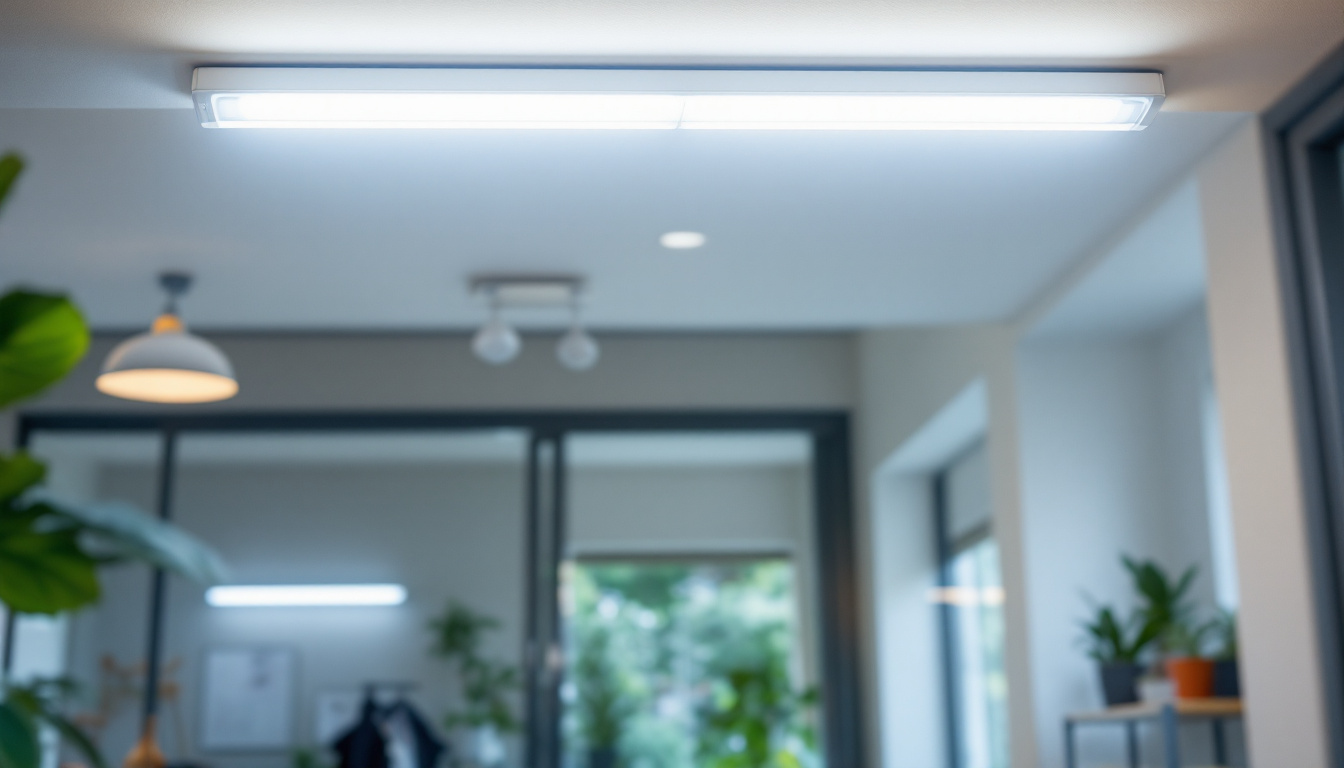
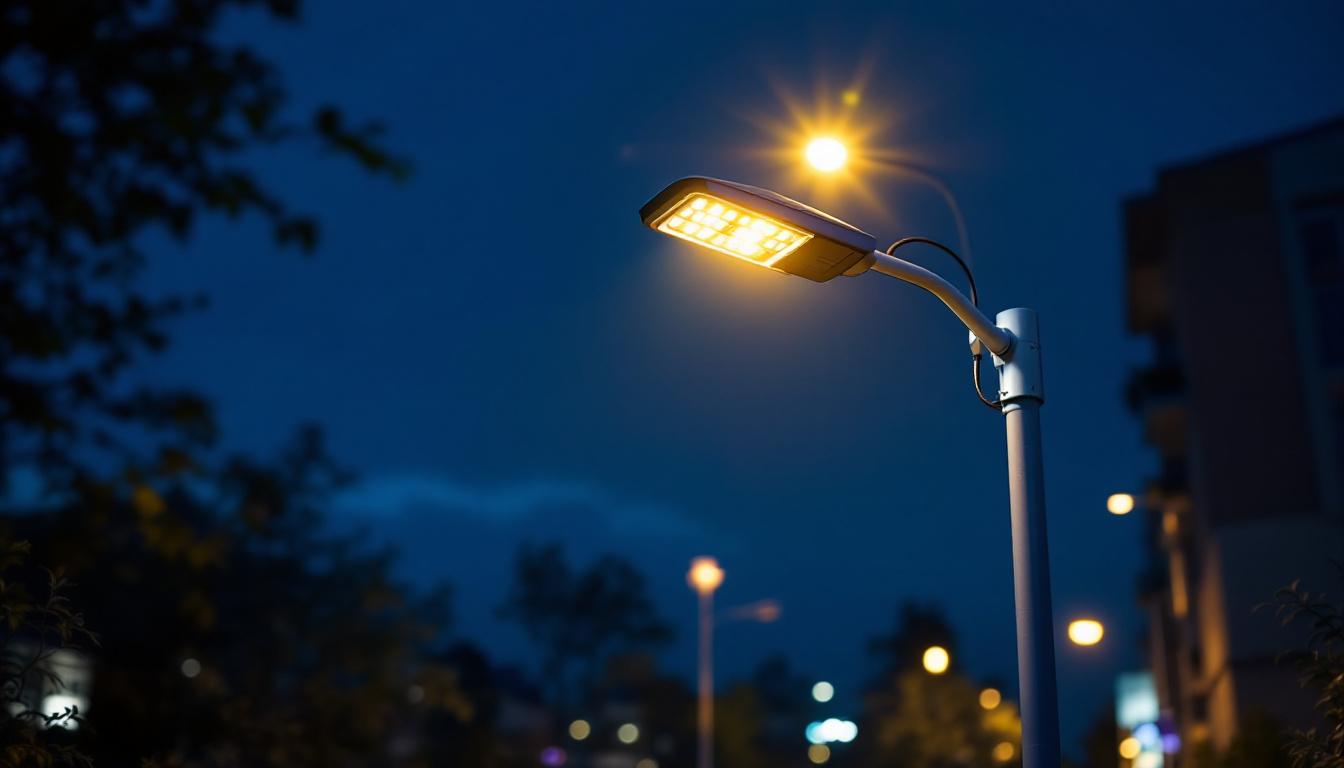
Moreover, the versatility of real work LED lights is noteworthy. They come in a variety of forms, including high bay lights for warehouses, floodlights for outdoor spaces, and task lighting for intricate work areas. This adaptability allows contractors to tailor lighting solutions to specific applications, ensuring optimal performance and safety. Furthermore, advancements in smart technology have enabled these lights to be controlled remotely, allowing for real-time adjustments based on occupancy or ambient light levels. This not only enhances user convenience but also maximizes energy savings, making real work LED lights a smart choice for the future of lighting design.
Durability and Performance: What Sets Real Work LEDs Apart
Built for Harsh Environments
One of the most significant advantages of real work LED lights is their rugged construction. These fixtures are designed to endure extreme temperatures, moisture, dust, and mechanical impacts. For lighting contractors working on warehouses, manufacturing plants, or outdoor sites, this means fewer callbacks and less downtime.
Many real work LEDs meet or exceed industry standards such as IP65 or IP67 ratings, ensuring protection against water jets and dust ingress. This level of durability is crucial when installing lights in environments where traditional fixtures would fail prematurely. Additionally, the materials used in the construction of these LEDs often include high-grade aluminum and impact-resistant polycarbonate, which not only enhance their longevity but also contribute to better heat dissipation. This means that even in high-heat environments, the LEDs can operate efficiently without the risk of overheating, thus extending their operational life significantly.
Consistent Light Quality and Efficiency
Real work LEDs deliver consistent lumen output and color temperature over their lifespan. This consistency is vital for projects requiring uniform illumination, such as retail spaces or assembly lines. Unlike cheaper LEDs that dim or shift color quickly, these fixtures maintain their performance, reducing the need for frequent replacements.
Energy efficiency is another key factor. Real work LEDs consume significantly less power than traditional HID or fluorescent lamps, translating to substantial cost savings on electricity bills. For contractors advising clients on long-term operational costs, this is a compelling selling point. Furthermore, many real work LEDs are designed with advanced driver technology that optimizes energy use, allowing them to operate at lower wattages while still delivering high-quality light output. This not only benefits the environment by reducing carbon footprints but also aligns with the growing trend of sustainability in construction and facility management. As businesses increasingly prioritize eco-friendly solutions, the adoption of real work LEDs becomes an essential consideration for future-proofing lighting strategies.
Installation Advantages That Save Time and Money
Modular and Flexible Designs
The design of real work LED fixtures often incorporates modular components, making installation more straightforward and adaptable. Contractors can customize configurations to fit unique spaces without extensive rewiring or structural modifications. This flexibility reduces labor hours and material waste.
Furthermore, many of these fixtures include plug-and-play connectors and mounting systems that simplify the process. This means faster turnaround times on projects and less room for installation errors. The modular nature of these designs also allows for easy upgrades or replacements in the future, ensuring that the lighting system can evolve alongside the needs of the space. For instance, if a business expands or reconfigures its layout, the existing LED fixtures can often be reconfigured or supplemented with minimal disruption, saving both time and resources.
Integration with Smart Controls
Modern lighting installations increasingly demand integration with building automation systems. Real work LED lights often come equipped with compatibility for dimming controls, occupancy sensors, and daylight harvesting. This allows contractors to offer clients intelligent lighting solutions that optimize energy use and enhance user comfort.
By installing LEDs that support these features, contractors position themselves as forward-thinking professionals capable of delivering future-proof lighting systems. Moreover, the integration of smart controls not only improves energy efficiency but also contributes to a more sustainable environment. For example, occupancy sensors can significantly reduce energy consumption in unoccupied areas, while daylight harvesting systems adjust artificial lighting based on the amount of natural light available, creating a more harmonious and productive atmosphere. As businesses increasingly prioritize sustainability, offering these advanced features can be a key differentiator in a competitive market.
Design Opportunities with Real Work LEDs
Enhanced Aesthetic and Functional Options
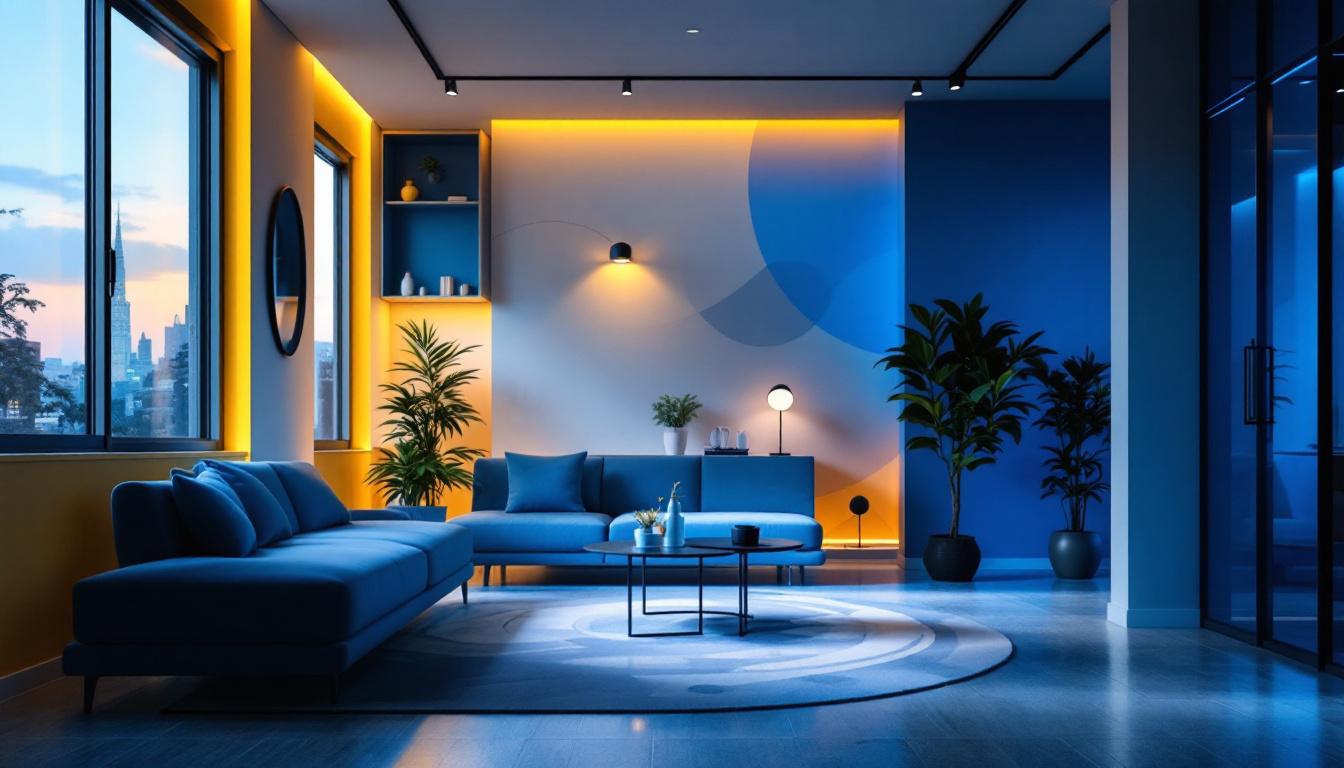
Real work LED technology opens new doors for lighting designers. With a wide range of color temperatures and beam angles available, contractors can tailor lighting to specific tasks or moods. For example, cooler temperatures enhance focus in office environments, while warmer tones create inviting atmospheres in hospitality settings. This versatility allows designers to craft unique experiences that resonate with the intended audience, whether it’s a bustling café or a serene spa.
Additionally, the compact size of LEDs allows for sleek, low-profile fixtures that blend seamlessly into architectural elements. This integration elevates the overall design without compromising functionality. Designers can now incorporate lighting as a key feature of the space, using it to highlight artwork, architectural details, or even landscaping. The ability to conceal light sources while still achieving impactful illumination means that the focus remains on the design itself, rather than the fixtures.
Dynamic Lighting for Evolving Spaces
Spaces today are more dynamic than ever, often serving multiple purposes throughout the day. Real work LEDs enable lighting schemes that adapt accordingly. Adjustable fixtures and color-tunable LEDs allow contractors to create scenes that shift from bright, task-oriented light to softer, ambient settings with ease. This capability is particularly beneficial in multipurpose venues, such as conference rooms that transition from presentations to social gatherings, ensuring that the lighting complements each activity seamlessly.
This adaptability not only enhances user experience but also extends the lifespan of lighting installations by reducing overuse of maximum brightness levels. Moreover, the integration of smart technology with LED systems allows for automated adjustments based on occupancy or natural light levels, further optimizing energy efficiency. As a result, spaces can maintain a comfortable atmosphere while minimizing energy consumption, aligning with the growing trend towards sustainability in design. This forward-thinking approach not only meets the demands of modern users but also contributes positively to the environment.
Economic and Environmental Impact
Lower Total Cost of Ownership
While the upfront cost of real work LED fixtures may be higher than some traditional options, the total cost of ownership tells a different story. Reduced energy consumption, lower maintenance needs, and longer lifespan combine to deliver significant savings over time.
Contractors can highlight these benefits to clients, helping them understand the long-term value rather than focusing solely on initial expenses. This approach often results in higher client satisfaction and repeat business.
Supporting Sustainability Goals
Many organizations now prioritize sustainability in their operations. Real work LED lighting aligns perfectly with these goals. By reducing energy use and minimizing waste through durable design, these fixtures contribute to lower carbon footprints.
Lighting contractors who emphasize the environmental benefits of real work LEDs can differentiate themselves in a competitive market, appealing to clients with green building certifications or corporate social responsibility commitments.
Challenges and Considerations for Contractors
Ensuring Proper Specification
Not all LEDs are created equal, and selecting the right real work LED for a specific application requires careful evaluation. Contractors must consider factors such as lumen output, beam angle, color rendering index (CRI), and compatibility with existing infrastructure.
Working closely with manufacturers and suppliers ensures that the chosen fixtures meet project requirements and client expectations. Proper specification avoids costly mistakes and enhances the overall success of the installation.
Training and Staying Updated
The rapid evolution of LED technology means contractors need ongoing education to stay current. Understanding new products, control systems, and installation techniques is essential to maximize the benefits of real work LEDs.
Investing in training programs and industry events helps contractors maintain a competitive edge and deliver cutting-edge solutions to their clients.
Looking Ahead: The Future of Lighting Installation
Real work LED lights are more than just a trend-they represent a fundamental shift in how lighting is designed, installed, and managed. As technology advances, expect even greater integration with IoT devices, enhanced energy harvesting, and smarter adaptive controls.
For lighting contractors, embracing real work LEDs means positioning themselves at the forefront of innovation. It’s an opportunity to provide superior value, improve client satisfaction, and contribute to more sustainable built environments.
Illuminate Your Projects with LumenWholesale
Ready to harness the power of real work LED lights and lead the future of lighting design and installation? LumenWholesale is here to support your journey. Our commitment to providing contractors with superior, spec-grade lighting products at unbeatable wholesale prices ensures that you can tackle any project with confidence. With our extensive selection that meets the highest industry standards, you’ll find reliable, high-performance lighting that’s perfect for your needs. Plus, with the convenience of free shipping on bulk purchases, you can secure premium lighting at the best value — without hidden fees or compromises. Elevate your lighting game and delight your clients by choosing Wholesale Lighting at the Best Value with LumenWholesale.