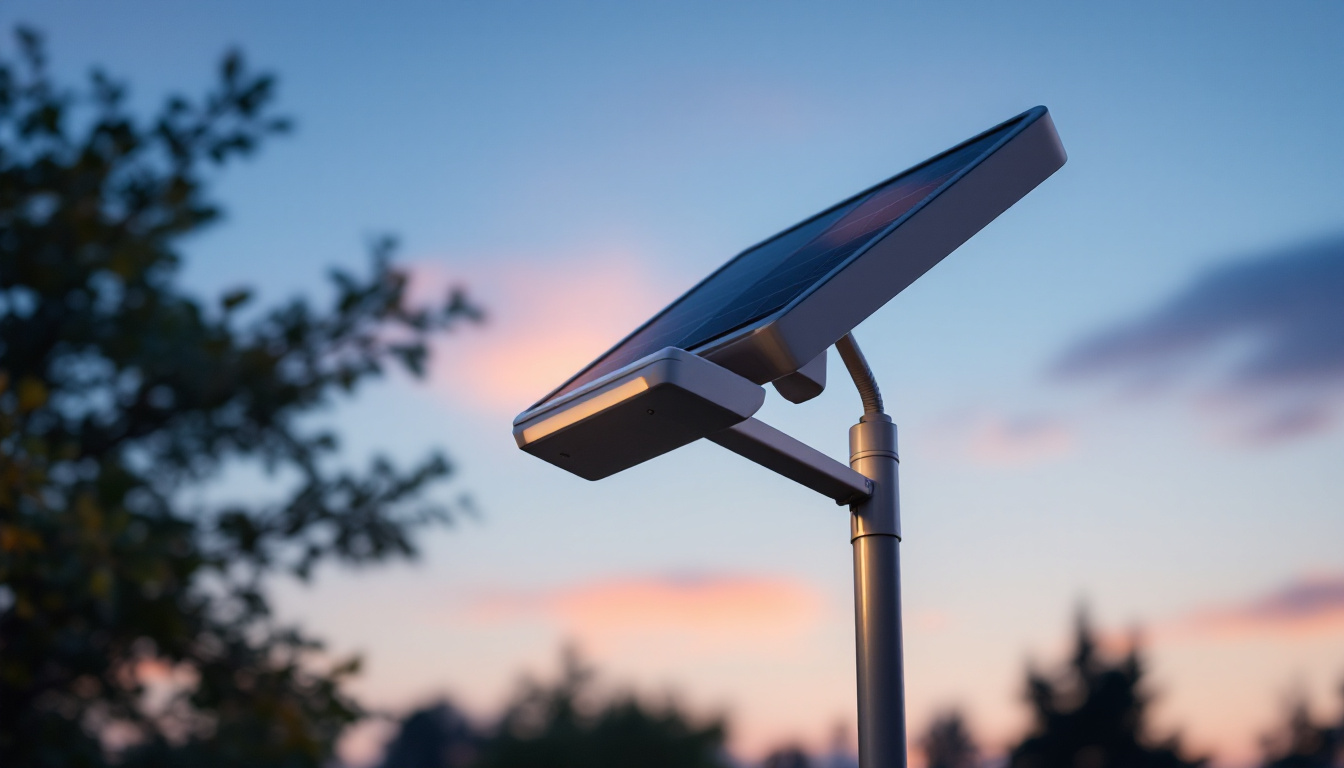
Introduction to Solar Pier Lighting
Solar pier lights have become an increasingly popular choice for lighting contractors due to their energy efficiency, ease of installation, and environmental benefits. These lights are designed to illuminate docks, piers, and waterfront areas using solar power, making them ideal for locations where running electrical wiring is impractical or cost-prohibitive. However, despite their advantages, many lighting contractors encounter challenges when specifying, installing, and maintaining solar pier lights. Understanding these common mistakes can significantly improve project outcomes, client satisfaction, and long-term system performance.
For contractors specializing in outdoor and waterfront lighting, mastering the nuances of solar pier lights is essential. This article explores the most frequent errors made during the installation and maintenance process and offers practical insights to avoid them.
One of the key advantages of solar pier lighting is its ability to harness renewable energy, reducing reliance on fossil fuels and lowering carbon footprints. These lights typically come equipped with solar panels that convert sunlight into electricity, which is stored in batteries for use during nighttime hours. This not only promotes sustainability but also leads to lower operational costs over time. Moreover, advancements in solar technology have led to brighter, longer-lasting LED lights that can illuminate larger areas more effectively than older models. As a result, contractors can offer their clients a reliable and eco-friendly lighting solution that enhances safety and aesthetics around waterfront properties.
However, the effectiveness of solar pier lights can be compromised by improper installation and maintenance practices. For instance, failing to position solar panels in optimal sunlight exposure can significantly reduce their efficiency, leading to dim lighting or even complete failure during nighttime hours. Additionally, neglecting to regularly clean the solar panels and check battery health can result in diminished performance over time. By understanding these critical factors and implementing best practices, contractors can ensure that solar pier lighting systems operate at peak efficiency, providing reliable illumination for years to come.
Misjudging Site Conditions and Solar Exposure
Overlooking Sunlight Availability
One of the most critical factors in the successful operation of solar pier lights is adequate sunlight exposure. Many contractors underestimate the importance of site-specific solar conditions, leading to underperformance or complete failure of the lighting system. Solar panels require direct sunlight for several hours each day to fully charge batteries and power the lights overnight.
Common mistakes include installing lights in shaded areas caused by trees, buildings, or other structures, or failing to account for seasonal changes in sun angle. Even partial shading can drastically reduce energy harvest, resulting in dim lighting or lights that do not operate throughout the night. This not only affects the functionality of the lights but can also lead to increased maintenance costs and decreased satisfaction among users who expect reliable illumination.
Moreover, the orientation of solar panels plays a pivotal role in their efficiency. Panels that are not aligned correctly with the sun’s path may miss out on optimal light exposure, which can lead to significant energy losses. It is essential to consider the geographical location and the specific characteristics of the installation site, including the potential for future growth of nearby vegetation, which could further obstruct sunlight access over time.
Conducting Inadequate Site Assessments
Proper site assessment involves evaluating not only sunlight availability but also local weather patterns, potential obstructions, and reflective surfaces that might affect solar panel efficiency. Contractors sometimes rely on assumptions or generic guidelines rather than conducting thorough, on-site evaluations. Utilizing tools like solar pathfinders or smartphone apps designed to assess solar potential can provide accurate data to inform installation decisions.
In addition to sunlight and weather considerations, it is crucial to assess the soil conditions and structural integrity of the installation site. Factors such as soil type, drainage capabilities, and the presence of underground utilities can significantly impact the installation process and the long-term stability of the solar pier lights. A comprehensive site assessment should also include an analysis of local wildlife, as certain species may pose risks to solar installations, either through physical interference or by nesting in or around the equipment. By taking a holistic approach to site evaluation, contractors can ensure a more successful and sustainable installation that meets both performance expectations and environmental considerations.
Improper Product Selection and Specification
Choosing Incompatible or Low-Quality Components
Solar pier lights come in a variety of designs, power ratings, and battery capacities. Selecting the wrong product for the specific application is a frequent error. For example, a low-capacity battery may not sustain lighting through long, overcast nights, or a solar panel with insufficient wattage may fail to recharge adequately. This can lead to frustrating situations where the lights flicker or fail to turn on when needed most, especially during crucial nighttime hours when visibility is essential for safety.
Contractors should prioritize products with proven durability in marine environments, including corrosion-resistant materials and sealed components to withstand moisture and salt exposure. Additionally, selecting LED fixtures with appropriate lumen output and beam angles ensures the lighting meets both safety and aesthetic requirements. It’s also beneficial to consider the color temperature of the LEDs, as warmer tones can create a more inviting atmosphere while cooler tones enhance visibility. Understanding the specific needs of the location—such as foot traffic patterns and potential obstructions—can further inform the selection process, ensuring that the lighting not only functions well but also enhances the overall environment.
Ignoring System Integration and Compatibility
Another common mistake is neglecting to verify that all system components—solar panels, batteries, charge controllers, and fixtures—are compatible. Mismatched components can lead to inefficiencies, increased maintenance, or premature system failure. For instance, using a charge controller that does not support the battery type can cause overcharging or undercharging, reducing battery lifespan. This oversight can result in costly repairs or replacements, ultimately negating any initial savings from choosing lower-quality components.
Furthermore, it’s essential to consider the entire system’s energy requirements when designing a solar lighting solution. This includes calculating the total wattage needed for all fixtures and ensuring that the solar panel can generate enough energy to meet these demands, even during less sunny days. A comprehensive understanding of the local climate and seasonal variations can guide the selection of components that will perform reliably year-round. Additionally, integrating smart technology, such as motion sensors or timers, can enhance energy efficiency and prolong the lifespan of the system while providing added convenience and security.
Poor Installation Practices
Incorrect Mounting and Orientation of Solar Panels
The orientation and tilt angle of solar panels significantly impact energy capture. Panels should generally face true south (in the Northern Hemisphere) and be tilted at an angle roughly equal to the latitude of the location for optimal year-round performance. Deviations from these guidelines can reduce solar gain by up to 30% or more.
Improper mounting can also expose panels to physical damage from wind, waves, or debris. Secure, corrosion-resistant mounting hardware and consideration of local environmental forces are essential to ensure longevity.
Neglecting Wiring and Electrical Connections
Waterproofing and secure electrical connections are paramount in marine settings. Contractors sometimes overlook the importance of using marine-grade wiring and connectors, leading to corrosion, shorts, or system failure. All wiring should be properly sealed and routed to avoid exposure to water or mechanical damage.
Inadequate Maintenance Planning
Failing to Educate Clients on Maintenance Requirements
Solar pier lights require periodic maintenance to sustain performance, including cleaning solar panels, checking battery health, and inspecting fixtures for damage. Contractors often neglect to provide clients with maintenance guidelines or schedules, resulting in neglected systems and reduced lifespan.
Educating clients about the importance of regular cleaning—especially in environments prone to salt spray, bird droppings, or dust accumulation—can prevent significant performance degradation. Additionally, recommending routine battery replacement intervals based on manufacturer specifications helps maintain reliable operation.
Overlooking Remote Monitoring and Diagnostics
Advanced solar lighting systems may include remote monitoring capabilities that allow contractors and clients to track performance metrics and receive alerts about system faults. Failing to incorporate or recommend such technologies can lead to delayed issue detection and costly repairs.
Misunderstanding Regulatory and Safety Requirements
Non-Compliance with Local Codes and Standards
Lighting contractors sometimes overlook local regulations governing waterfront lighting installations, including requirements related to light pollution, navigational safety, and environmental protection. Non-compliance can result in fines, project delays, or mandated removal of installed systems.
Ensuring familiarity with relevant codes such as the International Dark-Sky Association guidelines or local maritime lighting standards helps contractors design compliant systems that balance illumination needs with environmental stewardship.
Ignoring Safety Considerations for Installation and Operation
Working on piers and waterfronts presents unique safety challenges, including fall hazards, electrical risks, and exposure to harsh weather. Contractors who fail to implement proper safety protocols during installation or maintenance jeopardize both personnel and clients.
Conclusion: Best Practices for Successful Solar Pier Lighting Projects
Solar pier lighting offers a sustainable and efficient solution for illuminating waterfront areas, but success depends on careful planning, product selection, installation, and maintenance. Lighting contractors can avoid common pitfalls by conducting thorough site assessments, choosing high-quality and compatible components, adhering to proper installation techniques, and educating clients on maintenance and compliance.
By addressing these common mistakes, contractors not only enhance system reliability and client satisfaction but also contribute to the broader adoption of renewable energy solutions in outdoor lighting applications. Staying informed about technological advancements and evolving standards ensures that solar pier lighting projects remain at the forefront of innovation and environmental responsibility.
Illuminate Your Projects with LumenWholesale
Ready to elevate your solar pier lighting installations with products that promise both sustainability and performance? Look no further than LumenWholesale. Our commitment to providing contractors with superior, spec-grade lighting solutions at wholesale prices means you can confidently tackle any project, knowing you’re backed by quality and value. Say goodbye to middleman markups and hello to a vast selection of industry-standard lighting that shines in reliability and efficiency. Plus, with free shipping on bulk orders, you can stock up on premium lighting without the stress of hidden costs. Make the smart choice for your next waterfront lighting project. Visit LumenWholesale today for Wholesale Lighting at the Best Value, and experience the difference that quality and affordability make.