Understanding the Rise of Grow Lighting in Modern Agriculture
The agricultural landscape is evolving rapidly, driven by the need for sustainable food production and urban farming innovations. Grow lighting technology, particularly LED grow lamps, has become a cornerstone in this transformation. For lighting contractors, this shift represents both an opportunity and a challenge. Understanding the nuances of grow lamps like those offered by Philips is essential for delivering effective solutions that meet the demands of modern growers.
Indoor farming, vertical agriculture, and controlled environment agriculture (CEA) rely heavily on artificial lighting to optimize plant growth. Unlike traditional lighting, grow lamps are engineered to provide specific light spectra that promote photosynthesis and healthy development. Philips, a leader in lighting technology, has developed grow lamps that combine energy efficiency with tailored light output, making them highly relevant for lighting contractors working in agricultural projects.
Moreover, the integration of smart technology into grow lighting systems is revolutionizing how farmers manage their crops. With the advent of IoT (Internet of Things) devices, growers can now monitor and adjust light conditions in real-time, ensuring that plants receive the optimal amount of light at different growth stages. This level of precision not only enhances crop yield but also minimizes energy consumption, aligning with the sustainability goals that are increasingly important in today’s agricultural practices. As a result, lighting contractors must stay informed about these technological advancements to provide innovative solutions that cater to the evolving needs of their clients.
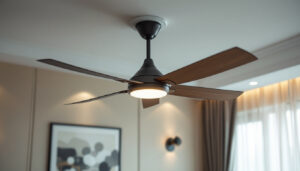
In addition to energy efficiency and smart technology, the aesthetic appeal of grow lighting cannot be overlooked. As urban farming spaces become more popular, the design of grow lights is also evolving to blend seamlessly into modern interiors. Lighting contractors are now tasked with selecting fixtures that not only perform well but also enhance the visual appeal of indoor gardens and vertical farms. This trend towards aesthetically pleasing grow lighting opens up new avenues for creativity and design, allowing contractors to offer customized solutions that reflect the unique style and branding of their clients. The intersection of functionality and design in grow lighting is a fascinating aspect of modern agriculture that continues to gain traction.
The Technology Behind Philips Grow Lamps
Advanced LED Spectrum Control
Philips grow lamps utilize advanced LED technology that allows precise control over light spectrum and intensity. This is crucial because different plants require varying wavelengths during their growth cycles. For instance, blue light supports vegetative growth, while red light encourages flowering and fruiting. Philips’ ability to customize these spectrums means lighting contractors can recommend solutions that optimize crop yields and energy consumption.
Moreover, Philips integrates smart controls into many of their grow lighting systems. These controls enable growers to adjust light schedules, intensity, and spectrum remotely, ensuring plants receive the optimal light conditions at all times. For contractors, this means offering clients not just lighting fixtures but comprehensive, adaptable systems that enhance productivity. The incorporation of IoT technology allows for data collection and analysis, providing insights into plant growth patterns and enabling growers to make informed decisions that further improve their cultivation strategies.
In addition to the customizable spectrum, Philips grow lamps also feature advanced thermal management systems. These systems ensure that the LEDs operate within optimal temperature ranges, which is vital for maintaining their efficiency and longevity. By minimizing heat stress on the plants, these lamps not only promote healthier growth but also reduce the risk of heat-related damage, making them a reliable choice for a variety of agricultural applications.
Energy Efficiency and Sustainability
Energy consumption is a critical consideration in agricultural lighting due to the long hours plants require illumination. Philips grow lamps are designed with energy efficiency in mind, often delivering significant power savings compared to traditional high-intensity discharge (HID) lamps. This efficiency translates directly into reduced operational costs for growers, an important selling point when contractors present proposals.
Additionally, Philips emphasizes sustainability in their product design. Their grow lamps have longer lifespans and lower heat output, which reduces cooling requirements and further cuts energy use. For contractors, promoting these sustainability benefits aligns with the growing demand for environmentally responsible farming practices. By using Philips grow lamps, growers can not only decrease their carbon footprint but also contribute to a more sustainable agricultural ecosystem.
Furthermore, Philips is committed to using recyclable materials in their lamp construction, which supports a circular economy. This approach not only helps in reducing waste but also encourages growers to adopt more sustainable practices in their operations. The integration of such eco-friendly features into the design of grow lamps not only appeals to environmentally conscious consumers but also positions contractors as leaders in the movement towards sustainable agriculture. This alignment with global sustainability goals can enhance a contractor’s reputation and attract a broader client base looking for innovative solutions.
Why Lighting Contractors Should Prioritize Philips Grow Lamps
Meeting Client Expectations with Expertise
Grow lighting is a specialized field that requires in-depth knowledge of horticultural needs and lighting technology. Lighting contractors who invest time in understanding Philips grow lamps position themselves as trusted experts in this niche market. This expertise enables contractors to tailor lighting solutions that improve crop quality and yield, thereby enhancing client satisfaction and repeat business.
Moreover, Philips provides extensive technical support and training resources for contractors. This support ensures that contractors can confidently install, maintain, and troubleshoot grow lighting systems, reducing downtime and enhancing service quality. By leveraging these resources, contractors can stay updated on the latest advancements in LED technology and horticultural science, allowing them to offer cutting-edge solutions that meet the evolving needs of their clients. The ability to provide informed recommendations based on the latest research not only builds credibility but also fosters long-term relationships with clients who rely on their expertise for optimal growing conditions.
Expanding Service Offerings and Revenue Streams
As indoor and urban farming expand, lighting contractors have a unique opportunity to diversify their portfolios. Incorporating Philips grow lamps into their offerings allows contractors to tap into a growing market segment that demands specialized lighting solutions. This diversification can lead to increased revenue streams and long-term business growth. With the rise of sustainable practices and the push for local food production, the demand for efficient and effective grow lighting is only expected to increase, making it a timely investment for contractors looking to future-proof their businesses.
Additionally, many growers require ongoing maintenance and upgrades to their grow lighting systems. Contractors who establish themselves as go-to providers for Philips grow lamps can secure recurring contracts, ensuring steady income beyond initial installations. This ongoing relationship not only provides financial stability but also positions contractors as integral partners in their clients’ success. By offering regular assessments and updates on lighting technology, contractors can help growers optimize their setups, leading to better yields and healthier plants. Furthermore, as growers become more aware of energy efficiency and sustainability, contractors can introduce energy-saving solutions and smart lighting systems, further enhancing their service offerings and solidifying their role as industry leaders.
Installation Considerations for Philips Grow Lamps
System Design and Layout
Proper installation of grow lamps is critical to achieving optimal plant growth. Lighting contractors must carefully design the layout to ensure even light distribution and appropriate intensity levels throughout the growing area. Philips offers design tools and consultation services that assist contractors in planning installations that maximize efficiency and crop performance.
Factors such as ceiling height, reflectivity of surfaces, and plant spacing influence the placement and number of lamps required. Contractors must also consider electrical infrastructure to support the power demands of the lighting system safely and reliably.
Integration with Environmental Controls
Philips grow lamps often function as part of an integrated environmental control system, which may include temperature, humidity, and CO2 regulation. Lighting contractors should coordinate with other system installers or take on a holistic approach to ensure seamless integration. This coordination enhances the overall effectiveness of the growing environment.
Smart lighting controls provided by Philips can be linked to environmental sensors, enabling automated adjustments that optimize plant health. Contractors familiar with these integrations can offer clients advanced solutions that improve operational efficiency.
Case Studies: Successful Applications of Philips Grow Lamps
Urban Vertical Farming in High-Density Cities
In densely populated urban centers, vertical farming has emerged as a viable solution to food security challenges. Philips grow lamps have been instrumental in these setups, providing tailored light spectra that support diverse crops grown in stacked layers. Lighting contractors involved in these projects report improved crop yields and energy savings, thanks to the precision and efficiency of Philips lighting solutions.
Greenhouse Supplementary Lighting
Greenhouses often require supplementary lighting during low natural light periods. Philips grow lamps serve this purpose effectively by delivering consistent, high-quality light that complements sunlight. Contractors installing these systems have noted enhanced plant growth rates and better control over crop cycles, enabling growers to meet market demands more reliably.
Future Trends and Innovations in Grow Lighting
The grow lighting industry continues to evolve, with Philips at the forefront of innovation. Emerging trends include the integration of AI-driven lighting controls, further spectrum customization, and enhanced energy harvesting techniques. Lighting contractors who stay abreast of these developments will be well-positioned to offer cutting-edge solutions that meet the future needs of growers.
Additionally, as sustainability becomes increasingly critical, Philips is advancing grow lamp designs to reduce environmental impact further. This includes recyclable materials, improved thermal management, and smarter energy use. Contractors advocating these innovations can strengthen their market position by aligning with eco-conscious clients.
Conclusion: Embracing Philips Grow Lamps as a Strategic Advantage
For lighting contractors, Philips grow lamps represent more than just a product line—they embody a strategic opportunity to engage with the rapidly growing sector of controlled environment agriculture. By mastering the technology, installation techniques, and client needs associated with these advanced lighting systems, contractors can differentiate themselves in a competitive market.
Ultimately, the adoption of Philips grow lamps enables contractors to deliver superior lighting solutions that drive crop success, energy efficiency, and sustainability. This alignment with modern agricultural demands ensures long-term relevance and growth in the evolving landscape of lighting technology.
Get Your Philips Grow Lamps at LumenWholesale
Ready to harness the strategic advantage of Philips grow lamps for your next agricultural project? Look no further than LumenWholesale for the highest quality, spec-grade lighting products at unbeatable wholesale prices. Our direct approach means no middleman and no inflated markups, just premium lighting solutions that meet the most rigorous industry standards. With free shipping on bulk orders, LumenWholesale is your go-to source for reliable, high-performance lighting that won’t break the bank. Elevate your lighting game and ensure the success of your controlled environment agriculture endeavors. Visit Wholesale Lighting at the Best Value today and experience the perfect blend of quality, affordability, and convenience with LumenWholesale.