Understanding Client Expectations in Pendant Lighting
Pendant fixtures have become a staple in both residential and commercial lighting design, valued for their versatility, aesthetic appeal, and functional benefits. As a lighting contractor, understanding what clients expect from pendant lighting is crucial to delivering solutions that satisfy their needs and elevate their spaces.
Clients today are more informed and discerning, often seeking lighting that complements their interior design while providing optimal illumination. They expect contractors to not only install fixtures but also to offer expert guidance on style, placement, and technical specifications. Meeting these expectations requires a comprehensive grasp of pendant lighting trends, technologies, and practical considerations.
The Role of Pendant Fixtures in Modern Spaces
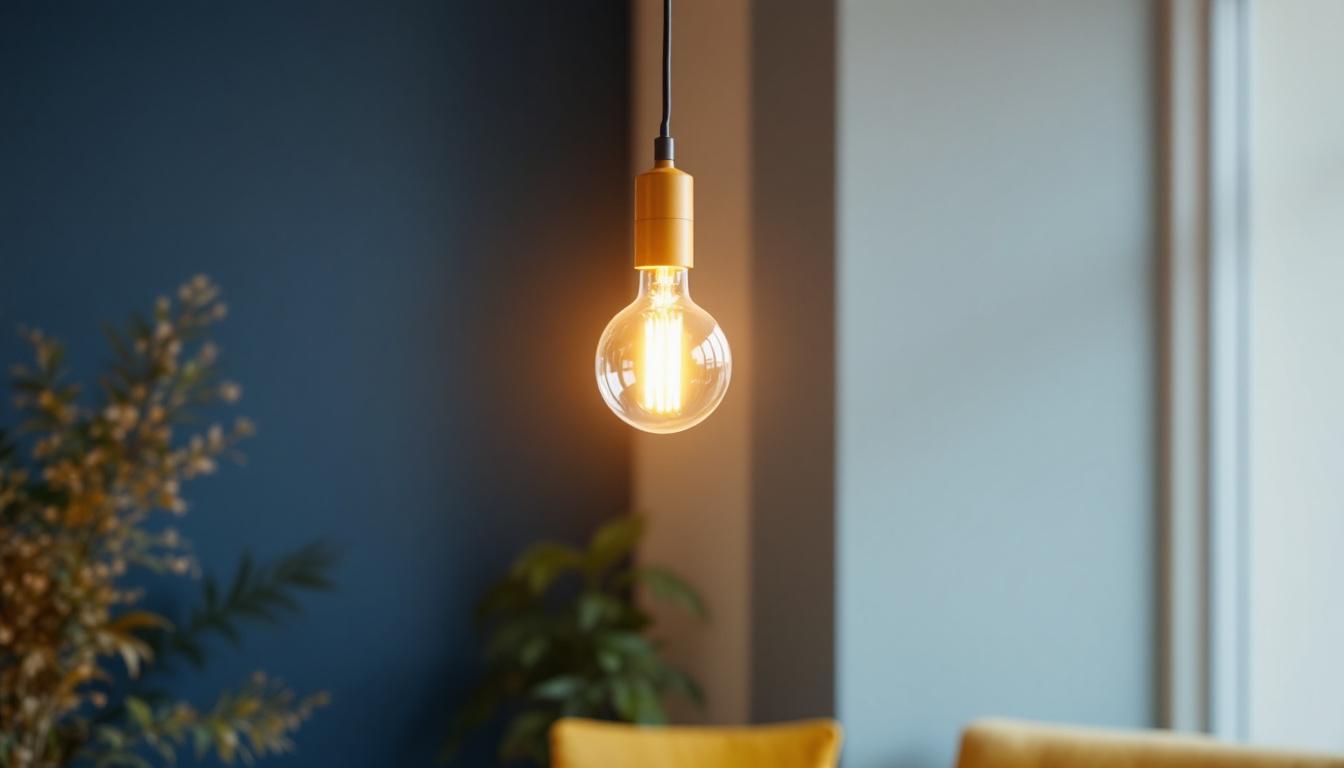
Pendant lights serve multiple purposes: they can act as focal points, provide task lighting, or contribute to ambient illumination. Clients expect contractors to understand these roles and recommend fixtures that align with the intended function of the space. For example, a pendant over a kitchen island should offer sufficient task lighting, while a cluster of smaller pendants might be chosen for decorative impact in a dining room.
Moreover, clients often seek lighting that enhances the architectural features of their space. Pendant fixtures can highlight textures, create shadows, and add depth, making the environment more dynamic and inviting. Lighting contractors who can articulate these design benefits tend to build greater trust and rapport with clients.
In addition to functionality, clients are increasingly interested in the sustainability and energy efficiency of their lighting choices. Many are opting for LED pendant lights, which not only consume less energy but also have a longer lifespan compared to traditional bulbs. This shift towards eco-friendly options reflects a broader trend in consumer behavior, where individuals prioritize sustainability in their purchasing decisions. Contractors who stay informed about the latest energy-efficient technologies can provide valuable insights and help clients make choices that align with their values.
Furthermore, the customization of pendant lighting has become a significant expectation among clients. Many are looking for unique designs that reflect their personal style or fit specific themes within their homes or businesses. This could involve selecting fixtures with customizable finishes, colors, or shapes that resonate with the overall decor. Contractors who offer a range of options or collaborate with artisans to create bespoke pieces can significantly enhance the client experience, showcasing their commitment to meeting individual preferences and elevating the overall aesthetic of the space.
Technical Knowledge Clients Expect Lighting Contractors to Possess
Technical expertise is a cornerstone of client confidence. When clients hire lighting contractors, they anticipate a deep understanding of electrical standards, fixture compatibility, and installation best practices.
Electrical and Safety Standards
Clients expect contractors to be well-versed in local electrical codes and safety regulations. This knowledge ensures that pendant fixtures are installed securely and meet all compliance requirements, reducing risks such as electrical faults or fire hazards. Lighting contractors should be prepared to explain these standards and demonstrate how their work adheres to them, which reassures clients about the safety and longevity of their lighting installations.
Moreover, staying updated on evolving electrical codes is crucial, as regulations can change to reflect new safety technologies or environmental considerations. This ongoing education not only enhances a contractor’s credibility but also empowers them to provide clients with the most current and effective solutions. Clients often appreciate when contractors can discuss recent advancements in energy efficiency or sustainable lighting practices, as these factors can significantly impact both operational costs and environmental footprints.
Fixture Compatibility and Load Calculations
Another critical technical aspect is the compatibility of pendant fixtures with existing electrical systems. Clients expect contractors to perform accurate load calculations to avoid overloading circuits, which could lead to outages or damage. Additionally, understanding the specifications of different pendant fixtures—including voltage, wattage, and dimming capabilities—is essential to ensure seamless integration with dimmer switches or smart home systems.
For instance, LED pendant fixtures often require compatible dimmers to prevent flickering or reduced lifespan. Lighting contractors who proactively address these technical details demonstrate professionalism and prevent costly post-installation issues. Furthermore, clients may also benefit from advice on energy-efficient lighting options that can reduce their electricity bills while still achieving the desired ambiance. By discussing the long-term benefits of energy-efficient fixtures, contractors can help clients make informed decisions that align with both their aesthetic preferences and budgetary considerations.
Installation Techniques and Adjustability
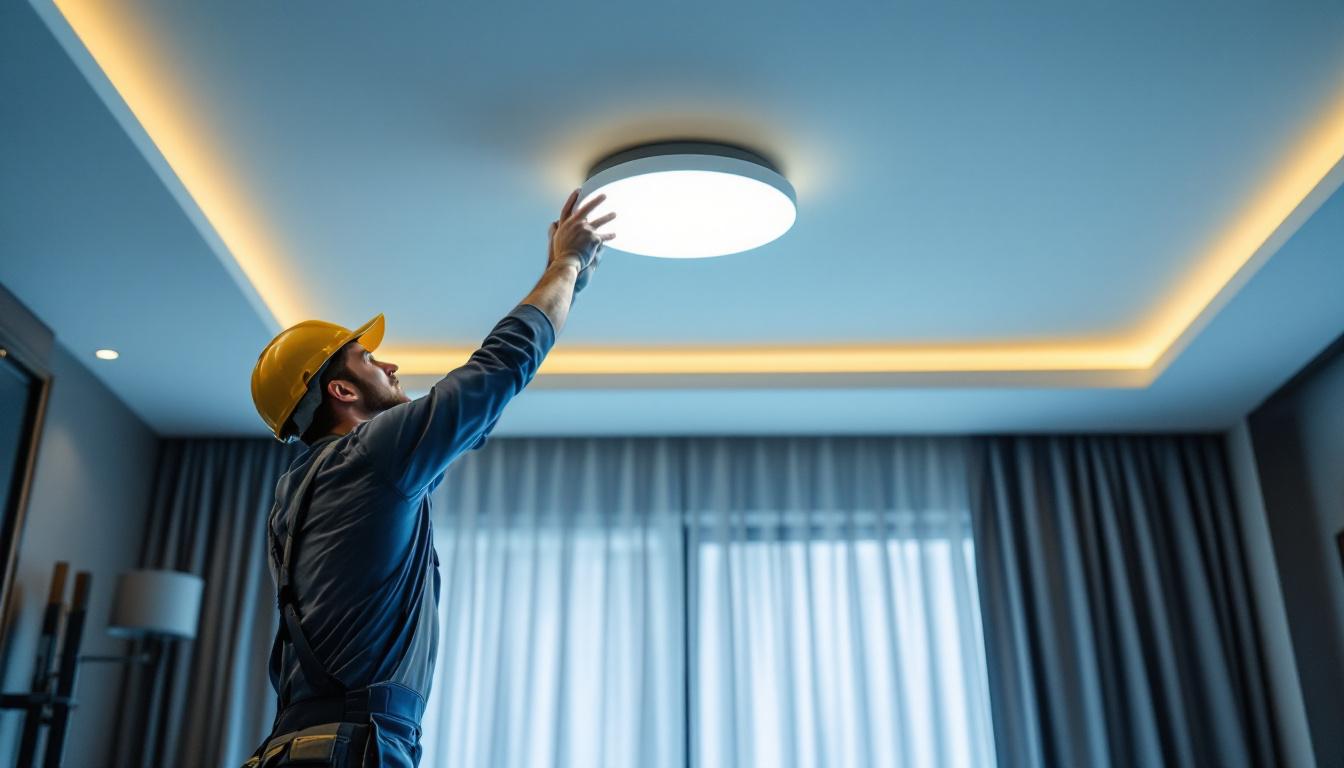
Clients appreciate contractors who can install pendant fixtures with precision, ensuring proper height, alignment, and stability. The ability to adjust fixture height during installation is particularly important, as pendant lights must be positioned to balance aesthetics and functionality. For example, in dining areas, pendants are typically hung 28 to 34 inches above the table surface to provide adequate lighting without obstructing views.
Contractors should also be familiar with different mounting options—such as ceiling hooks, junction boxes, or track systems—to accommodate various ceiling types and client preferences. Expertise in these areas contributes to a smooth installation process and a polished final result. Additionally, clients often look for contractors who can offer creative solutions for unique spaces, such as vaulted ceilings or open-concept layouts, where traditional installation methods may not suffice. By showcasing versatility and a keen eye for design, contractors can elevate the overall lighting experience, ensuring that each installation not only meets functional needs but also enhances the aesthetic appeal of the space.
Design Considerations Clients Expect Contractors to Advise On
Beyond technical skills, clients look to lighting contractors for design advice that aligns with their vision and enhances the overall ambiance of their space.
Choosing the Right Style and Finish
Pendant fixtures come in a vast array of styles—from minimalist industrial designs to ornate vintage pieces. Clients expect contractors to help them navigate these options based on the room’s décor and their personal taste. For example, a brushed nickel finish might complement a contemporary kitchen, while a bronze or copper finish could suit a rustic or traditional setting.
Contractors who stay current with design trends and understand how different finishes and materials interact with interior elements can provide tailored recommendations that resonate with clients’ aesthetics. Additionally, the choice of style and finish can also impact the perceived size of a room; lighter finishes can create an illusion of space, while darker finishes may add depth and intimacy. This understanding allows contractors to not only meet but exceed client expectations by enhancing the functionality and visual appeal of the space.
Lighting Color Temperature and Brightness
Color temperature significantly affects the mood and functionality of a space. Clients often rely on contractors to explain the differences between warm, neutral, and cool lighting and to suggest appropriate options. Warm light (around 2700K to 3000K) is generally preferred for living areas and dining rooms to create a cozy atmosphere, while cooler light (3500K to 4100K) may be better suited for task-oriented spaces like kitchens or offices.
Brightness levels, measured in lumens, are equally important. Clients expect contractors to recommend fixtures that provide sufficient illumination without causing glare or harsh shadows. Balancing these factors ensures the pendant lighting enhances both comfort and usability. Furthermore, contractors can also discuss the benefits of dimmable fixtures, which allow clients to adjust brightness according to the time of day or activity, thus adding versatility to their lighting design. This adaptability not only improves the functionality of the space but also contributes to energy savings over time.
Energy Efficiency and Sustainability
With growing environmental awareness, many clients prioritize energy-efficient lighting solutions. Contractors are expected to advise on LED pendant fixtures, which consume less energy and offer longer lifespans compared to traditional incandescent or halogen bulbs.
Additionally, clients appreciate guidance on fixtures made from sustainable materials or those that support smart controls to reduce energy consumption. Demonstrating knowledge of these eco-friendly options can differentiate contractors in a competitive market and align with clients’ values. Moreover, contractors can educate clients on the long-term cost savings associated with energy-efficient lighting, including reduced electricity bills and fewer replacements, which can ultimately lead to a more sustainable and budget-friendly approach to home or business lighting. By emphasizing these benefits, contractors can foster a deeper connection with clients who are increasingly looking to make environmentally conscious choices in their design projects.
Common Challenges and How Lighting Contractors Can Address Them
Clients often encounter challenges during pendant lighting projects, and they look to contractors for solutions that minimize disruption and ensure satisfaction.
Dealing with Ceiling Height and Structural Constraints
Low ceilings or unusual architectural features can complicate pendant fixture installation. Clients expect contractors to assess these constraints and propose alternatives, such as semi-flush mounts or adjustable pendants that accommodate varying heights.
In cases where ceiling joists or wiring access is limited, contractors should have strategies to work within these limitations without compromising safety or design intent. Clear communication about these challenges and their solutions helps manage client expectations effectively.
Coordinating with Other Trades
Pendant lighting projects often require coordination with electricians, interior designers, and general contractors. Clients expect lighting contractors to collaborate seamlessly with other professionals to ensure timely and cohesive project completion.
Proactive communication and scheduling can prevent delays and misalignments, enhancing the overall client experience. Contractors who take ownership of this coordination demonstrate professionalism and reliability.
Post-Installation Support and Maintenance Advice
Clients value contractors who provide guidance on maintaining pendant fixtures after installation. This includes advice on cleaning methods, bulb replacement, and troubleshooting common issues like flickering or dimmer incompatibility.
Offering post-installation support or maintenance services can build long-term client relationships and encourage referrals. It also reflects a commitment to quality and customer satisfaction beyond the initial project.
Conclusion: Elevating Client Satisfaction Through Expertise and Communication
Pendant fixtures are more than just decorative elements; they are integral to the functionality and ambiance of a space. Clients expect lighting contractors to bring a blend of technical expertise, design knowledge, and problem-solving skills to every project.
By understanding client expectations—from safety compliance and installation precision to style recommendations and energy efficiency—lighting contractors can deliver solutions that exceed client aspirations. Effective communication throughout the project lifecycle further enhances trust and satisfaction, positioning contractors as valued partners in creating beautifully lit environments.
Illuminate Your Projects with LumenWholesale
Ready to exceed your clients’ expectations with premium pendant fixtures? At LumenWholesale, we provide lighting contractors with the highest quality, spec-grade lighting products at unbeatable wholesale prices. Say goodbye to local distributor markups and hello to a vast selection of reliable, high-performance lighting that meets the highest industry standards. Plus, with free shipping on bulk orders, you can enjoy the best value without hidden fees or compromises. Elevate your lighting projects today and experience wholesale lighting at the best value with LumenWholesale.