Misjudging Panel Size and Compatibility
One of the most frequent errors lighting contractors make when installing panels for drop ceilings is selecting the wrong size or type of panel. Drop ceilings come in various grid dimensions, commonly 2×2 feet or 2×4 feet, and choosing a lighting panel that doesn’t match these dimensions leads to installation headaches and poor aesthetics.
It’s not just about fitting the panel into the grid; compatibility with the ceiling structure is crucial. Some panels are designed for specific grid systems or ceiling types, and ignoring these nuances can cause the panel to sit unevenly or even fall out over time. This mistake often stems from assumptions or relying on previous projects without verifying the exact specifications for the current job.
Before ordering or installing, double-check the ceiling grid measurements and the panel’s specifications. Taking precise measurements and consulting manufacturer guidelines prevents costly reorders and delays.
Moreover, the choice of material for the panels can also significantly impact the overall performance and aesthetic of the installation. For instance, some panels are made from lightweight materials that may not provide the same level of durability or sound absorption as heavier options. Understanding the acoustic properties of the panels can be particularly important in commercial spaces like offices or conference rooms, where noise control is a priority. Additionally, the finish of the panels can affect lighting quality; reflective surfaces might enhance brightness in a room, while matte finishes could help reduce glare, creating a more comfortable environment for occupants.
Another aspect to consider is the integration of lighting fixtures with the drop ceiling panels. Many modern lighting solutions, such as LED panels, are designed to seamlessly fit into the grid, but ensuring the electrical compatibility and proper wiring is essential. This includes verifying that the power supply can handle the wattage of the new fixtures and that any necessary dimming controls are compatible with the chosen lighting system. Failing to account for these details can lead to flickering lights or, worse, electrical hazards, underscoring the importance of thorough planning and execution in every installation project.
Overlooking Lighting Requirements and Room Function
Lighting contractors sometimes focus too much on the panel’s appearance or price, neglecting the actual lighting needs of the space. Different rooms require different lighting levels, color temperatures, and beam spreads. For example, an office space demands bright, evenly distributed light to reduce eye strain, whereas a conference room might benefit from adjustable lighting to create ambiance.
Ignoring these factors can result in panels that are either too dim or too harsh, leading to client dissatisfaction and potential rework. It’s essential to assess the room’s function, natural light availability, and user preferences before selecting panels.
Additionally, understanding the lumen output and color rendering index (CRI) of the panels ensures the lighting supports the room’s activities effectively. A panel with a high CRI is critical in spaces where accurate color perception is necessary, such as retail or design studios.
Moreover, the integration of smart lighting technology can further enhance the functionality of a space. By utilizing systems that allow for dimming and color temperature adjustments, contractors can create a dynamic environment that adapts to the time of day or specific tasks. For instance, in a kitchen, bright white light may be ideal for meal preparation, while a warmer tone can create a cozy atmosphere for evening gatherings. This flexibility not only improves the user experience but also contributes to energy efficiency, as lights can be tailored to the needs of the moment.
Furthermore, it’s crucial to consider the psychological effects of lighting on occupants. Research has shown that well-designed lighting can enhance mood, productivity, and overall well-being. In educational settings, for example, proper lighting can significantly impact students’ focus and engagement levels. Therefore, lighting contractors should not only prioritize technical specifications but also the emotional and psychological implications of their choices, ensuring that each space is not only functional but also nurturing and inspiring.
Neglecting Electrical and Safety Codes
Compliance with electrical and safety codes is non-negotiable, yet some contractors overlook these regulations when installing drop ceiling panels. This oversight can lead to serious consequences, including failed inspections, fines, or even fire hazards.
For instance, panels installed in commercial buildings often need to meet specific fire ratings and be compatible with emergency lighting systems. Using non-compliant panels or improper wiring methods compromises safety and can void insurance coverage. Additionally, the choice of materials used in the drop ceiling can significantly impact fire resistance; materials should be rated for the intended use, and any installation must consider the overall fire safety strategy of the building.
Contractors must stay updated on local and national electrical codes, including NEC (National Electrical Code) requirements related to lighting fixtures in drop ceilings. Consulting with an electrician or code specialist during the planning phase helps avoid costly mistakes and ensures a safe installation. Furthermore, understanding the nuances of local amendments to the NEC can be crucial, as these may dictate specific installation practices based on regional risks, such as seismic activity or high humidity levels that can affect electrical systems.
Moreover, proper installation of drop ceiling panels involves more than just adhering to electrical codes; it also requires a keen awareness of acoustical performance and ventilation needs. For example, panels that do not allow for adequate airflow can lead to moisture buildup, creating an environment conducive to mold growth, which poses health risks to occupants. Therefore, contractors should consider integrating sound-absorbing materials and ensuring that HVAC systems are appropriately designed to work in conjunction with the ceiling installation. This holistic approach not only enhances safety but also improves the overall functionality and comfort of the space.
Improper Panel Installation Techniques
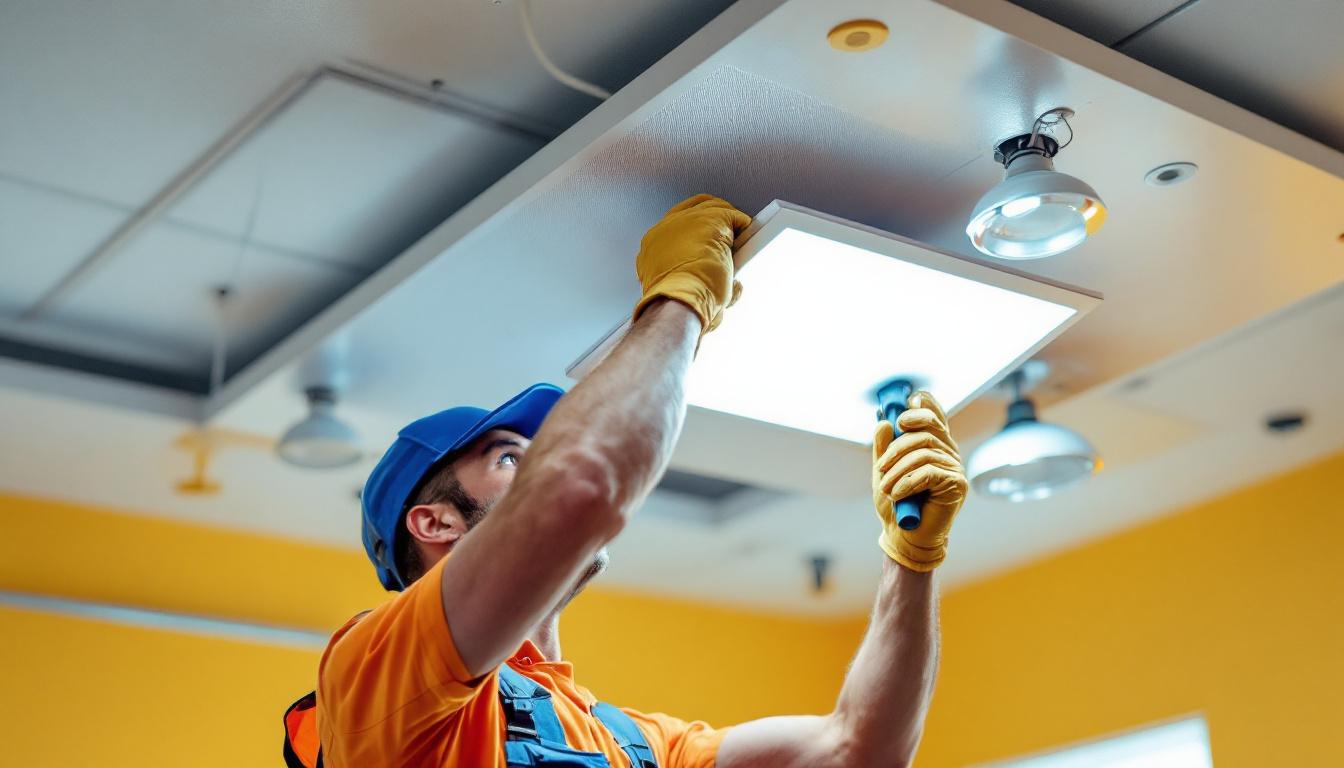
Even when the right panel is chosen, improper installation can undermine the entire project. Common mistakes include failing to secure panels correctly within the grid, damaging panels during handling, or not accounting for weight limits of the ceiling system.
Panels that are loosely fitted can rattle or fall, creating safety risks and maintenance issues. Damaged panels not only look unprofessional but may also have compromised lighting performance. Additionally, exceeding the weight capacity of the drop ceiling grid can lead to structural damage or collapse.
Proper training on installation best practices and using the right tools can mitigate these problems. For example, using panel lifters or suction tools minimizes damage during handling, and verifying weight limits prevents overloading the grid.
Failing to Coordinate with Other Trades
Lighting contractors often work alongside HVAC, fire suppression, and audio-visual teams when installing panels in drop ceilings. A common mistake is poor coordination with these trades, which can lead to conflicts in panel placement or damage to installed systems.
For example, HVAC ducts or sprinkler heads may require specific clearance or cutouts in the panels. If these considerations are overlooked, panels may need to be modified on-site, causing delays and additional costs. Worse, improper coordination can affect the functionality of other building systems.
Effective communication and planning with all involved trades before installation ensures that panels are correctly sized, positioned, and compatible with other ceiling components. Scheduling joint walkthroughs and sharing detailed plans reduces surprises and streamlines the process.
Ignoring Maintenance and Accessibility Needs
Drop ceiling panels often need to be removed for maintenance of lighting fixtures, wiring, or other ceiling systems. Contractors sometimes install panels without considering ease of access, leading to difficulties during routine maintenance or repairs.
Panels that are difficult to remove or require special tools increase labor time and costs for future servicing. Additionally, some panels are not designed for frequent removal and reinstallation, which can cause damage over time.
Selecting panels with user-friendly access features and educating clients on proper handling extends the lifespan of the installation and reduces long-term maintenance headaches.
Underestimating Energy Efficiency and Sustainability
Energy efficiency is a critical consideration in lighting design, yet some contractors overlook this when selecting panels for drop ceilings. Choosing panels with suboptimal energy performance can lead to higher operational costs and missed opportunities for sustainability incentives.
LED panels, for example, offer significant energy savings compared to traditional fluorescent fixtures, along with longer lifespans and reduced maintenance. Failing to specify energy-efficient panels not only impacts the client’s utility bills but also their environmental footprint.
Contractors should evaluate panels based on wattage, lumens per watt, and certifications like ENERGY STAR. Advising clients on energy-efficient options can differentiate a contractor’s service and contribute to greener buildings.
Overlooking Aesthetic Integration
Lighting panels are not just functional elements; they contribute to the overall aesthetic of a space. A common mistake is selecting panels that clash with the ceiling grid or the room’s design style.
For instance, panels with harsh edges or mismatched finishes can disrupt the visual flow, making the ceiling look patchy or unfinished. In spaces like retail stores, hospitality venues, or corporate offices, this can negatively affect the client’s brand image.
Contractors should consider panel design, diffuser style, and color temperature in relation to the room’s décor. Collaborating with interior designers or architects can help ensure the lighting complements the space seamlessly.
Inadequate Testing and Quality Checks
Skipping thorough testing before finalizing panel installation is a pitfall that can lead to operational issues. Some contractors install panels without verifying electrical connections, light output, or fixture functionality, only to discover problems later.
Testing panels for flicker, brightness uniformity, and proper wiring ensures the installation meets performance expectations. It also allows contractors to address defects or faults immediately, avoiding callbacks and client dissatisfaction.
Implementing a standardized quality control checklist during and after installation improves reliability and professionalism.
Conclusion: Avoiding Common Pitfalls for Successful Installations
Installing panels for drop ceilings requires careful attention to detail, from selecting the right product to coordinating with other trades and adhering to safety codes. Lighting contractors who avoid these common mistakes deliver installations that are safe, efficient, and aesthetically pleasing.
By prioritizing compatibility, lighting needs, code compliance, proper installation, and maintenance considerations, contractors can enhance client satisfaction and reduce costly errors. Energy efficiency and aesthetic integration further elevate the value of the project.
Ultimately, thorough planning, communication, and quality control are the keys to mastering drop ceiling panel installations and building a reputation for excellence in the lighting industry.
Get Your Lighting Right with LumenWholesale
Don’t let common installation mistakes dim your project’s success. Choose LumenWholesale for your lighting needs and benefit from our extensive range of top-quality, spec-grade lighting products. With unbeatable wholesale prices and the convenience of bulk buying without hidden fees, we ensure that you get the best value for your investment. Plus, with free shipping on all orders, you can trust that you’re getting premium lighting at the best price, delivered right to your doorstep. Elevate your lighting installations with the perfect blend of quality, affordability, and convenience. Visit LumenWholesale today and experience wholesale lighting at the best value.