Introduction to Outside Wall Spot Lights and Energy Efficiency
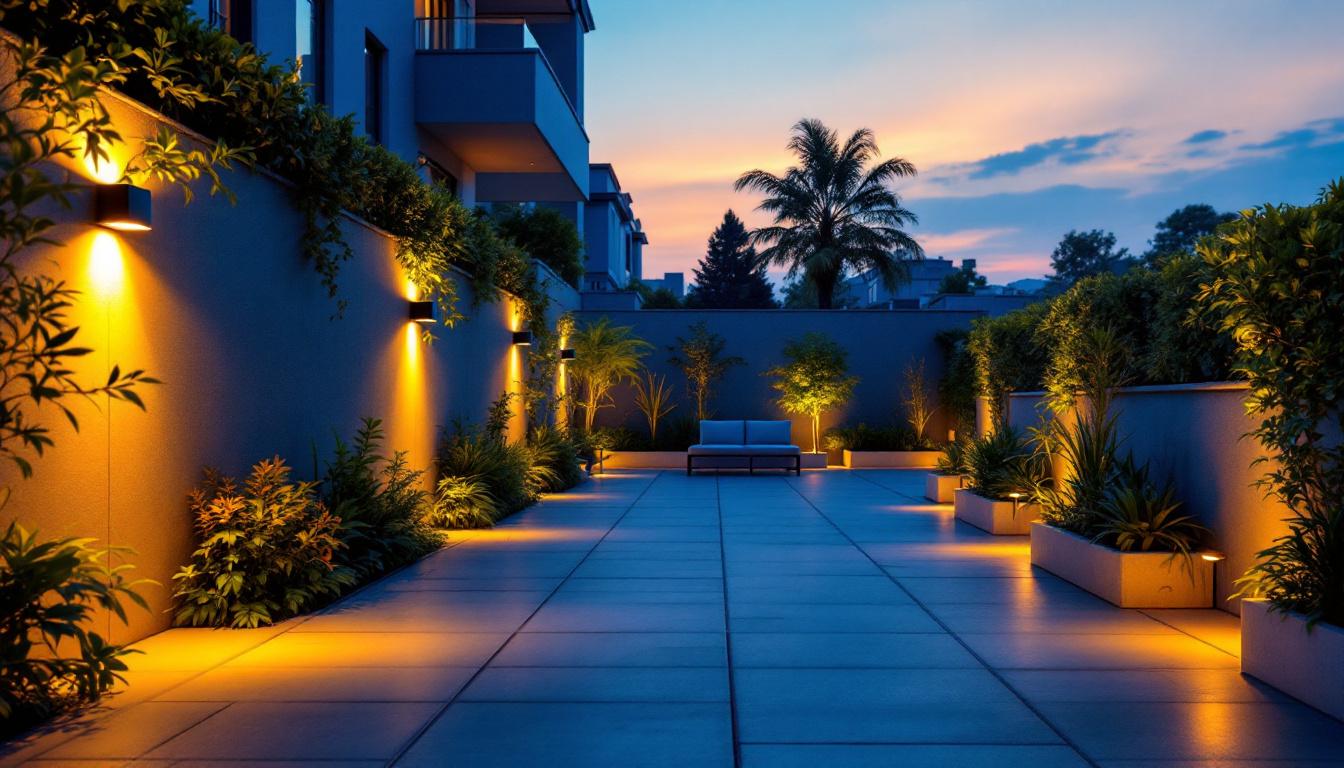
Outside wall spot lights are a popular choice for illuminating building exteriors, enhancing security, and accentuating architectural features. For lighting contractors, understanding the energy efficiency implications of these fixtures is crucial not only for meeting client expectations but also for contributing to sustainable building practices. This article explores how outside wall spot lights impact energy consumption, the technologies that improve their efficiency, and practical considerations for optimizing their use.
Energy efficiency in outdoor lighting is increasingly important as municipalities, businesses, and homeowners seek to reduce utility costs and minimize environmental footprints. Since outdoor lighting often runs for extended hours, sometimes throughout the night, even small improvements in efficiency can lead to significant energy savings over time.
One of the most significant advancements in outdoor lighting technology is the transition from traditional incandescent and halogen bulbs to LED (Light Emitting Diode) fixtures. LEDs consume up to 80% less energy than their incandescent counterparts and boast a lifespan that can exceed 25,000 hours, drastically reducing the frequency of replacements. This not only leads to lower energy bills but also less waste, aligning with eco-friendly initiatives. Additionally, many modern LED spot lights come equipped with smart technology, allowing users to control brightness levels, set timers, and even integrate with home automation systems for optimized energy use.
Moreover, the placement and design of outside wall spot lights play a crucial role in their energy efficiency. Properly positioned fixtures can illuminate specific areas without excessive light spill, reducing the need for additional lighting and minimizing light pollution. Techniques such as using motion sensors or dimmers can further enhance efficiency by ensuring lights are only active when needed. As awareness of energy conservation grows, the demand for innovative and efficient outdoor lighting solutions will likely continue to rise, pushing manufacturers to develop even more advanced technologies that cater to both functionality and sustainability.
Energy Consumption Characteristics of Outside Wall Spot Lights
Typical Power Usage and Operating Hours
Outside wall spot lights vary widely in power consumption depending on the technology used. Traditional halogen or incandescent spot lights may consume between 35 to 150 watts per fixture, whereas modern LED spot lights typically use between 5 to 30 watts for comparable brightness levels. Given that outdoor spot lights often operate for 8 to 12 hours per night, the cumulative energy usage can be substantial.
For example, a single 100-watt halogen spot light running for 10 hours nightly consumes about 1 kWh per day, translating to approximately 30 kWh monthly. In contrast, a 15-watt LED spot light providing similar illumination would use only 0.15 kWh per day, or about 4.5 kWh monthly. This difference illustrates the potential for significant energy savings by upgrading to more efficient lighting technologies. Additionally, many municipalities offer incentives or rebates for homeowners who make the switch to energy-efficient lighting, further reducing the overall cost of installation and operation.
Impact of Light Intensity and Beam Angle
The energy efficiency of outside wall spot lights is also influenced by their light intensity (measured in lumens) and beam angle. Spot lights with narrow beam angles concentrate light on specific areas, reducing wasted illumination and energy use. Conversely, wider beam angles may require higher wattage to achieve the same perceived brightness on a target surface.
Lighting contractors should carefully select spot lights with appropriate beam angles for the intended application. For example, a narrow beam angle is ideal for highlighting architectural details, while a wider beam may be necessary for general security lighting. Optimizing beam angles reduces the need for excessive wattage and minimizes light pollution. Furthermore, the choice of beam angle can also affect the aesthetics of an outdoor space, as it can create dramatic shadows and highlights that enhance the visual appeal of landscaping or architectural features. This artistic consideration is particularly important in residential settings where homeowners seek to create inviting and attractive outdoor environments.
Technological Advances Enhancing Energy Efficiency
LED Technology and Its Advantages
Light Emitting Diode (LED) technology has revolutionized outdoor lighting, including outside wall spot lights. LEDs offer superior energy efficiency, longer lifespans, and better durability compared to traditional lighting sources. Their directional nature allows for precise light placement, reducing energy waste.
LED spot lights typically achieve luminous efficacy values exceeding 80 lumens per watt, compared to 10-20 lumens per watt for halogen bulbs. This means LEDs produce more light output per unit of energy consumed, directly translating to lower electricity use and reduced operating costs.
Smart Controls and Automation
Integrating smart controls such as motion sensors, timers, and photocells further enhances the energy efficiency of outside wall spot lights. Motion sensors activate lighting only when movement is detected, preventing unnecessary illumination during unoccupied periods. Timers and photocells ensure lights operate only during appropriate hours, such as dusk to dawn.
For lighting contractors, specifying smart control systems can significantly reduce energy consumption and extend the lifespan of lighting fixtures. These technologies also improve security and convenience for property owners, making them a valuable selling point.
Solar-Powered Spot Lights
Solar-powered outside wall spot lights offer an alternative energy-efficient solution, especially in locations where running electrical wiring is impractical or costly. These fixtures harness solar energy during daylight hours and store it in rechargeable batteries for nighttime use.
While solar spot lights depend on adequate sunlight exposure and battery capacity, advances in photovoltaic panel efficiency and battery technology have made them increasingly viable for many outdoor lighting applications. They eliminate ongoing electricity costs and reduce carbon footprints, aligning with green building initiatives.
Design Considerations for Maximizing Energy Efficiency
Fixture Placement and Orientation
Proper placement and orientation of outside wall spot lights are essential for maximizing energy efficiency. Lighting contractors should conduct thorough site assessments to identify the most effective locations that require illumination, avoiding over-lighting or redundant coverage.
Positioning spot lights to minimize light spill and glare not only conserves energy but also enhances visual comfort and security. Using adjustable fixtures allows fine-tuning of beam direction to target specific areas, reducing the number of fixtures needed.
Light Color Temperature and Quality
The color temperature of spot lights affects both energy efficiency and aesthetic appeal. LEDs are available in a range of color temperatures, from warm white (2700K-3000K) to cool white (4000K-5000K) and daylight (5000K+). Warmer color temperatures often consume slightly less energy and are preferred for residential and hospitality settings due to their inviting ambiance.
Higher color temperatures may be suitable for security lighting but can contribute to increased light pollution if not properly shielded. Selecting the appropriate color temperature helps balance energy use with functional and visual requirements.
Use of Reflectors and Lenses
Incorporating reflectors and lenses in spot light fixtures enhances light distribution efficiency. Reflectors direct light toward the intended target, minimizing losses, while lenses can shape and control beam patterns. These optical components reduce the need for higher wattage lamps by maximizing the effective use of emitted light.
Lighting contractors should specify fixtures with high-quality optical elements to improve overall system efficiency and client satisfaction.
Environmental and Economic Benefits of Energy-Efficient Spot Lighting
Reduction in Carbon Footprint
Energy-efficient outside wall spot lights contribute to lowering greenhouse gas emissions by reducing electricity consumption. Since much of the world’s electricity generation still relies on fossil fuels, cutting down on energy use directly correlates with decreased carbon dioxide emissions.
For commercial and residential projects aiming for green building certifications or sustainability goals, specifying energy-efficient outdoor lighting is a straightforward and impactful strategy.
Cost Savings and Return on Investment
While energy-efficient spot lights, particularly LEDs, may have higher upfront costs compared to traditional bulbs, the long-term savings in energy and maintenance costs often justify the investment. Reduced electricity bills, fewer replacements due to longer lifespans, and potential incentives or rebates can improve the return on investment.
Lighting contractors can leverage these economic benefits when advising clients, emphasizing lifecycle cost analysis rather than initial price alone.
Compliance with Regulations and Standards
Many jurisdictions have implemented regulations and standards aimed at improving outdoor lighting efficiency and reducing light pollution. These may include limits on wattage, requirements for shielding, or mandates for using energy-efficient technologies.
Staying informed about relevant codes and standards helps lighting contractors ensure compliance, avoid penalties, and position themselves as knowledgeable professionals in the market.
Practical Tips for Lighting Contractors
Conduct Energy Audits and Assessments
Before specifying or installing outside wall spot lights, conducting an energy audit or site assessment can identify opportunities for efficiency improvements. This process involves evaluating existing lighting, estimating energy use, and recommending upgrades or controls.
Educate Clients on Energy Efficiency Benefits
Clients may prioritize aesthetics or security but overlook energy efficiency considerations. Lighting contractors should communicate the benefits of efficient spot lighting, including cost savings, environmental impact, and enhanced lighting quality, to encourage informed decision-making.
Stay Updated on Emerging Technologies
The lighting industry is rapidly evolving with continuous innovations in LED performance, smart controls, and renewable energy integration. Keeping abreast of these developments enables contractors to offer cutting-edge solutions that maximize energy efficiency and client satisfaction.
Conclusion
Outside wall spot lights play a significant role in outdoor illumination, and their impact on energy efficiency is substantial. By selecting energy-efficient technologies such as LEDs, incorporating smart controls, optimizing fixture placement, and considering environmental factors, lighting contractors can deliver effective lighting solutions that reduce energy consumption and operational costs.
Emphasizing energy efficiency not only benefits clients financially but also supports broader sustainability goals and regulatory compliance. As outdoor lighting demands continue to grow, prioritizing energy-efficient spot lighting will remain a key strategy for lighting professionals committed to quality, innovation, and responsible design.
Illuminate Efficiently with LumenWholesale
Ready to enhance your outdoor lighting projects with energy-efficient solutions that don’t compromise on quality or cost? Look no further than LumenWholesale. Our selection of spec-grade lighting products is designed to meet the highest industry standards, ensuring you provide your clients with reliable, high-performance lighting. Say goodbye to inflated markups and hello to unbeatable wholesale prices, free shipping, and the convenience of bulk buying. Elevate your lighting game and support your sustainability goals with Wholesale Lighting at the Best Value from LumenWholesale.