Understanding Outlet Covers for Round Electrical Boxes
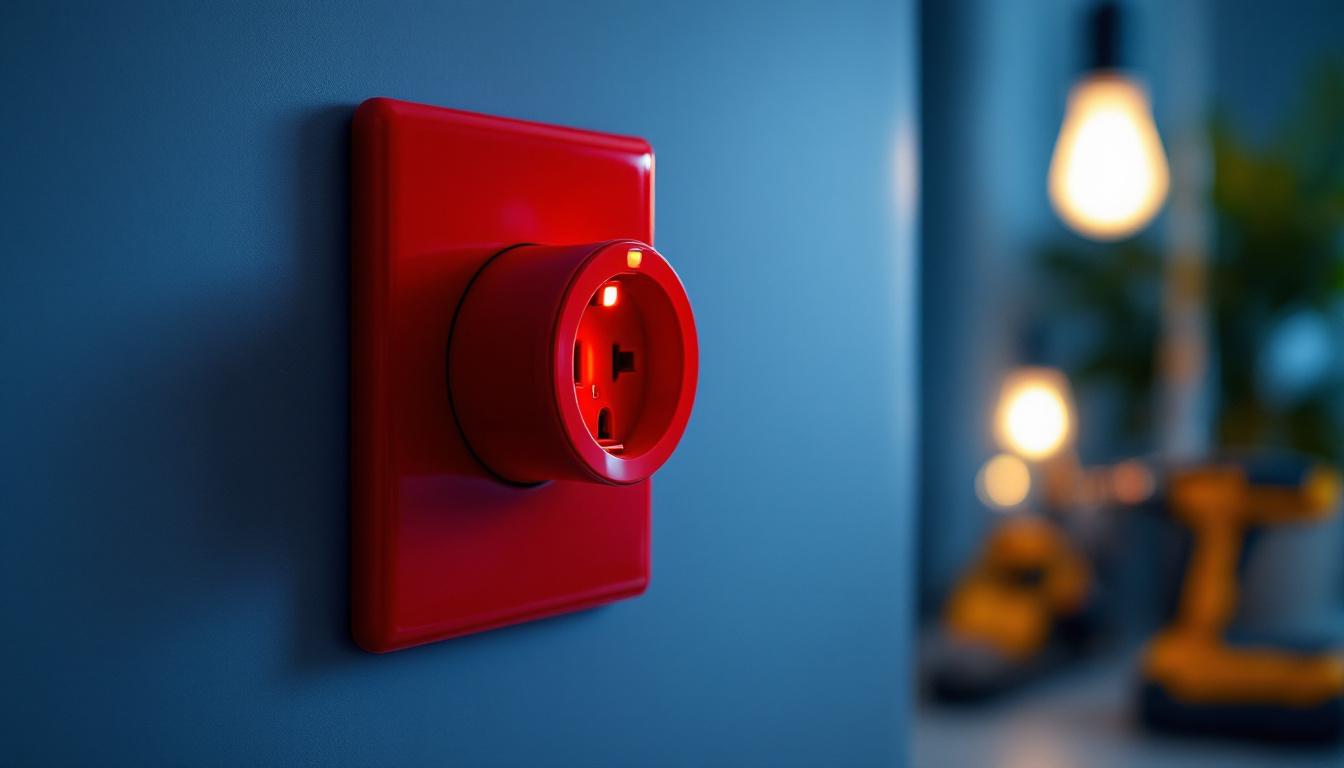
In the lighting industry, ensuring proper installation and safety is paramount. One essential component that often goes overlooked is the outlet cover for round boxes. These covers serve both functional and aesthetic purposes, protecting electrical connections while providing a clean finish for lighting fixtures and switches.
Round electrical boxes, commonly used in ceiling and wall lighting installations, require specific outlet covers designed to fit their shape and size. Unlike standard rectangular boxes, round boxes necessitate covers that accommodate their circular form, ensuring a secure fit and compliance with electrical codes.
For lighting contractors, selecting the right outlet cover is critical not only for safety but also for the longevity and performance of the lighting system. This article delves into everything you need to know about outlet covers for round boxes, including types, materials, installation tips, and industry standards.
When it comes to materials, outlet covers for round electrical boxes are typically made from plastic, metal, or a combination of both. Plastic covers are lightweight and resistant to corrosion, making them ideal for indoor applications where moisture is not a concern. On the other hand, metal covers, often made of steel or aluminum, provide enhanced durability and are suitable for outdoor installations or environments where they may be exposed to harsher conditions. Additionally, some covers come with a powder-coated finish, which not only adds an extra layer of protection but also allows for a variety of color options to match the surrounding decor.
Installation of outlet covers for round boxes can vary slightly depending on the design and material. Most covers are designed with easy-to-follow instructions, and many feature snap-on or screw-on mechanisms for secure attachment. It’s essential to ensure that the cover fits snugly against the box to prevent dust and debris from entering, which could compromise the electrical connections inside. Furthermore, understanding local electrical codes is crucial, as they may dictate specific requirements for cover types and installation practices to ensure safety and compliance in residential and commercial settings.
Types of Outlet Covers for Round Boxes
Standard Blank Covers
Standard blank outlet covers for round boxes are used primarily to cover unused electrical boxes. These covers prevent debris, dust, and moisture from entering the box, which could compromise wiring integrity. They are typically made from durable plastic or metal, offering a secure seal.
For lighting contractors, blank covers are often used during renovations or when an electrical box is installed but not immediately utilized. Choosing a cover that fits snugly and meets fire safety ratings is essential to maintain compliance with electrical codes.
Device Covers for Switches and Receptacles
When installing lighting controls such as dimmer switches or occupancy sensors, device covers designed for round boxes come into play. These covers are tailored to accommodate the shape of the box while providing access to the device’s operational components.
Many device covers for round boxes feature mounting holes aligned with the box’s screw placements, ensuring a secure attachment. Materials vary from thermoplastic to metal, with finishes that complement the lighting fixtures and interior design.
Ceiling Medallions and Decorative Covers
In applications where aesthetics are a priority, decorative outlet covers or ceiling medallions designed for round boxes offer an elegant solution. These covers conceal the electrical box and wiring, enhancing the visual appeal of ceiling-mounted lighting fixtures.
Available in various materials such as polyurethane, plaster, or metal, decorative covers can be painted or finished to match the room’s decor. For lighting contractors, these options provide an opportunity to combine functionality with design, especially in high-end residential or commercial projects.
Materials and Durability Considerations
The choice of material for outlet covers impacts both the durability and safety of the installation. Lighting contractors must consider environmental factors, such as exposure to moisture, temperature fluctuations, and mechanical stress, when selecting covers for round boxes.
Plastic Covers
Plastic covers are lightweight, cost-effective, and resistant to corrosion. They are suitable for indoor applications where mechanical impact is minimal. High-quality thermoplastic covers often meet UL (Underwriters Laboratories) standards, ensuring they can withstand heat generated by lighting fixtures.
However, plastic covers may not be ideal for outdoor or industrial environments where exposure to UV rays or chemicals could degrade the material over time.
Metal Covers
Metal outlet covers, typically made from steel or aluminum, offer superior strength and durability. They are preferred in commercial or industrial settings where mechanical protection is necessary. Metal covers also provide better grounding options, which can enhance electrical safety.
Finishes such as powder coating or galvanization improve corrosion resistance, making metal covers suitable for damp or outdoor locations. Lighting contractors should ensure that metal covers are compatible with the electrical box and fixture to avoid galvanic corrosion.
Decorative Materials
Decorative outlet covers and medallions may be crafted from materials like plaster, polyurethane, or wood composites. While these materials prioritize aesthetics, they must still meet safety requirements, particularly concerning heat resistance and fire ratings.
When installing decorative covers, lighting contractors should verify that the material does not interfere with fixture ventilation or wiring access.
Installation Best Practices for Outlet Covers on Round Boxes
Proper installation of outlet covers is crucial for safety, functionality, and compliance with electrical codes. Lighting contractors should follow established guidelines to ensure a professional and reliable outcome.
Ensuring Proper Fit and Alignment
Since round boxes differ from rectangular ones, selecting covers specifically designed for round shapes is essential. A cover that is too small may not fully protect the wiring, while an oversized cover can look unprofessional and may not secure properly.
Before installation, verify the box’s diameter and depth, then choose a cover that matches these dimensions. Align mounting holes carefully to avoid cross-threading screws, which can damage the cover or box.
Using Appropriate Fasteners
Fasteners should be corrosion-resistant and compatible with both the cover material and the electrical box. For metal covers, stainless steel screws are often recommended to prevent rusting. Plastic covers usually come with matching screws designed for secure fastening without cracking the cover.
Lighting contractors should avoid over-tightening screws, as this can deform the cover or strip the threads, compromising the installation.
Maintaining Access and Ventilation
Outlet covers must allow for easy access to wiring and devices for maintenance or future upgrades. Covers with removable panels or hinged designs can facilitate this without requiring complete removal.
Additionally, adequate ventilation is necessary to dissipate heat generated by lighting fixtures, especially in enclosed ceiling boxes. Covers should not obstruct airflow or trap heat, which could lead to premature fixture failure or fire hazards.
Compliance and Safety Standards
Adhering to electrical codes and safety standards is non-negotiable in lighting installations. Outlet covers for round boxes must meet specific requirements to ensure they do not compromise the system’s integrity.
National Electrical Code (NEC) Requirements
The NEC mandates that all electrical boxes, including round boxes, be covered with an approved outlet cover to prevent accidental contact with live wires and to protect the wiring from environmental damage. Covers must be securely fastened and made from materials that meet fire resistance criteria.
Lighting contractors should consult the latest NEC guidelines relevant to their jurisdiction to verify compliance, as local amendments may apply.
UL Listing and Certification
Using UL-listed outlet covers provides assurance that the product has undergone rigorous testing for safety and performance. UL certification covers aspects such as heat resistance, electrical insulation, and mechanical durability.
Contractors should prioritize UL-listed covers when sourcing materials to minimize liability and ensure client safety.
Fire Safety and Heat Ratings
Outlet covers must withstand the heat generated by lighting fixtures, especially in enclosed spaces. Covers with appropriate heat ratings prevent deformation or ignition under normal operating conditions.
Lighting contractors should verify the temperature ratings of covers and ensure they are compatible with the wattage and type of lighting installed.
Common Challenges and Solutions in Using Outlet Covers for Round Boxes
Challenge: Improper Fit Leading to Gaps
An ill-fitting outlet cover can leave gaps that expose wiring to dust, moisture, or accidental contact. This is a common issue when covers designed for rectangular boxes are used on round boxes or when dimensions are mismatched.
Solution: Always measure the box accurately and select covers specifically designed for round boxes. Custom or adjustable covers are also available for irregular box sizes.
Challenge: Material Degradation in Harsh Environments
Exposure to moisture, UV radiation, or chemicals can degrade certain cover materials, leading to cracks or corrosion over time.
Solution: For outdoor or industrial applications, opt for metal covers with protective coatings or high-grade plastics rated for environmental exposure. Regular inspections and maintenance can also extend cover lifespan.
Challenge: Difficulty Accessing Wiring for Maintenance
Some covers are difficult to remove, complicating routine inspections or upgrades.
Solution: Use covers with hinged panels or quick-release mechanisms where frequent access is anticipated. Documenting cover types and locations during installation can aid future maintenance efforts.
Advancements and Innovations in Outlet Covers for Round Boxes
The lighting industry continues to evolve, and so do the components used in installations. Recent innovations in outlet covers for round boxes focus on enhancing safety, convenience, and aesthetics.
Smart Outlet Covers with Integrated Sensors
Some modern outlet covers incorporate sensors for occupancy detection, ambient light measurement, or temperature monitoring. These smart covers can communicate with lighting control systems to optimize energy use and enhance building automation.
For lighting contractors, integrating smart covers requires familiarity with both electrical installation and network communication protocols.
Tool-Free Installation Designs
To improve efficiency, manufacturers have developed outlet covers that snap into place without screws, reducing installation time and minimizing the risk of over-tightening.
These designs are particularly beneficial in large-scale commercial projects where speed and consistency are critical.
Eco-Friendly Materials
With growing emphasis on sustainability, some outlet covers are now made from recycled or biodegradable materials. These options help contractors meet green building standards and appeal to environmentally conscious clients.
Conclusion: Selecting the Right Outlet Cover for Your Round Box Lighting Projects
For lighting contractors, understanding the nuances of outlet covers for round boxes is essential to delivering safe, compliant, and visually appealing installations. The right cover protects wiring, supports fixture performance, and complements the overall design.
By considering factors such as cover type, material, installation best practices, and compliance with safety standards, contractors can avoid common pitfalls and enhance project outcomes. Staying informed about industry advancements further equips professionals to meet evolving client needs and regulatory requirements.
Ultimately, investing time in selecting and properly installing outlet covers for round boxes pays dividends in safety, functionality, and customer satisfaction in any lighting project.
Discover Unmatched Quality and Value with LumenWholesale
Ready to elevate your lighting projects with the best outlet covers for round boxes and beyond? Look no further than LumenWholesale, where we specialize in providing contractors with the highest quality, spec-grade lighting products at unbeatable wholesale prices. Say goodbye to inflated markups and hello to a vast selection of reliable, high-performance lighting essentials that meet the strictest industry standards. With the convenience of bulk buying and the benefit of free shipping, LumenWholesale is your go-to source for premium lighting without the premium price tag. Don’t compromise on quality or value—Wholesale Lighting at the Best Value is just a click away.