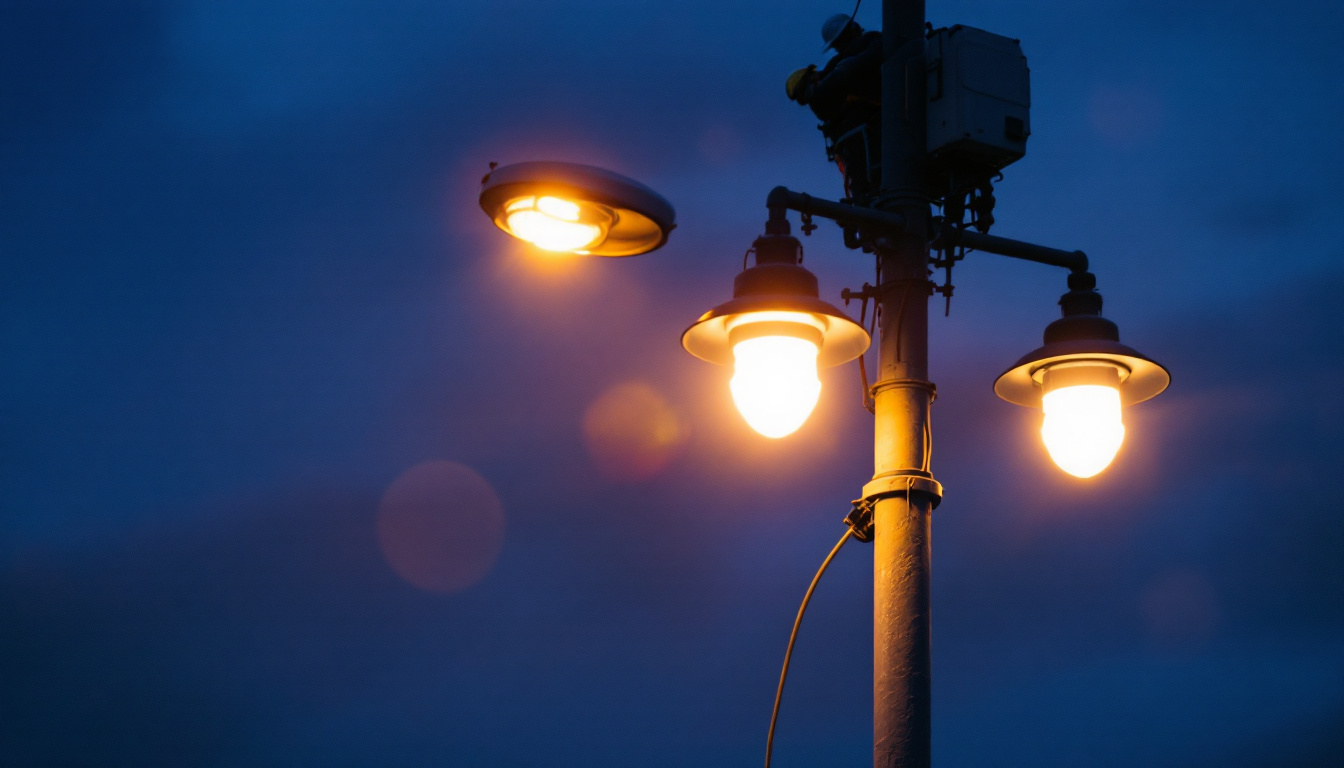
When it comes to outdoor lighting projects, particularly those utilizing solar lights mounted on poles, careful planning and execution are essential. Lighting contractors often face challenges that can lead to costly mistakes if not addressed properly. This article aims to provide insights and tips to help avoid common pitfalls in solar lighting projects, ensuring successful installations that meet client expectations and project specifications.
Understanding Solar Lighting Technology
Before diving into project execution, it is crucial to have a solid understanding of solar lighting technology. Solar lights operate by converting sunlight into energy, which is then stored in batteries for use during nighttime. This technology has advanced significantly, offering various options suitable for different applications. With the growing emphasis on sustainability and energy efficiency, solar lighting has emerged as a popular choice for both residential and commercial projects, providing an eco-friendly alternative to traditional electric lighting.
Components of Solar Lighting Systems
Solar lighting systems typically consist of several key components: solar panels, batteries, LED lights, and control systems. Each component plays a vital role in the overall functionality and efficiency of the system. Understanding how these components interact can help contractors make informed decisions during the selection and installation process.
For instance, the choice of solar panel size and type can significantly affect the energy output and, consequently, the performance of the lighting system. Similarly, selecting the right battery capacity is essential to ensure that the lights operate effectively throughout the night, especially in areas with limited sunlight. Additionally, the control systems, which may include sensors and timers, can optimize energy use by automatically adjusting the lighting based on environmental conditions, further enhancing the system’s efficiency and longevity.
Types of Solar Lights
There are various types of solar lights available, including pathway lights, flood lights, and decorative lights. Each type serves a different purpose and has unique installation requirements. Pathway lights are ideal for illuminating walkways and gardens, while flood lights are better suited for larger areas that require more intense lighting. Furthermore, decorative solar lights can add an aesthetic appeal to outdoor spaces, often featuring artistic designs that enhance the landscape while providing illumination.
Contractors should assess the specific needs of each project to determine the most appropriate type of solar light. This assessment includes considering factors such as the area’s size, the desired brightness, and the aesthetic preferences of the client. Moreover, it is essential to evaluate the local climate and seasonal variations, as these factors can influence the efficiency of solar panels and the overall performance of the lighting system. By taking a comprehensive approach to selection, contractors can ensure that the solar lighting solutions they provide are not only functional but also tailored to meet the unique demands of each project.
Planning Your Solar Lighting Project
A well-thought-out plan is the cornerstone of any successful lighting project. This phase involves assessing the site, understanding client requirements, and preparing for potential challenges that may arise during installation.
Site Assessment
Conducting a thorough site assessment is critical for identifying the optimal locations for solar lights. Factors such as sunlight exposure, landscape features, and existing structures can influence the placement of lights. Areas with ample sunlight will ensure that solar panels receive adequate energy, while shaded areas may require alternative solutions.
In addition to sunlight exposure, contractors should consider the layout of the area. For example, if the project involves illuminating a pathway, the lights should be placed at regular intervals to provide consistent illumination without creating dark spots. Furthermore, the terrain’s topography can also play a significant role; slopes or uneven ground may necessitate adjustments in light height or angle to maximize effectiveness and aesthetic appeal.
Client Consultation
Engaging with clients to understand their vision and expectations is essential. Discussing their preferences regarding brightness levels, design styles, and functionality can help tailor the project to meet their needs. It is also important to educate clients about the capabilities and limitations of solar lighting technology.
Providing clients with examples of previous projects can help them visualize the potential outcomes. This step not only builds trust but also ensures that both parties are aligned on the project goals. Additionally, it may be beneficial to discuss the long-term maintenance and operational costs associated with solar lighting. By highlighting the energy savings and reduced carbon footprint, clients can appreciate the environmental benefits alongside the aesthetic enhancements that solar lighting brings to their spaces.
Moreover, it is crucial to address any concerns clients may have regarding the durability and performance of solar lights in varying weather conditions. By sharing information about the latest advancements in solar technology, such as improved battery life and weather-resistant materials, you can reassure clients that their investment will stand the test of time, providing reliable illumination for years to come.
Avoiding Common Mistakes in Solar Lighting Installation
Even with careful planning, mistakes can still occur during the installation process. Identifying common pitfalls can help contractors avoid costly errors and ensure a smooth project execution.
Neglecting Local Regulations
One common mistake is overlooking local regulations and codes related to outdoor lighting. Different municipalities may have specific guidelines regarding light pollution, fixture height, and installation practices. Failing to comply with these regulations can result in fines or the need to redo installations.
Contractors should familiarize themselves with the relevant regulations before commencing work. This proactive approach can save time and resources in the long run.
Improper Installation Techniques
Another frequent mistake is using improper installation techniques. Solar lights must be securely mounted to withstand environmental factors such as wind and rain. Additionally, ensuring that solar panels are positioned correctly to maximize sunlight exposure is crucial for optimal performance.
Contractors should follow manufacturer guidelines for installation and consider conducting a test run to verify that the lights function as intended before completing the project.
Maintenance Considerations for Solar Lights
Maintenance is a critical aspect of ensuring the longevity and efficiency of solar lighting systems. Educating clients about proper maintenance practices can enhance their satisfaction and prolong the lifespan of the installation.
Regular Cleaning and Inspection
Solar panels should be kept clean and free of debris to ensure maximum energy absorption. Dust, dirt, and leaves can accumulate on the panels, reducing their efficiency. Contractors should advise clients to regularly inspect and clean the panels, especially after storms or heavy winds.
In addition to cleaning, regular inspections of the entire lighting system are essential. Checking for any signs of wear and tear, such as damaged fixtures or corroded connections, can help identify issues before they escalate into more significant problems.
Battery Maintenance
The performance of solar lights is heavily reliant on the condition of their batteries. Over time, batteries may lose their ability to hold a charge, leading to reduced lighting performance. Contractors should recommend that clients monitor battery health and replace them as needed to maintain optimal functionality.
Providing clients with a maintenance schedule can help them stay on top of these tasks and ensure that their solar lighting systems continue to operate efficiently.
Enhancing Aesthetics with Solar Lighting
While functionality is paramount, aesthetics also play a significant role in outdoor lighting projects. Solar lights can enhance the beauty of outdoor spaces when selected and installed thoughtfully.
Design Considerations
When selecting solar lights, contractors should consider the overall design theme of the outdoor space. For instance, modern landscapes may benefit from sleek, minimalist fixtures, while traditional gardens may call for more ornate designs. Choosing lights that complement the existing architecture and landscape can create a harmonious visual appeal.
Additionally, the color temperature of the lights can influence the ambiance of the space. Warmer tones tend to create a cozy atmosphere, while cooler tones can evoke a more contemporary feel. Contractors should discuss these options with clients to find the best fit for their vision.
Strategic Placement for Impact
Strategically placing solar lights can significantly enhance the aesthetic appeal of outdoor spaces. For example, highlighting architectural features, trees, or garden beds can create focal points that draw the eye. Pathway lighting can also guide visitors while adding a decorative touch.
Contractors should experiment with different placements and angles to achieve the desired effect. Utilizing techniques such as uplighting or downlighting can further enhance the visual impact of the lighting design.
Future Trends in Solar Lighting
The solar lighting industry is continually evolving, with new technologies and trends emerging regularly. Staying informed about these developments can help contractors remain competitive and offer the best solutions to their clients.
Smart Solar Lighting Solutions
One of the most significant trends in solar lighting is the integration of smart technology. Smart solar lights can be controlled remotely via mobile apps, allowing users to adjust brightness levels, set timers, and monitor energy usage. This level of control enhances convenience and efficiency, making solar lighting even more appealing to clients.
Contractors should consider incorporating smart solar lighting options into their offerings, as this technology is likely to become increasingly popular among consumers seeking advanced features.
Improved Battery Technology
Advancements in battery technology are also shaping the future of solar lighting. Newer battery types, such as lithium-ion batteries, offer longer lifespans and improved performance compared to traditional lead-acid batteries. These enhancements can lead to more reliable lighting solutions with reduced maintenance needs.
Contractors should stay updated on the latest battery technologies and consider recommending these options to clients for better performance and longevity of their solar lighting systems.
Conclusion
Outdoor solar lights on poles present a fantastic opportunity for lighting contractors to enhance outdoor spaces while promoting sustainability. By understanding the technology, planning meticulously, avoiding common mistakes, and staying informed about industry trends, contractors can ensure successful project outcomes.
Ultimately, the key to a successful solar lighting project lies in a combination of technical knowledge, effective communication with clients, and a commitment to quality installation and maintenance practices. By adhering to these principles, contractors can elevate their projects and deliver exceptional results that meet both their clients’ needs and their own professional standards.
Illuminate Your Projects with LumenWholesale
Ready to take your outdoor solar lighting projects to the next level? LumenWholesale is here to support you with premium, spec-grade lighting products that will not only meet but exceed your expectations. Say goodbye to local distributor markups and hello to our unbeatable wholesale prices, quality assurance, and the convenience of free shipping on bulk orders. Elevate your lighting projects with the confidence that comes from partnering with a brand that understands your needs for quality, affordability, and reliability. Discover the best value in wholesale lighting today and make every installation a shining success.