Understanding the Unique Challenges of Solar Garden Lighting
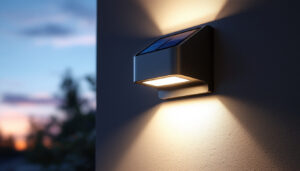
Outdoor solar garden lighting is more than just a decorative choice; it’s a strategic solution that combines sustainability with aesthetic appeal. For lighting contractors, mastering solar installations means navigating a set of challenges that differ significantly from traditional wired lighting systems.
Unlike conventional electric lighting, solar garden lights rely entirely on sunlight to charge their batteries. This dependency introduces variables such as geographic location, seasonal sunlight variations, and shading from trees or structures. Each factor can dramatically affect performance and client satisfaction. For instance, a garden situated in a densely wooded area may experience reduced sunlight exposure, leading to dimmer lights and shorter operational hours. Contractors must assess the specific conditions of each installation site to recommend the most suitable products and configurations, ensuring that clients are fully informed about what to expect.
Contractors must also contend with the technical limitations of solar technology. Battery capacity, solar panel efficiency, and LED lifespan all play crucial roles in the system’s overall effectiveness. Understanding these elements helps contractors design lighting solutions that meet client expectations while minimizing maintenance calls. Moreover, advancements in solar technology are continually evolving, with newer models featuring improved energy storage and efficiency ratings. Staying updated on these innovations allows contractors to offer cutting-edge solutions that not only enhance the beauty of outdoor spaces but also contribute to energy conservation efforts.
In addition to these technical considerations, contractors face the challenge of educating clients about the benefits and limitations of solar garden lighting. Many customers may have preconceived notions about solar technology, often underestimating its capabilities or overestimating its shortcomings. Providing clear, transparent information about how solar lights function, their expected lifespan, and potential maintenance needs can help build trust and ensure a positive client experience. Additionally, showcasing successful case studies or testimonials can further bolster confidence in solar solutions, illustrating their effectiveness in real-world applications.
Site Assessment: The Foundation of Successful Solar Lighting Installations
Evaluating Sunlight Exposure
Before any installation, a thorough site assessment is essential. The first step is analyzing sunlight exposure throughout the day. Solar panels require direct sunlight to charge efficiently, so identifying areas with unobstructed sun for at least six hours daily is ideal.
Use tools like light meters or smartphone apps to measure sunlight intensity and duration. Pay close attention to potential shading caused by trees, buildings, or seasonal changes. Even partial shading can reduce solar panel output by up to 40%, which could compromise the lighting system’s performance.
Additionally, consider the seasonal variations in sunlight exposure. In some regions, the angle of the sun changes significantly between summer and winter, which can affect how much sunlight reaches the solar panels. Conducting a year-round analysis can provide a more comprehensive understanding of the site’s solar potential, ensuring that the chosen locations for the panels will remain effective throughout the year. Furthermore, it may be beneficial to create a visual map of sunlight patterns, which can assist in planning not just for current installations but also for any future expansions or adjustments.
Soil and Terrain Considerations
The physical environment also influences installation choices. Soft or uneven terrain may require specialized mounting hardware to secure solar panels and fixtures properly. In rocky or sloped areas, contractors should plan for additional support structures or alternative placement strategies.
Drainage is another factor. Poorly drained soil can lead to water pooling around fixtures, causing premature wear or electrical issues. Ensuring proper drainage or elevating fixtures can mitigate these risks.
Moreover, the type of soil can also impact the installation process. Sandy soils may require different anchoring techniques compared to clay soils, which can expand and contract with moisture changes. Conducting a soil test can provide valuable insights into its composition and stability, allowing for tailored installation strategies that enhance the longevity and reliability of the solar lighting system. Additionally, understanding the local wildlife and vegetation can help in planning for potential interference, ensuring that the lighting fixtures remain unobstructed and functional over time.
Understanding Client Needs and Expectations
Every project starts with a conversation. Understanding the client’s vision for their outdoor space guides the technical choices you make. Are they looking for subtle pathway lighting, dramatic landscape accents, or security illumination? Each use case demands different brightness levels, fixture styles, and placement strategies.
Discuss maintenance expectations as well. Some clients prefer completely hands-off systems, while others are comfortable with periodic battery replacements or cleaning. Setting clear expectations upfront avoids misunderstandings later.
In addition to lighting preferences, it’s crucial to explore the aesthetic elements that the client values. For instance, do they favor modern, sleek designs, or are they drawn to more rustic, traditional fixtures? Understanding these preferences can help in selecting the right products that not only meet functional requirements but also enhance the overall visual appeal of the space. Furthermore, involving clients in the design process can foster a sense of ownership and satisfaction, leading to a more successful installation that aligns with their lifestyle and enhances their outdoor experience.
Choosing the Right Components for Longevity and Performance
Solar Panels: Efficiency and Durability Matter
Not all solar panels are created equal. Monocrystalline panels generally offer higher efficiency and better performance in low-light conditions compared to polycrystalline types. For garden lighting, where space for panels might be limited, opting for higher-efficiency panels ensures better energy capture.
Durability is equally important. Panels should be rated for outdoor use, resistant to moisture, dust, and temperature extremes. Look for certifications like IP65 or higher to guarantee protection against the elements.
Batteries: Balancing Capacity and Lifespan
The battery is the heart of any solar lighting system. Lithium-ion batteries have become the preferred choice due to their longer life cycles, higher energy density, and lighter weight compared to traditional lead-acid or nickel-metal hydride batteries.
However, lithium-ion batteries come at a higher upfront cost. Contractors should weigh the benefits of reduced maintenance and longer replacement intervals against the initial investment. Proper battery sizing is crucial; undersized batteries lead to frequent outages, while oversized ones increase costs unnecessarily.
LED Fixtures: Brightness, Color, and Efficiency
LED technology dominates outdoor lighting due to its energy efficiency and long lifespan. For garden lighting, selecting LEDs with a color temperature between 2700K and 3000K creates a warm, inviting atmosphere that complements natural surroundings.
Brightness should be tailored to the application. Pathway lights typically require 100-200 lumens, while accent lighting may demand higher output. Dimmable LEDs offer flexibility, allowing clients to adjust lighting levels based on mood or occasion.
Installation Best Practices for Optimal Solar Lighting Performance
Panel Placement and Orientation
Proper placement of solar panels is critical. Panels should face true south in the northern hemisphere or true north in the southern hemisphere to maximize sun exposure. The tilt angle should correspond to the site’s latitude for optimal year-round performance.
Avoid placing panels flat on the ground or in locations prone to dirt accumulation or water pooling. Elevating panels slightly and ensuring easy access for cleaning can significantly improve efficiency and longevity.
Wiring and Connections
Although solar garden lights are often marketed as wireless, many systems require low-voltage wiring between panels, batteries, and fixtures. Use weatherproof connectors and cables rated for outdoor use to prevent corrosion and electrical faults.
Secure wiring neatly to avoid tripping hazards and protect it from damage by wildlife or lawn equipment. Labeling wires during installation can simplify future troubleshooting or upgrades.
Mounting Fixtures for Stability and Aesthetics
Fixtures should be mounted securely to withstand wind, rain, and accidental impacts. Spike mounts are common for garden lights but may not be suitable for all soil types. In hard or rocky ground, consider using weighted bases or brackets.
Position fixtures to highlight landscape features without causing glare or light pollution. Use shields or directional lenses when necessary to focus light precisely and reduce spillover.
Maintenance Strategies to Ensure Long-Term Success
Regular Cleaning and Inspection
Solar panels and fixtures accumulate dirt, dust, and debris over time, which can reduce efficiency by up to 25%. Establish a maintenance schedule that includes cleaning panels with a soft cloth and mild detergent every few months.
Inspect fixtures for signs of damage, corrosion, or loose connections. Early detection of issues prevents costly repairs and downtime.
Battery Replacement and Recycling
Batteries degrade over time, typically lasting between three to five years depending on usage and climate. Monitor battery performance and plan replacements proactively to avoid unexpected outages.
Dispose of old batteries responsibly by following local regulations and recycling programs. Educating clients about battery care and replacement schedules enhances trust and satisfaction.
Software and Control Systems
Advanced solar lighting systems may include smart controls for dimming, scheduling, or remote monitoring. Keep software updated and verify system settings periodically to maintain optimal operation.
Training clients on control features empowers them to customize their lighting experience and reduces service calls.
Maximizing Client Value with Sustainable and Stylish Solutions
Solar garden lighting offers a compelling value proposition: energy savings, environmental benefits, and enhanced outdoor living spaces. Lighting contractors who embrace best practices can deliver systems that exceed client expectations while minimizing operational headaches.
Incorporating design principles that balance function and form creates inviting outdoor environments that clients will enjoy year-round. Staying informed about emerging solar technologies and industry trends positions contractors as trusted experts in a rapidly growing market.
Ultimately, success in solar garden lighting hinges on meticulous planning, quality components, skilled installation, and proactive maintenance. These elements combine to transform gardens into illuminated showcases powered by the sun.
Illuminate Your Projects with LumenWholesale
Ready to elevate your solar garden lighting installations with the finest products on the market? At LumenWholesale, we provide lighting contractors with exceptional, spec-grade lighting solutions at prices that can’t be beaten. Our commitment to quality and affordability ensures that you can deliver sustainable and stylish outdoor lighting systems that delight your clients and enhance any garden space. With free shipping on bulk orders, you can stock up on the best lighting products without worrying about extra costs. Discover the best value in wholesale lighting and make LumenWholesale your go-to source for all your lighting needs.